

Band Hip Lift vs Band Squat: Complete Comparison Guide
Band Hip Lift vs Band Squat — if you want stronger, fuller glutes you need to know which move suits your plan. I’ll walk you through muscle activation, biomechanics, required gear, learning curve, rep ranges, and programming so you can pick the right exercise for your goals. Expect clear technique cues for each lift, comparisons of hip versus knee joint demand, and practical progressions you can use at home or in the gym. By the end you’ll know which exercise to prioritize for glute isolation, total leg development, or a balanced program.
Exercise Comparison
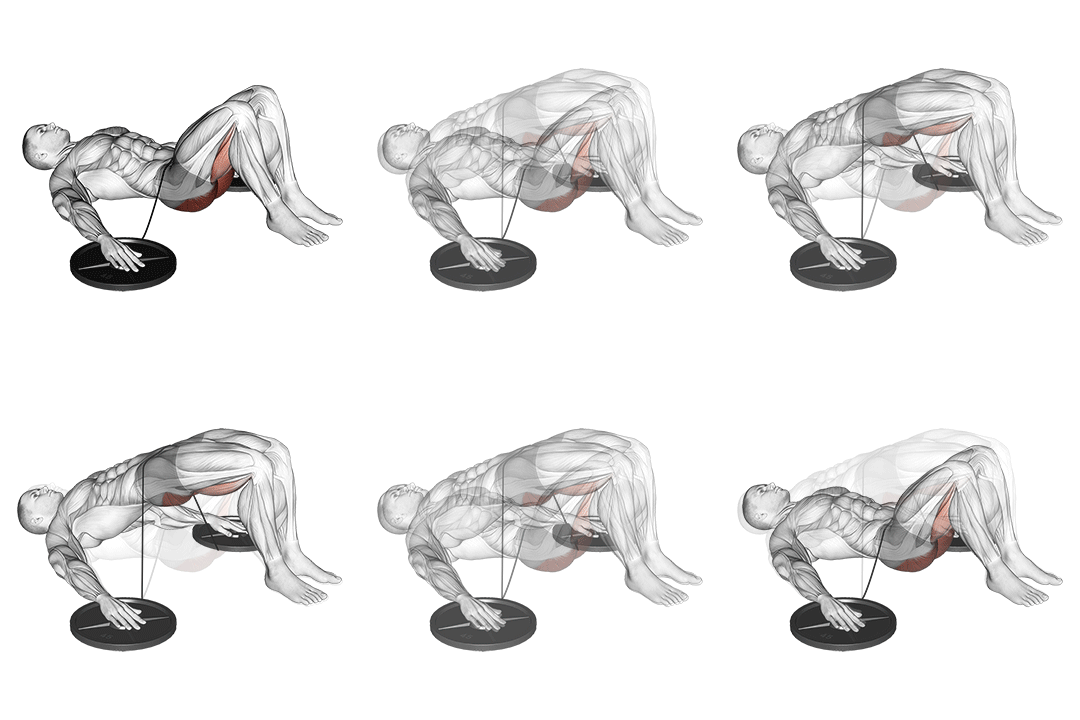
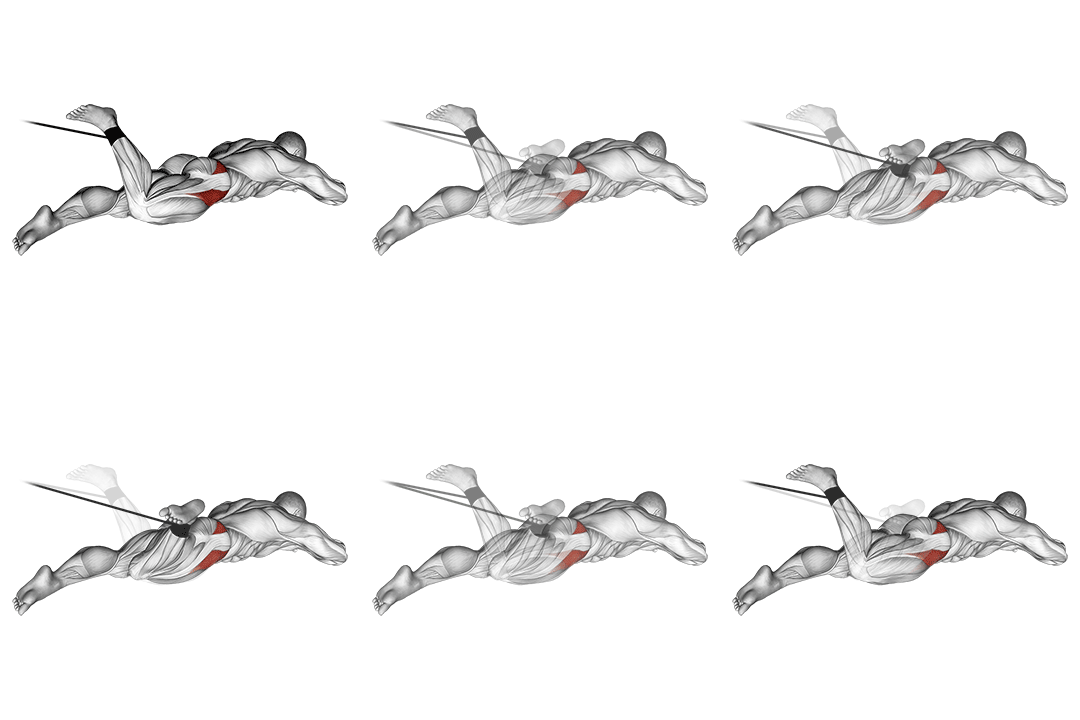
Band Hip Lift
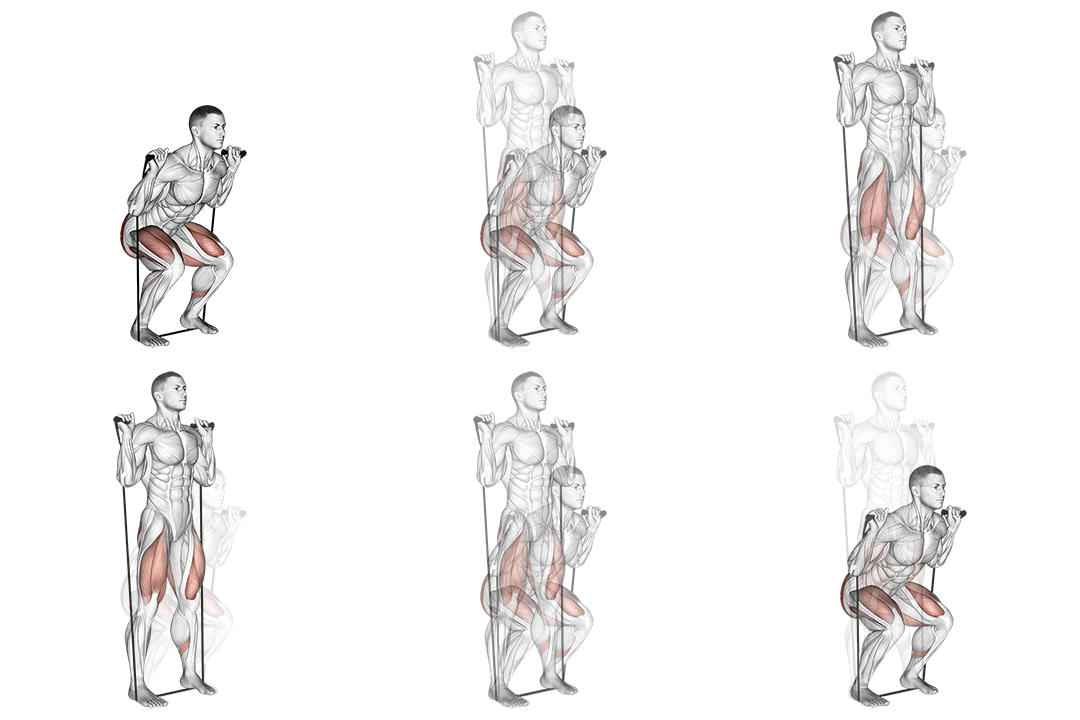
Band Squat
Head-to-Head Comparison
| Attribute | Band Hip Lift | Band Squat |
|---|---|---|
| Target Muscle |
Glutes
|
Glutes
|
| Body Part |
Upper-legs
|
Upper-legs
|
| Equipment |
Band
|
Band
|
| Difficulty |
Beginner
|
Intermediate
|
| Movement Type |
Compound
|
Compound
|
| Secondary Muscles |
2
|
3
|
Secondary Muscles Activated
Band Hip Lift
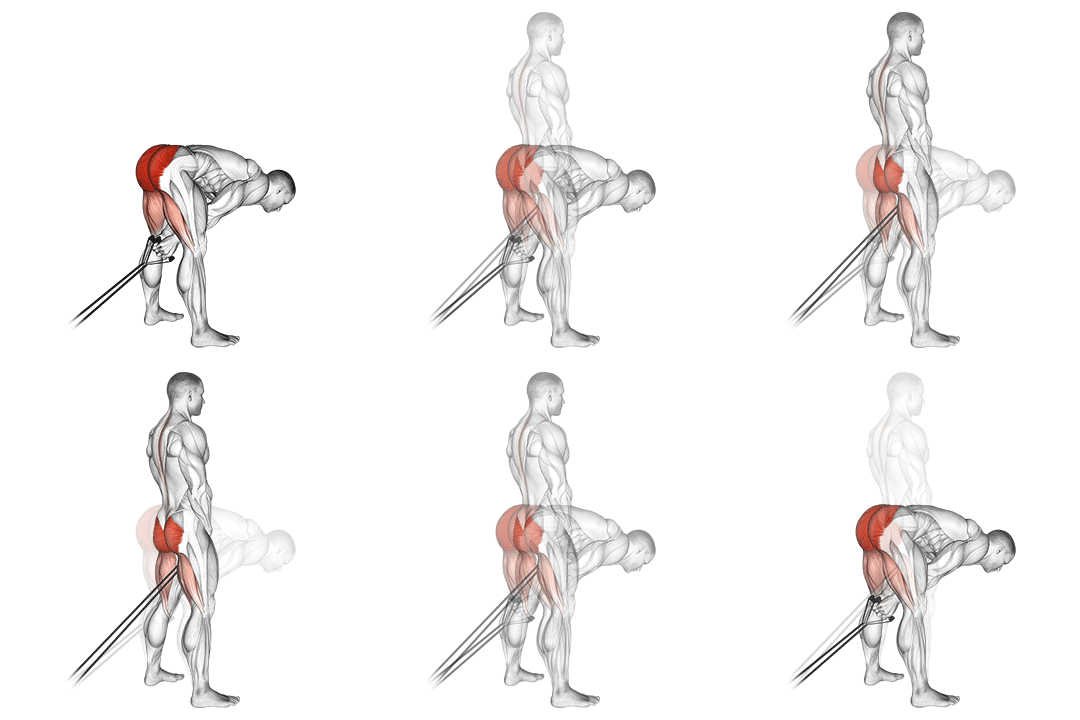
Band Squat
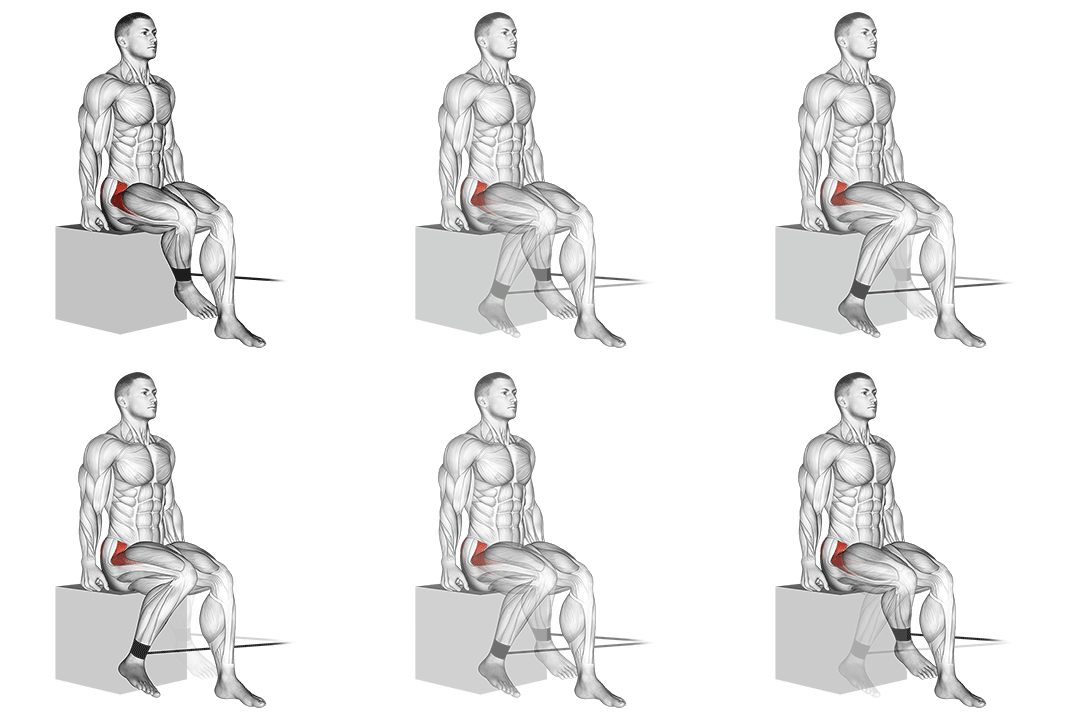
Visual Comparison
Overview
Band Hip Lift vs Band Squat — if you want stronger, fuller glutes you need to know which move suits your plan. I’ll walk you through muscle activation, biomechanics, required gear, learning curve, rep ranges, and programming so you can pick the right exercise for your goals. Expect clear technique cues for each lift, comparisons of hip versus knee joint demand, and practical progressions you can use at home or in the gym. By the end you’ll know which exercise to prioritize for glute isolation, total leg development, or a balanced program.
Key Differences
- Difficulty levels differ: Band Hip Lift is beginner, while Band Squat is intermediate.
- Both exercises target the Glutes using Band. The main differences are in their movement patterns and muscle activation angles.
Pros & Cons
Band Hip Lift
+ Pros
- Higher peak glute activation, especially at end range
- Low technical demand and minimal balance requirement
- Low axial spinal compression compared to squats
- Easy to perform at home with small space and one band
− Cons
- Limited quadriceps development and carryover to upright lifting
- Harder to progressively overload with light bands only
- Less transfer to standing strength and athletic movements
Band Squat
+ Pros
- Greater total leg development including quads and calves
- More progression options and transfer to standing strength
- Improves balance, ankle mobility, and core anti-flexion
- Band tension increases through the range for variable resistance
− Cons
- Requires better mobility and technique to protect knees and spine
- Higher technical demand and balance requirement
- Needs heavier bands or alternate loading to see strong progressive overload
When Each Exercise Wins
For targeted glute hypertrophy the Band Hip Lift wins because it maximizes end-range glute contraction and time under tension; use 8–15 reps with a 1–2 second peak squeeze to stimulate muscle growth.
Band Squats build multi-joint strength by stressing both hip and knee extensors and training upright force production; aim for 4–6 heavy reps or 6–10 controlled reps to develop strength and transfer to loaded squats.
Beginners learn movement quality faster with the hip lift because it isolates hip extension, has fewer balance demands, and allows you to focus on glute activation without complex knee tracking.
The hip lift needs minimal gear and space and delivers strong posterior-chain stimulus with one band, making it the most practical choice for compact home setups.
Frequently Asked Questions
Can I do both Band Hip Lift and Band Squat in the same workout?
Yes. Pair them intelligently by sequencing hip lifts first to pre-activate the glutes (2–3 sets of 10–15), then perform band squats for heavier multi-joint work (3–5 sets of 6–12). This order improves muscle recruitment and reduces poor squat mechanics from inactive glutes.
Which exercise is better for beginners?
Band Hip Lift is better for most beginners because it has a simpler motor pattern and lower balance and mobility demands. It teaches hip extension and glute activation before you progress to the multi-joint coordination required by squats.
How do the muscle activation patterns differ?
Band Hip Lifts produce a horizontal force vector with peak glute activation at full extension, emphasizing posterior chain isolation. Band Squats produce a vertical force vector with shared loading across quads and glutes, peaking mid-range as knee and hip moment arms shift.
Can Band Squat replace Band Hip Lift?
Not completely. Band Squats develop total leg strength but do not match the end-range glute contraction of hip lifts. If your goal is targeted glute hypertrophy or correcting activation, keep hip lifts in the program.
Expert Verdict
Use Band Hip Lifts when your priority is glute isolation, end-range contraction, and low technical demand — perform 8–15 reps with a 1–2 second peak squeeze and controlled eccentric. Choose Band Squats when you want total leg development, improved standing strength, and more progression levers; program 4–6 reps for strength or 6–12 for hypertrophy, focus on knee tracking and upright torso. For balanced programs include both: start beginners with hip lifts for activation, then add banded squats to build multi-joint strength as mobility and technique improve.
Also Compare
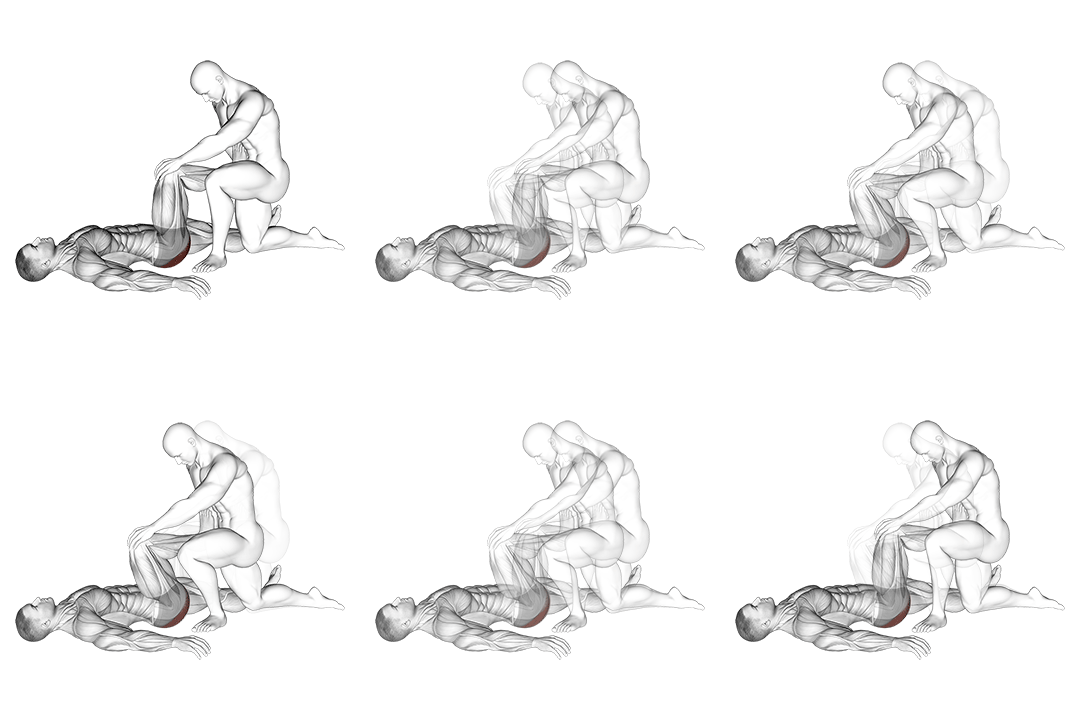
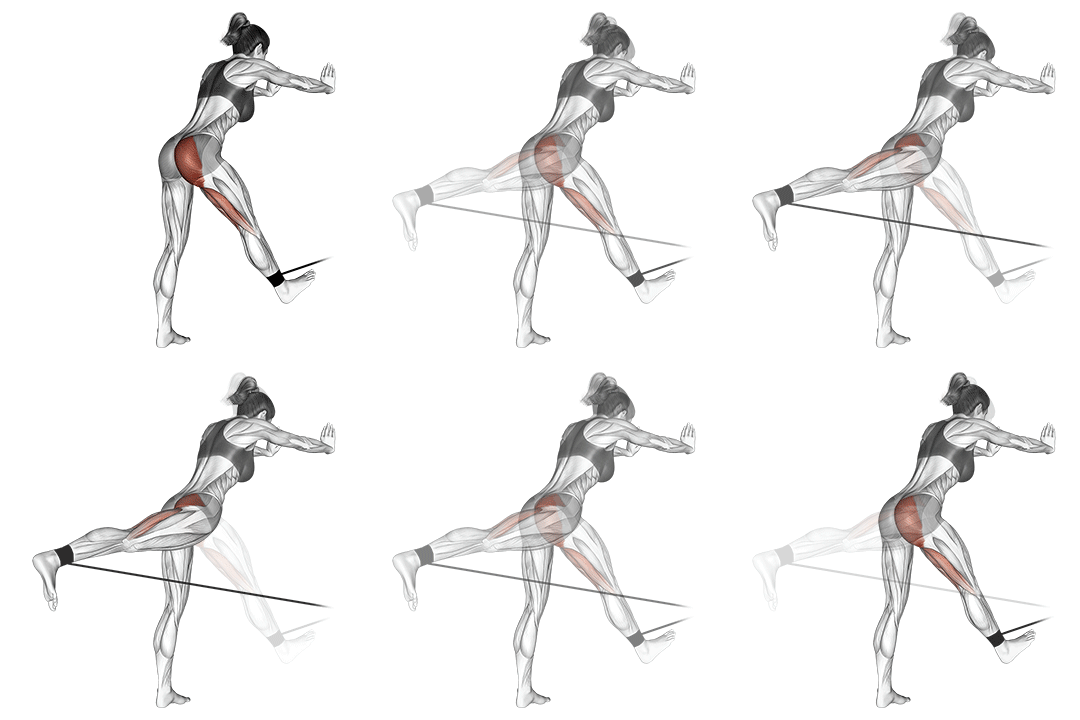
More comparisons with Band Hip Lift
Compare More Exercises
Use our free comparison tool to analyze any two exercises head-to-head.
Compare Exercises