

Band Single Leg Calf Raise vs Calf Stretch With Rope: Complete Comparison Guide
Band Single Leg Calf Raise vs Calf Stretch With Rope — which one should you use in your lower-leg routine? You want stronger, more resilient calves and better ankle function; this comparison cuts through noise and gives direct guidance. You’ll get clear technique cues, biomechanics explanations (length-tension, force vectors), rep and hold ranges, and when to choose one over the other based on muscle growth, strength, mobility, and home accessibility. Read on to learn how each exercise loads the calf, which secondary muscles they recruit, and how to progress safely.
Exercise Comparison
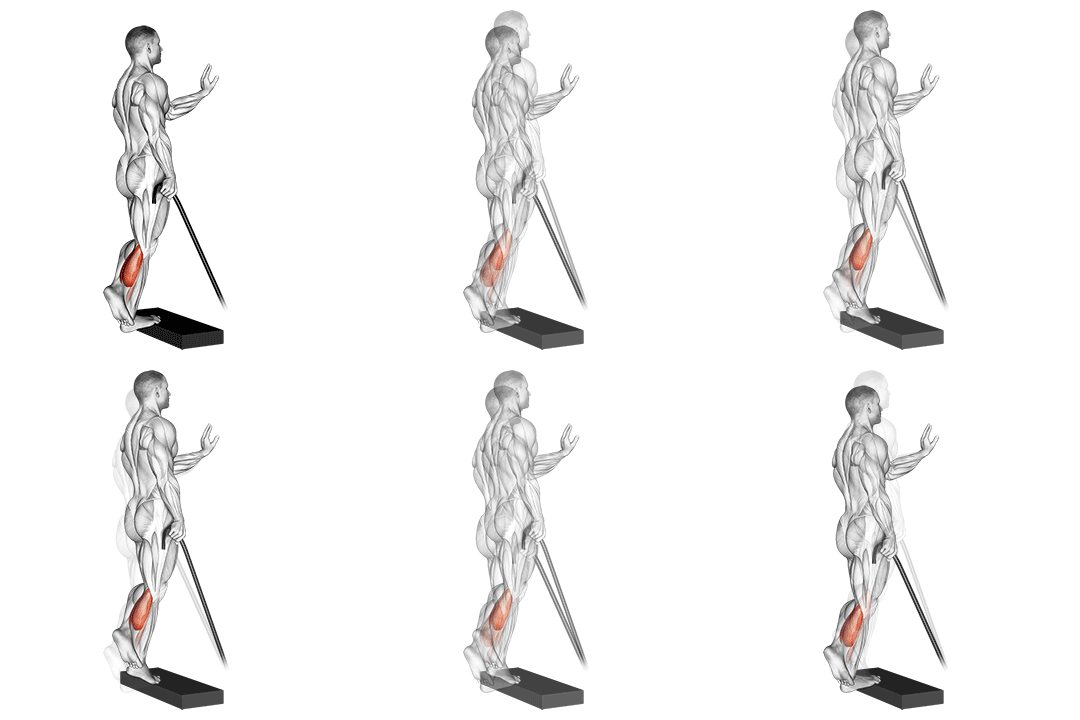
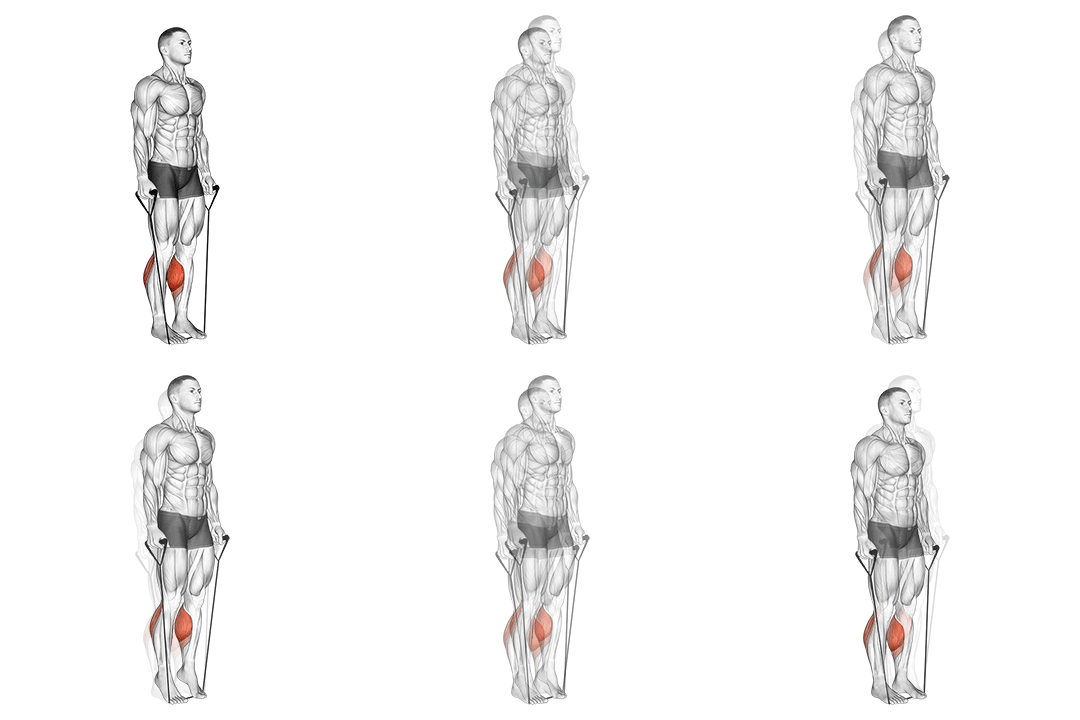
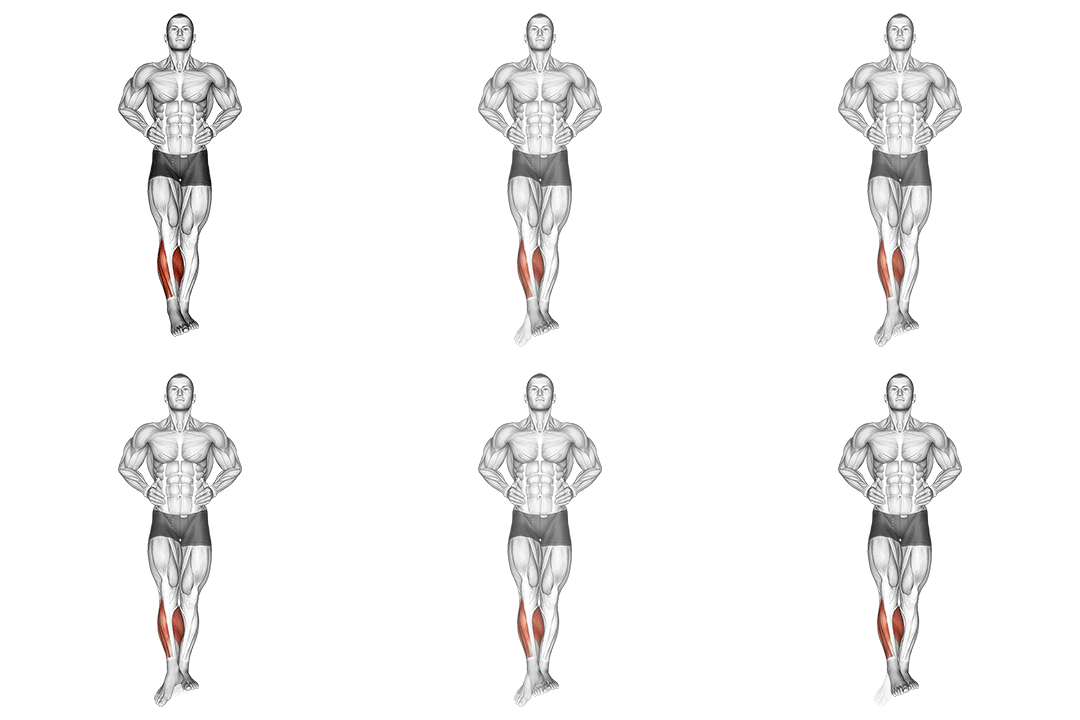
Band Single Leg Calf Raise
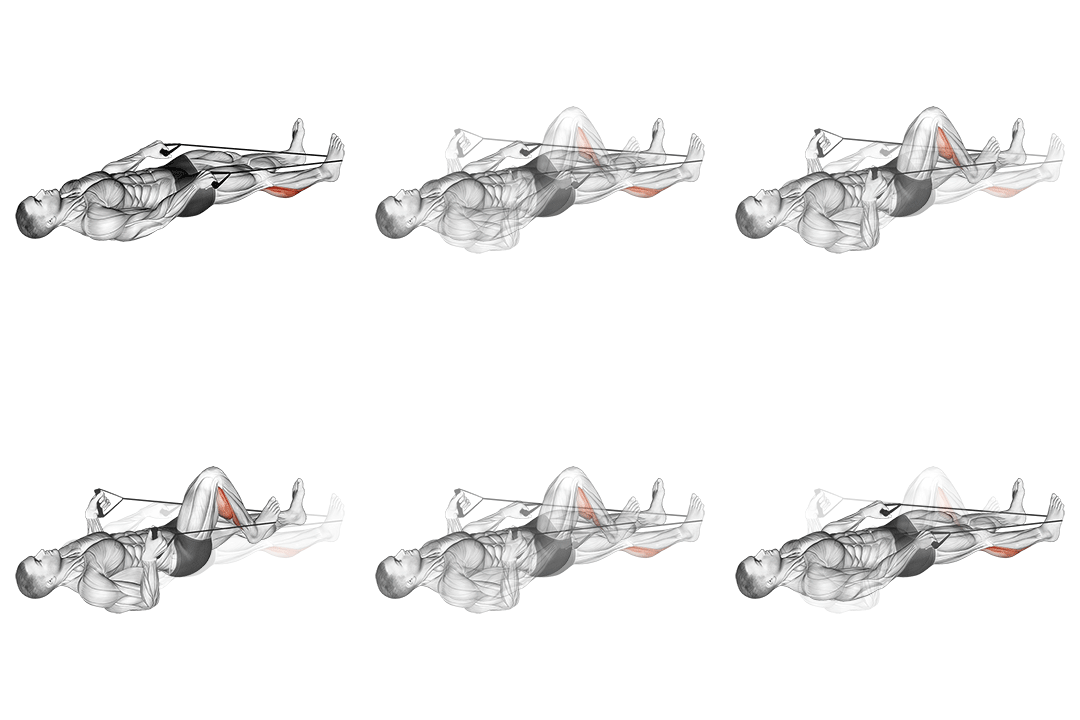
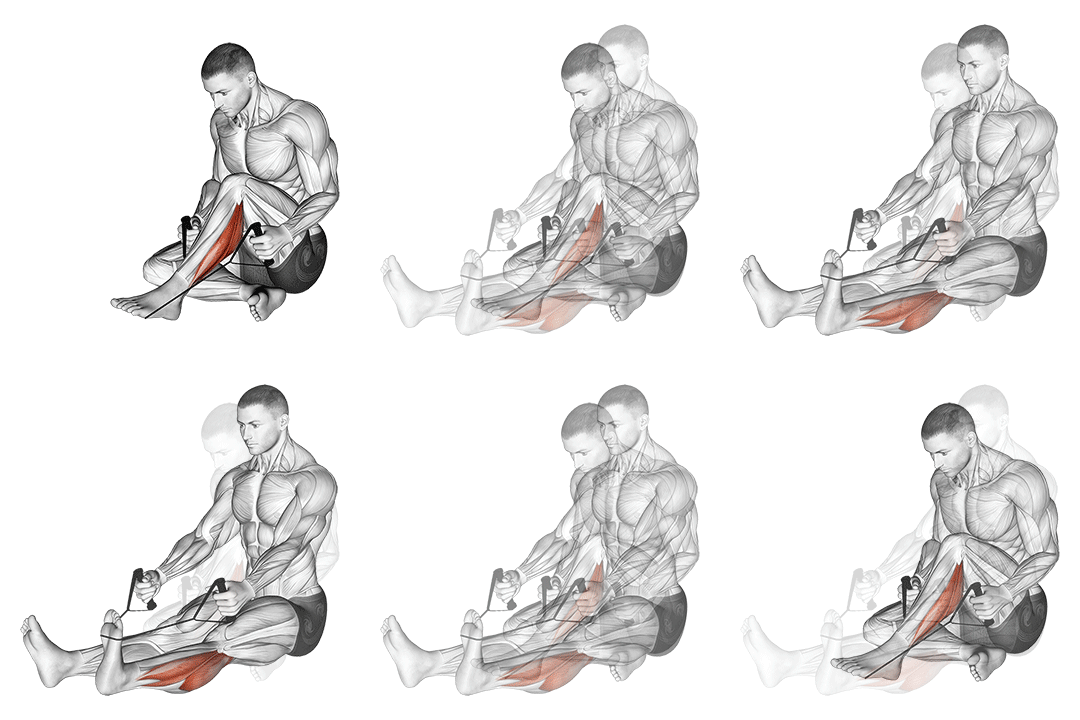
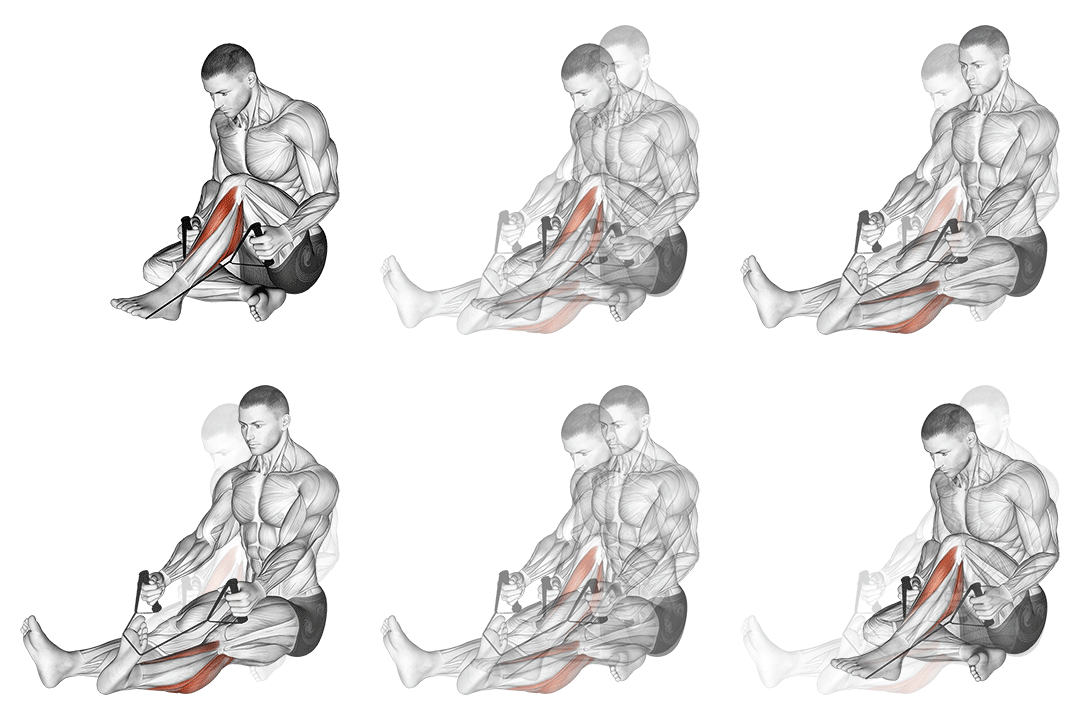
Calf Stretch With Rope
Head-to-Head Comparison
| Attribute | Band Single Leg Calf Raise | Calf Stretch With Rope |
|---|---|---|
| Target Muscle |
Calves
|
Calves
|
| Body Part |
Lower-legs
|
Lower-legs
|
| Equipment |
Band
|
Rope
|
| Difficulty |
Beginner
|
Beginner
|
| Movement Type |
Isolation
|
Isolation
|
| Secondary Muscles |
2
|
1
|
Secondary Muscles Activated
Band Single Leg Calf Raise
Calf Stretch With Rope
Visual Comparison
Overview
Band Single Leg Calf Raise vs Calf Stretch With Rope — which one should you use in your lower-leg routine? You want stronger, more resilient calves and better ankle function; this comparison cuts through noise and gives direct guidance. You’ll get clear technique cues, biomechanics explanations (length-tension, force vectors), rep and hold ranges, and when to choose one over the other based on muscle growth, strength, mobility, and home accessibility. Read on to learn how each exercise loads the calf, which secondary muscles they recruit, and how to progress safely.
Key Differences
- Equipment differs: Band Single Leg Calf Raise uses Band, while Calf Stretch With Rope requires Rope.
Pros & Cons
Band Single Leg Calf Raise
+ Pros
- Direct concentric and eccentric loading of gastrocnemius and soleus for muscle growth
- Easy to progress by increasing band tension, reps, or tempo
- Improves unilateral ankle strength and balance, recruiting intrinsic foot muscles
- Minimal equipment and great for home workouts
− Cons
- Requires single-leg balance which can be challenging for beginners
- Poor form or excessive tension can irritate the Achilles
- Limited by available band tension for maximal strength work
Calf Stretch With Rope
+ Pros
- Excellent for increasing calf and hamstring flexibility via end-range dorsiflexion
- Very low impact and easy for beginners or rehabilitation
- Allows focused passive lengthening that can improve ankle ROM
- Can be done lying down — good when standing balance is an issue
− Cons
- Provides minimal concentric loading for strength or hypertrophy
- Relies on passive tension unless you add PNF or active contractions
- May overstretch hamstrings or calf if taken too aggressively
When Each Exercise Wins
The single-leg raise produces direct mechanical tension through concentric and eccentric contractions and lets you progressively overload the calf (use heavier band tension or slow eccentrics). Aim for 8–20 reps, 3–4 sets to stimulate hypertrophy.
Strength requires producing force against resistance; the band raise creates ankle plantarflexion torque and unilateral force transfer, which directly improves plantarflexor strength when you increase tension or resistance.
A rope stretch is low-load, easy to teach, and improves ankle dorsiflexion and hamstring length without balance demands. It’s a safe first step before adding loaded single-leg work.
Bands and a small step cover both strength and conditioning needs at home; a single-band setup gives more utility than a rope for building muscle and function in limited space.
Frequently Asked Questions
Can I do both Band Single Leg Calf Raise and Calf Stretch With Rope in the same workout?
Yes. Do the Band Single Leg Calf Raises earlier for active loading (3–4 sets, 8–20 reps), then finish with the Calf Stretch With Rope for 30–60 seconds per leg to increase ROM and aid recovery.
Which exercise is better for beginners?
The Calf Stretch With Rope is better initially because it’s low-load and teaches ankle dorsiflexion control without balance demands. Once you have basic ROM, progress to band single-leg raises for strength.
How do the muscle activation patterns differ?
Band Single Leg Calf Raises create high active recruitment during concentric plantarflexion and controlled eccentric lowering, increasing motor unit firing and mechanical load. The rope stretch mainly produces passive tension at long muscle lengths; activation rises only if you perform active contractions or PNF.
Can Calf Stretch With Rope replace Band Single Leg Calf Raise?
Not if your goal is strength or hypertrophy. The rope stretch improves mobility and passive length-tension but lacks the concentric/eccentric overload needed for meaningful muscle growth or strength gains.
Expert Verdict
Use the Band Single Leg Calf Raise when your goal is stronger, thicker calves and improved unilateral ankle force—its concentric/eccentric loading and easy progression make it the primary choice for strength and hypertrophy. Use the Calf Stretch With Rope when your priority is ankle range-of-motion, hamstring length, or rehabilitation; it safely exposes the calf to long‑length tension and reduces passive stiffness. For most lifters, pair them: include 2–4 sets of band single-leg raises (8–20 reps) 2–3x/week and add rope stretches (30–60 s holds or PNF) post-session to maintain or improve dorsiflexion and muscle length.
Also Compare
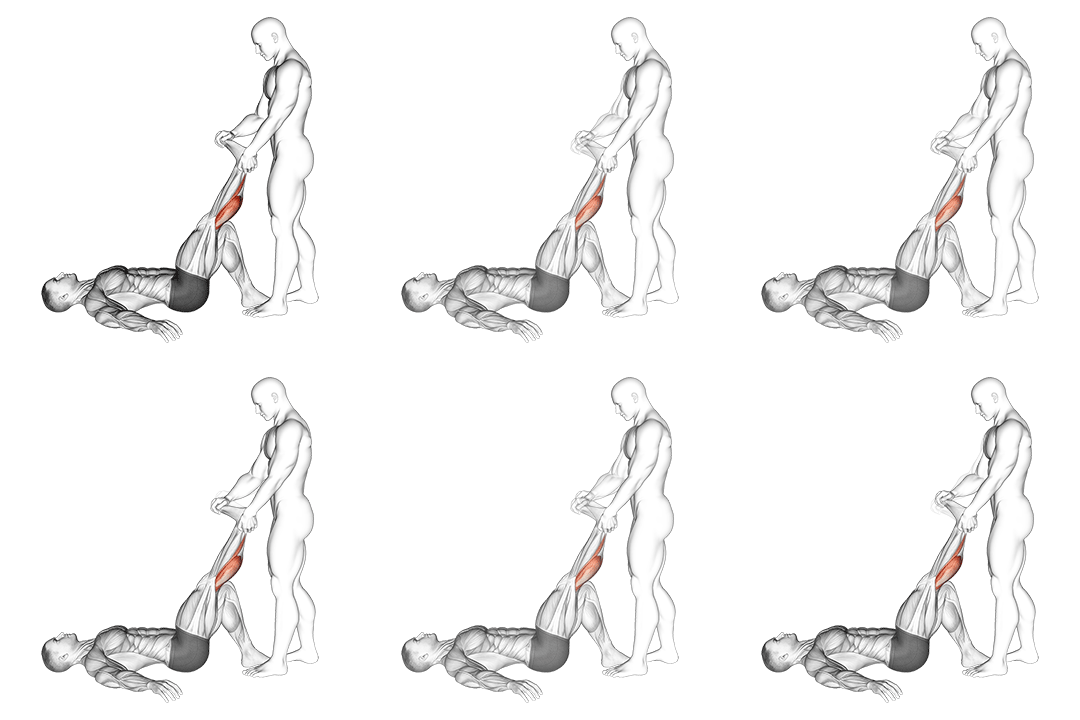
More comparisons with Band Single Leg Calf Raise
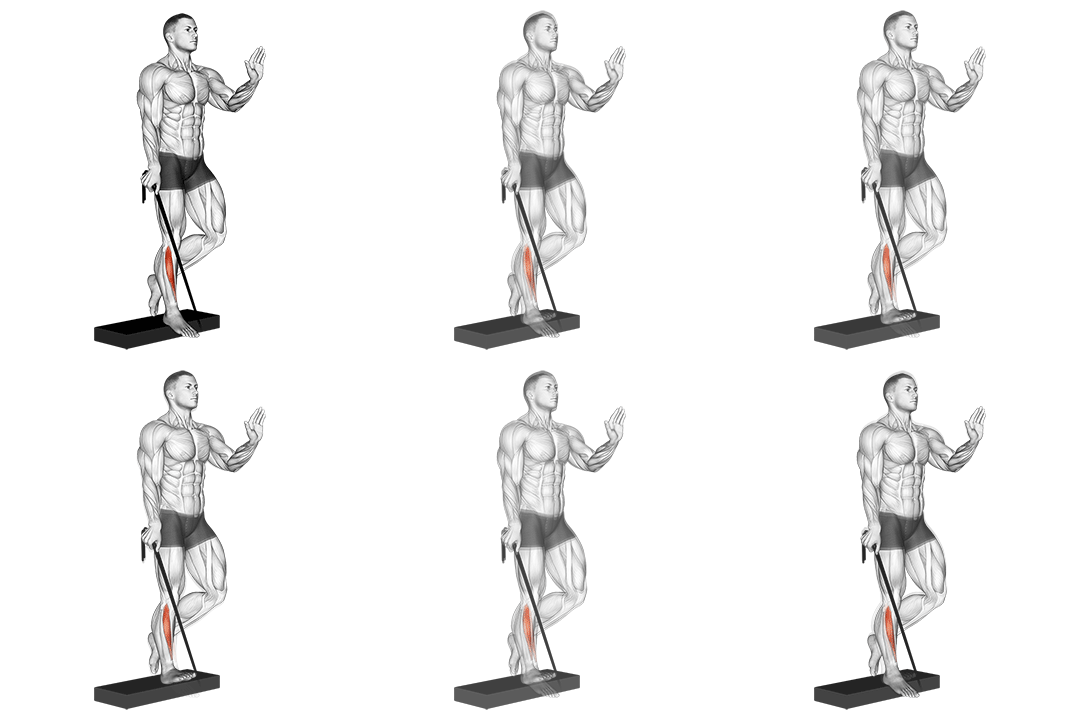

More comparisons with Calf Stretch With Rope
Compare More Exercises
Use our free comparison tool to analyze any two exercises head-to-head.
Compare Exercises