

Band Single Leg Calf Raise vs Rope Jumping: Complete Comparison Guide
Band Single Leg Calf Raise vs Rope Jumping — you’re comparing a targeted isolation move with a high-tempo compound exercise. If you want stronger, thicker calves or better conditioning, this guide helps you choose. I’ll walk you through muscle activation, equipment needs, learning curve, progression options, and injury risk. You’ll get specific cues (foot placement, ankle angle, contact time), rep ranges (8–20 reps for isolation, 30s–3min intervals for jumping), and clear recommendations so you can pick the right tool for your goal.
Exercise Comparison
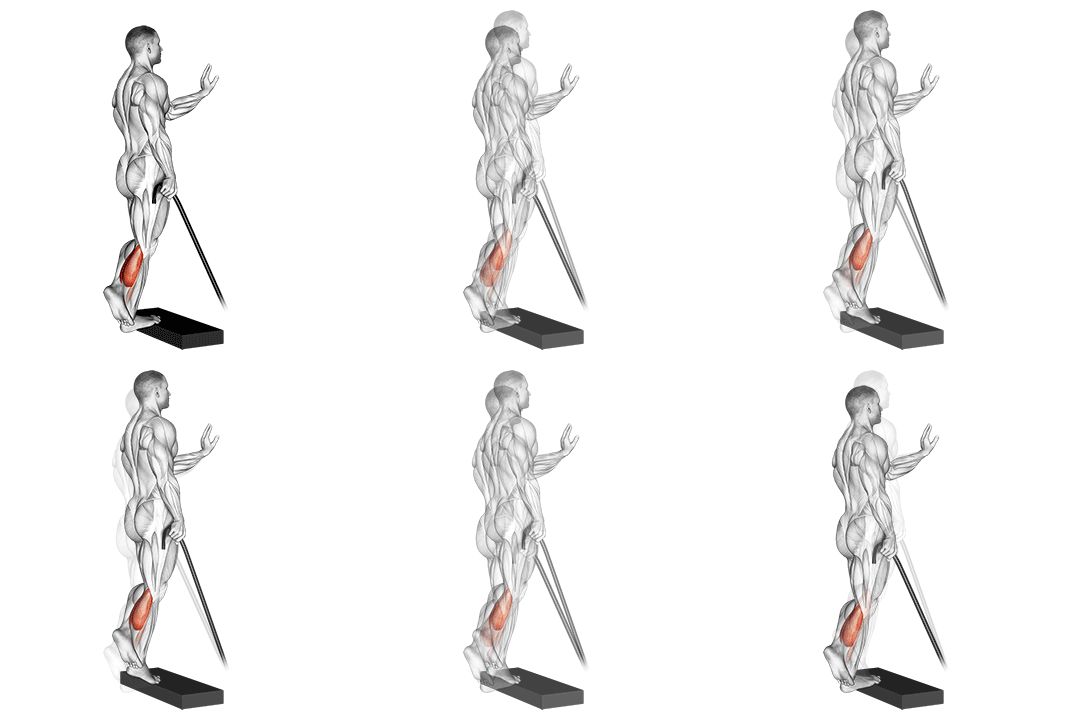
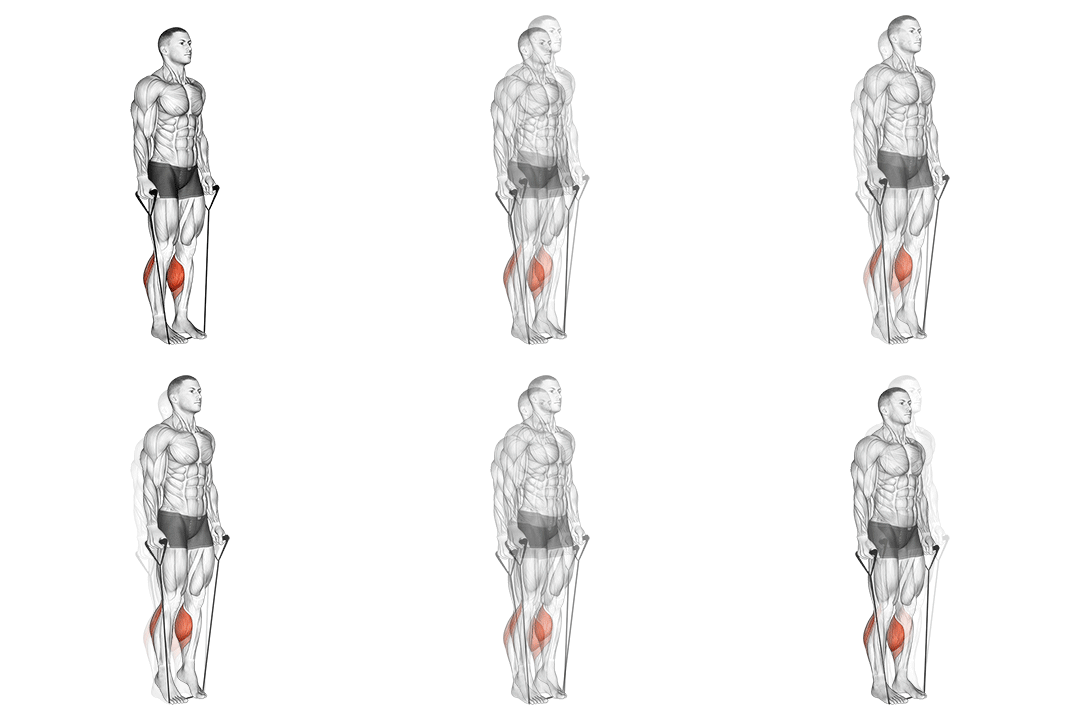
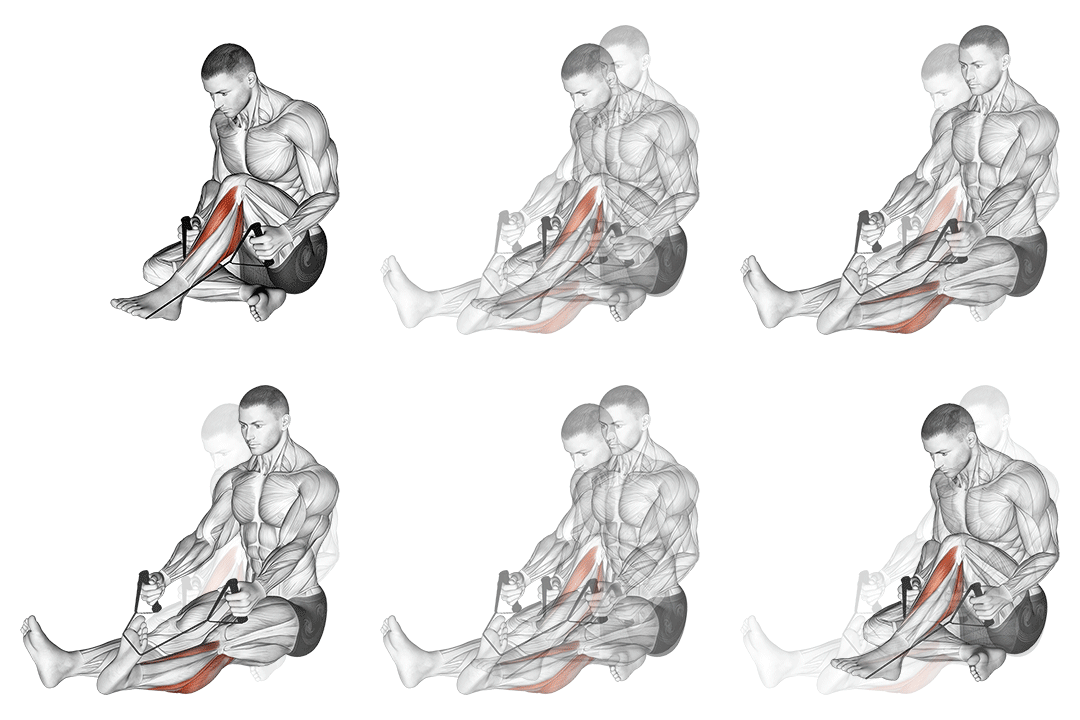
Band Single Leg Calf Raise
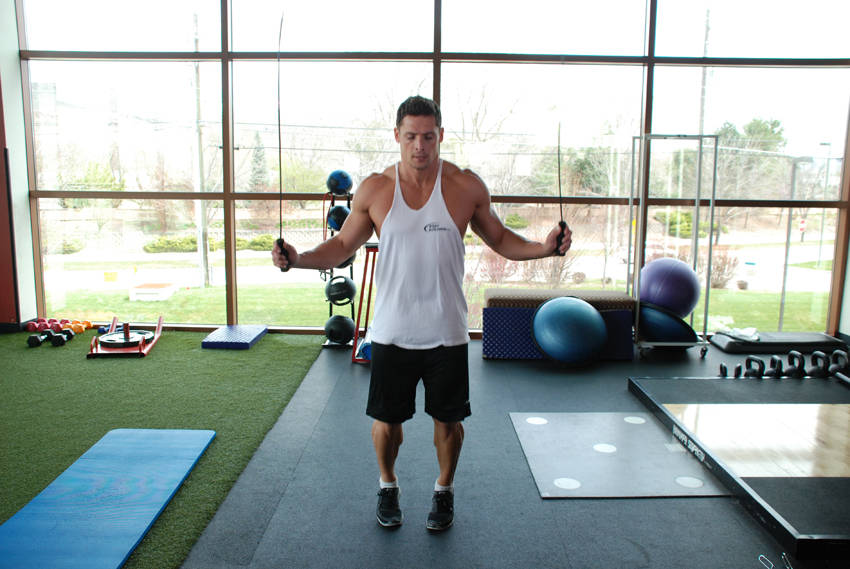
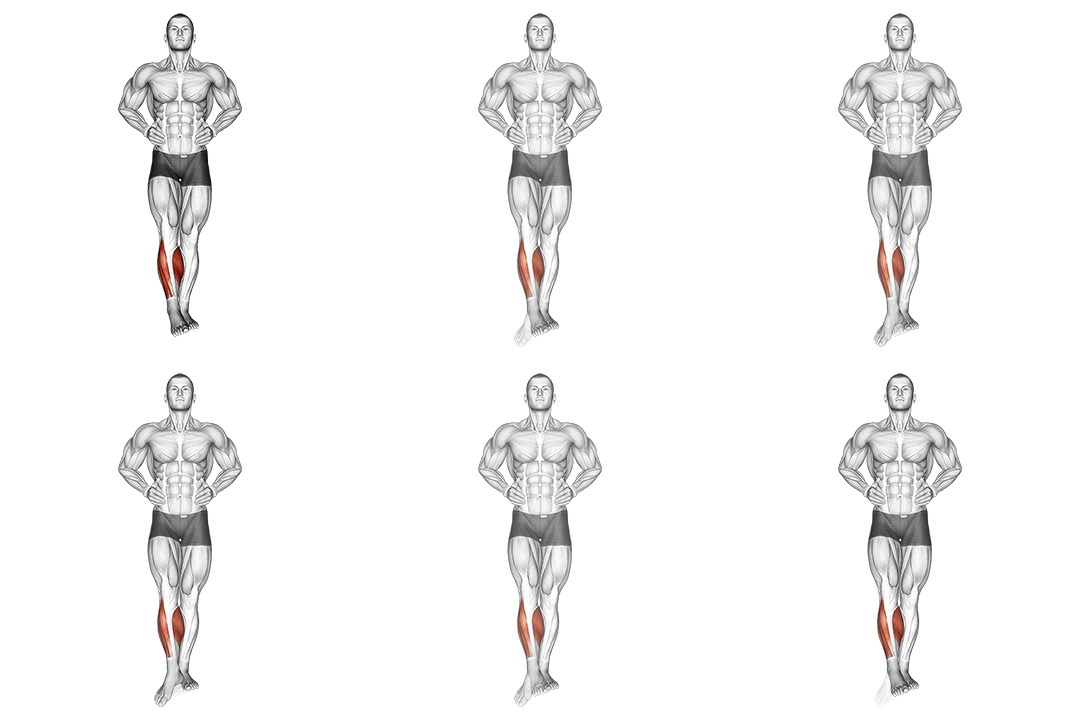
Rope Jumping
Head-to-Head Comparison
| Attribute | Band Single Leg Calf Raise | Rope Jumping |
|---|---|---|
| Target Muscle |
Calves
|
Calves
|
| Body Part |
Lower-legs
|
Cardio
|
| Equipment |
Band
|
Rope
|
| Difficulty |
Beginner
|
Beginner
|
| Movement Type |
Isolation
|
Compound
|
| Secondary Muscles |
2
|
2
|
Secondary Muscles Activated
Band Single Leg Calf Raise
Rope Jumping
Visual Comparison
Overview
Band Single Leg Calf Raise vs Rope Jumping — you’re comparing a targeted isolation move with a high-tempo compound exercise. If you want stronger, thicker calves or better conditioning, this guide helps you choose. I’ll walk you through muscle activation, equipment needs, learning curve, progression options, and injury risk. You’ll get specific cues (foot placement, ankle angle, contact time), rep ranges (8–20 reps for isolation, 30s–3min intervals for jumping), and clear recommendations so you can pick the right tool for your goal.
Key Differences
- Equipment differs: Band Single Leg Calf Raise uses Band, while Rope Jumping requires Rope.
- Band Single Leg Calf Raise is an isolation exercise, while Rope Jumping is a compound movement.
Pros & Cons
Band Single Leg Calf Raise
+ Pros
- Isolates calves for focused hypertrophy via full-range plantarflexion
- Minimal equipment and space required — ideal for home use
- Easy to manipulate tempo (slow eccentrics) to increase time under tension
- Single-leg stance improves unilateral strength and ankle stability
− Cons
- Limited cardiovascular benefit compared with jumping
- Progression depends on band tension which can be less linear than free weights
- Balance demands may limit load for some beginners
Rope Jumping
+ Pros
- Builds reactive strength, power and cardiovascular fitness simultaneously
- Improves tendon stiffness and elastic energy return via the stretch-shortening cycle
- Simple progression through time, speed, or skill (double-unders)
- High calorie burn and conditioning benefit in short sessions
− Cons
- Higher impact on joints and Achilles, especially on hard surfaces
- Needs more space and a rope sized correctly for you
- Less isolated hypertrophy stimulus because force is distributed and contact times are short
When Each Exercise Wins
Band raises let you target plantarflexors with controlled eccentrics and full range of motion, producing greater time under tension (8–20 reps, 3–5 sets). Isolation reduces compensation from hips and hamstrings so the calf muscles take most of the load.
You can progressively increase band tension and manipulate tempo to overload the muscle and tendon, improving maximal plantarflexion force and unilateral strength more directly than repeated lightweight hops.
It’s easier to teach correct ankle rocker, foot placement, and tempo with low impact. Start two-footed, then single-leg as balance improves, which reduces coordination barriers compared to timing rope jumps.
Bands are inexpensive, compact, and require minimal space. Rope jumping needs overhead clearance and can disturb neighbors or require a better surface to protect joints.
Frequently Asked Questions
Can I do both Band Single Leg Calf Raise and Rope Jumping in the same workout?
Yes. Start with band single-leg raises for focused strength or hypertrophy (3–5 sets of 8–15 reps), then finish with short rope intervals (3–6 rounds of 30–60s) for conditioning and tendon stiffness. Keep total volume reasonable to avoid overuse of the Achilles; separate high-volume sessions by 48 hours if possible.
Which exercise is better for beginners?
Band Single Leg Calf Raise is better for most beginners because it teaches ankle mechanics and builds strength with low impact. Begin two-footed, focus on a full plantarflexion (toe raise to ~20–30 degrees), then progress to single-leg once balance and strength improve.
How do the muscle activation patterns differ?
Band raises create high peak concentric activation and long eccentrics, maximizing time under tension and isolated plantarflexor load. Rope jumping produces rapid, repetitive activations with short ground contact times that rely on elastic recoil and tendon stiffness more than long concentric contractions.
Can Rope Jumping replace Band Single Leg Calf Raise?
Not fully. Rope jumping improves reactive power and conditioning but offers a less concentrated hypertrophy stimulus due to short contact times and distributed forces. If your goal is muscle size or unilateral strength, keep band raises in your program and use rope jumping as a complementary tool.
Expert Verdict
Use Band Single Leg Calf Raises when your priority is targeted calf development, unilateral strength, and controlled loading. They let you manage length-tension through ankle ROM and tempo—ideal for hypertrophy and tendon loading with low impact. Choose Rope Jumping when you want conditioning, reactive power, and improved tendon stiffness through fast stretch-shortening cycles; use short intervals (30s–3min) and land softly with a slight knee bend. If you must pick one for most at-home lifters focused on calf size and strength, the band single-leg raise is the safer, more efficient choice. Add rope sessions for conditioning or sport-specific reactive work.
Also Compare
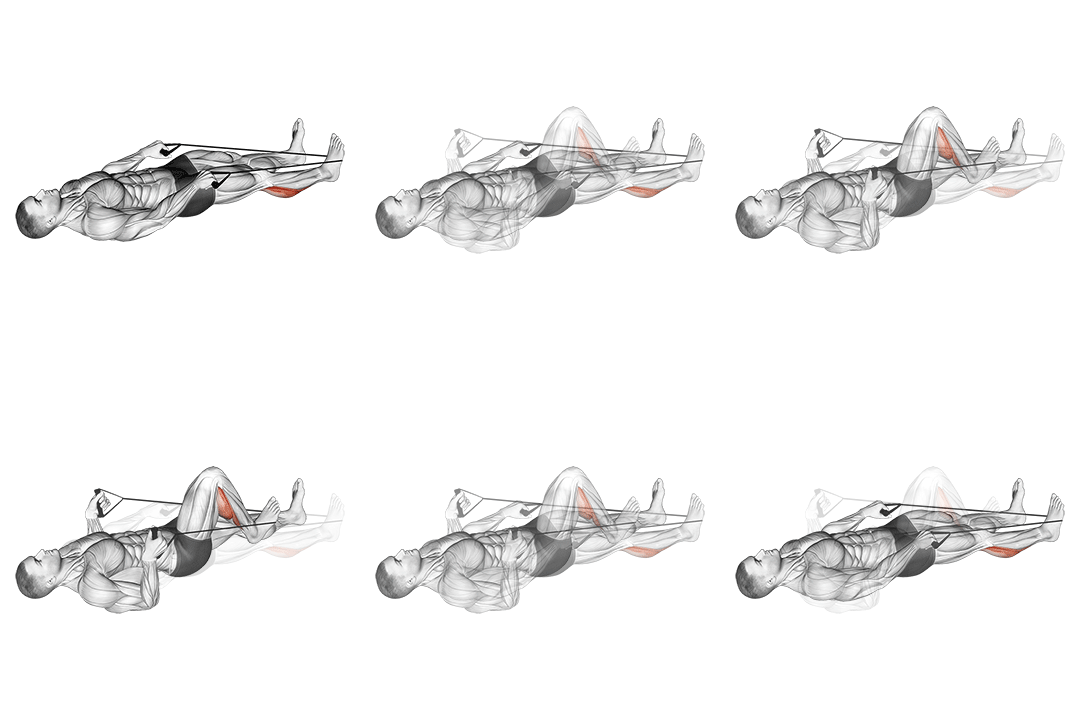
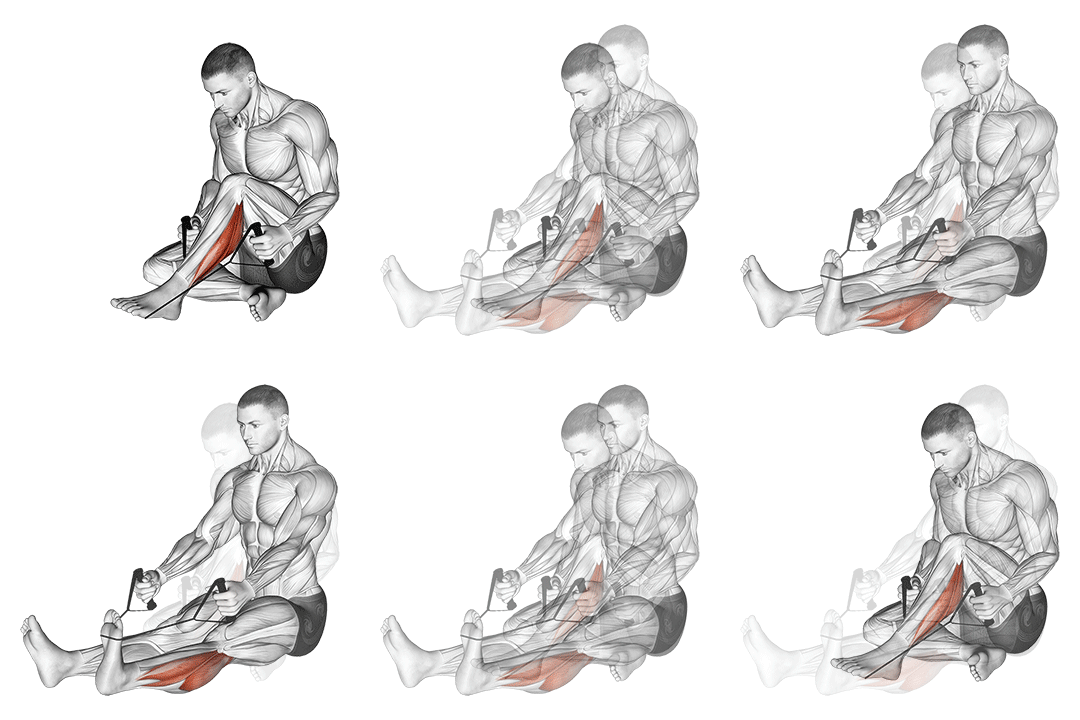
More comparisons with Band Single Leg Calf Raise
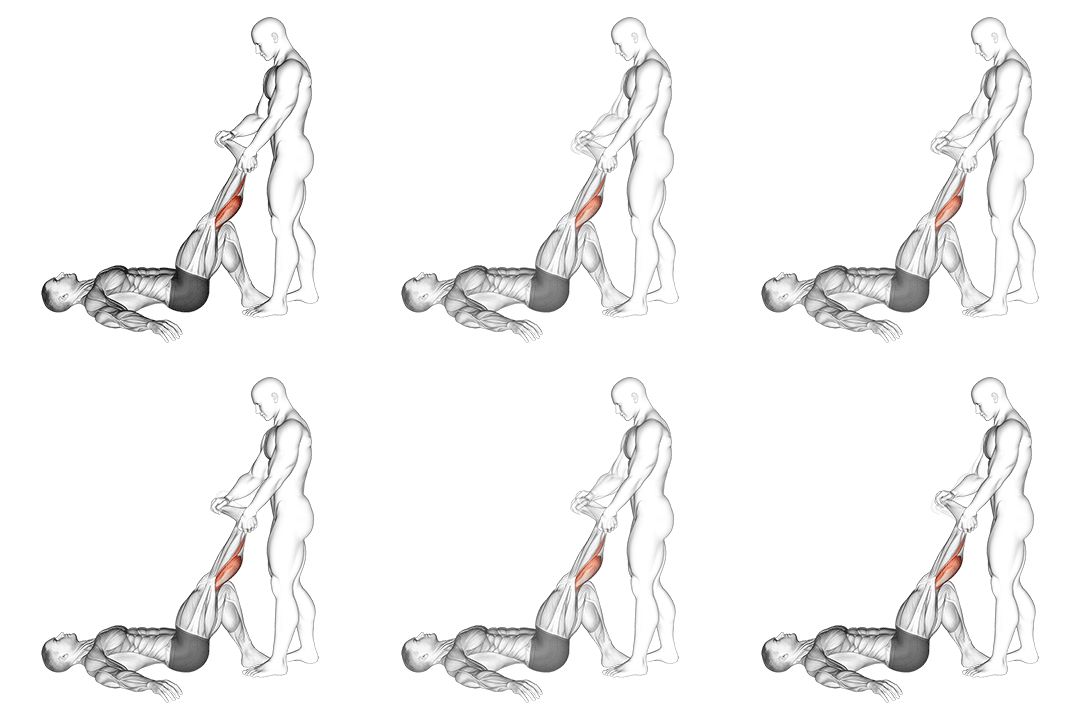
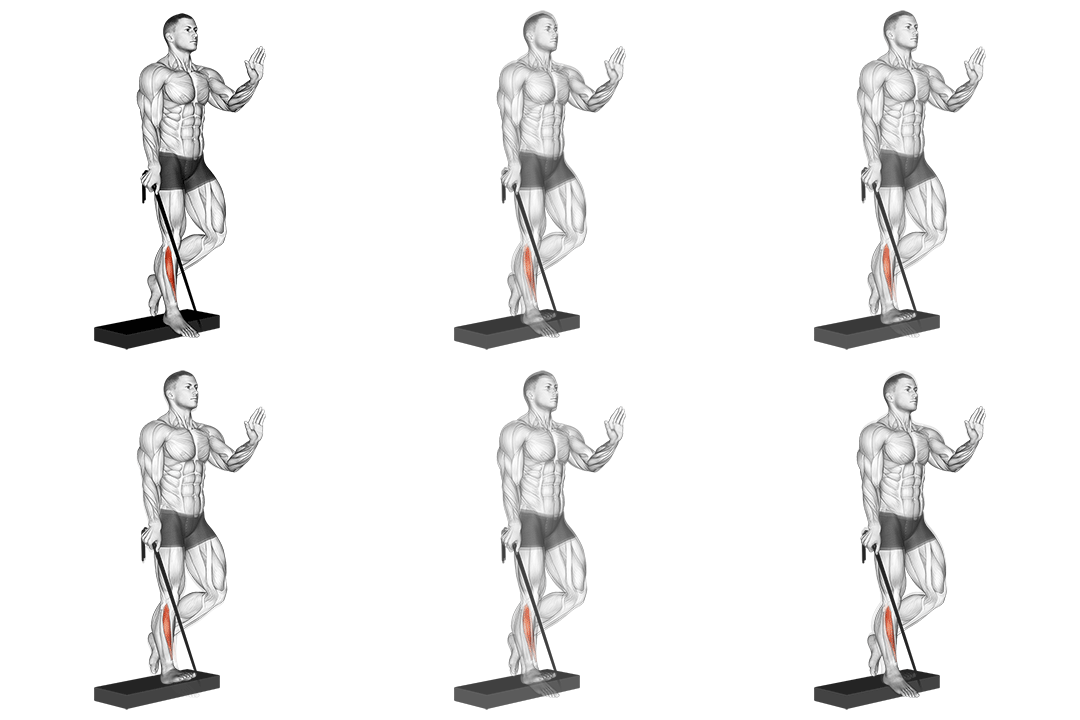

Compare More Exercises
Use our free comparison tool to analyze any two exercises head-to-head.
Compare Exercises