

Band Single Leg Reverse Calf Raise vs Barbell Floor Calf Raise: Complete Comparison Guide
Band Single Leg Reverse Calf Raise vs Barbell Floor Calf Raise — this head-to-head will help you choose the best calf isolation move for your goals. You’ll get a clear breakdown of muscle activation, equipment needs, learning curves, and progression options. I’ll cover biomechanics (length-tension, force vectors), give technique cues for each lift, and recommend rep ranges and programming so you can pick the exercise that maximizes muscle growth, strength, or convenience.
Exercise Comparison
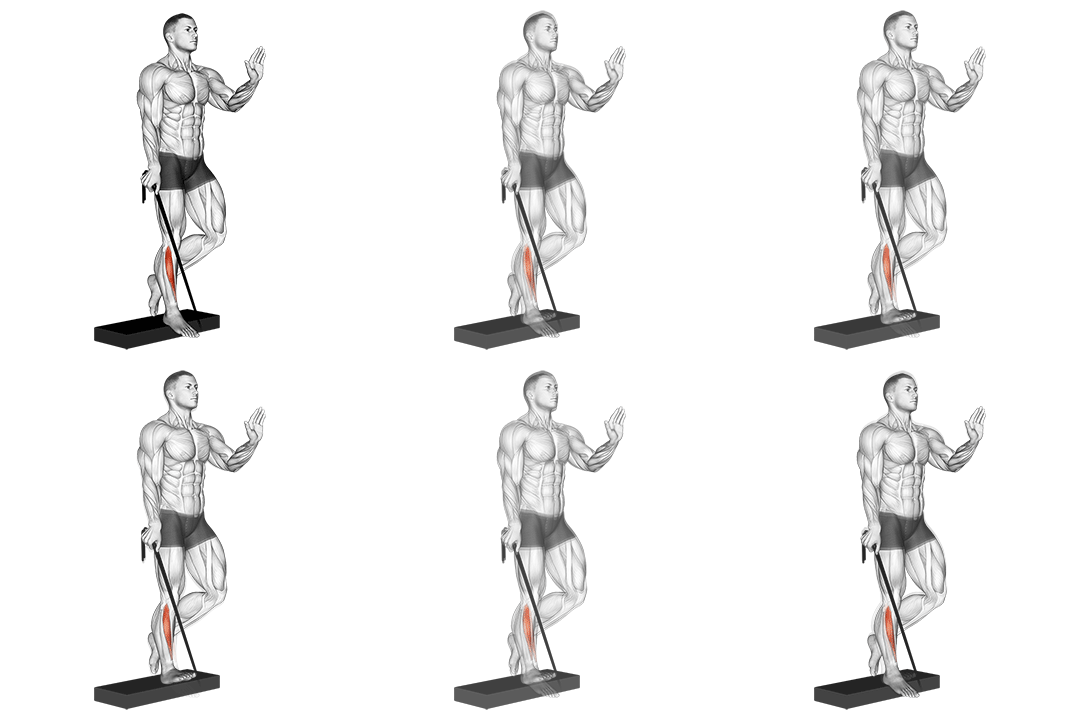
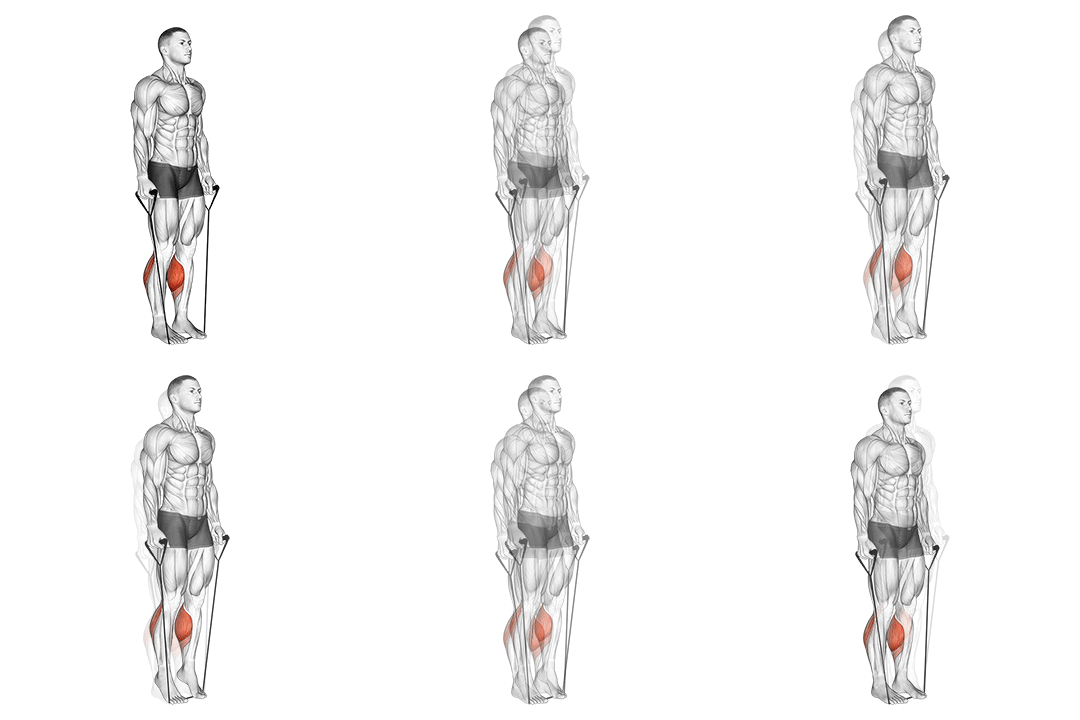
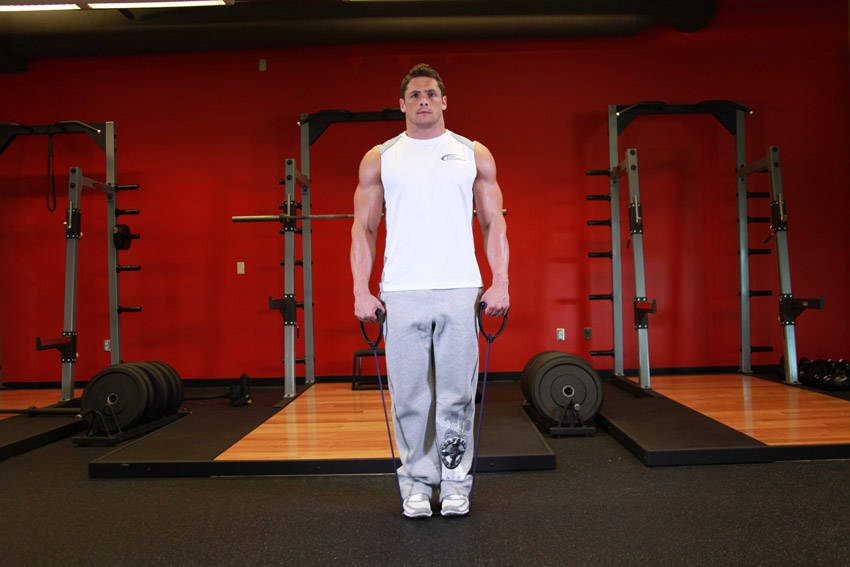
Band Single Leg Reverse Calf Raise
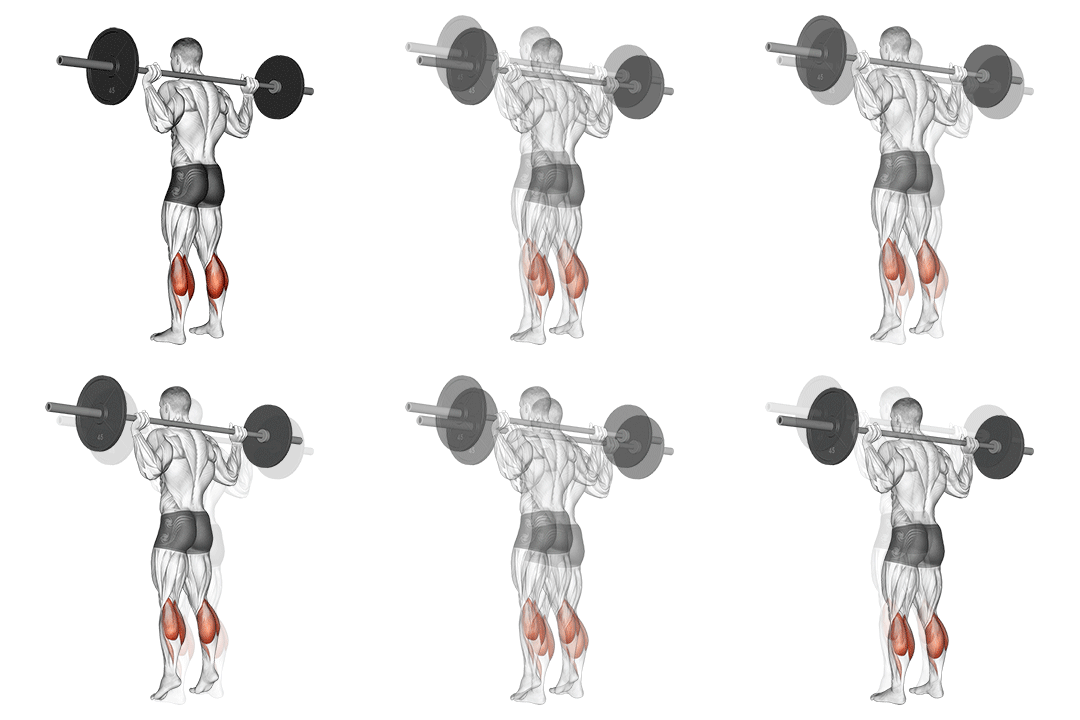
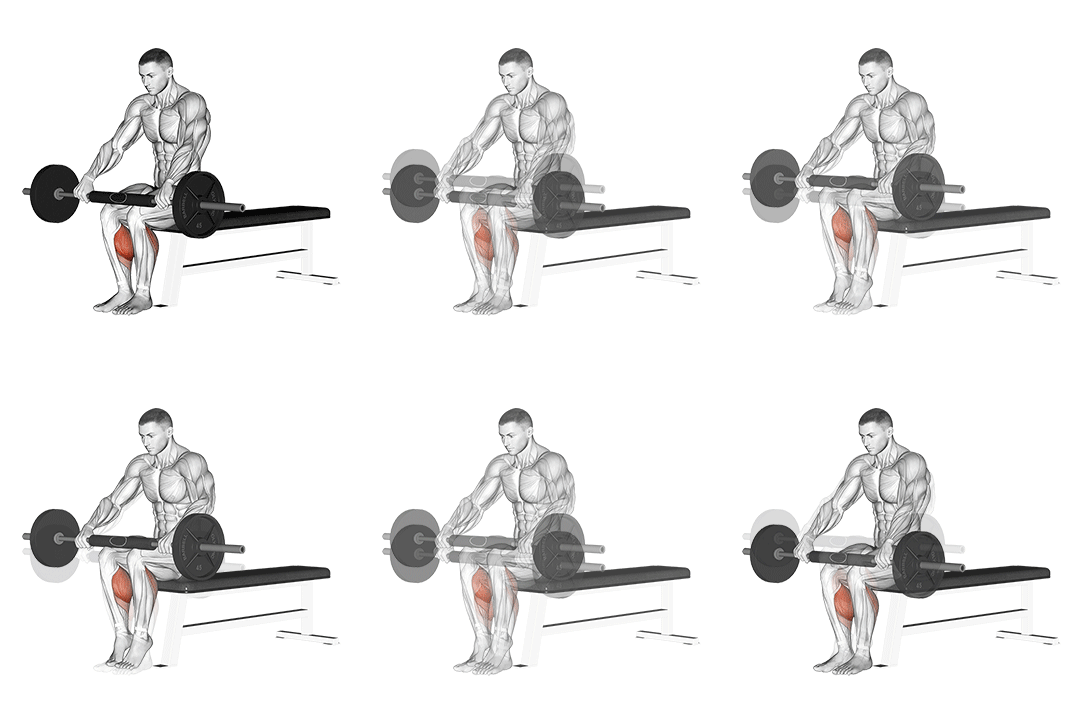
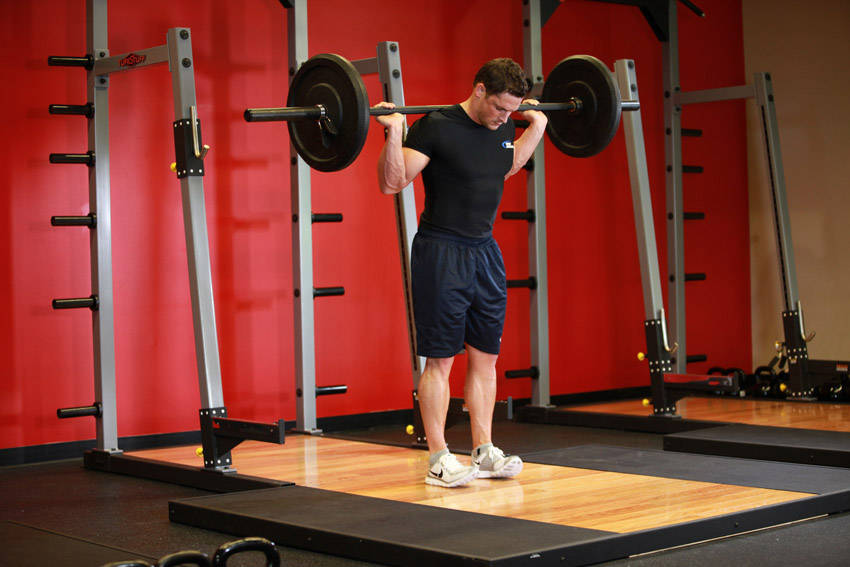
Barbell Floor Calf Raise
Head-to-Head Comparison
| Attribute | Band Single Leg Reverse Calf Raise | Barbell Floor Calf Raise |
|---|---|---|
| Target Muscle |
Calves
|
Calves
|
| Body Part |
Lower-legs
|
Lower-legs
|
| Equipment |
Band
|
Barbell
|
| Difficulty |
Beginner
|
Beginner
|
| Movement Type |
Isolation
|
Isolation
|
| Secondary Muscles |
2
|
1
|
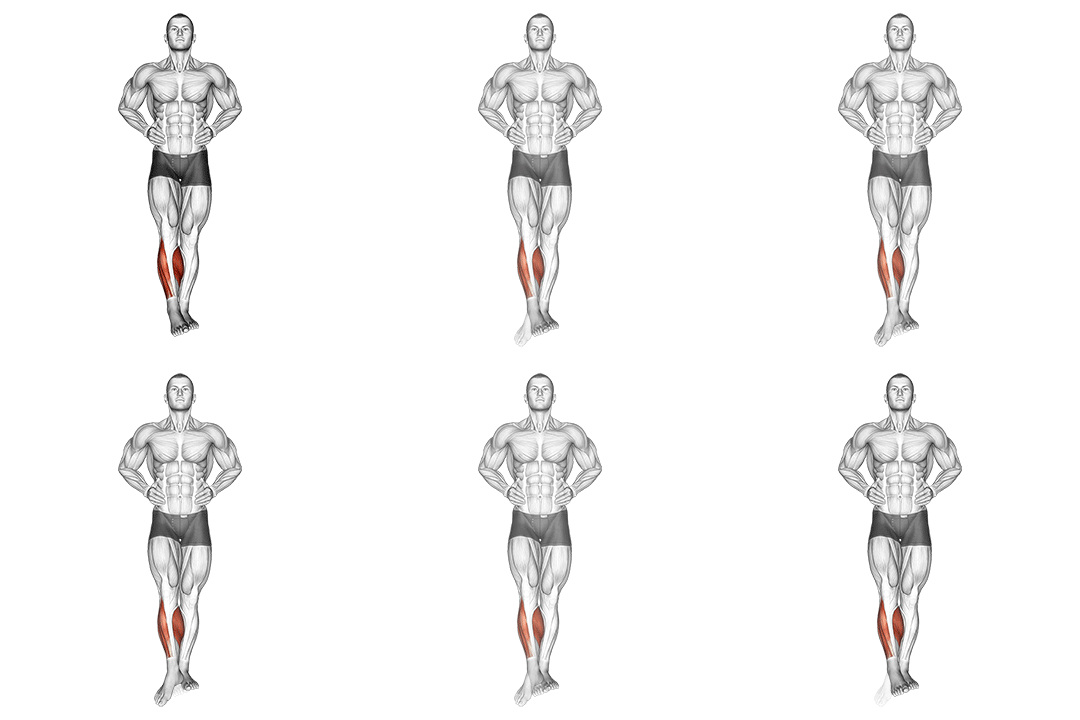
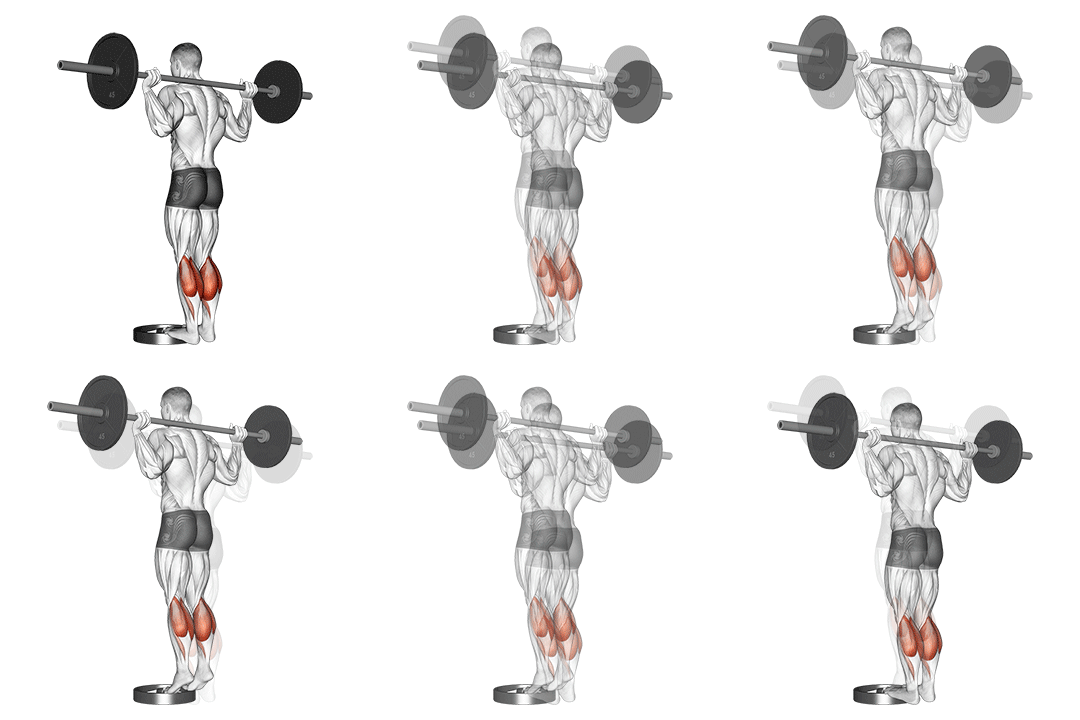
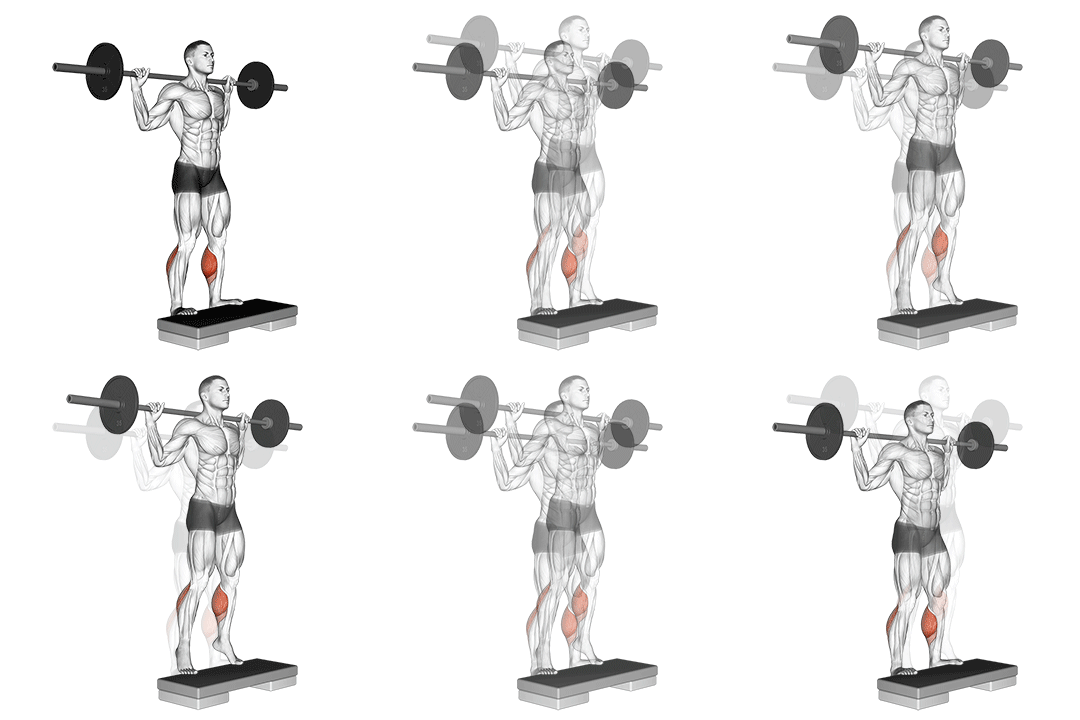
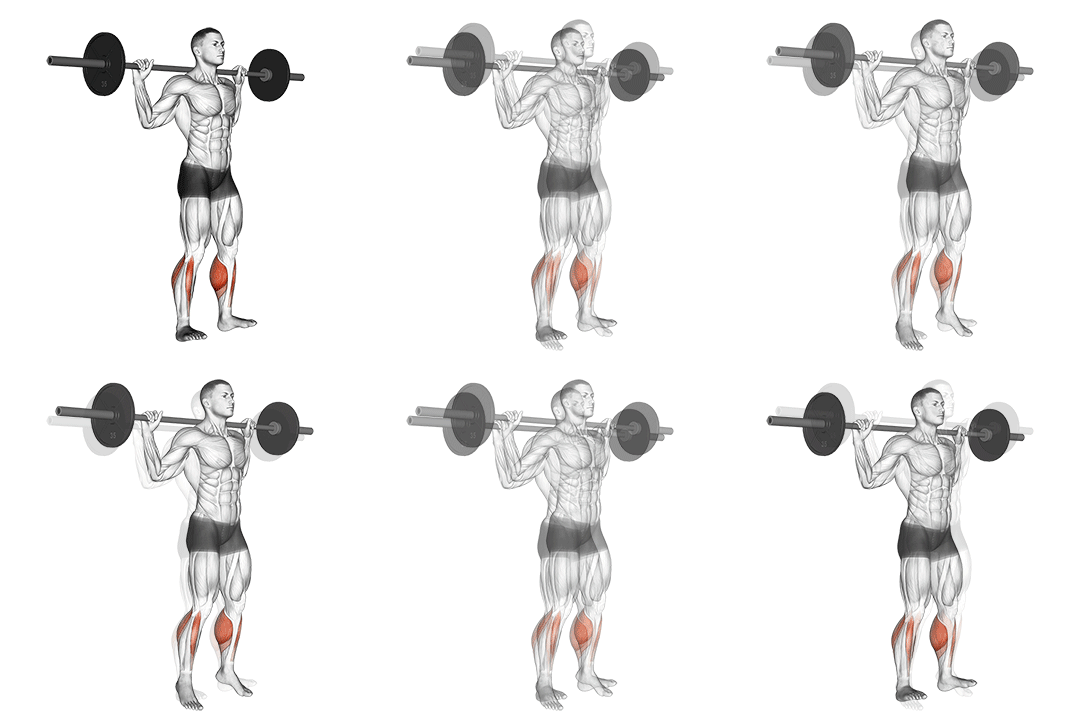
Secondary Muscles Activated
Band Single Leg Reverse Calf Raise
Barbell Floor Calf Raise
Visual Comparison
Overview
Band Single Leg Reverse Calf Raise vs Barbell Floor Calf Raise — this head-to-head will help you choose the best calf isolation move for your goals. You’ll get a clear breakdown of muscle activation, equipment needs, learning curves, and progression options. I’ll cover biomechanics (length-tension, force vectors), give technique cues for each lift, and recommend rep ranges and programming so you can pick the exercise that maximizes muscle growth, strength, or convenience.
Key Differences
- Equipment differs: Band Single Leg Reverse Calf Raise uses Band, while Barbell Floor Calf Raise requires Barbell.
Pros & Cons
Band Single Leg Reverse Calf Raise
+ Pros
- Portable, low cost equipment — train anywhere
- Unilateral work fixes side-to-side imbalances and increases neuromuscular control
- Rising elastic tension emphasizes end-range plantarflexion and peak contraction
- Lower absolute injury risk from heavy external load
− Cons
- Harder to precisely load progressive tension (no plates)
- Less absolute mechanical tension for maximal strength
- Balance requirement may limit reps if stability is poor
Barbell Floor Calf Raise
+ Pros
- Easy to quantify progressive overload with plates
- Higher absolute mechanical tension for strength and hypertrophy
- Stable bilateral setup allows heavier sets and low-rep strength work
- Simple movement pattern with straightforward loading
− Cons
- Requires barbell and plates — less accessible at home
- Heavier loads increase risk to Achilles and lower back if form fails
- Less unilateral stimulus to correct side-to-side imbalances
When Each Exercise Wins
Barbell Floor Calf Raise allows higher absolute mechanical tension and precise progressive overload (use 8–15 rep ranges). Greater external load recruits more high-threshold motor units, which supports muscle growth when volume and time under tension are controlled.
Strength responds to heavy, bilateral loading. The barbell lets you increase load in small increments and train lower-rep ranges (4–8 reps) to develop maximal plantarflexion torque and neural adaptations.
The band version requires minimal setup and teaches isolated plantarflexion with manageable load. It improves balance and unilateral control, which helps beginners build coordination before progressing to heavy loaded calves.
Bands are portable and low-cost, making single-leg band raises ideal for home training. You can maintain high training frequency and target peak contraction without plates or a barbell.
Frequently Asked Questions
Can I do both Band Single Leg Reverse Calf Raise and Barbell Floor Calf Raise in the same workout?
Yes. Do barbell raises first to target heavy bilateral strength (4–8 or 6–12 reps), then finish with band single-leg raises for unilateral volume and end-range contraction (12–20 reps). This pairing balances mechanical tension and metabolic stimulus.
Which exercise is better for beginners?
Band Single Leg Reverse Calf Raise is better for beginners because it uses light, adjustable resistance and improves balance and unilateral control. It reduces the risk associated with heavy loaded bars while teaching the plantarflexion pattern.
How do the muscle activation patterns differ?
Band single-leg work creates unilateral, variable-tension activation with rising force near end range, increasing motor unit recruitment during peak contraction. Barbell floor raises produce symmetric bilateral activation with higher absolute load, recruiting more high-threshold motor units under heavy external resistance.
Can Barbell Floor Calf Raise replace Band Single Leg Reverse Calf Raise?
Barbell raises can replace bands for strength and hypertrophy if you can load unilaterally or with high frequency, but they won’t target balance or correct side-to-side imbalances as effectively. For complete calf development, include unilateral band work alongside barbell loading.
Expert Verdict
Choose Band Single Leg Reverse Calf Raise if you need convenience, unilateral control, or are training at home — it improves balance, corrects asymmetries, and emphasizes end-range plantarflexion with low equipment needs. Choose Barbell Floor Calf Raise when your goal is maximal muscle growth or strength: it provides precise progressive overload and higher absolute mechanical tension. Program both: use barbell raises 1–2×/week for heavy sets (4–12 reps) and band single-leg work 1–2×/week for high-rep, unilateral volume and peak contraction.
Also Compare
More comparisons with Band Single Leg Reverse Calf Raise
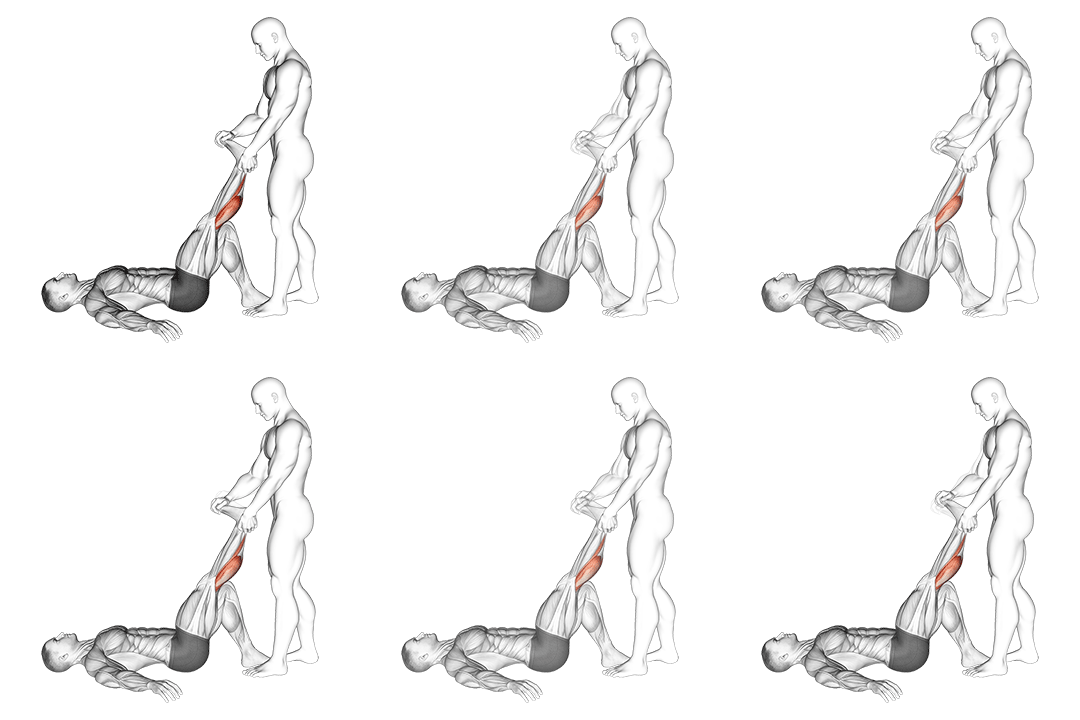
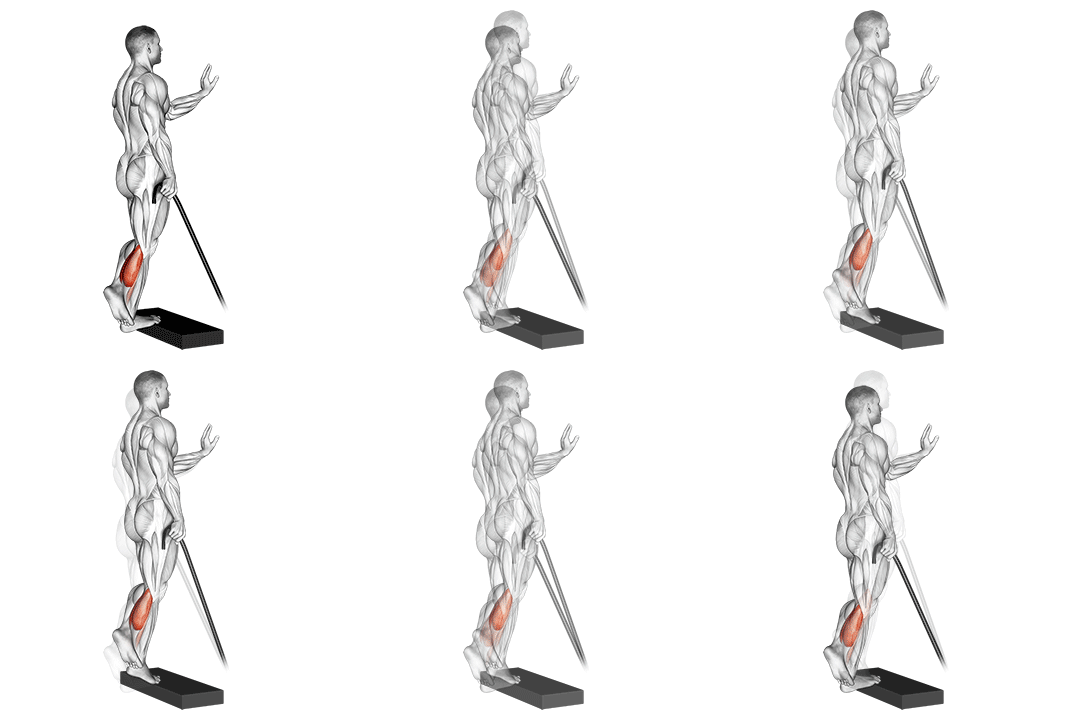
More comparisons with Barbell Floor Calf Raise
Compare More Exercises
Use our free comparison tool to analyze any two exercises head-to-head.
Compare Exercises