

Band Single Leg Reverse Calf Raise vs Calf Stretch With Rope: Complete Comparison Guide
Band Single Leg Reverse Calf Raise vs Calf Stretch With Rope — two beginner-friendly moves that target your calves but do very different jobs. If you want to build muscle, improve ankle strength, or relieve tightness, this comparison breaks down muscle activation, biomechanics, equipment needs, technique cues, and progressions so you can pick the right drill for your goal. You’ll get clear rep ranges, specific cues (ankle angle, toe position, tempo), and actionable recommendations so you know exactly when to use each exercise in your training plan.
Exercise Comparison
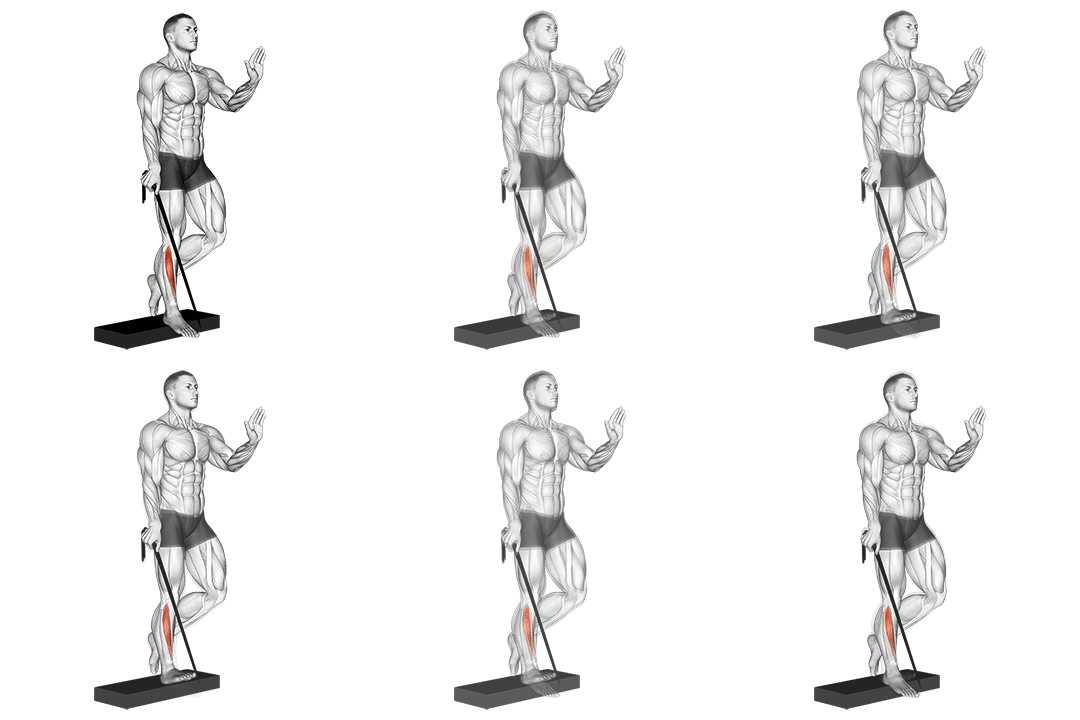
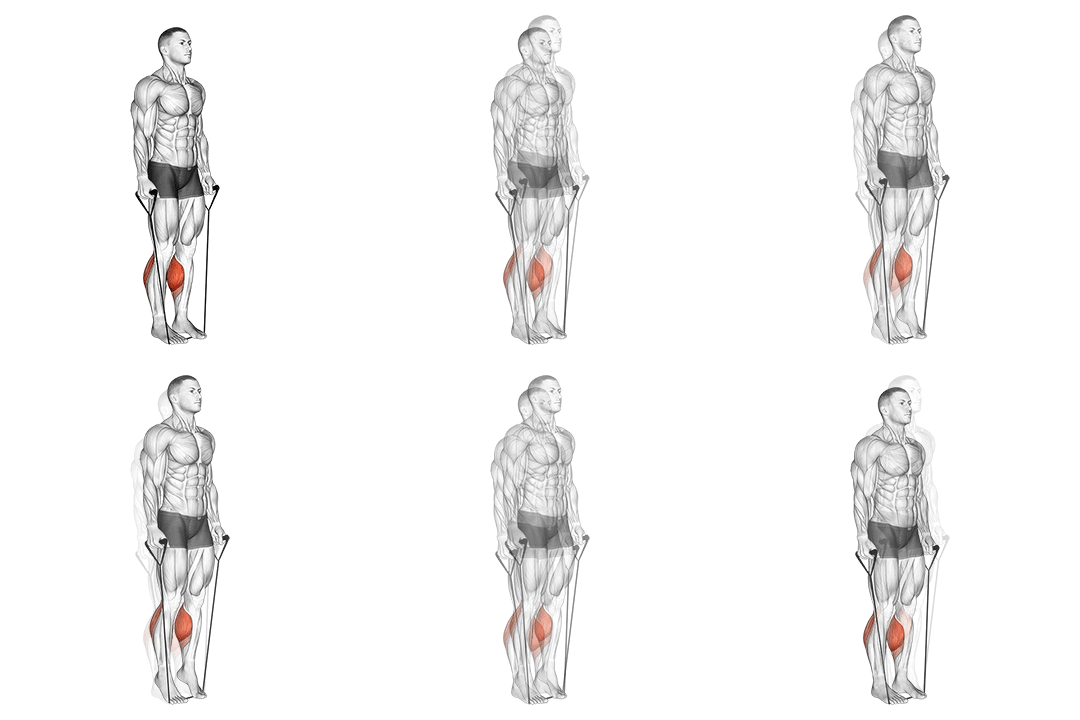
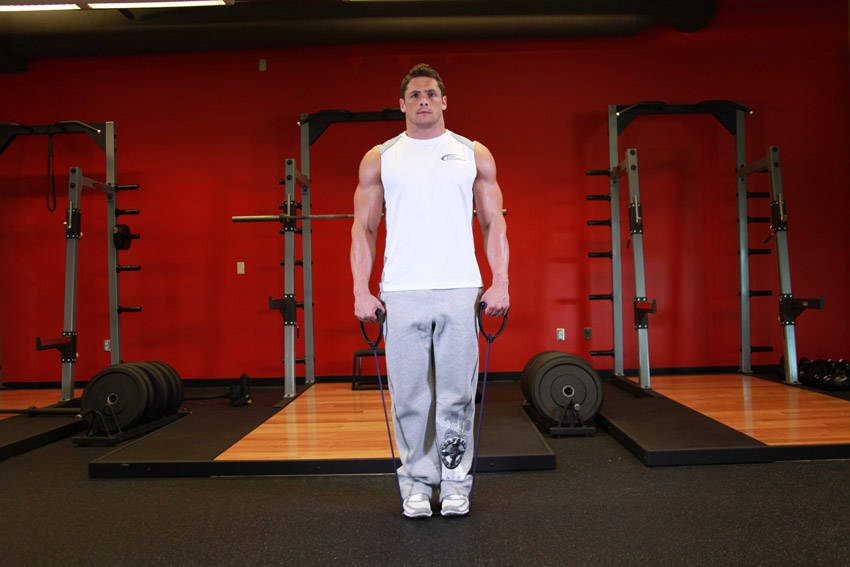
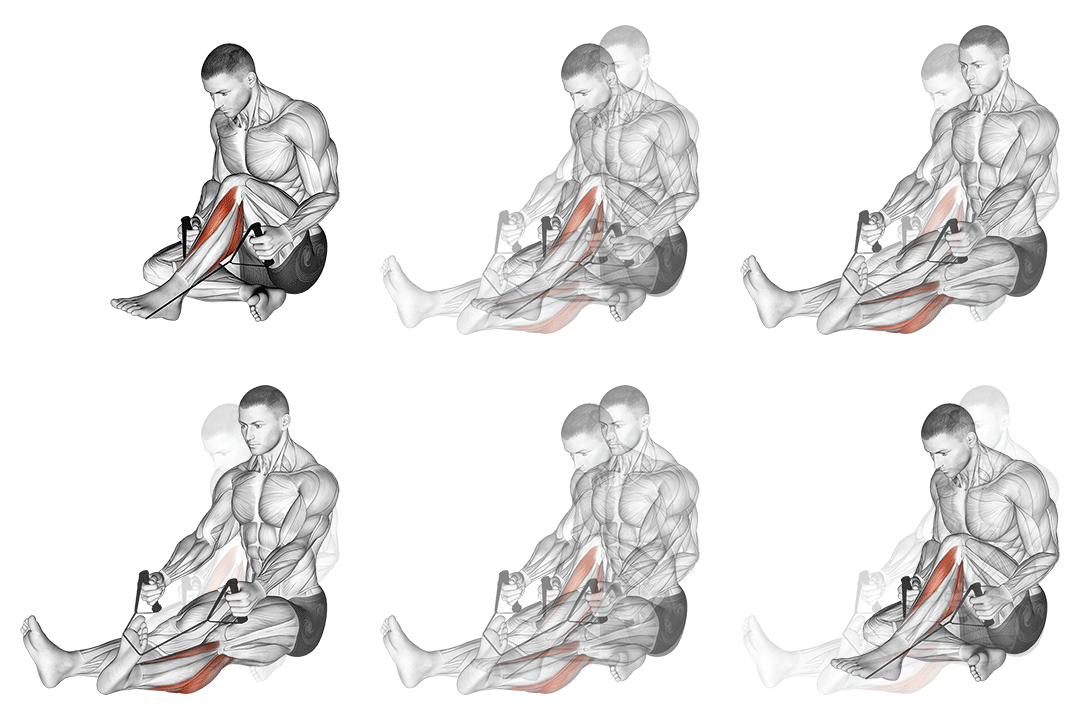
Band Single Leg Reverse Calf Raise
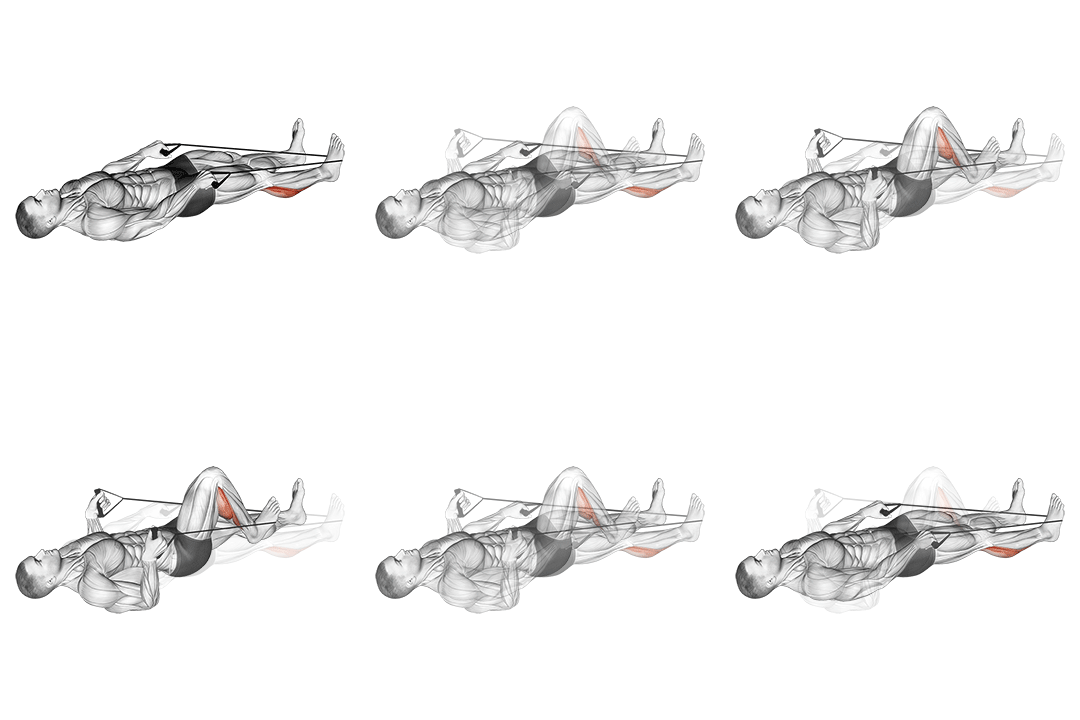
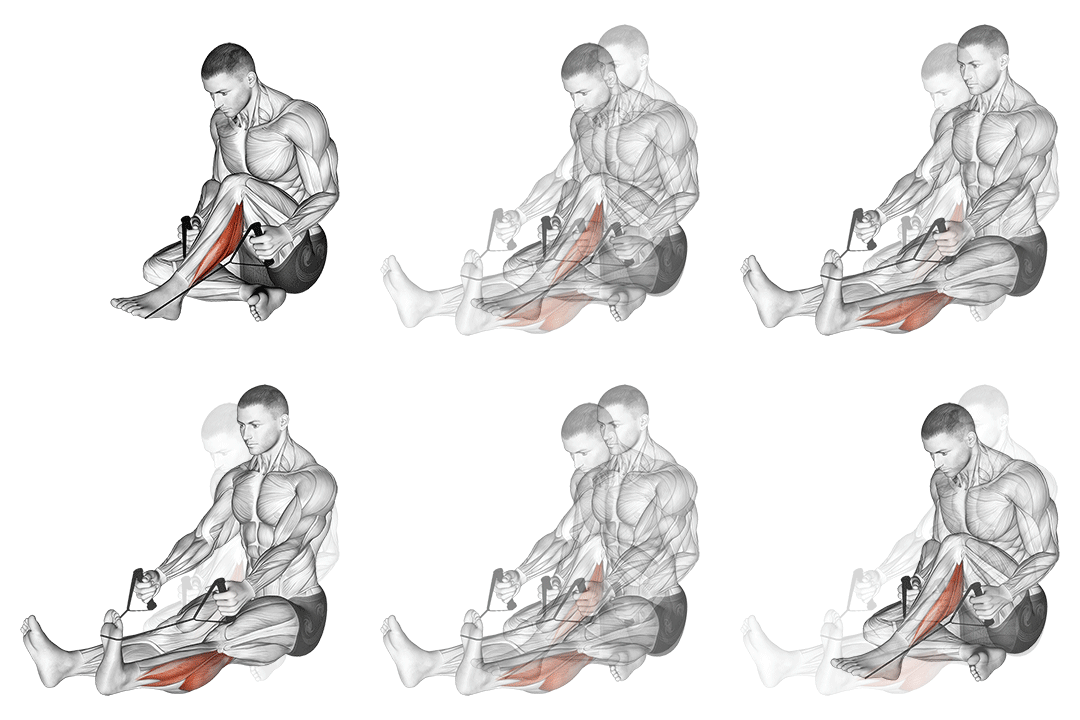
Calf Stretch With Rope
Head-to-Head Comparison
| Attribute | Band Single Leg Reverse Calf Raise | Calf Stretch With Rope |
|---|---|---|
| Target Muscle |
Calves
|
Calves
|
| Body Part |
Lower-legs
|
Lower-legs
|
| Equipment |
Band
|
Rope
|
| Difficulty |
Beginner
|
Beginner
|
| Movement Type |
Isolation
|
Isolation
|
| Secondary Muscles |
2
|
1
|
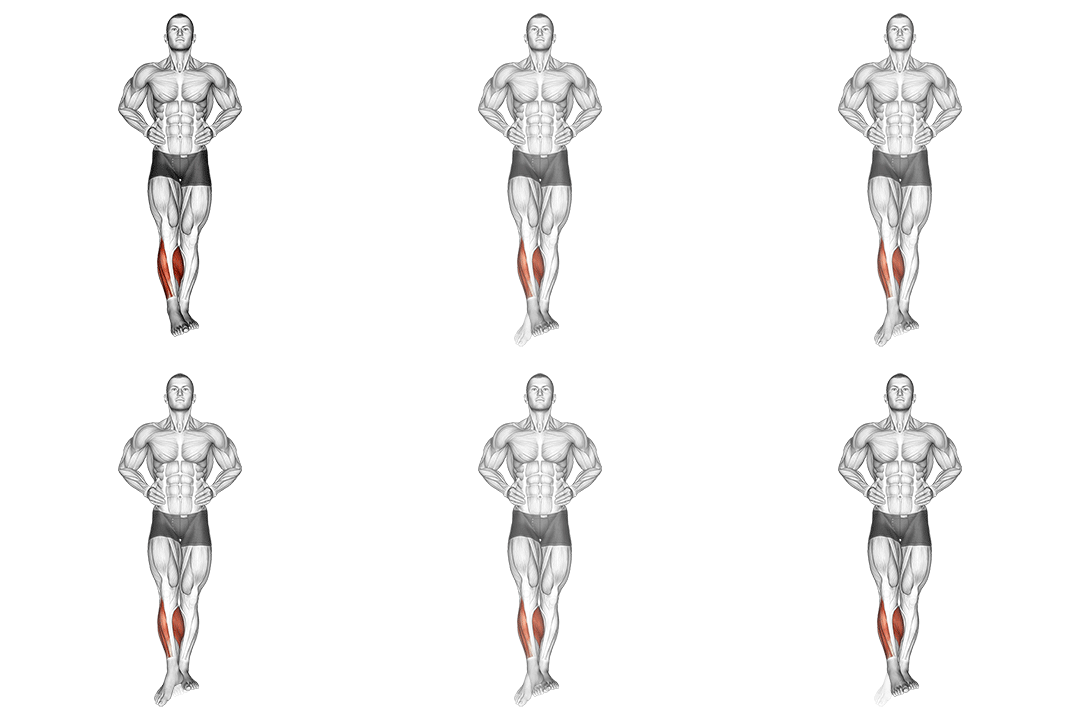
Secondary Muscles Activated
Band Single Leg Reverse Calf Raise
Calf Stretch With Rope
Visual Comparison
Overview
Band Single Leg Reverse Calf Raise vs Calf Stretch With Rope — two beginner-friendly moves that target your calves but do very different jobs. If you want to build muscle, improve ankle strength, or relieve tightness, this comparison breaks down muscle activation, biomechanics, equipment needs, technique cues, and progressions so you can pick the right drill for your goal. You’ll get clear rep ranges, specific cues (ankle angle, toe position, tempo), and actionable recommendations so you know exactly when to use each exercise in your training plan.
Key Differences
- Equipment differs: Band Single Leg Reverse Calf Raise uses Band, while Calf Stretch With Rope requires Rope.
Pros & Cons
Band Single Leg Reverse Calf Raise
+ Pros
- Active resistance builds calf strength and muscle growth (use 8–20 reps)
- Single-leg stance trains balance and recruits hamstrings/glutes for stabilization
- Easy to progress by increasing band tension or tempo
- Teaches controlled eccentric loading, improving tendon resilience
− Cons
- Requires balance and coordination on one leg
- Can stress the Achilles or ankle if overloaded without control
- Limited maximal load compared to weighted calf raises without stronger bands
Calf Stretch With Rope
+ Pros
- Targets end-range dorsiflexion and improves ankle mobility (hold 30–60s)
- Low technical demand — good early-stage or rehab option
- Minimal equipment and very low-impact
- Reduces passive calf tightness and improves length-tension relationships
− Cons
- Provides little concentric force for strength or hypertrophy
- Progressions are limited to duration or angle, not load
- May feel uncomfortable at end-range for those with Achilles issues
When Each Exercise Wins
The active, loaded contractions of the band raise create mechanical tension across the gastrocnemius and soleus. Use higher reps (10–20) with controlled eccentrics and progressive band tension to drive muscle growth.
Strength requires force production under load; the band exercise lets you apply concentric and eccentric resistance and manipulate tempo. Progress by increasing band resistance or reducing assistance to build maximal plantarflexion force.
The rope stretch is simpler to perform and teaches safe end-range dorsiflexion without requiring balance or heavy loading. It’s ideal for mobility foundation before introducing single-leg loaded work.
Bands are portable and inexpensive, and the single-leg raise covers strength, balance, and some mobility in one movement — making it more versatile for limited-gear home sessions.
Frequently Asked Questions
Can I do both Band Single Leg Reverse Calf Raise and Calf Stretch With Rope in the same workout?
Yes. Do the band reverse raises first for active loading (3–4 sets of 8–20 reps), then use the rope stretch as a cool-down or mobility finisher for 30–60 seconds per side to improve dorsiflexion and reduce stiffness.
Which exercise is better for beginners?
For absolute beginners, the rope stretch is simpler and lower risk because it doesn’t require single-leg balance or active loading. Use it to build ankle mobility, then introduce the band raise once you can control your balance.
How do the muscle activation patterns differ?
The band raise produces active concentric and eccentric activation in the gastrocnemius and soleus across ~10–20° of ankle motion, while the rope stretch creates passive lengthening with low EMG but high strain at end-range, improving length-tension relationships rather than generating force.
Can Calf Stretch With Rope replace Band Single Leg Reverse Calf Raise?
No, not for strength or hypertrophy. The rope stretch improves mobility but lacks progressive overload. Use the stretch to complement the band raise, not as a direct replacement for strength-focused sessions.
Expert Verdict
Use the Band Single Leg Reverse Calf Raise when your goal is strength, muscle growth, or improving single-leg control. It gives measurable progressive overload and trains the calf through active concentric and eccentric phases. Choose the Calf Stretch With Rope when your priority is ankle mobility, reducing passive tightness, or when you’re new to training and need a low-skill option. For most programs, pair them: perform band raises for 8–20 reps across 3–4 sets, and finish with 30–60 second rope stretches to improve dorsiflexion and recovery.
Also Compare
More comparisons with Band Single Leg Reverse Calf Raise
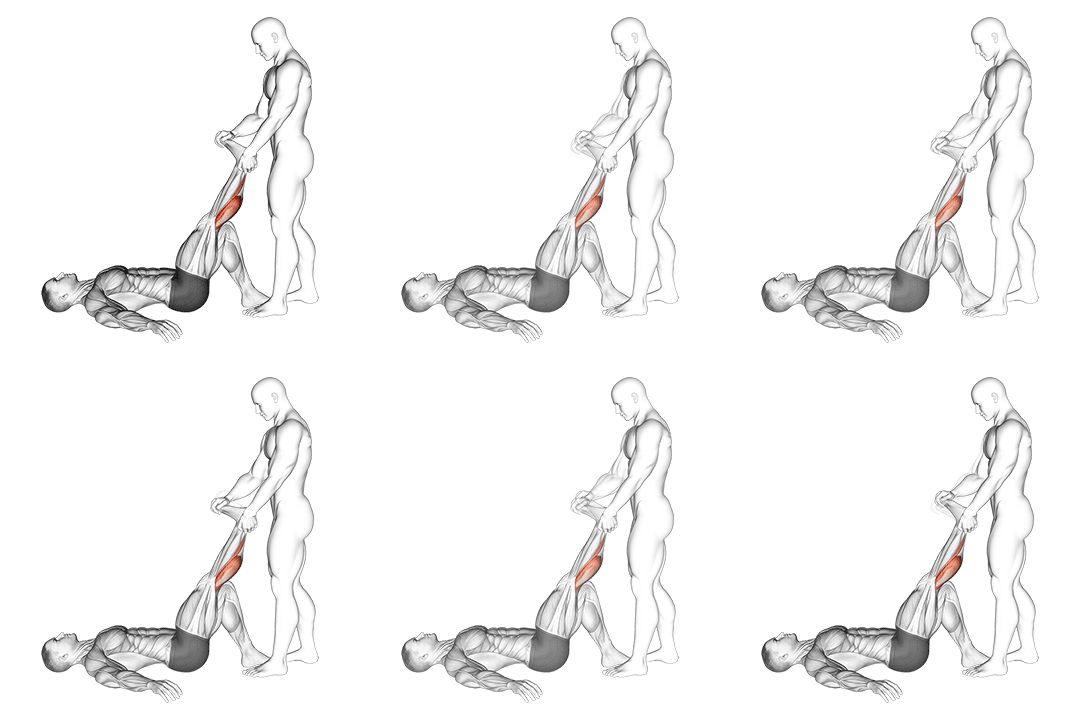
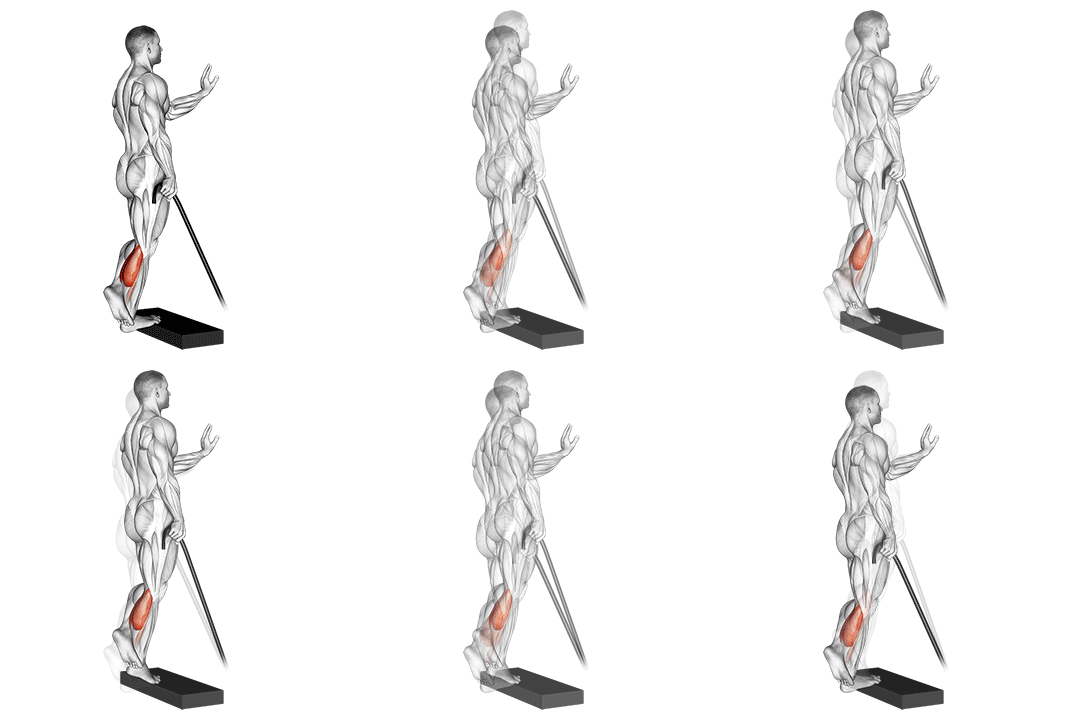
More comparisons with Calf Stretch With Rope
Compare More Exercises
Use our free comparison tool to analyze any two exercises head-to-head.
Compare Exercises