

Band Single Leg Reverse Calf Raise vs Posterior Tibialis Stretch: Complete Comparison Guide
Band Single Leg Reverse Calf Raise vs Posterior Tibialis Stretch — you’re picking between an isolation resistance move and a targeted mobility technique. I’ll walk you through what each one trains, how they load the calf complex, the biomechanics behind the movement, concrete technique cues, rep ranges, and which to pick for strength, hypertrophy, rehab, or general mobility. Read on and you’ll have a clear plan: exact cues to perform each drill, the muscles they stress, progression options, and simple tests to choose the right one for your program.
Exercise Comparison
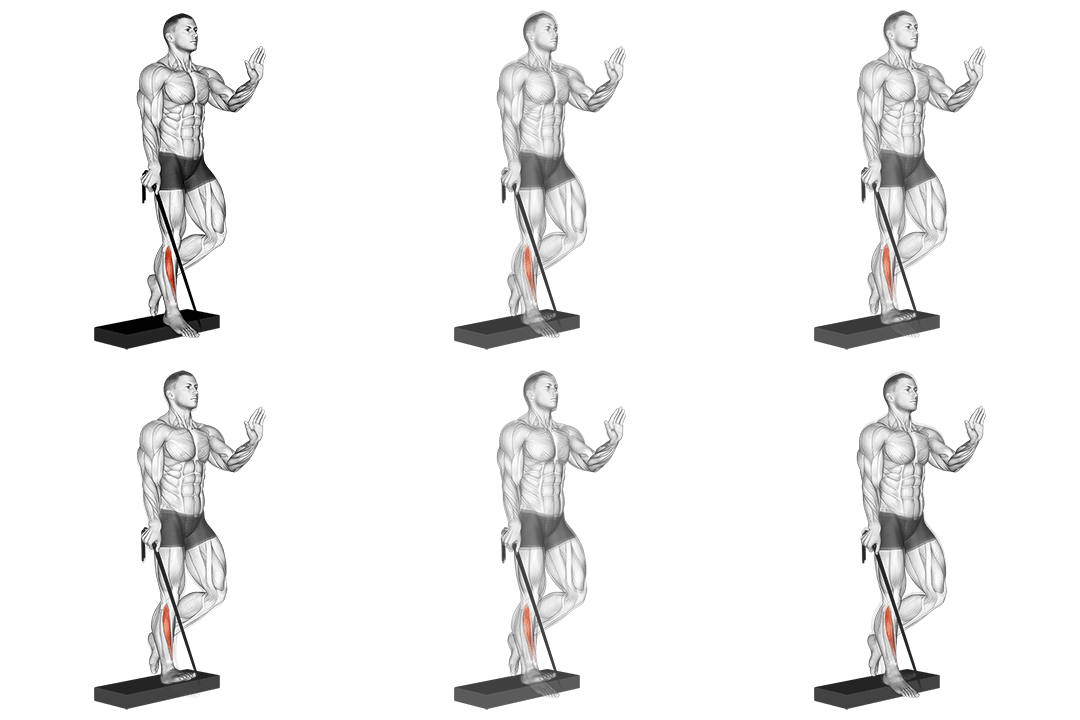
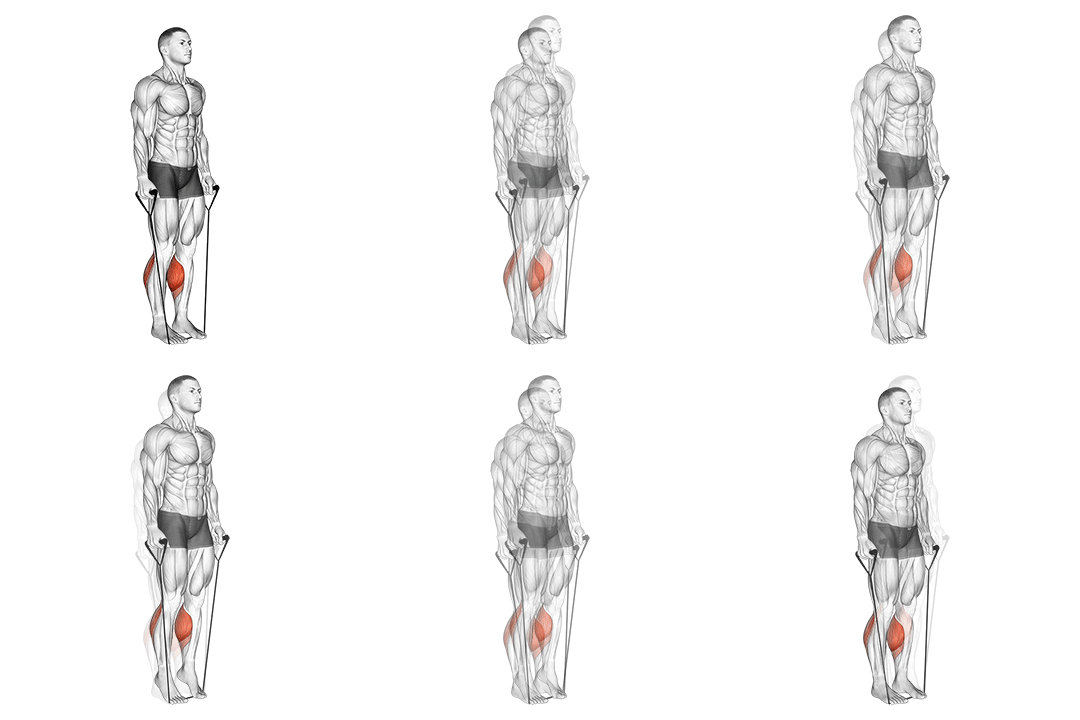
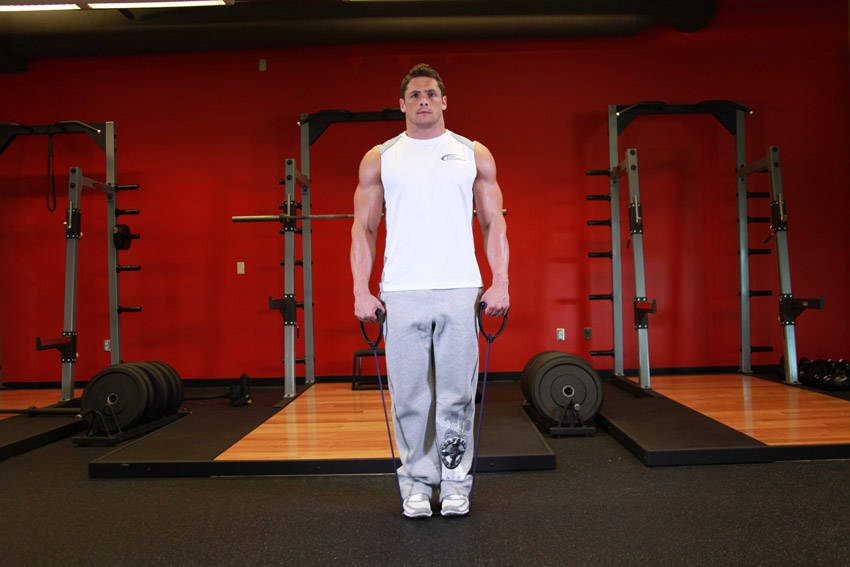
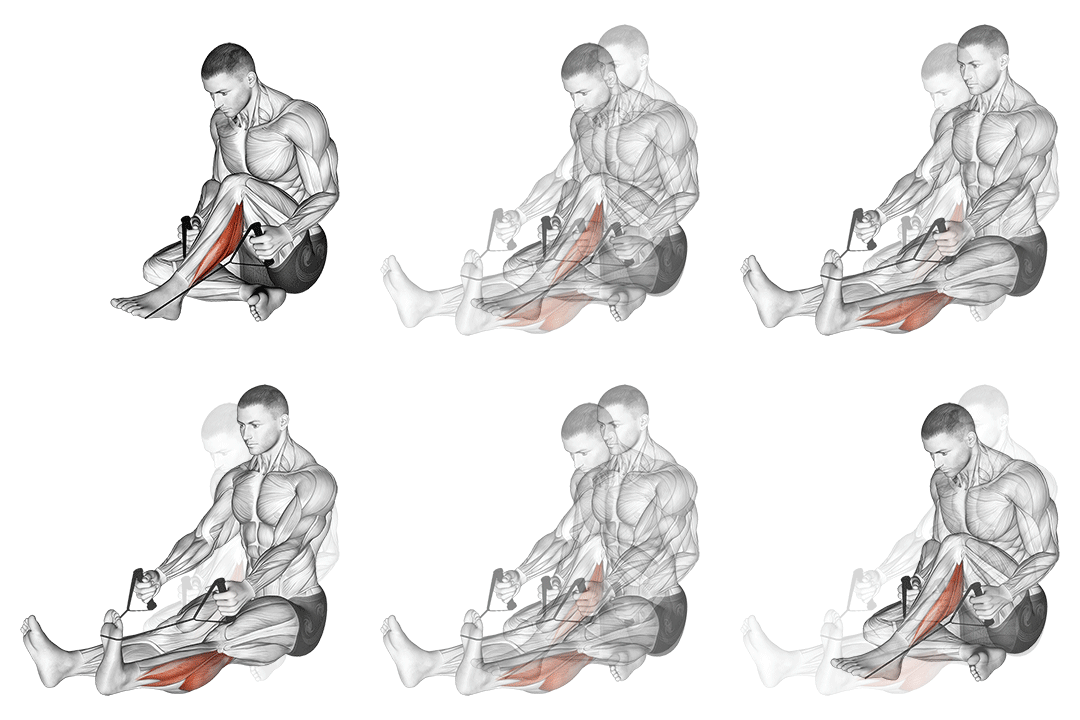
Band Single Leg Reverse Calf Raise
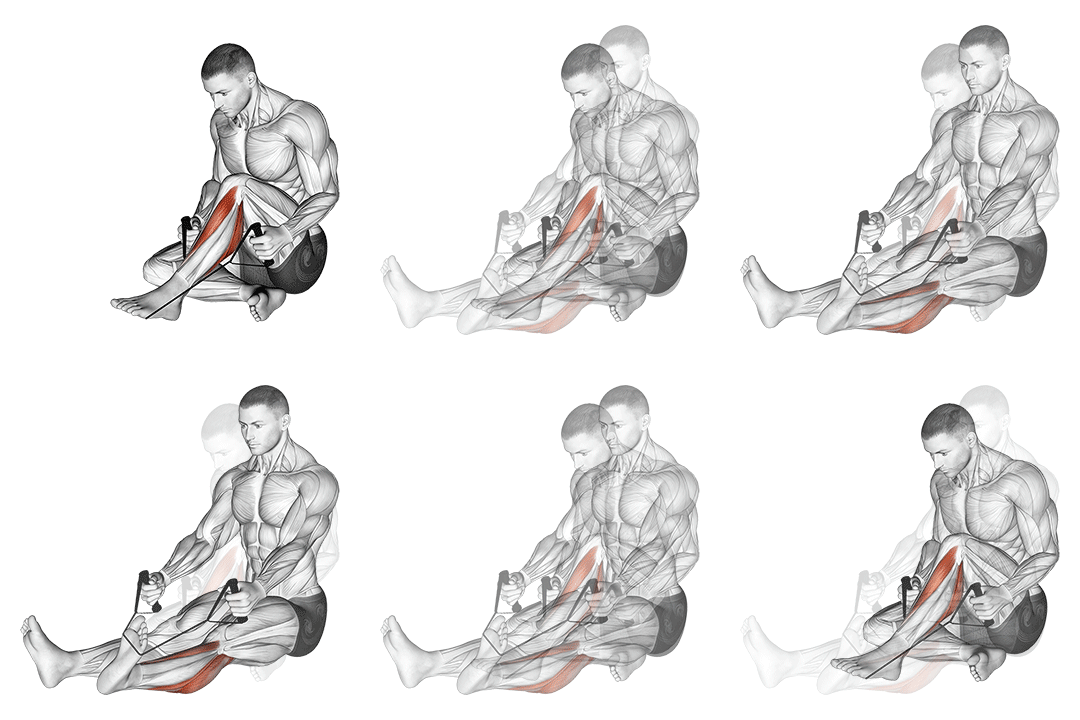
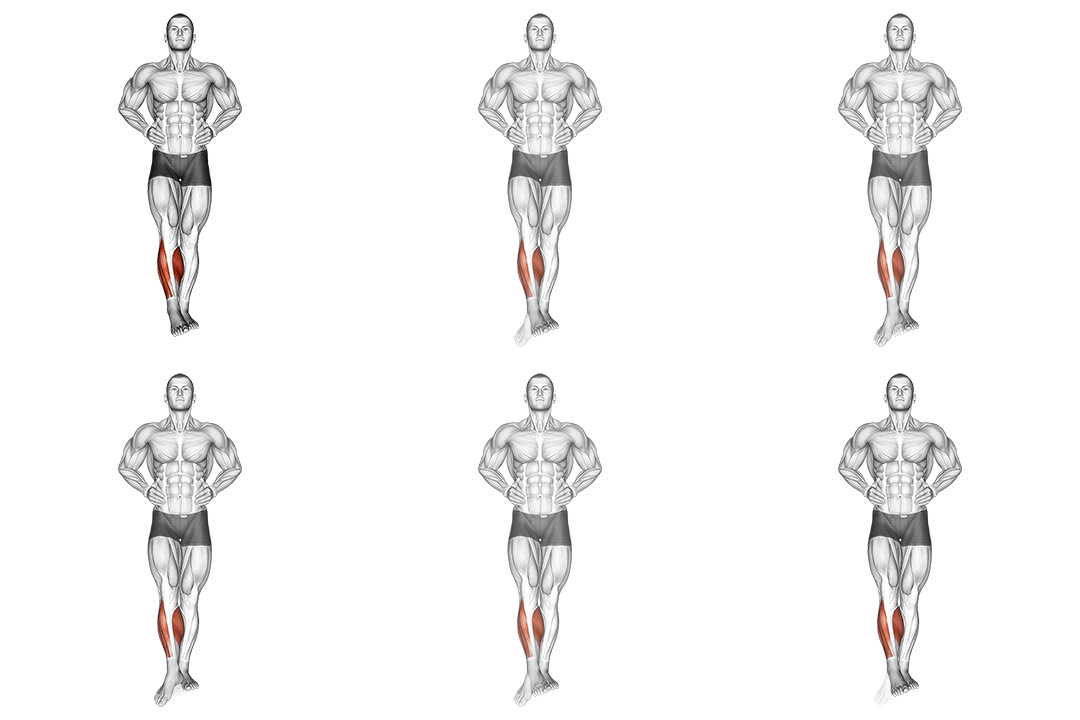
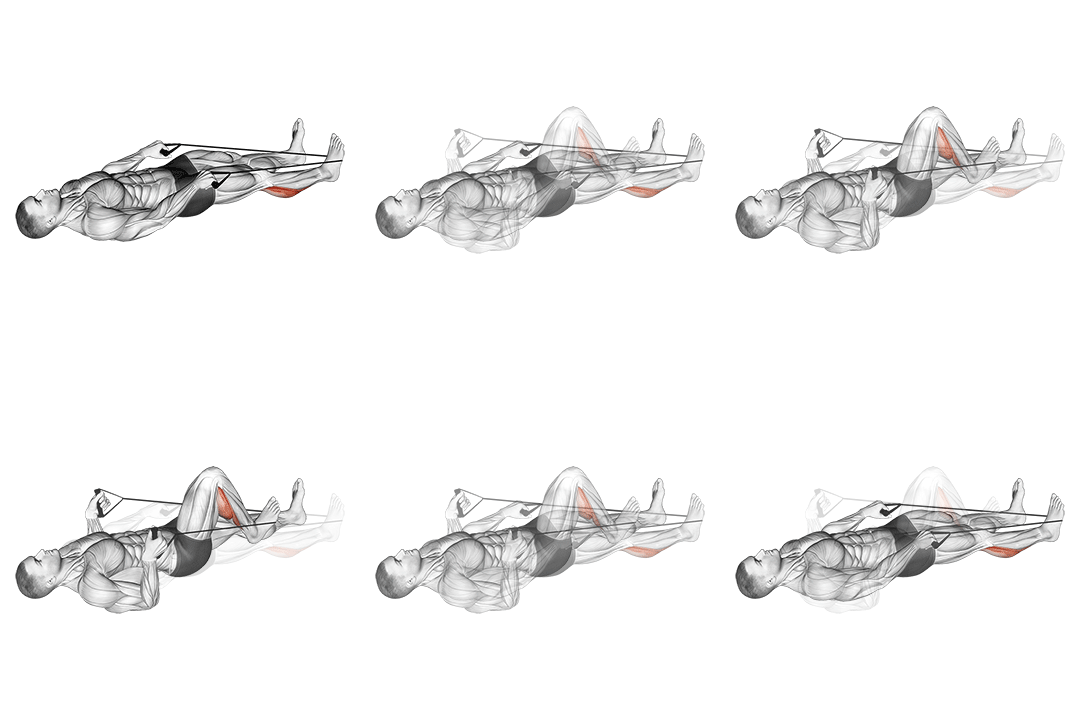
Posterior Tibialis Stretch
Head-to-Head Comparison
| Attribute | Band Single Leg Reverse Calf Raise | Posterior Tibialis Stretch |
|---|---|---|
| Target Muscle |
Calves
|
Calves
|
| Body Part |
Lower-legs
|
Lower-legs
|
| Equipment |
Band
|
Rope
|
| Difficulty |
Beginner
|
Beginner
|
| Movement Type |
Isolation
|
Isolation
|
| Secondary Muscles |
2
|
2
|
Secondary Muscles Activated
Band Single Leg Reverse Calf Raise
Posterior Tibialis Stretch
Visual Comparison
Overview
Band Single Leg Reverse Calf Raise vs Posterior Tibialis Stretch — you’re picking between an isolation resistance move and a targeted mobility technique. I’ll walk you through what each one trains, how they load the calf complex, the biomechanics behind the movement, concrete technique cues, rep ranges, and which to pick for strength, hypertrophy, rehab, or general mobility. Read on and you’ll have a clear plan: exact cues to perform each drill, the muscles they stress, progression options, and simple tests to choose the right one for your program.
Key Differences
- Equipment differs: Band Single Leg Reverse Calf Raise uses Band, while Posterior Tibialis Stretch requires Rope.
Pros & Cons
Band Single Leg Reverse Calf Raise
+ Pros
- Direct active loading of gastrocnemius and soleus for muscle growth and strength
- Single-leg stance improves balance and recruits hamstrings/glutes for stabilization
- Easy progressive overload via heavier bands, tempo, or higher reps (8–25 reps)
- Portable and low-cost equipment; good for home programs
− Cons
- Requires balance and coordination, which can limit early load
- If performed with poor control, can overload Achilles tendon
- Less effective for improving dorsiflexion and passive calf length
Posterior Tibialis Stretch
+ Pros
- Targets deep posterior tibialis and reduces passive stiffness for better dorsiflexion
- Low-intensity and low-risk when performed gently; suitable for rehab
- Simple to perform with a rope or strap and minimal instruction
- Improves mobility that transfers to squats and gait by increasing ankle ROM
− Cons
- Passive stretch does not provide hypertrophic stimulus or significant strength gains
- Harder to target only posterior tibialis without correct foot positioning (eversion + dorsiflexion)
- Progression is limited compared to resistance options — mostly duration and end-range depth
When Each Exercise Wins
The band raise produces active mechanical tension on gastrocnemius and soleus — the primary driver for hypertrophy. With progressive overload (8–15 heavy reps or 12–25 for higher volume) and controlled eccentrics you stimulate muscle fiber remodeling; a passive stretch won’t create the same stimulus.
Strength improves when you produce force through the range; the band raise provides concentric and eccentric loading and allows resistance scaling. Single-leg loading also increases neural drive and stability, translating to better plantarflexion torque under functional conditions.
Beginners often need mobility and safe exposure before heavy loading. The posterior tibialis stretch teaches ankle dorsiflexion and reduces stiffness with minimal motor demands, making it a safer first step before adding single-leg resistance work.
Bands are inexpensive and versatile, so the band raise fits home setups perfectly. It combines strength, balance, and progressive overload without needing specialized clinic tools, whereas the stretch can be done too but offers less training return when you only have limited time.
Frequently Asked Questions
Can I do both Band Single Leg Reverse Calf Raise and Posterior Tibialis Stretch in the same workout?
Yes — perform the Posterior Tibialis Stretch as a mobility primer (30–60 s per side) before loading, then follow with band single-leg raises. Improved dorsiflexion from the stretch can enhance range and muscle recruitment during the raises, and sequencing reduces injury risk.
Which exercise is better for beginners?
Start with the Posterior Tibialis Stretch to build safe ankle mobility and reduce passive stiffness. Once you have basic dorsiflexion and balance, introduce the Band Single Leg Reverse Calf Raise with light resistance and focus on controlled eccentrics.
How do the muscle activation patterns differ?
The band raise produces active concentric and eccentric activation of gastrocnemius and soleus with peak torque near mid-plantarflexion, recruiting stabilizers (hamstrings/glutes) during single-leg stance. The stretch passively lengthens posterior tibialis and deep plantar flexors, increasing passive tension and shifting the length-tension relationship without strong voluntary contraction.
Can Posterior Tibialis Stretch replace Band Single Leg Reverse Calf Raise?
No — the stretch improves mobility but does not replace the active loading needed for strength or muscle growth. Use the stretch to improve ROM and then load the calf with the band raise for progressive strength and hypertrophy adaptations.
Expert Verdict
Use the Band Single Leg Reverse Calf Raise when your goal is to build calf strength, increase muscle size, or improve single-leg stability. Focus on 8–15 heavy reps or 12–20 for higher volume, control the eccentric for 2–3 seconds, and keep a slight knee bend to load soleus or straighten the knee to bias gastrocnemius. Use the Posterior Tibialis Stretch when you need ankle dorsiflexion, tendon mobility, or are rehabbing posterior tibialis issues — hold 30–90 seconds with the foot everted and gentle dorsiflexion. Combine both across a program: stretch to improve ROM, then load with the band raise to exploit improved length-tension and better force production.
Also Compare
More comparisons with Band Single Leg Reverse Calf Raise
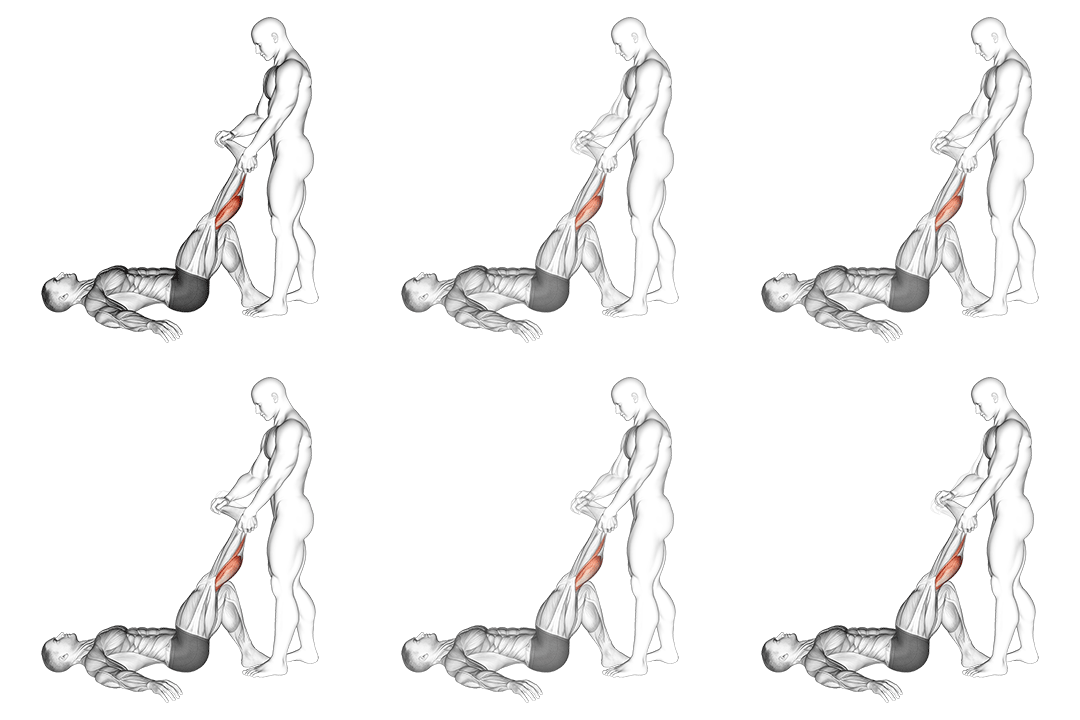
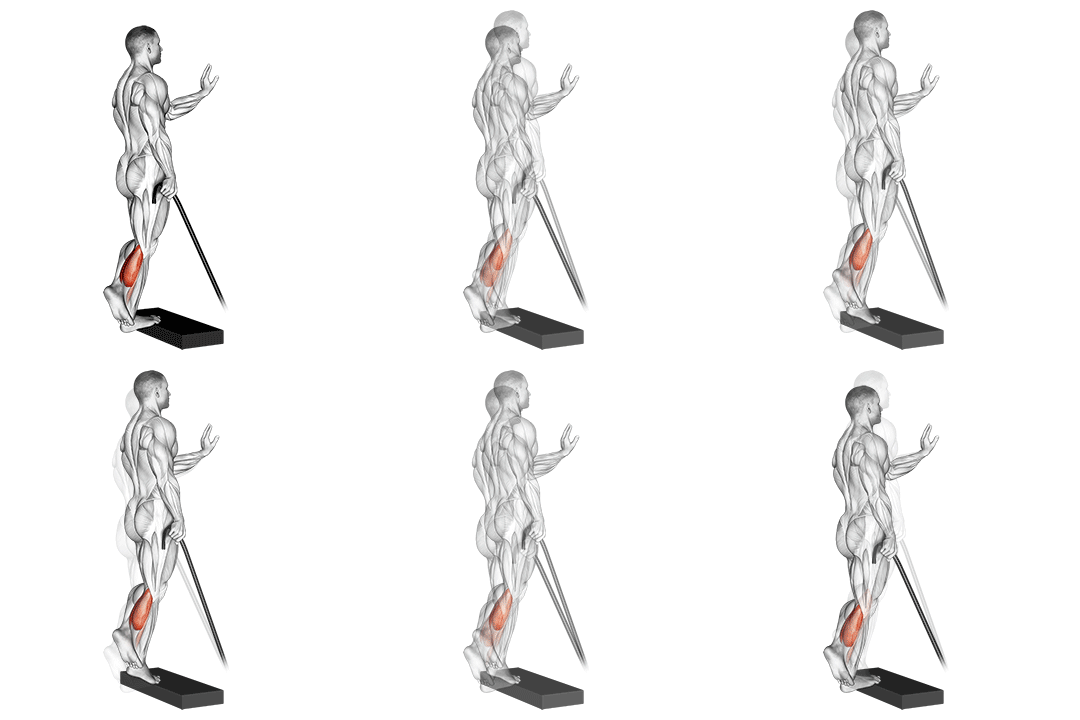
More comparisons with Posterior Tibialis Stretch
Compare More Exercises
Use our free comparison tool to analyze any two exercises head-to-head.
Compare Exercises