

Band Two Legs Calf Raise - (band Under Both Legs) V. 2 vs Barbell Floor Calf Raise: Complete Compari
Band Two Legs Calf Raise - (band Under Both Legs) V. 2 vs Barbell Floor Calf Raise is a practical matchup if you want stronger, thicker calves. You’ll get a clear read on how each exercise loads the gastrocnemius and soleus, what equipment and setup each needs, how they differ in muscle activation and biomechanics, plus rep ranges and progression tactics. Read on for step-by-step technique cues, injury risk notes, and specific recommendations so you can pick the version that fits your equipment, training age, and goals.
Exercise Comparison
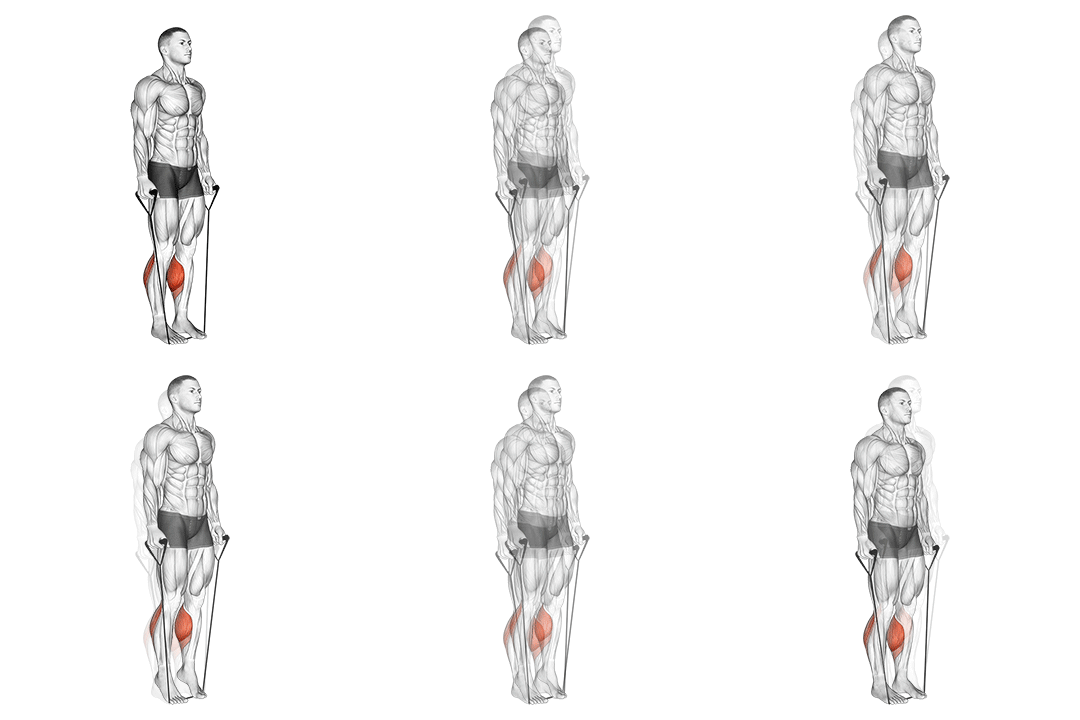
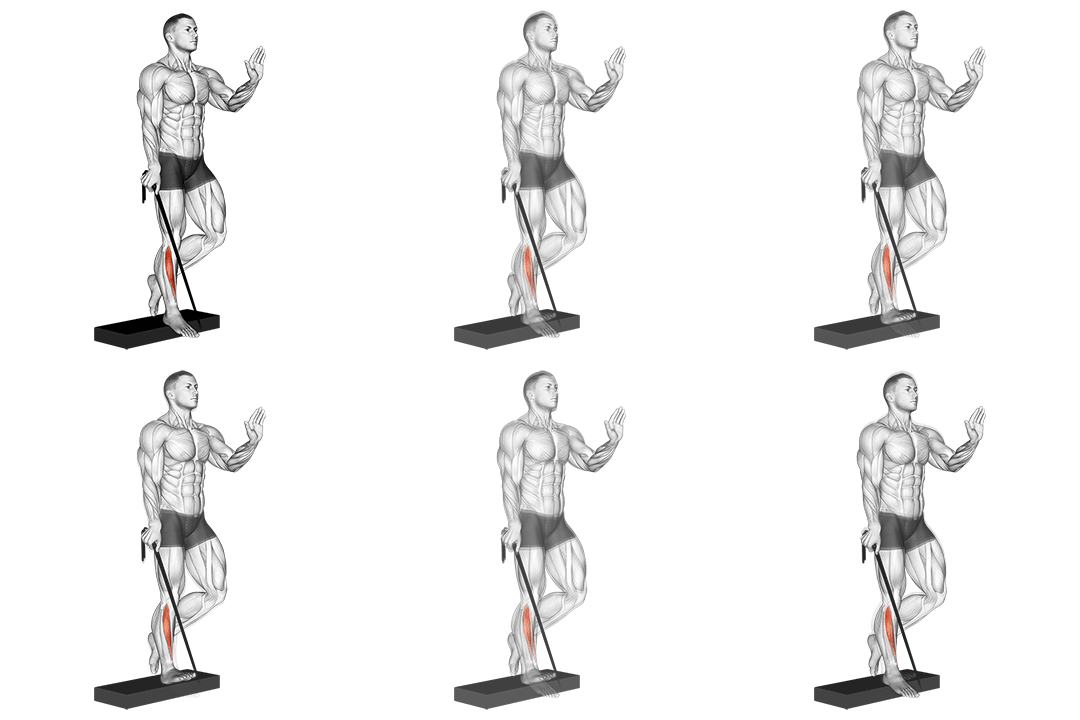
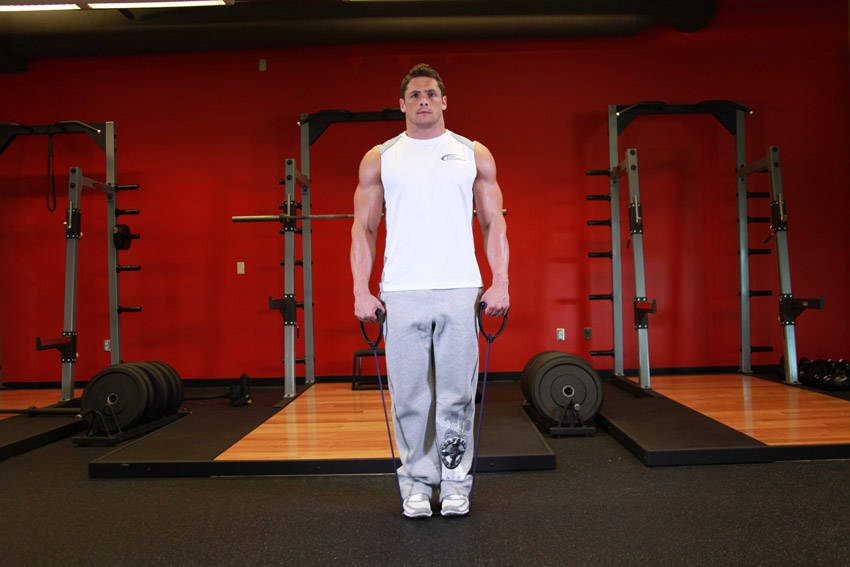
Band Two Legs Calf Raise - (band Under Both Legs) V. 2
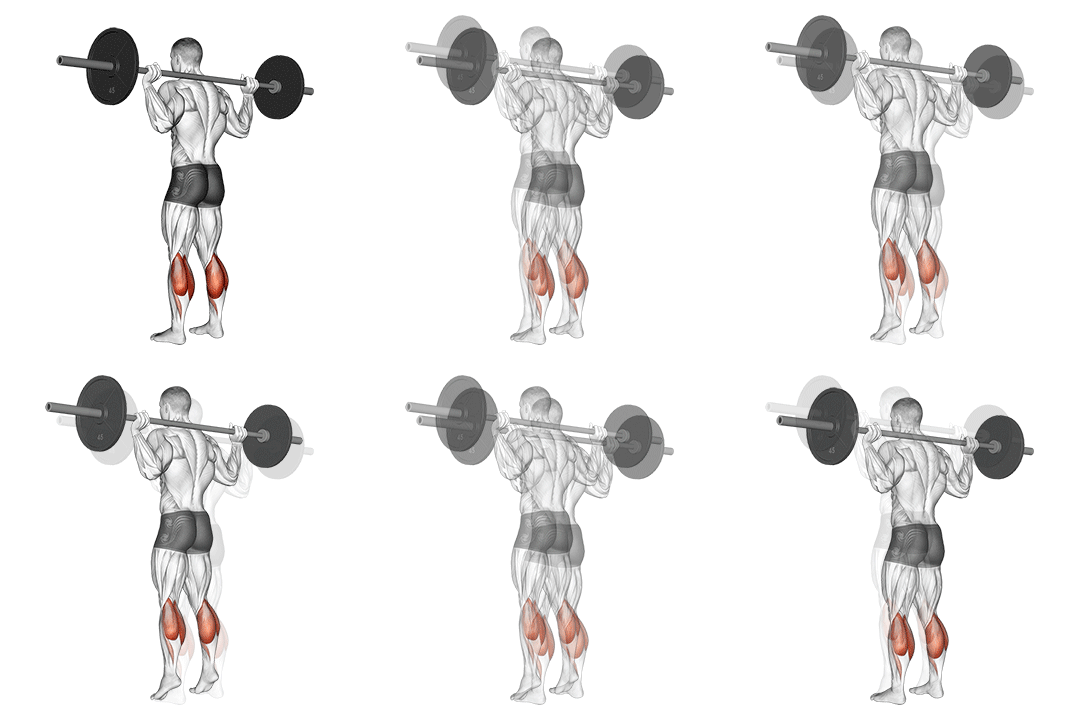
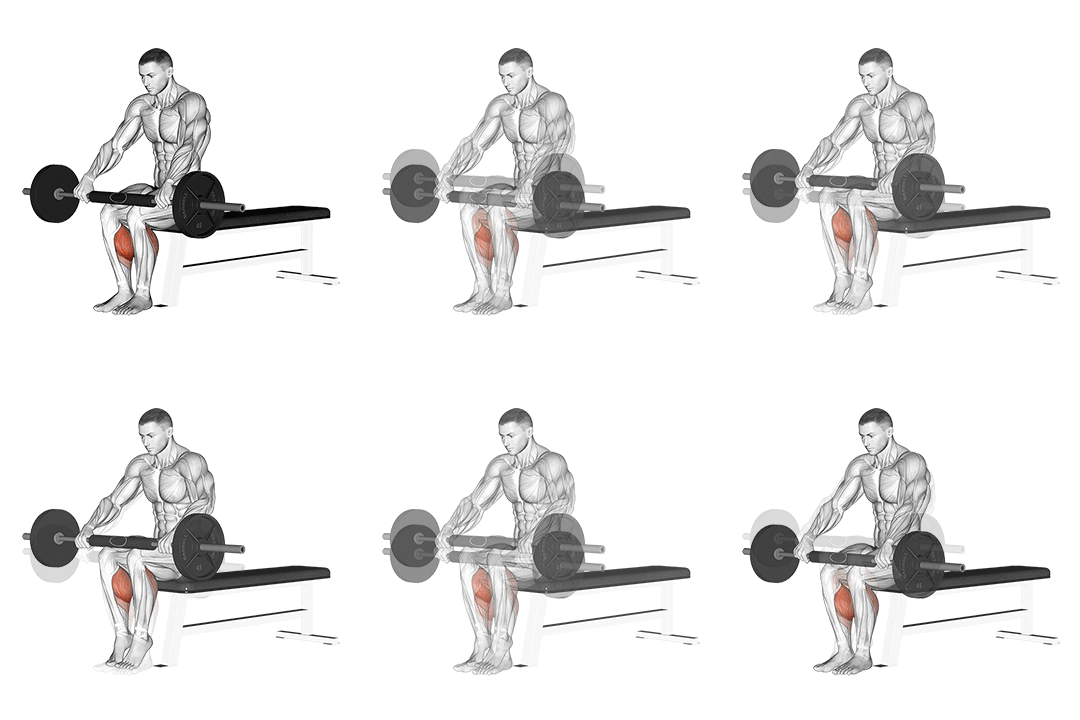
Barbell Floor Calf Raise
Head-to-Head Comparison
| Attribute | Band Two Legs Calf Raise - (band Under Both Legs) V. 2 | Barbell Floor Calf Raise |
|---|---|---|
| Target Muscle |
Calves
|
Calves
|
| Body Part |
Lower-legs
|
Lower-legs
|
| Equipment |
Band
|
Barbell
|
| Difficulty |
Beginner
|
Beginner
|
| Movement Type |
Isolation
|
Isolation
|
| Secondary Muscles |
2
|
1
|
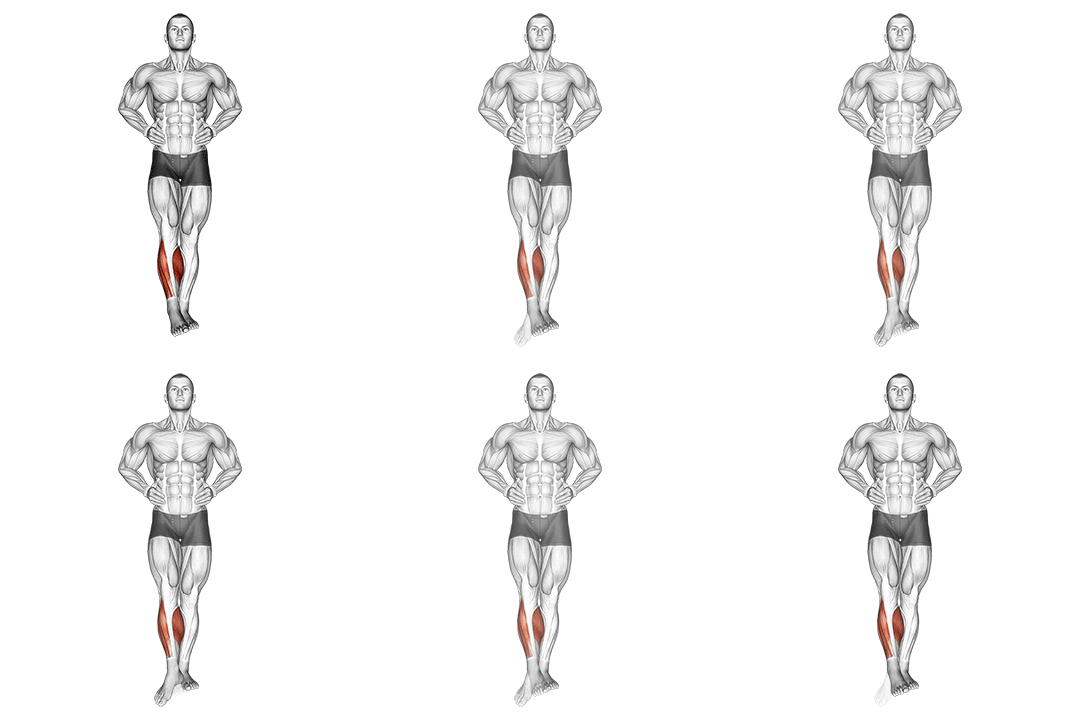
Secondary Muscles Activated
Band Two Legs Calf Raise - (band Under Both Legs) V. 2
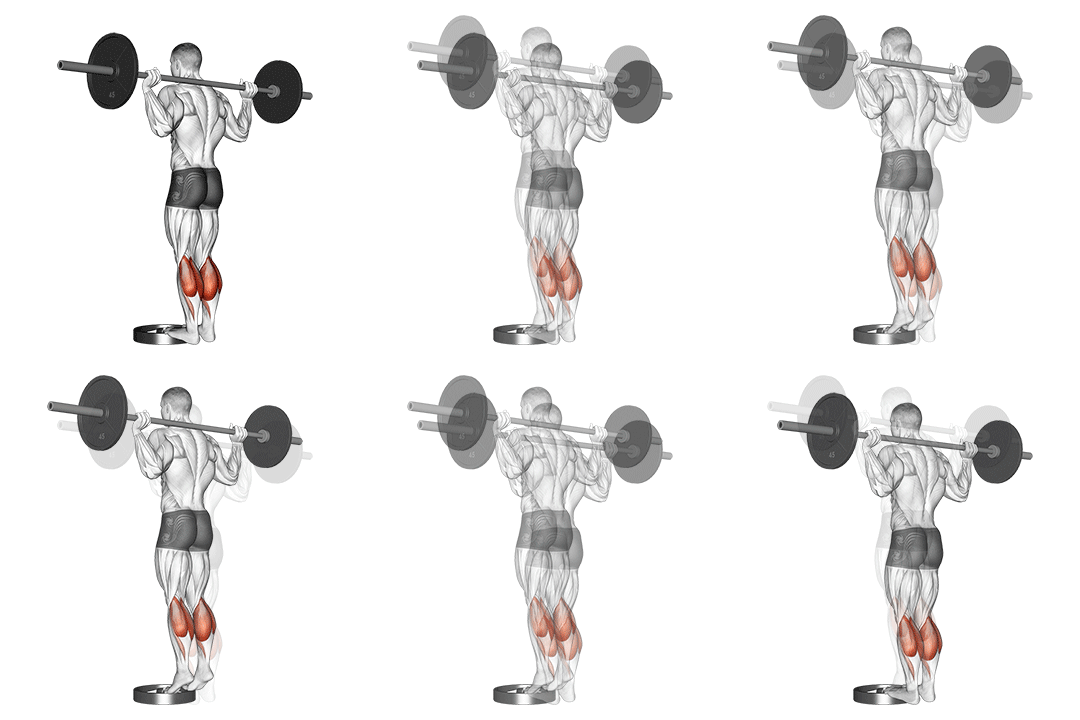
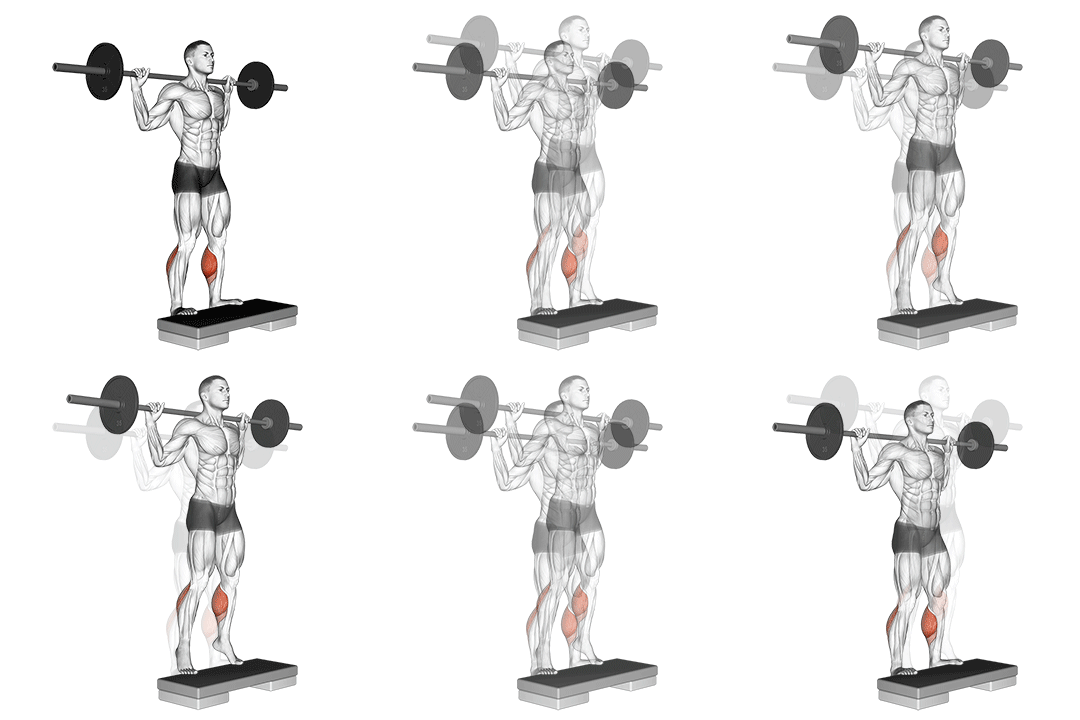
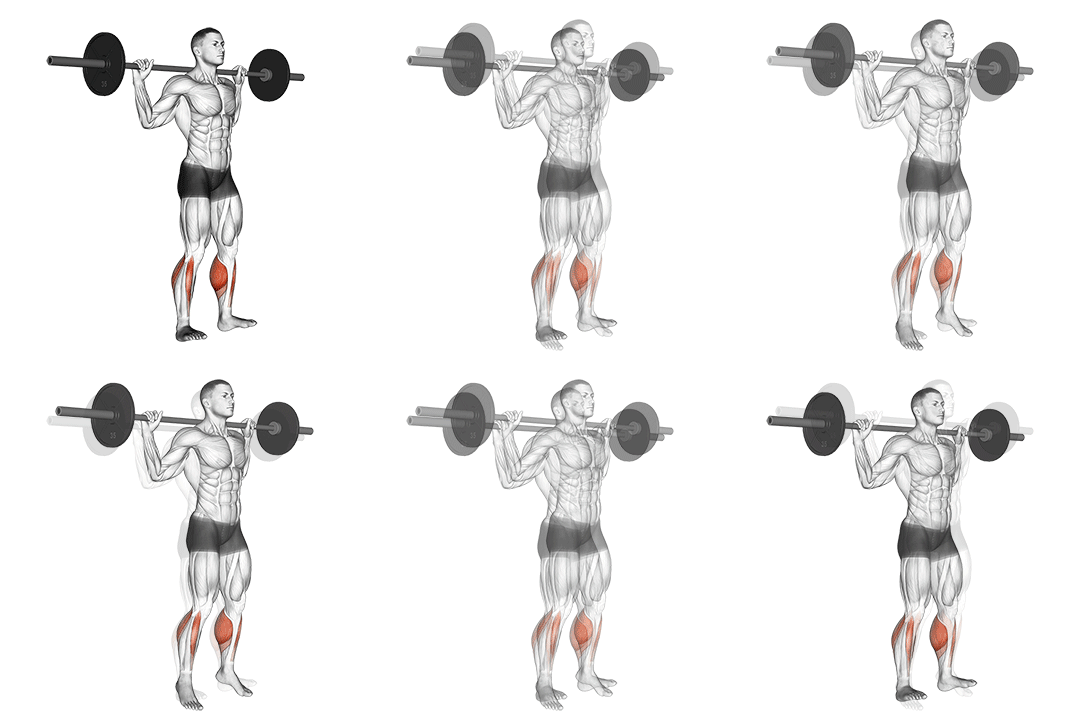
Barbell Floor Calf Raise
Visual Comparison
Overview
Band Two Legs Calf Raise - (band Under Both Legs) V. 2 vs Barbell Floor Calf Raise is a practical matchup if you want stronger, thicker calves. You’ll get a clear read on how each exercise loads the gastrocnemius and soleus, what equipment and setup each needs, how they differ in muscle activation and biomechanics, plus rep ranges and progression tactics. Read on for step-by-step technique cues, injury risk notes, and specific recommendations so you can pick the version that fits your equipment, training age, and goals.
Key Differences
- Equipment differs: Band Two Legs Calf Raise - (band Under Both Legs) V. 2 uses Band, while Barbell Floor Calf Raise requires Barbell.
Pros & Cons
Band Two Legs Calf Raise - (band Under Both Legs) V. 2
+ Pros
- Very portable—requires only one band
- Constant tension through range improves time under tension
- Gentler on spine and overall low compressive load
- Great for high-rep endurances and ankle/foot stabilization
− Cons
- Limited peak mechanical tension compared to loaded barbell
- Harder to measure exact progressive overload in small increments
- Band line of pull can vary, altering stimulus between sessions
Barbell Floor Calf Raise
+ Pros
- Allows high absolute loading for maximal mechanical tension
- Precise, incremental progression with plates
- Stronger stimulus for muscle hypertrophy and strength
- Stable, repeatable force vector when performed correctly
− Cons
- Requires barbell setup and safe environment
- Higher spinal and injury risk if bracing is poor
- Less emphasis on foot intrinsic muscles and proprioception
When Each Exercise Wins
Barbell raises let you apply greater absolute load and reach higher mechanical tension, which drives hypertrophy—aim for 6–15 reps with heavy sets and controlled eccentrics of 2–4 seconds to maximally tax the gastrocnemius.
Strength requires high force production; the barbell enables progressive overload and heavy triples or singles. Use lower rep ranges (3–6) and full-range contractions to increase maximal plantarflexion force.
Bands are simple to set up, reduce spinal loading, and teach ankle control. Start with 12–20 reps, focus on full ROM and a 1–2 second pause at the top to build control and tendon health.
Bands are portable and safe for small spaces—no heavy plates or racks needed. You can progress by increasing band stiffness or switching to single-leg band raises for added load.
Frequently Asked Questions
Can I do both Band Two Legs Calf Raise - (band Under Both Legs) V. 2 and Barbell Floor Calf Raise in the same workout?
Yes—start with barbell raises to exploit higher strength and mechanical tension, then finish with band raises for extra volume and continuous tension. Keep total calf workload to 8–20 sets weekly per muscle and manage fatigue by spacing intensity.
Which exercise is better for beginners?
The band two-legs calf raise is better for beginners because it minimizes spinal load and simplifies technique. It trains ankle control and prepares you to handle heavier barbell loads later.
How do the muscle activation patterns differ?
Barbell raises produce higher peak activation under heavy loads, especially in the gastrocnemius, due to greater mechanical tension; band raises provide more constant tension and recruit stabilizers in the feet and ankles because of variable force vectors and elastic resistance.
Can Barbell Floor Calf Raise replace Band Two Legs Calf Raise - (band Under Both Legs) V. 2?
Barbell raises can replace bands if your goal is strength or hypertrophy and you have safe equipment, but you'll lose some ankle-specific stabilization and continuous elastic tension. For well-rounded calf development, rotate both methods across training phases.
Expert Verdict
Choose the band two-legs calf raise when you need accessibility, lower spinal stress, and better ankle/foot stabilization—ideal for beginners, rehab, or high-rep conditioning. Pick the barbell floor calf raise when your goal is maximal muscle growth or strength and you can load safely; the barbell produces higher peak mechanical tension and clearer progressive overload. For best results, include both across a training cycle: use 6–12 weeks of barbell-focused heavy work (6–15 reps, slow eccentrics) followed by a phase that emphasizes banded volume (12–25 reps) to improve endurance, tendon resilience, and ankle control.
Also Compare
More comparisons with Band Two Legs Calf Raise - (band Under Both Legs) V. 2
More comparisons with Barbell Floor Calf Raise
Compare More Exercises
Use our free comparison tool to analyze any two exercises head-to-head.
Compare Exercises