

Barbell Bench Front Squat vs Barbell Bench Squat: Complete Comparison Guide
Barbell Bench Front Squat vs Barbell Bench Squat — both load the quads but they shift force differently. You’ll get a side-by-side look at how bar position changes torso angle, knee moments, and hip involvement. I’ll cover muscle activation, equipment needs, learning curve, progression options, injury considerations, and practical technique cues (foot placement, torso angle ~45–60°, elbow position) so you can pick the movement that matches your goals and mobility. Read on to see which squat variant gives you more quad-focused work, safer loading, and better progression paths.
Exercise Comparison
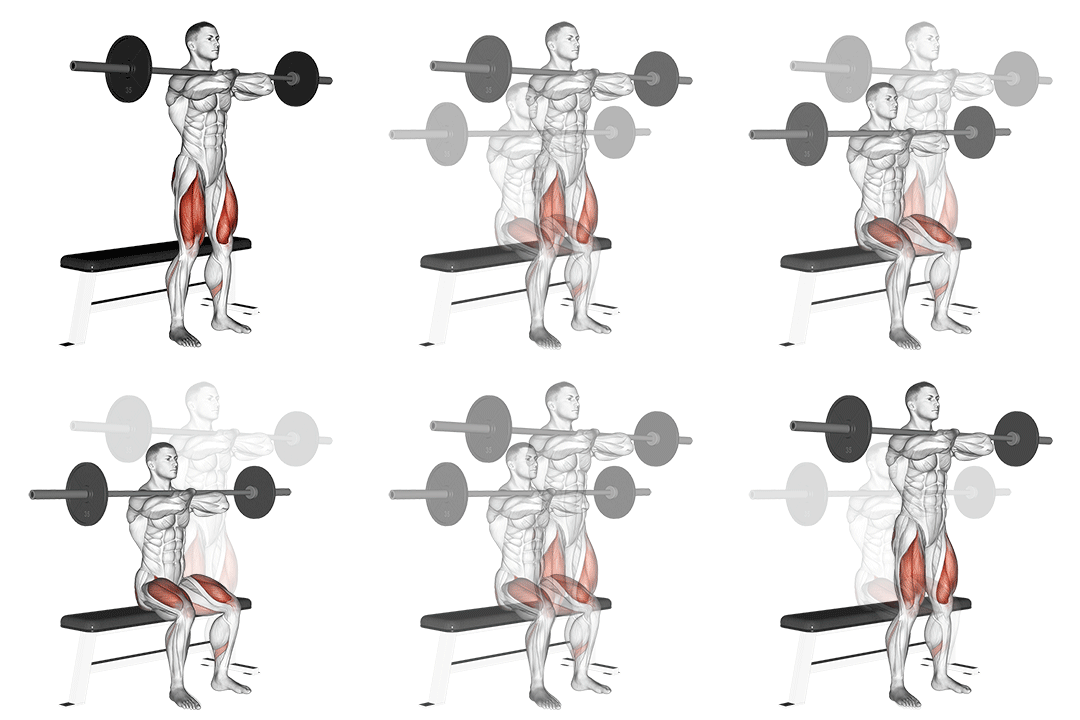
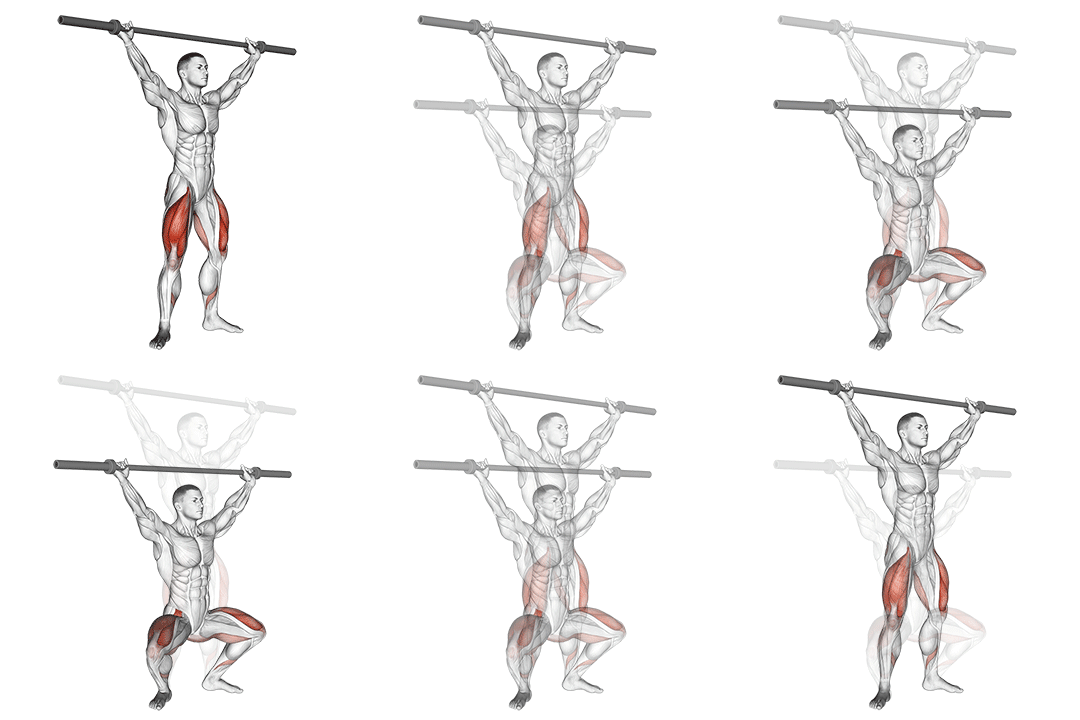
Barbell Bench Front Squat
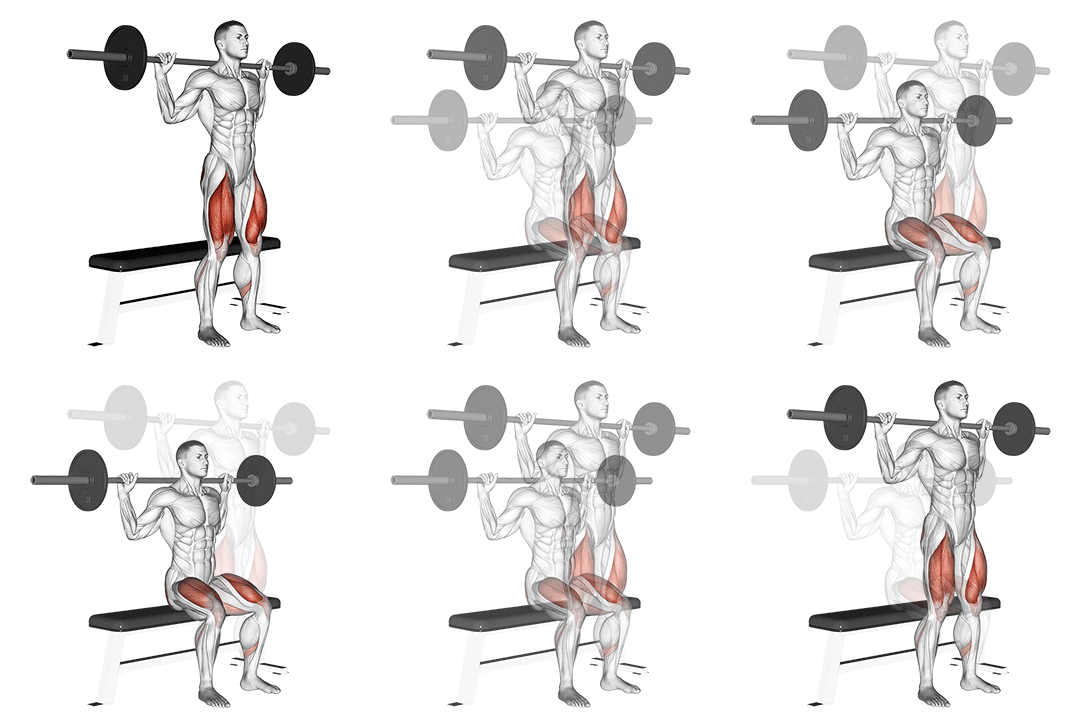
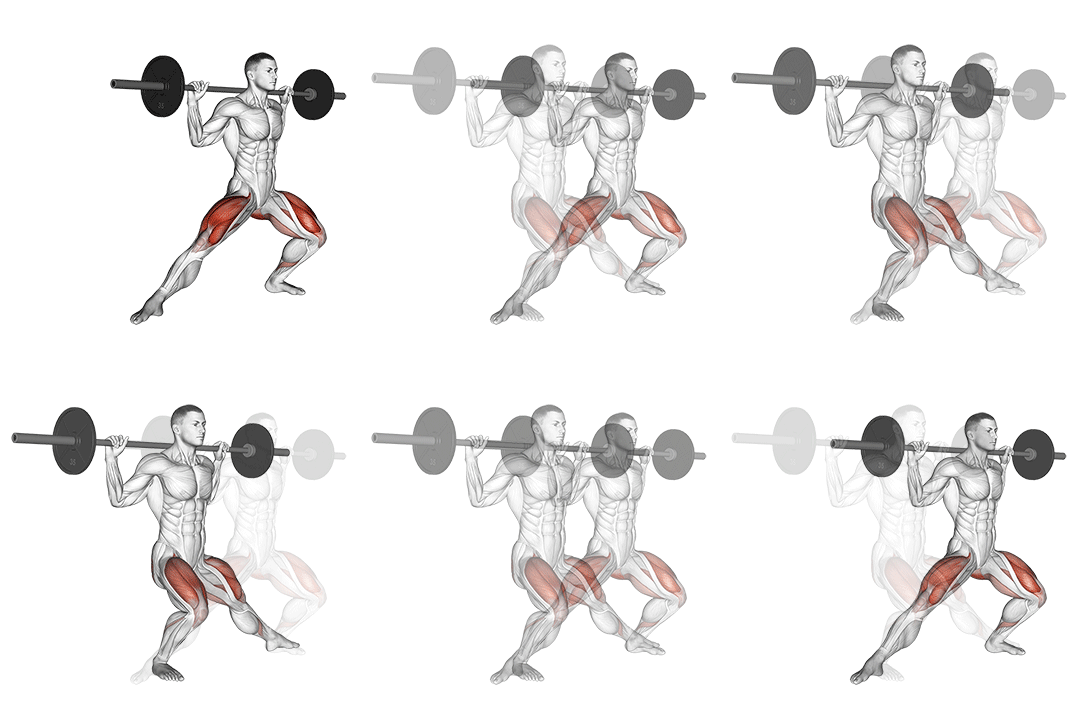
Barbell Bench Squat
Head-to-Head Comparison
| Attribute | Barbell Bench Front Squat | Barbell Bench Squat |
|---|---|---|
| Target Muscle |
Quads
|
Quads
|
| Body Part |
Upper-legs
|
Upper-legs
|
| Equipment |
Barbell
|
Barbell
|
| Difficulty |
Intermediate
|
Intermediate
|
| Movement Type |
Compound
|
Compound
|
| Secondary Muscles |
3
|
3
|
Secondary Muscles Activated
Barbell Bench Front Squat
Barbell Bench Squat
Visual Comparison
Overview
Barbell Bench Front Squat vs Barbell Bench Squat — both load the quads but they shift force differently. You’ll get a side-by-side look at how bar position changes torso angle, knee moments, and hip involvement. I’ll cover muscle activation, equipment needs, learning curve, progression options, injury considerations, and practical technique cues (foot placement, torso angle ~45–60°, elbow position) so you can pick the movement that matches your goals and mobility. Read on to see which squat variant gives you more quad-focused work, safer loading, and better progression paths.
Key Differences
- Both exercises target the Quads using Barbell. The main differences are in their movement patterns and muscle activation angles.
Pros & Cons
Barbell Bench Front Squat
+ Pros
- Stronger quad emphasis due to larger knee moment arm
- More upright torso reduces low-back shear
- Excellent for hypertrophy in 6–12 rep ranges and paused squats
- Cleaner bar path—bar stays over midfoot for balance
− Cons
- Requires more wrist and thoracic mobility for a clean grip
- Harder to unrack heavy weights without a power rack
- May limit absolute load compared to back-position squats
Barbell Bench Squat
+ Pros
- Easier to learn and set up for most lifters
- Allows heavier loading for maximal strength work (3–5 reps)
- Stronger recruitment of glutes and hamstrings for posterior chain
- More forgiving on wrist mobility and elbow position
− Cons
- Greater spinal compression and shear when torso angle increases
- Can shift work away from quads if form becomes hip-dominant
- Requires strict technique to avoid excessive forward knee travel or valgus
When Each Exercise Wins
Front squats produce higher quad loading per rep because the bar position increases the knee extensor moment arm. Use 6–12 rep sets, tempo variations, and paused reps at 2–3 seconds to maximize time under tension and muscle growth.
Back-position bench squats allow heavier absolute loads (typically 10–30% more) and better transfer to maximal strength. Focus on 3–5 rep sets, progressive overload, and low-bar or high-bar placement based on your leverages.
Back bench squat has a simpler setup and less demand on wrist and thoracic mobility, so beginners can learn depth, breathing, and bracing patterns faster before progressing to front-loaded variations.
Bench back squats require less mobility equipment and can be done safely with a low rack or spotter; they also let you use heavier plates for efficient strength sessions in limited-space setups.
Frequently Asked Questions
Can I do both Barbell Bench Front Squat and Barbell Bench Squat in the same workout?
Yes — but sequence matters. Do the more technical or heavier pattern first: if your priority is strength, perform bench back squats first (3–5 reps). If quad hypertrophy is the goal, start with front squats (6–12 reps). Keep total volume manageable to avoid form breakdown.
Which exercise is better for beginners?
Barbell Bench Squat is generally better for beginners because it’s easier to set up and balance. Teach bracing, hip hinge, and knee tracking first, then introduce front squats once thoracic extension and wrist mobility are adequate.
How do the muscle activation patterns differ?
Front squats shift the center of mass forward, increasing knee extensor torque and causing earlier peak quad activation; back bench squats increase hip moment arms, recruiting glutes and hamstrings more. These differences stem from changes in torso angle, moment arm length, and length–tension relationships.
Can Barbell Bench Squat replace Barbell Bench Front Squat?
Only partially. Barbell Bench Squat can build overall leg strength and posterior chain mass, but it won’t target the quads as directly as front squats. If you need focused quad work for aesthetics or sport-specific demands, keep front squats in your plan.
Expert Verdict
Use Barbell Bench Front Squat when your priority is quad-dominant hypertrophy, knee-strengthening, or reducing lumbar load—keep your torso upright, elbows high, feet shoulder-width, and stop when hip crease passes the knee. Choose Barbell Bench Squat when you want maximal strength, heavier loading, or a more accessible lift for beginners and home gyms—focus on hip drive, neutral spine, and controlling forward knee travel. Both belong in a well-rounded program: alternate phases (8–12 weeks) emphasizing front squats for quad development and bench back squats for heavy strength blocks and posterior chain build.
Also Compare
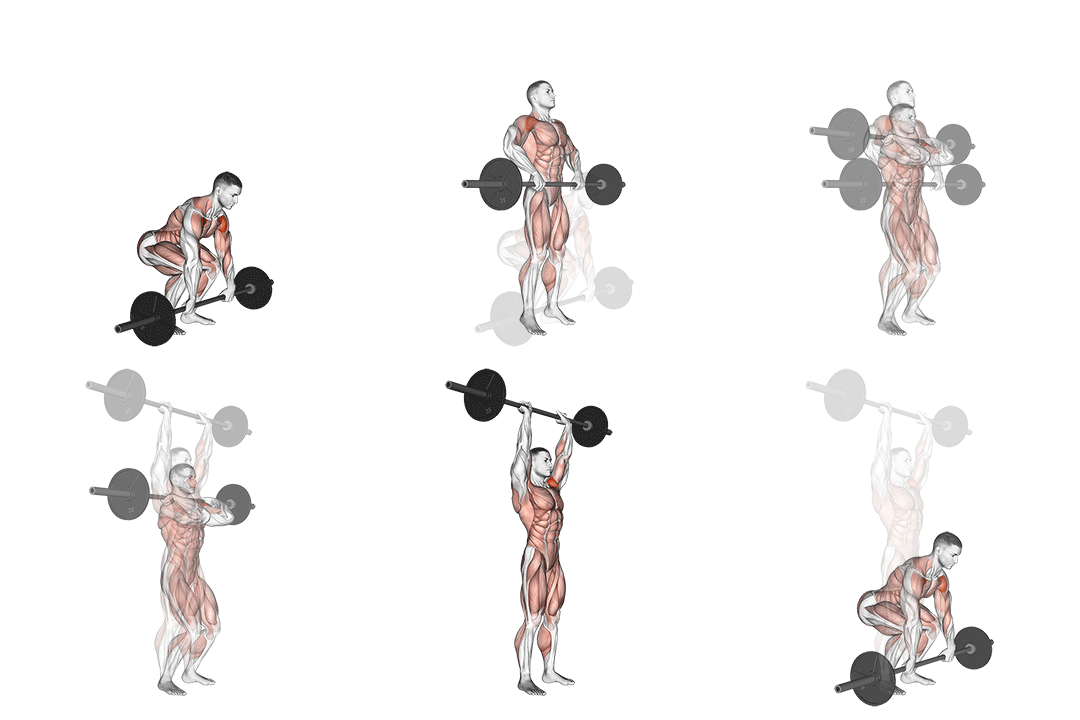
More comparisons with Barbell Bench Front Squat
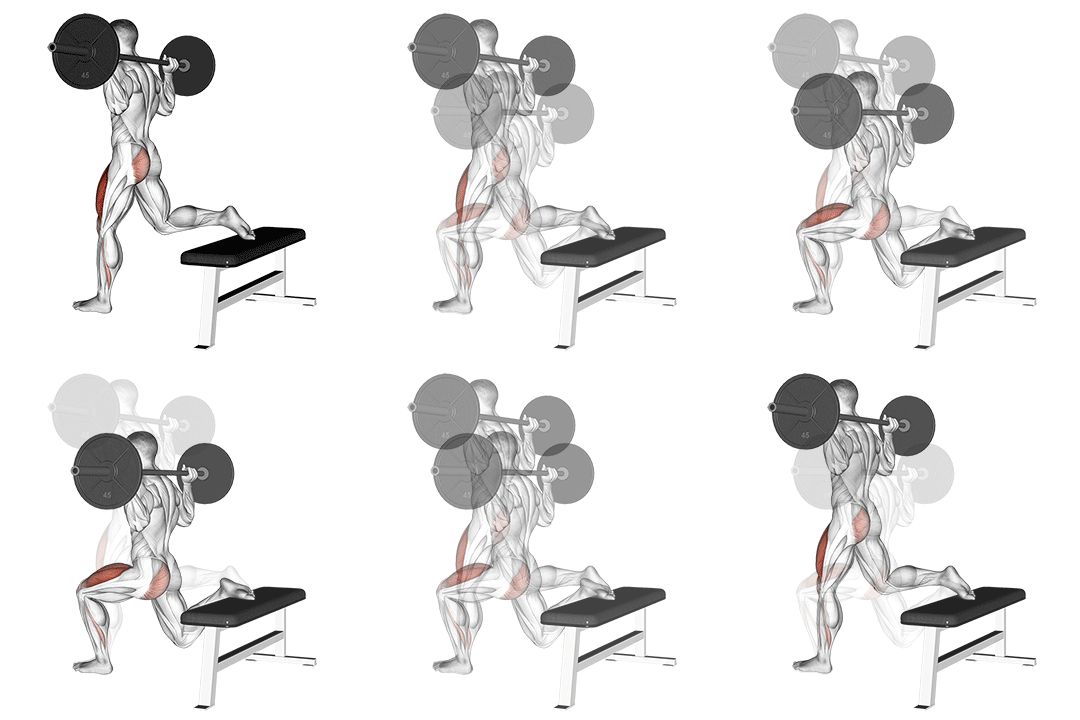
More comparisons with Barbell Bench Squat
Compare More Exercises
Use our free comparison tool to analyze any two exercises head-to-head.
Compare Exercises