

Barbell Bench Press vs Bench Press - Powerlifting: Complete Comparison Guide
Barbell Bench Press vs Bench Press - Powerlifting — if you want a stronger, bigger chest or a higher raw 1RM, you need to pick the right style. You’ll get a clear breakdown of how each lift loads the pectorals, how secondary muscles like triceps, lats, and forearms come into play, and which technique suits hypertrophy, strength work, beginners, and home setups. I’ll cover biomechanics (bar path, elbow angle, ROM), specific technique cues you can apply today, recommended rep ranges, and the injury trade-offs so you can choose with confidence.
Exercise Comparison
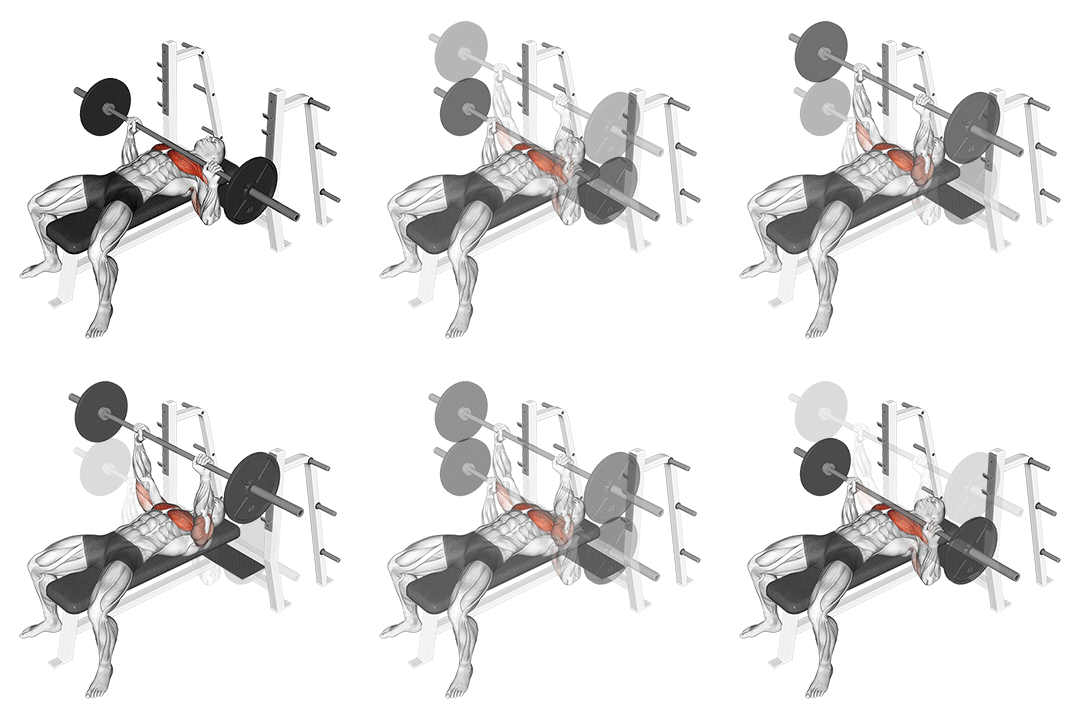
Barbell Bench Press
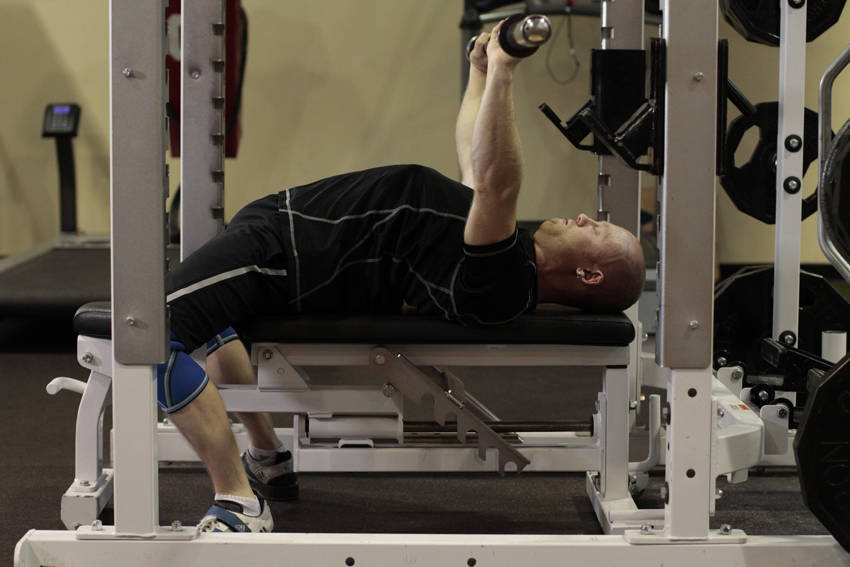
Bench Press - Powerlifting
Head-to-Head Comparison
| Attribute | Barbell Bench Press | Bench Press - Powerlifting |
|---|---|---|
| Target Muscle |
Pectorals
|
Pectorals
|
| Body Part |
Chest
|
Chest
|
| Equipment |
Barbell
|
Barbell
|
| Difficulty |
Intermediate
|
Advanced
|
| Movement Type |
Compound
|
Compound
|
| Secondary Muscles |
2
|
4
|
Secondary Muscles Activated
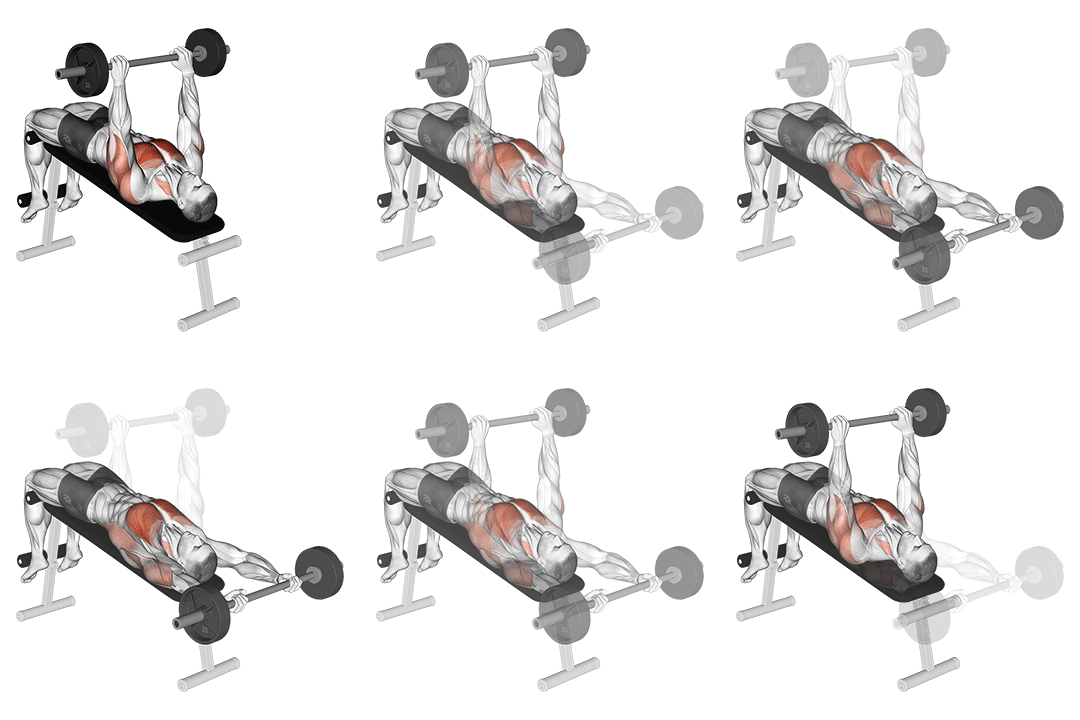
Barbell Bench Press
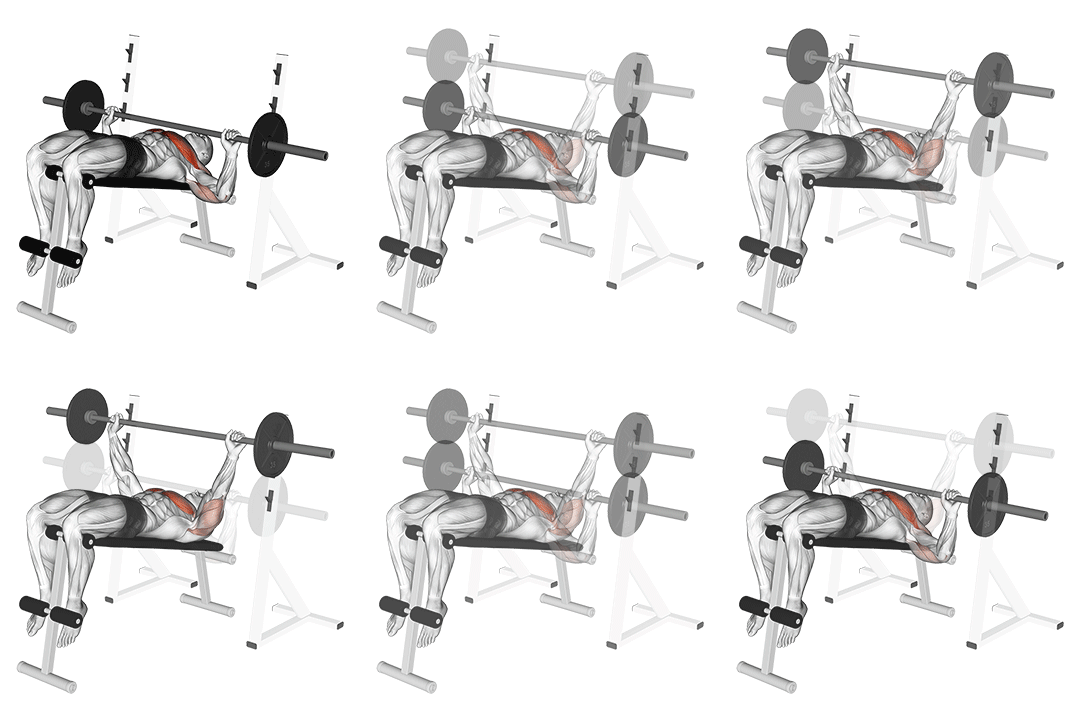
Bench Press - Powerlifting
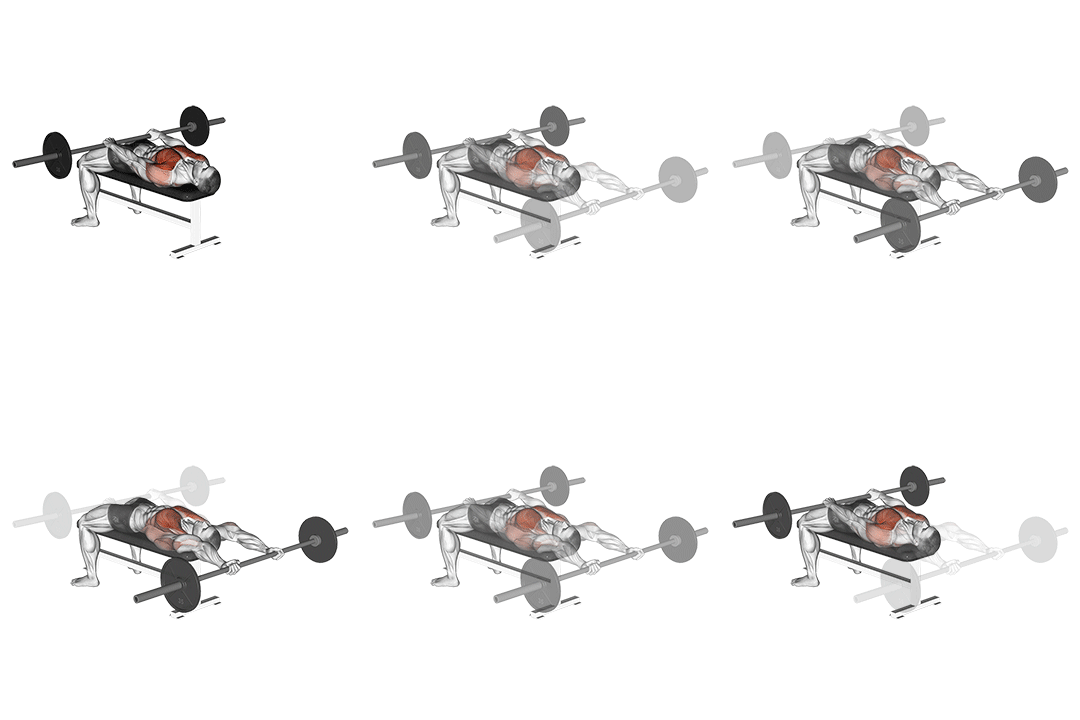
Visual Comparison
Overview
Barbell Bench Press vs Bench Press - Powerlifting — if you want a stronger, bigger chest or a higher raw 1RM, you need to pick the right style. You’ll get a clear breakdown of how each lift loads the pectorals, how secondary muscles like triceps, lats, and forearms come into play, and which technique suits hypertrophy, strength work, beginners, and home setups. I’ll cover biomechanics (bar path, elbow angle, ROM), specific technique cues you can apply today, recommended rep ranges, and the injury trade-offs so you can choose with confidence.
Key Differences
- Difficulty levels differ: Barbell Bench Press is intermediate, while Bench Press - Powerlifting is advanced.
- Both exercises target the Pectorals using Barbell. The main differences are in their movement patterns and muscle activation angles.
Pros & Cons
Barbell Bench Press
+ Pros
- More balanced chest-to-triceps loading for hypertrophy
- Easier setup and safer to teach beginners
- Fuller pec stretch and longer time under tension for 6–12 rep work
- Works well with volume-based programs and accessory variation
− Cons
- Less absolute 1RM potential than powerlifting setup
- Can stress shoulders if you flare elbows wide (>60°)
- Requires a spotter or safety pins for heavy singles
Bench Press - Powerlifting
+ Pros
- Maximizes absolute strength and 1RM via arch and leg drive
- Shorter ROM lets you lift heavier loads for low-rep strength work
- Develops strong lockout mechanics, lats, and forearm tension
- Highly specific for competition-style benching
− Cons
- Steep technical learning curve (arch, bar path, leg drive)
- Higher compressive stress on shoulders and spine under maximal loads
- Less consistent pec stretch, which can reduce hypertrophy stimulus if overused
When Each Exercise Wins
Use the Barbell Bench Press for hypertrophy because it preserves a longer pec stretch and consistent time under tension in the 6–12 rep range. A moderate grip and elbows tucked to ~45° let you load the sternal pecs across the full ROM for repeated sets and controlled eccentrics.
Bench Press - Powerlifting wins for raw strength: the arch and leg drive reduce ROM by several inches (often 2–4 in) and change the bar path to favor heavier loads in the 1–5 rep range. That technique shifts torque to triceps and lats, letting you progressively increase your 1RM.
Beginners should start with the conventional Barbell Bench Press because it has a gentler technical curve and reinforces scapular control and safe elbow positioning. Focus on 8–12 reps, mastering control and full range before adding aggressive arching or very heavy singles.
Barbell Bench Press is better at home since it needs only a stable bench and safety pins in a rack — no special competition bench, spotter, or advanced gear. You can scale volume and use rep ranges 6–12 or 3–5 with safety protocols.
Frequently Asked Questions
Can I do both Barbell Bench Press and Bench Press - Powerlifting in the same workout?
Yes. Use the Barbell Bench Press earlier for volume work (6–10 reps) to target pec hypertrophy, then switch to powerlifting-style singles or doubles for strength practice. Keep total weekly heavy sets limited (e.g., 6–12 heavy singles/doubles) to avoid overtaxing shoulder and spinal structures.
Which exercise is better for beginners?
Barbell Bench Press is better for beginners because it teaches scapular retraction, safe elbow positioning, and full-range pressing before adding advanced arching or maximal loads. Start with 8–12 reps and progress technique before attempting a powerlifting setup.
How do the muscle activation patterns differ?
The conventional bench gives more uniform pectoral activation through mid-range due to a longer ROM and horizontal force vector. Powerlifting technique shortens the pec stretch and shifts peak torque toward triceps and lats, especially in lockout, because of altered shoulder angles and leg-driven force transfer.
Can Bench Press - Powerlifting replace Barbell Bench Press?
For raw strength, yes—the powerlifting style can replace the conventional bench as your primary heavy lift. For hypertrophy and balanced chest development, no—you’ll lose some full-range pec stimulus if you exclusively use the powerlifting setup, so rotate both depending on your goals.
Expert Verdict
If your priority is chest muscle growth and consistent volume, favor the Barbell Bench Press with a moderate grip, elbows around 30–45°, and 6–12 rep sets that emphasize controlled eccentrics. If your main goal is to maximize raw 1RM and competition performance, adopt Bench Press - Powerlifting technique: develop a safe arch, refine a slight J-shaped bar path, use leg drive, and train heavy singles and doubles (1–5 reps). Train the conventional bench for hypertrophy and technique foundation, and use the powerlifting variant as a specialization phase when you’ve built robust shoulder and thoracic control.
Also Compare
More comparisons with Barbell Bench Press
More comparisons with Bench Press - Powerlifting
Compare More Exercises
Use our free comparison tool to analyze any two exercises head-to-head.
Compare Exercises