Barbell Deadlift vs Dumbbell Deadlift

Compare target muscles, equipment, difficulty, movement type, and secondary muscles for Barbell Deadlift and Dumbbell Deadlift.

Change comparison Share

Get comparison link

Select the link and use your device's Copy command.

Comparison overview

AI-generated
Barbell Deadlift vs Dumbbell Deadlift — if you want stronger hips and thicker upper legs, you should know how these two stack up. I’ll walk you through muscle activation, equipment needs, technique cues, and who should pick which lift based on specific goals like hypertrophy, strength, or home training. You’ll get clear, actionable advice: exact rep ranges, loading considerations, and posture cues so you can apply the lifts safely and effectively in your program.

Exercise Comparison

Exercise A
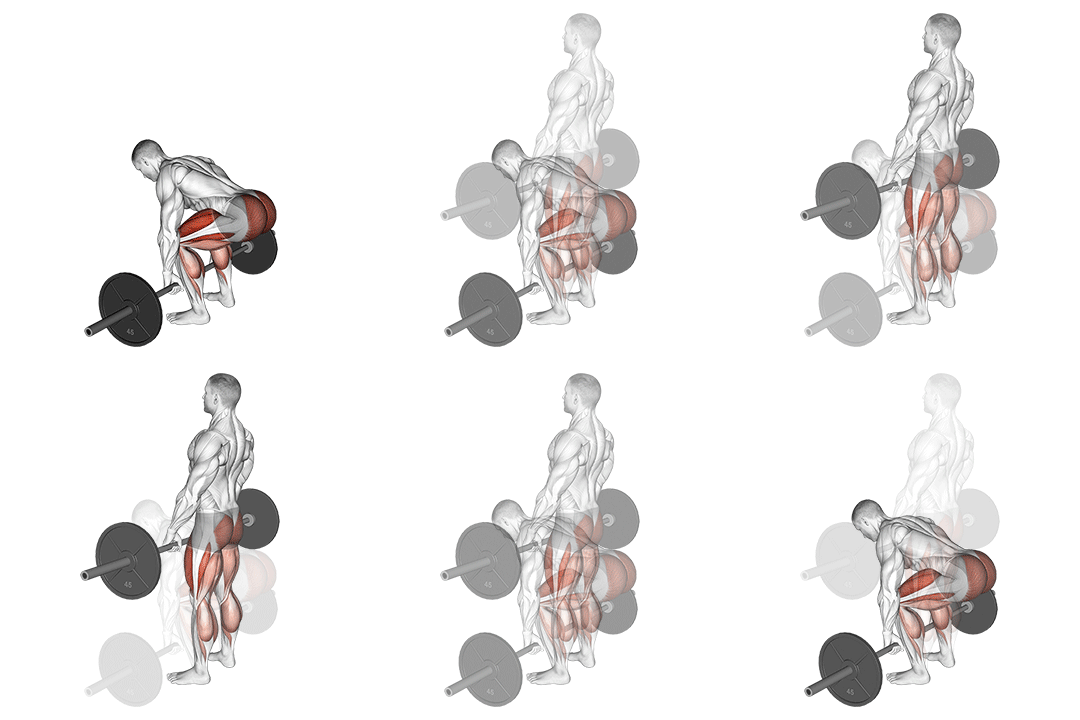
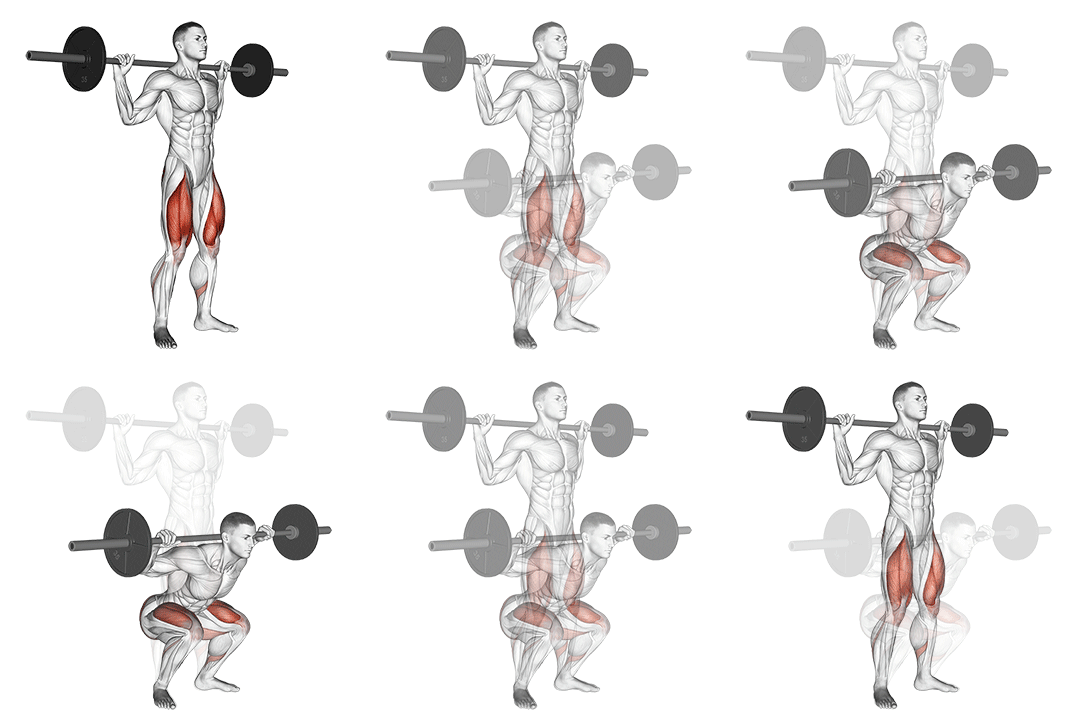
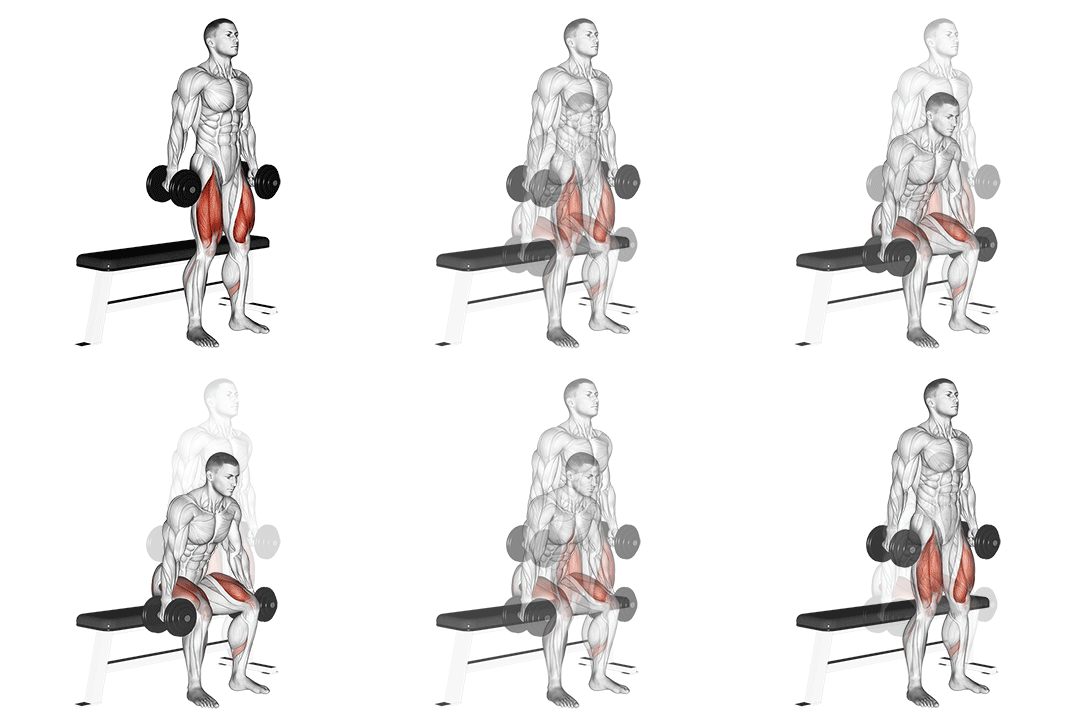
Barbell Deadlift demonstration

Barbell Deadlift

Target Glutes
Equipment Barbell
Body Part Upper-legs
Difficulty Advanced
Movement Compound
Secondary Muscles
Hamstrings Lower Back
VS
Exercise B
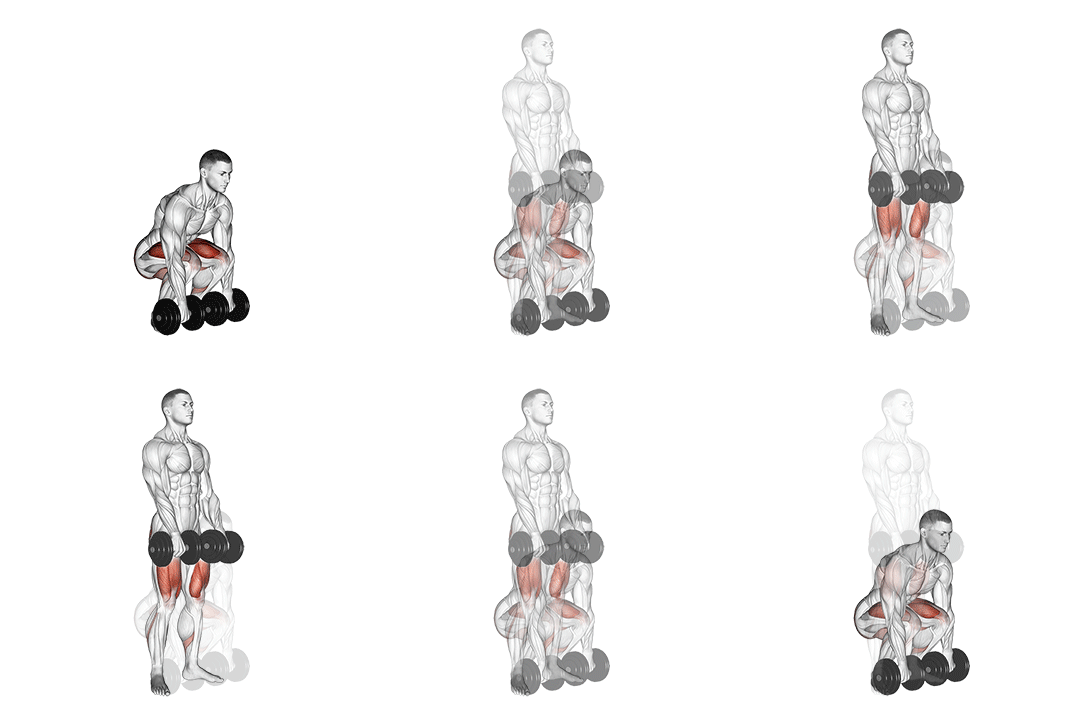
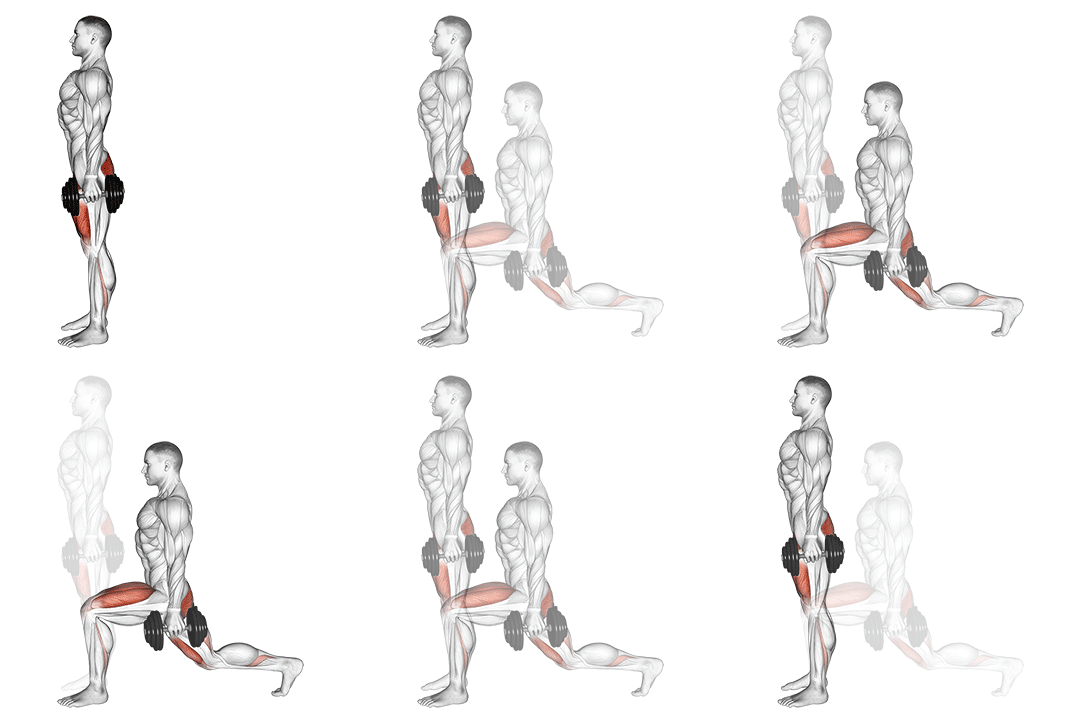
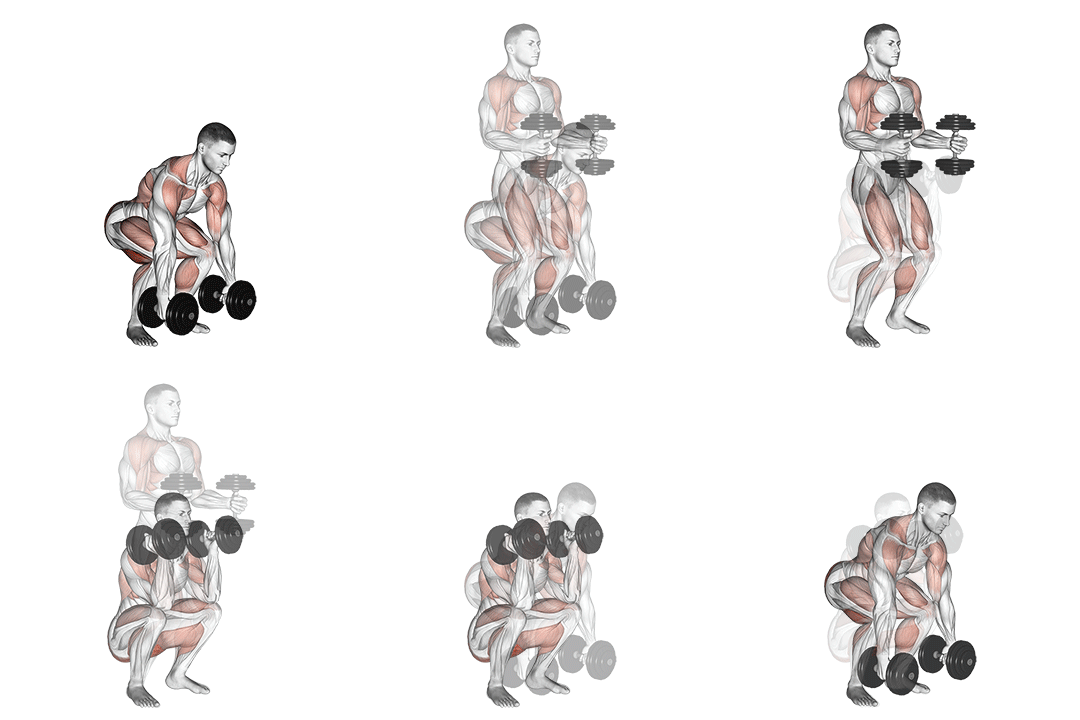
Dumbbell Deadlift demonstration

Dumbbell Deadlift

Target Glutes
Equipment Dumbbell
Body Part Upper-legs
Difficulty Intermediate
Movement Compound
Secondary Muscles
Hamstrings Lower Back

Head-to-Head Comparison

Different values are marked. These are catalogue attributes, not performance scores.

Muscles used

Listed target and secondary muscles, shown on the body. Locations, not activation or strength scores.

  • Target
  • Secondary
  • Not highlighted

Barbell Deadlift

Front
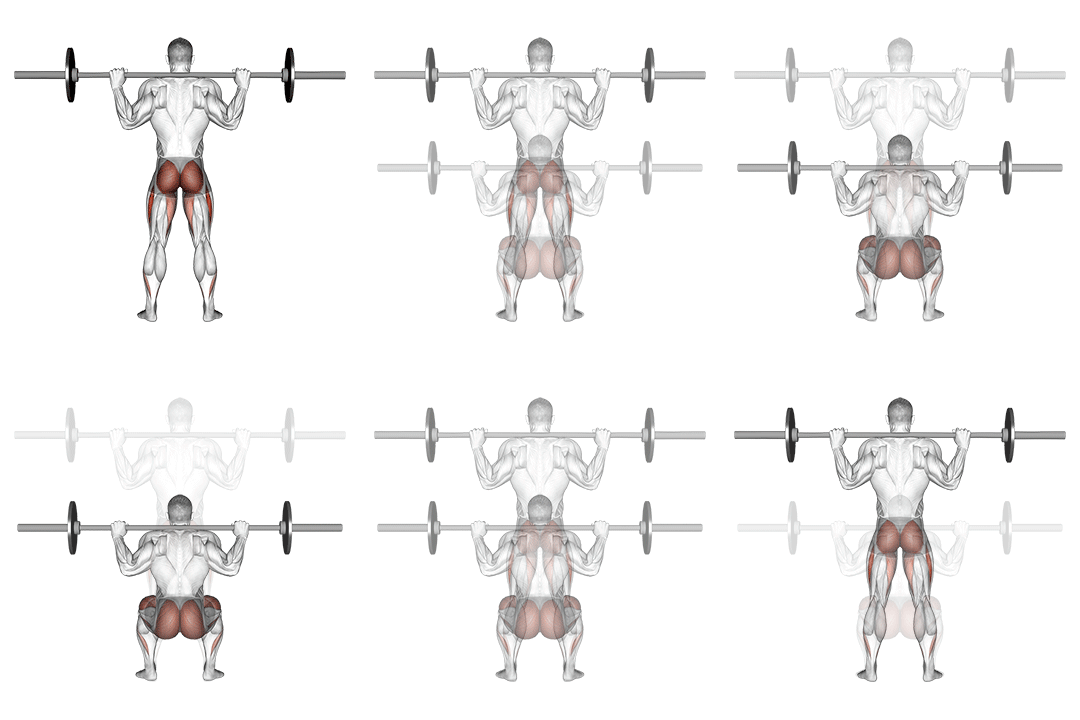
Barbell Deadlift: front muscle locationsSolid: listed target. Striped: listed secondary. Grey: not highlighted. Locations, not activation or strength scores. See the muscle names below.
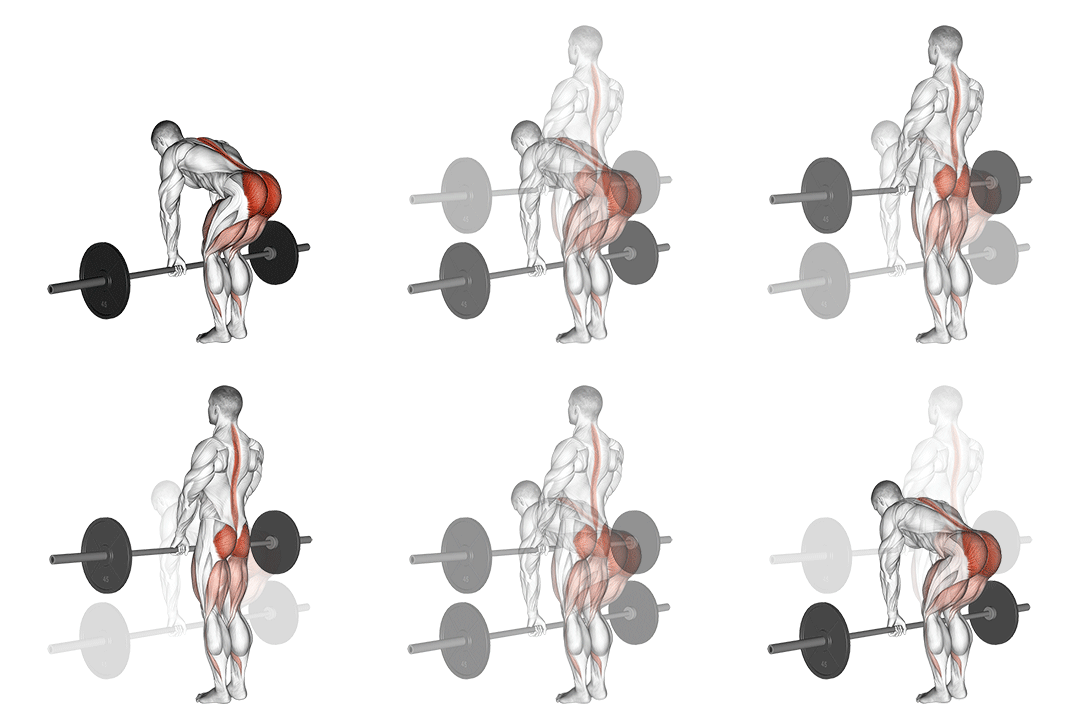
Back
Barbell Deadlift: back muscle locationsSolid: listed target. Striped: listed secondary. Grey: not highlighted. Locations, not activation or strength scores. See the muscle names below.
Target
Glutes
Secondary
Hamstrings, Lower Back

Dumbbell Deadlift

Front
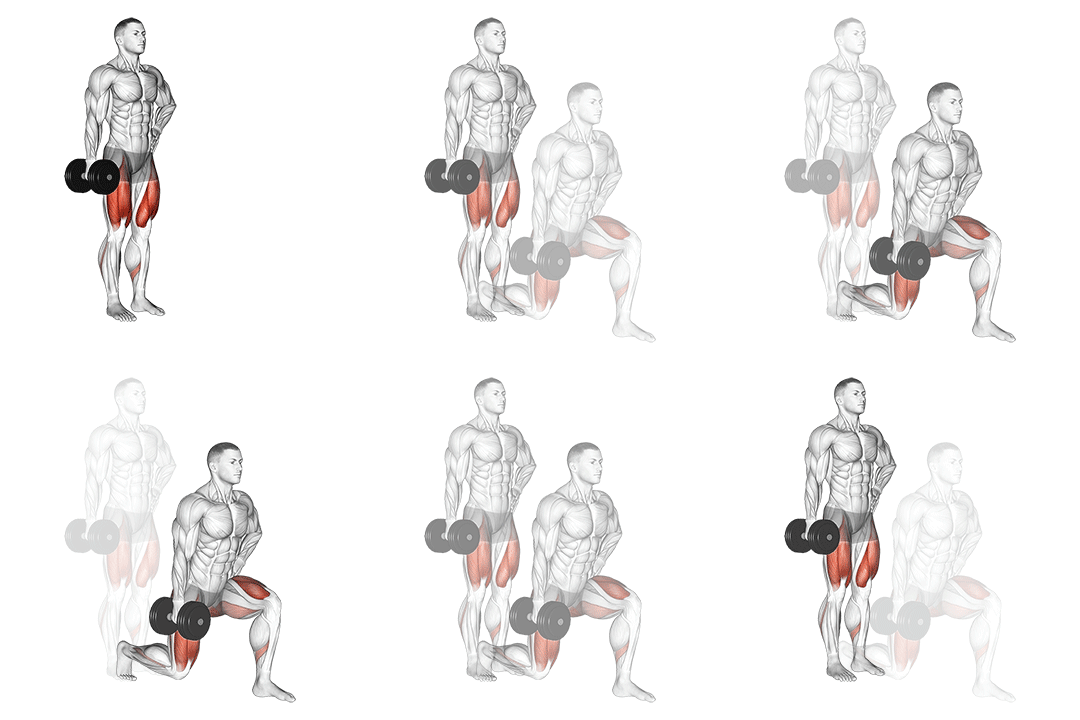
Dumbbell Deadlift: front muscle locationsSolid: listed target. Striped: listed secondary. Grey: not highlighted. Locations, not activation or strength scores. See the muscle names below.
Back
Dumbbell Deadlift: back muscle locationsSolid: listed target. Striped: listed secondary. Grey: not highlighted. Locations, not activation or strength scores. See the muscle names below.
Target
Glutes
Secondary
Hamstrings, Lower Back

Grey does not mean a muscle is unused. The diagrams show only the mapped catalogue labels.

Attribute Barbell Deadlift Dumbbell Deadlift
Target Muscle
Glutes
Glutes
Body Part
Upper-legs
Upper-legs
Equipment Different
Barbell
Dumbbell
Difficulty Different
Advanced
Intermediate
Movement Type
Compound
Compound
Secondary Muscles
Hamstrings, Lower Back

Visual Comparison

An illustrative 1–10 profile derived from catalog difficulty, equipment, and listed-muscle fields—not measured performance or muscle activation.

Key Differences

  • Equipment differs: Barbell Deadlift uses Barbell, while Dumbbell Deadlift requires Dumbbell.
  • Difficulty levels differ: Barbell Deadlift is advanced, while Dumbbell Deadlift is intermediate.

Muscle comparison

Shared target muscles

Both lifts primarily target the glutes via hip extension and load the posterior chain. The barbell lets you apply greater absolute load close to the midline, increasing hip-extensor torque and mechanical tension on the glutes. Dumbbells produce similar glute activation when matched for relative load (e.g., 6–12RM), but you’ll often use lighter absolute weight due to grip and stability limits.

Secondary muscle differences

Hamstrings and lower back work in both lifts, but the barbell usually increases lumbar and hamstring loading because the vertical bar path keeps the load directly over the feet, increasing the posterior chain moment arm. Dumbbells demand more lateral stability and can reduce compressive spinal load; unilateral dumbbell variations also reveal and correct side-to-side strength differences.

Muscle involvement analysis

Barbell deadlifts create a more vertical force vector with the bar close to the tibia, so hip extension torque is high while lumbar erectors handle larger axial moments. Dumbbells shift load slightly outward or between the legs depending on setup, increasing demand on hip abductors and stabilizers; the length-tension relationship changes a few degrees at the hip and can allow a fuller range of motion in some lifters.

Equipment and setup

Barbell Deadlift: setup

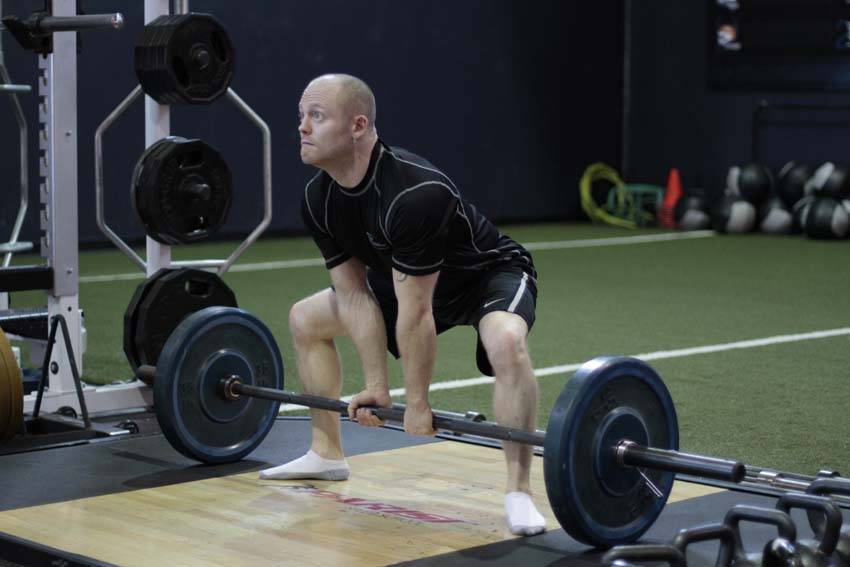
Barbell Deadlift requires an Olympic barbell, weight plates, collars, and ideally a flat, stable platform with enough room for a vertical bar path. Chalk, lifting straps, and flat-soled shoes or deadlift slippers improve grip and force transfer.

Dumbbell Deadlift: setup

Dumbbell Deadlift needs a pair of dumbbells (or adjustable dumbbells) heavy enough to challenge you, plus a flat surface. You can perform it at home with limited space; hex or fixed dumbbells are preferable to prevent rolling.

Access and practicality

Dumbbell Deadlift — dumbbells are more common in home gyms and many commercial gyms; they require less setup and let you start safely with lighter loads, making the exercise far more accessible for most people.

Learning and progression

Learning the movements

Dumbbell Deadlift is easier to learn because you can begin with lighter loads, hold the weights at your sides or between your legs, and focus on the hip hinge without managing a bar path. Barbell technique requires more precise positioning—bar over mid-foot, scapular neutral, and integrated leg drive—which takes more coaching to master.

Progression considerations

Barbell Deadlift offers superior progression potential; you can add 5–10 lb increments, use microplates, and reliably increase absolute load to stress the neuromuscular system. Barbell setups let you pursue heavy 1–5RM strength phases (≥85% 1RM) and overload the posterior chain more consistently.

Limitations and precautions

Relative injury risk is higher with barbell deadlifts once loads exceed your technical capacity because axial spine loading and shear increase with heavier bars. Dumbbells reduce peak compressive load and are easier to drop safely, lowering catastrophic risk, but poor form still risks hamstring strains or low-back irritation.

Pros & Cons

Barbell Deadlift

+ Pros

  • Allows higher absolute loads and progressive overload
  • More efficient bar path yields greater hip-extensor torque
  • Better for maximal strength and neural adaptations
  • Easy to load for heavy triples and singles (1–5 reps)

− Cons

  • Higher axial spinal loading with heavy weights
  • Requires more equipment and platform space
  • Technique demands (bar path, hip hinge) can slow progress

Dumbbell Deadlift

+ Pros

  • More accessible for home and limited-equipment settings
  • Lower peak spinal compression and easier to bail safely
  • Better for uncovering unilateral imbalances
  • Simpler setup lets you prioritize hip hinge and ROM

− Cons

  • Grip and stability limit absolute load compared with barbell
  • Harder to progressively overload at very heavy intensities
  • Less standardized bar path can reduce carryover to maximal strength

When Each Exercise Wins

1
For muscle hypertrophy: Barbell Deadlift

Barbell deadlifts let you apply higher mechanical tension and progressive overload (5–12 reps with heavier sets), which is a primary driver of muscle growth. Use barbell deadlifts for heavy compound work, then add accessory dumbbell Romanian deadlifts for extra range-of-motion and volume.

2
For strength gains: Barbell Deadlift

Barbells allow incremental loading and practice of a consistent bar path, enabling neural adaptations and heavy 1–5RM work (≥85% 1RM). That specificity leads to greater increases in maximal force production compared with dumbbells.

3
For beginners: Dumbbell Deadlift

Dumbbells let beginners learn the hip hinge with lighter, more controllable weight and less spinal compression. You can focus on form—hip drive, neutral spine, and heel pressure—before graduating to heavier barbell work.

4
For home workouts: Dumbbell Deadlift

Dumbbells require less space and setup and are commonly available in home gyms. Adjustable dumbbells provide adequate loading for hypertrophy and conditioning while keeping the environment safer for solo training.

Frequently Asked Questions

Can I do both Barbell Deadlift and Dumbbell Deadlift in the same workout?

Yes. A good approach is to perform the barbell deadlift early for heavy strength work (3–5 sets of 1–5 reps), then use dumbbell deadlift variations for 2–4 accessory sets of 6–12 reps to increase volume and range of motion without excessive spinal load.

Which exercise is better for beginners?

Dumbbell deadlifts are better for beginners because you can start with lighter, more manageable loads and focus on the hip hinge, neutral spine, and heel drive before adding the technical demands and heavier loads of the barbell.

How do the muscle activation patterns differ?

Barbell deadlifts create higher hip-extensor torque and greater lumbar erector demand due to a vertical bar path and closer center of mass, while dumbbells increase lateral stability demands and may slightly alter hip angle and length-tension relationships, changing hamstring and glute recruitment patterns.

Can Dumbbell Deadlift replace Barbell Deadlift?

Dumbbell deadlifts can replace barbell work for hypertrophy and general strength if you can progressively overload the dumbbells. However, for maximal strength development and heavy 1RM goals, barbell deadlifts remain superior due to greater absolute loading capacity.

Comparison Summary

Choose barbell deadlifts when your priority is maximal strength and structured progressive overload — they let you apply higher absolute loads, control bar path, and drive neural adaptations that improve 1–5RM performance. Select dumbbell deadlifts when you need accessibility, safer loading, or to correct imbalances; they’re ideal for beginners, home sessions, and adding volume with less axial stress. For balanced programming, use barbell deadlifts as the main heavy lift and insert dumbbell deadlift variations (Romanian or single-leg) for extra range, unilateral work, and hypertrophy-focused sets in the 6–12 rep range.

Exercise instructions

Steps from the exercise catalogue. Read the full sequence before starting.

Barbell Deadlift

  1. Stand with your feet shoulder-width apart and the barbell on the ground in front of you.
  2. Bend your knees and hinge at the hips to lower your torso and grip the barbell with an overhand grip, hands slightly wider than shoulder-width apart.
  3. Keep your back straight and chest lifted as you drive through your heels to lift the barbell off the ground, extending your hips and knees.
Read remaining steps for Barbell Deadlift
  1. As you stand up straight, squeeze your glutes and keep your core engaged.
  2. Lower the barbell back down to the ground by bending at the hips and knees, keeping your back straight.
  3. Repeat for the desired number of repetitions.

Dumbbell Deadlift

  1. Stand with your feet shoulder-width apart, toes pointing forward.
  2. Hold a dumbbell in each hand, palms facing your body, arms extended downwards.
  3. Bend at your hips and knees, lowering the dumbbells towards the ground while keeping your back straight.
Read remaining steps for Dumbbell Deadlift
  1. Push through your heels and extend your hips and knees, lifting the dumbbells back up to the starting position.
  2. Repeat for the desired number of repetitions.

Also Compare

Compare another pair

Choose two exercises to see their differences side by side.

Compare Exercises