

Barbell Decline Wide-grip Press vs Barbell Incline Bench Press: Complete Comparison Guide
Barbell Decline Wide-grip Press vs Barbell Incline Bench Press — two staple barbell chest moves, but they load the pecs very differently. If you want clearer direction for your program, this guide breaks down muscle activation, equipment needs, technical cues, risk factors, and when to use each lift. You’ll get specific angle recommendations (decline ~15–30°, incline ~30–45°), rep ranges for hypertrophy and strength, and practical coaching tips so you can choose the exercise that matches your goals and biomechanics.
Exercise Comparison
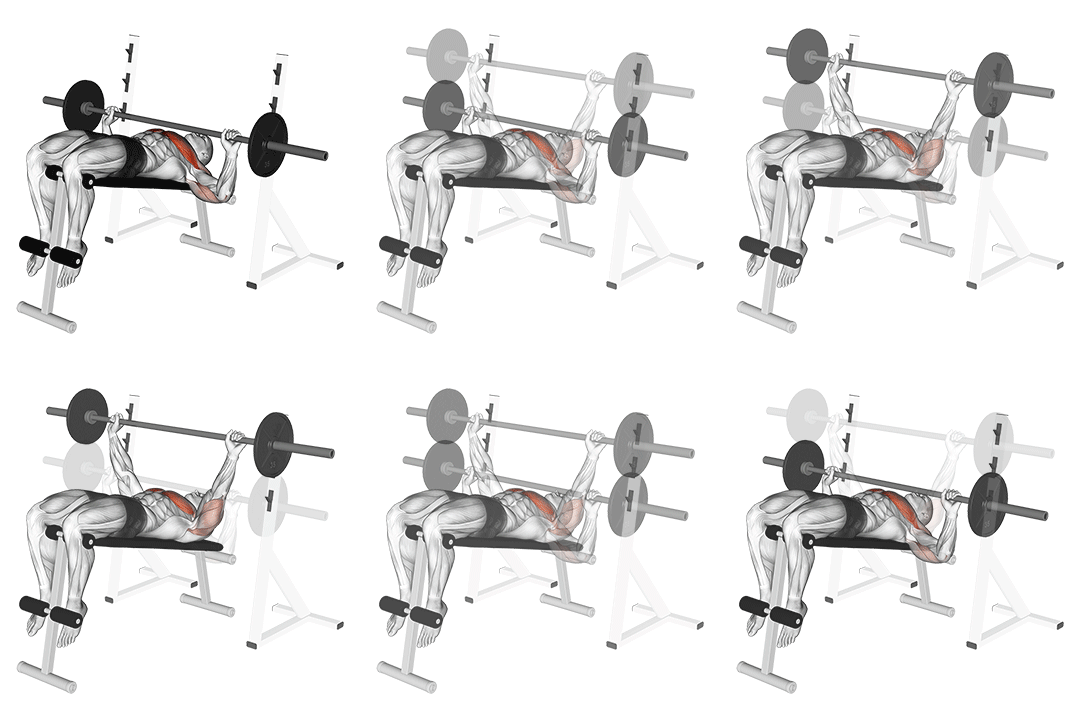
Barbell Decline Wide-grip Press
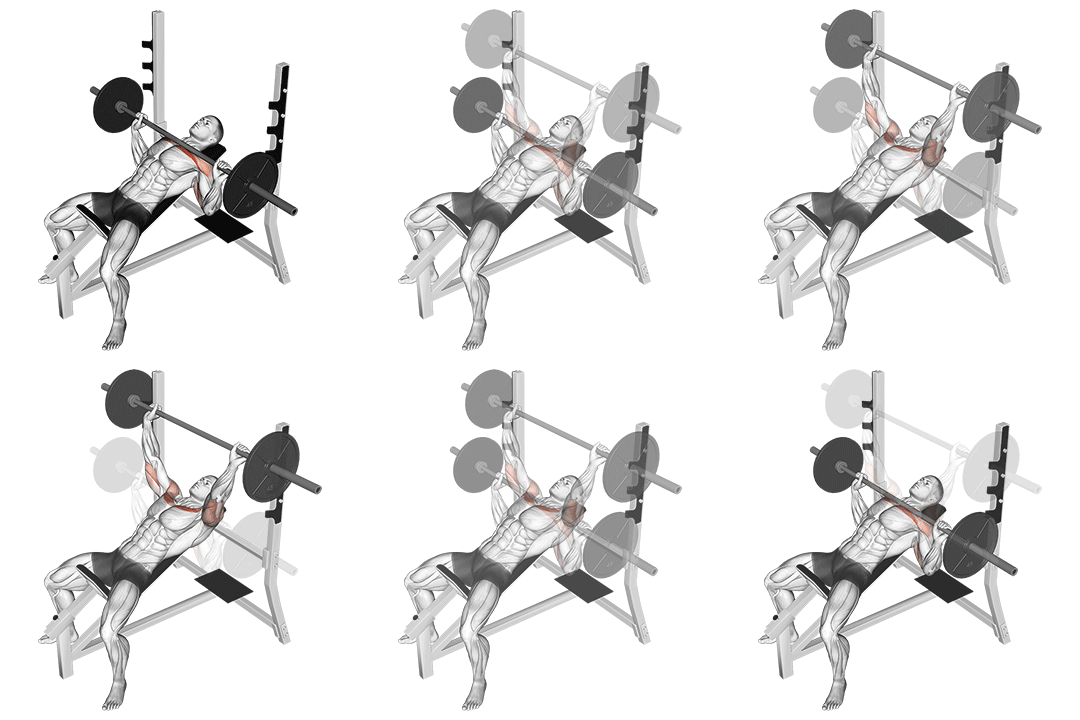
Barbell Incline Bench Press
Head-to-Head Comparison
| Attribute | Barbell Decline Wide-grip Press | Barbell Incline Bench Press |
|---|---|---|
| Target Muscle |
Pectorals
|
Pectorals
|
| Body Part |
Chest
|
Chest
|
| Equipment |
Barbell
|
Barbell
|
| Difficulty |
Intermediate
|
Intermediate
|
| Movement Type |
Compound
|
Compound
|
| Secondary Muscles |
2
|
2
|
Secondary Muscles Activated
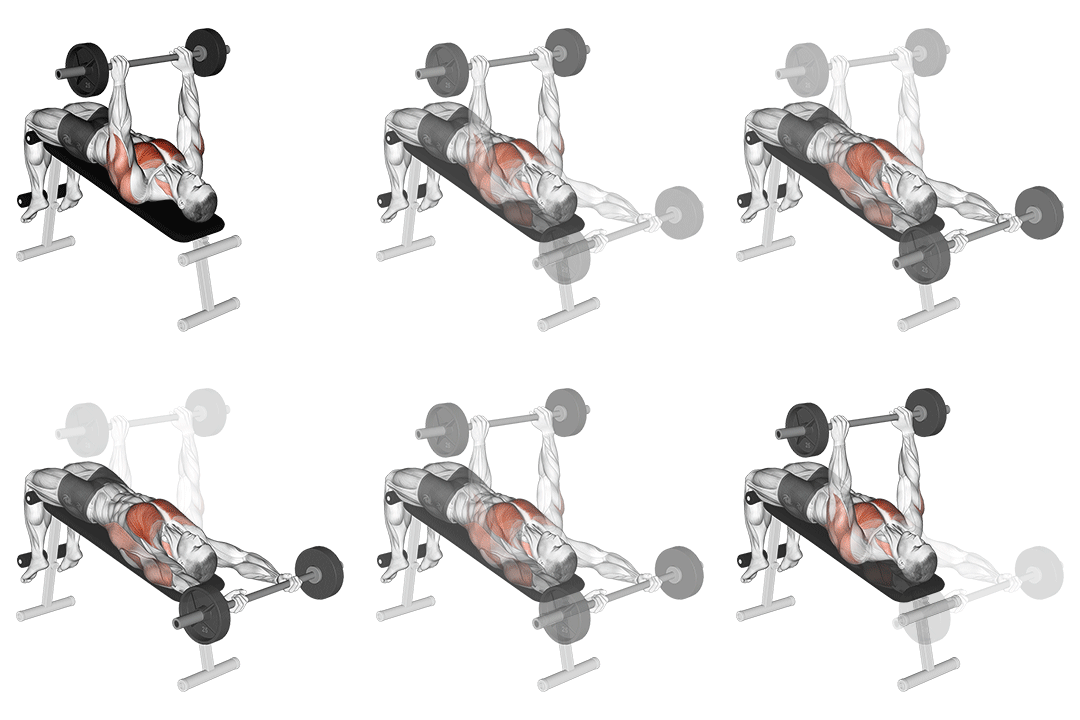
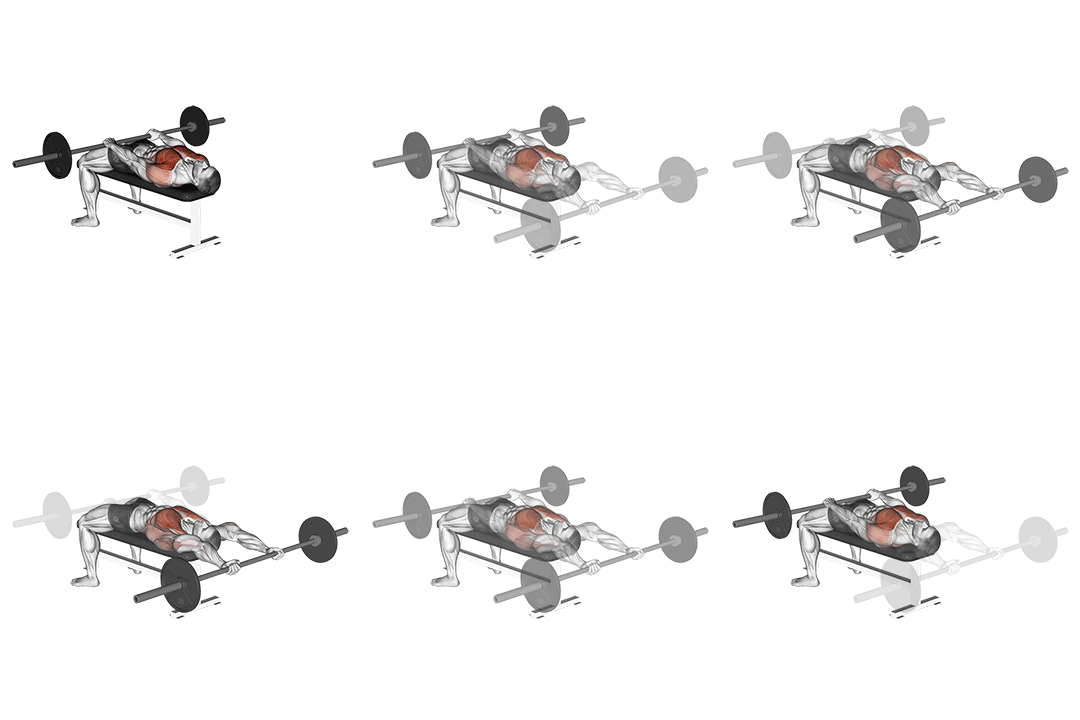
Barbell Decline Wide-grip Press
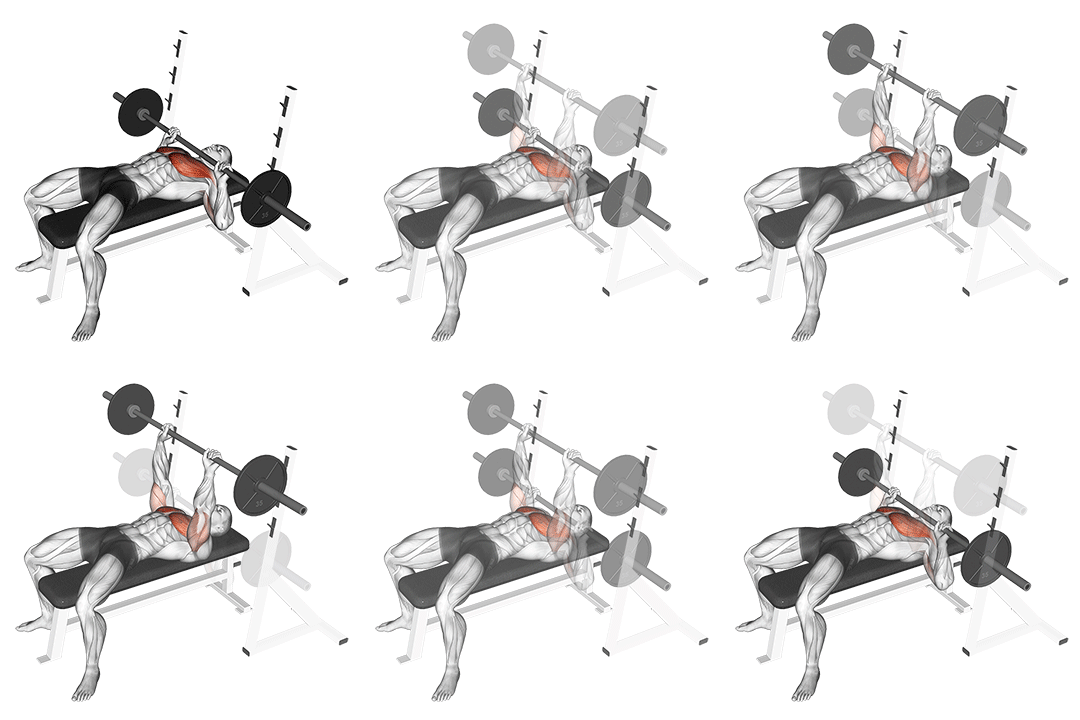
Barbell Incline Bench Press
Visual Comparison
Overview
Barbell Decline Wide-grip Press vs Barbell Incline Bench Press — two staple barbell chest moves, but they load the pecs very differently. If you want clearer direction for your program, this guide breaks down muscle activation, equipment needs, technical cues, risk factors, and when to use each lift. You’ll get specific angle recommendations (decline ~15–30°, incline ~30–45°), rep ranges for hypertrophy and strength, and practical coaching tips so you can choose the exercise that matches your goals and biomechanics.
Key Differences
- Both exercises target the Pectorals using Barbell. The main differences are in their movement patterns and muscle activation angles.
Pros & Cons
Barbell Decline Wide-grip Press
+ Pros
- Stronger mechanical advantage for heavier loads due to favorable bar path and torso angle
- Greater emphasis on sternal (lower) pec fibers for chest thickness
- Lower anterior shoulder torque compared with steep incline angles
- Wide grip increases horizontal adduction and chest stimulus
− Cons
- Decline benches are less common and harder to set up safely at home
- Wider grip can stress wrists and reduce triceps contribution for some lifters
- Requires secure foot anchoring and tight bracing to avoid sliding and lower-back strain
Barbell Incline Bench Press
+ Pros
- Better at targeting the clavicular (upper) pec for balanced chest development
- More common equipment and easier to program variations (angle, grip, tempo)
- Transfers well to overhead and pressing strength
- Adjustable bench angles allow fine-tuning stress between chest and shoulders
− Cons
- Steeper angles (>40°) shift load to anterior deltoids, reducing chest focus
- Higher shoulder torque increases risk for those with anterior shoulder issues
- Often requires lighter loads for strict form, limiting raw load progression
When Each Exercise Wins
The decline wide-grip press places a stronger horizontal adduction vector on the sternal pec, allowing greater mechanical tension on lower chest fibers. Use 6–12 reps, 3–5 sets, and progressive overload to maximize muscle growth.
Because decline often offers a better leverage and allows heavier absolute loads, it supports raw pressing strength. Train low reps (3–6) with long rests and focus on tight bracing and powerful lockouts.
Incline has an easier learning curve, more available equipment, and more forgiving technique. Start at 30° with 8–12 reps to build coordination and balanced shoulder-chest strength.
Adjustable benches are common in home setups while decline benches are rare. An incline bench provides angle versatility so you can hit upper and mid-chest with one piece of equipment.
Frequently Asked Questions
Can I do both Barbell Decline Wide-grip Press and Barbell Incline Bench Press in the same workout?
Yes — pairing them works well if you manage volume. Do heavier decline sets first for strength (3–6 reps), then lighter incline sets for upper-chest hypertrophy (8–12 reps) while monitoring fatigue and shoulder discomfort.
Which exercise is better for beginners?
Barbell Incline Bench Press is generally better for beginners because the setup is simpler and the angle reduces awkward bracing. Start at 30° with moderate reps to build technique before adding heavier compound decline work.
How do the muscle activation patterns differ?
Decline increases horizontal adduction and places peak tension on sternal pec fibers, with peak force closer to lockout. Incline shifts the force vector upward, increasing clavicular pec and anterior deltoid activation, with significant mid-range tension during shoulder flexion.
Can Barbell Incline Bench Press replace Barbell Decline Wide-grip Press?
Incline can substitute if your goal is balanced chest development or equipment limits you, but it won’t replicate the same lower-pec emphasis or leverage for maximal loads. If you need heavy lower-chest stimulus, keep decline in your program periodically.
Expert Verdict
For focused lower-chest mass and heavy-load pressing, the Barbell Decline Wide-grip Press is the stronger choice due to its favorable force vector and leverage. If your goal is balanced chest development, upper-chest thickness, or you need exercise simplicity and equipment accessibility, the Barbell Incline Bench Press is the better pick — set the bench at 30–35° to prioritize the clavicular head without excessive shoulder strain. Use decline presses 1–2x/week in block phases for heavy loading and include incline variations (different angles, tempo) to round out development and reduce imbalances. Match angle, rep ranges (3–6 for strength, 6–12 for hypertrophy), and grip to your shoulder health and training phase.
Also Compare
More comparisons with Barbell Decline Wide-grip Press
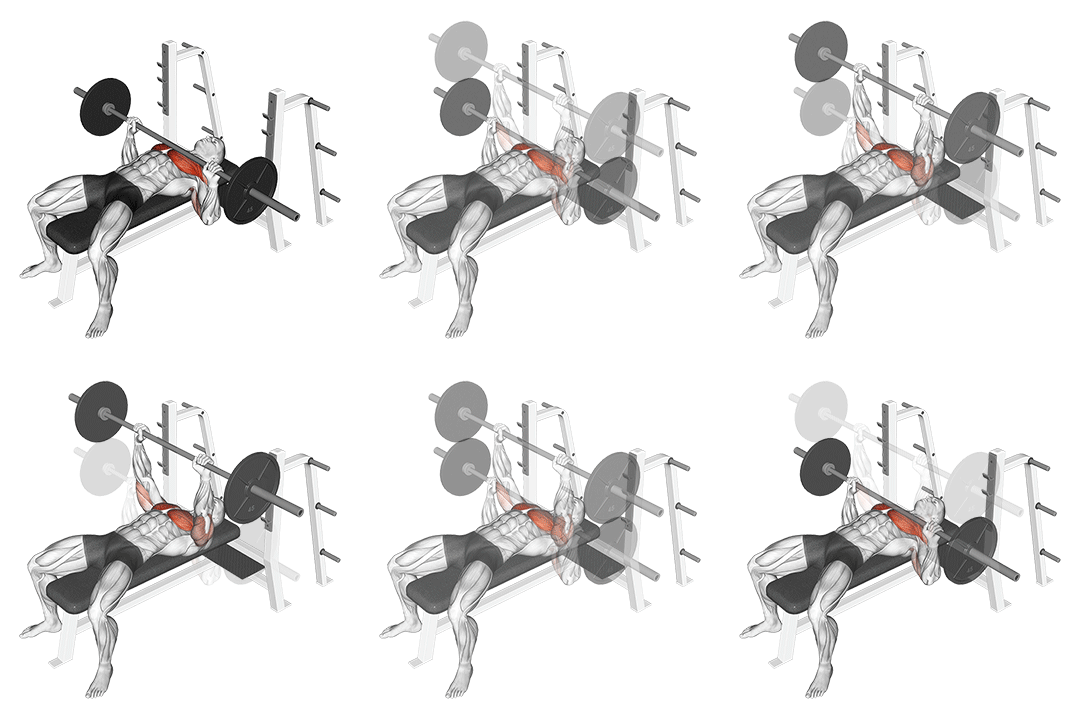
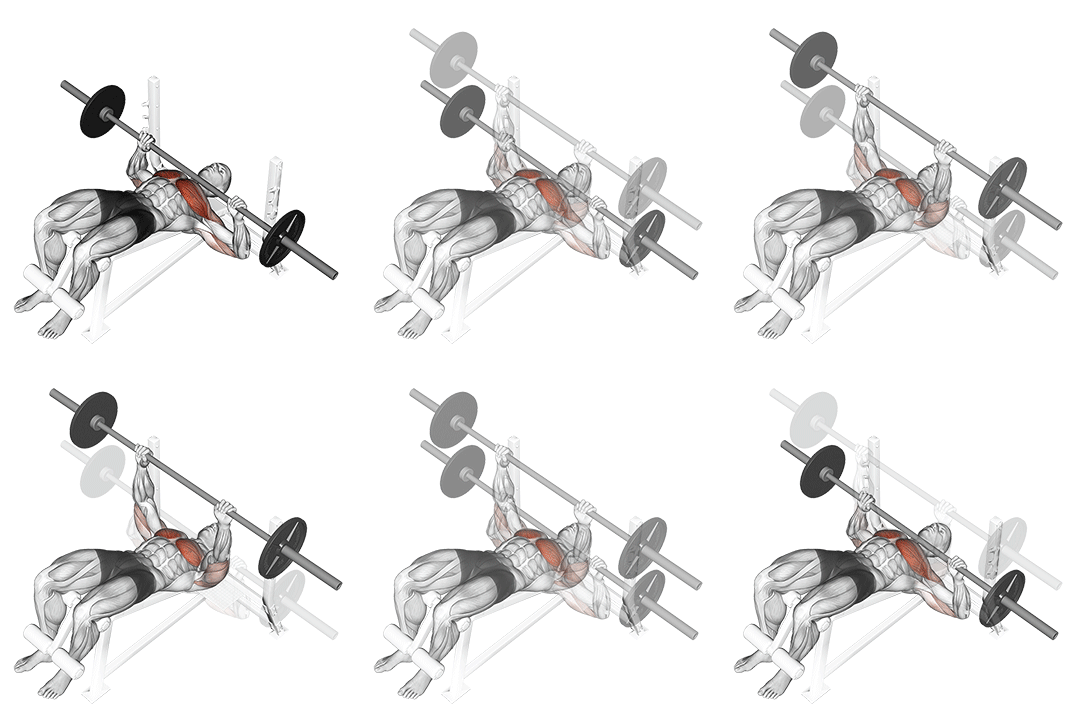
More comparisons with Barbell Incline Bench Press
Compare More Exercises
Use our free comparison tool to analyze any two exercises head-to-head.
Compare Exercises