

Barbell Decline Wide-grip Press vs Bench Press - Powerlifting: Complete Comparison Guide
Barbell Decline Wide-grip Press vs Bench Press - Powerlifting — you’re picking between two heavy-hitting chest moves that look similar but load your body very differently. I’ll walk you through how each targets the pecs, which secondary muscles take the load, setup and equipment needs, technique cues (angles, bar path, grip), and which to choose for hypertrophy, raw strength, or beginner-friendly training. Expect clear rep-range prescriptions (1–5 for maximal strength, 6–12 for hypertrophy), decline angles (15–30°), and practical coaching tips so you can pick the right lift for your goals.
Exercise Comparison
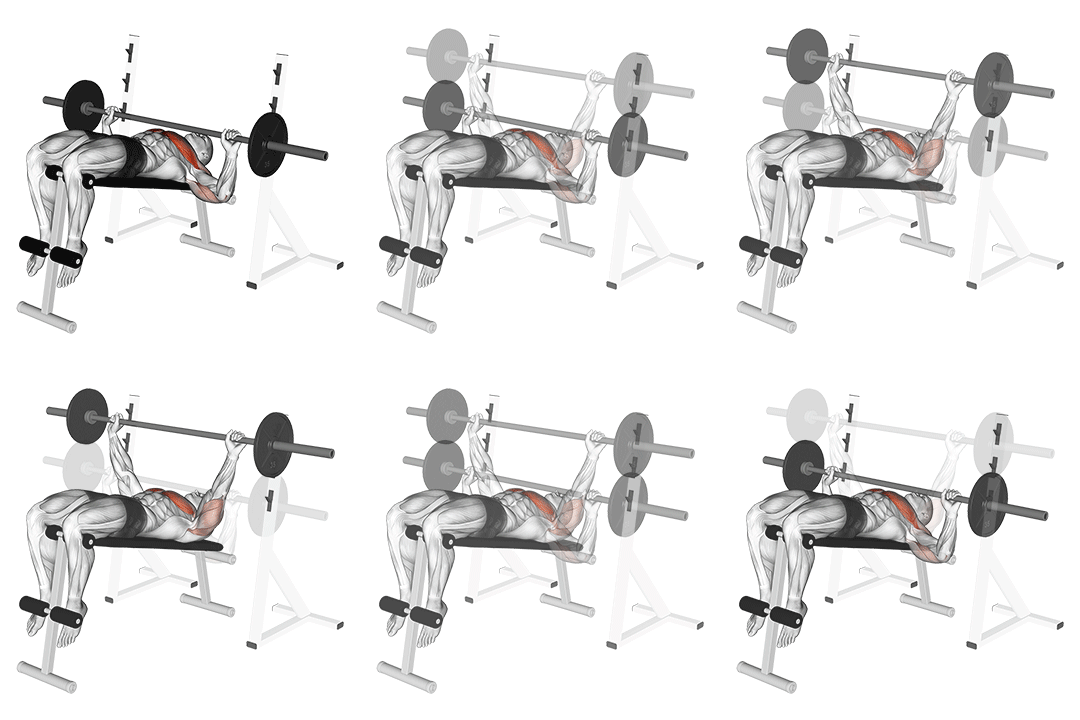
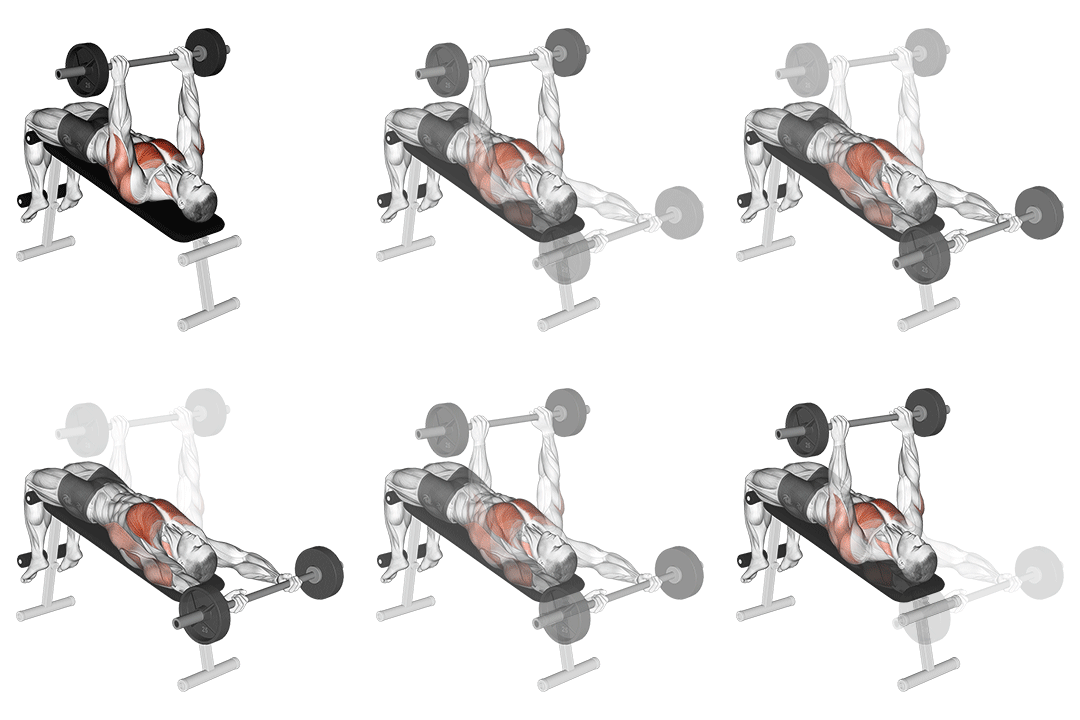
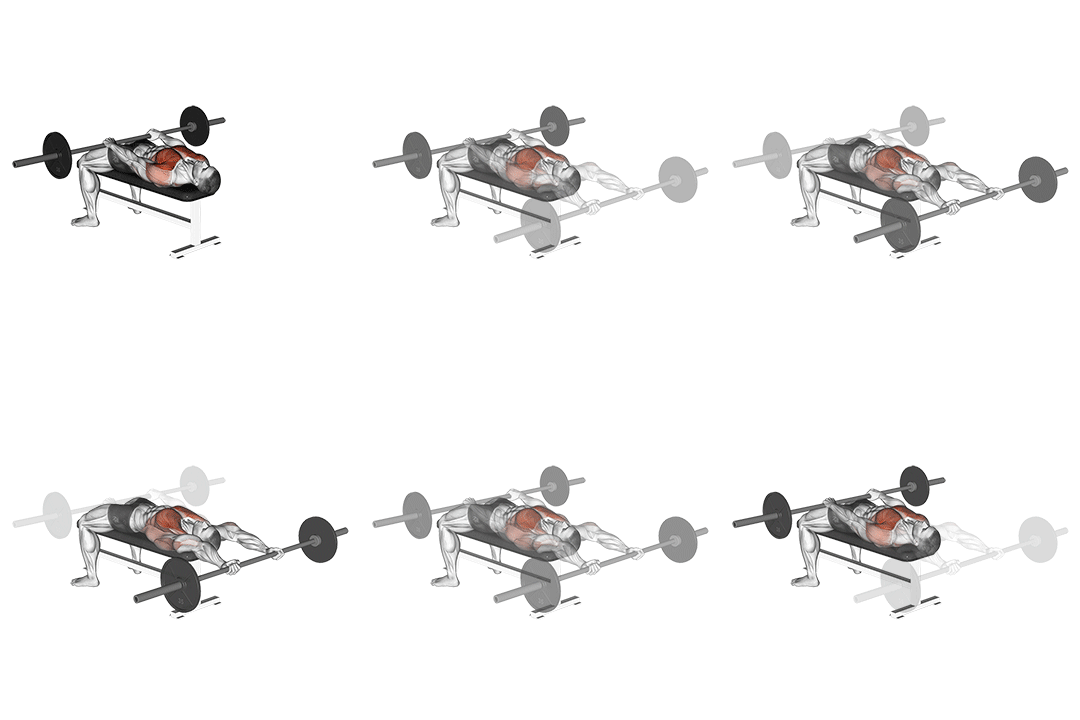
Barbell Decline Wide-grip Press
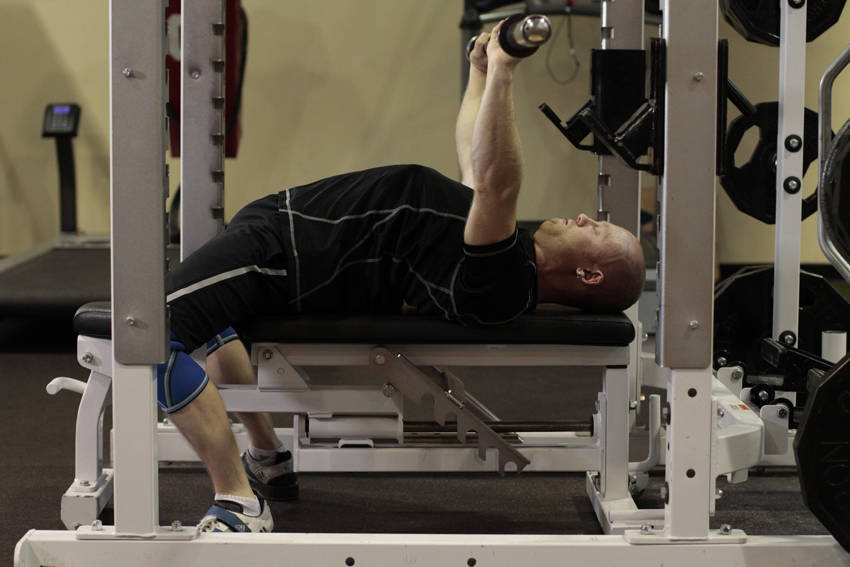
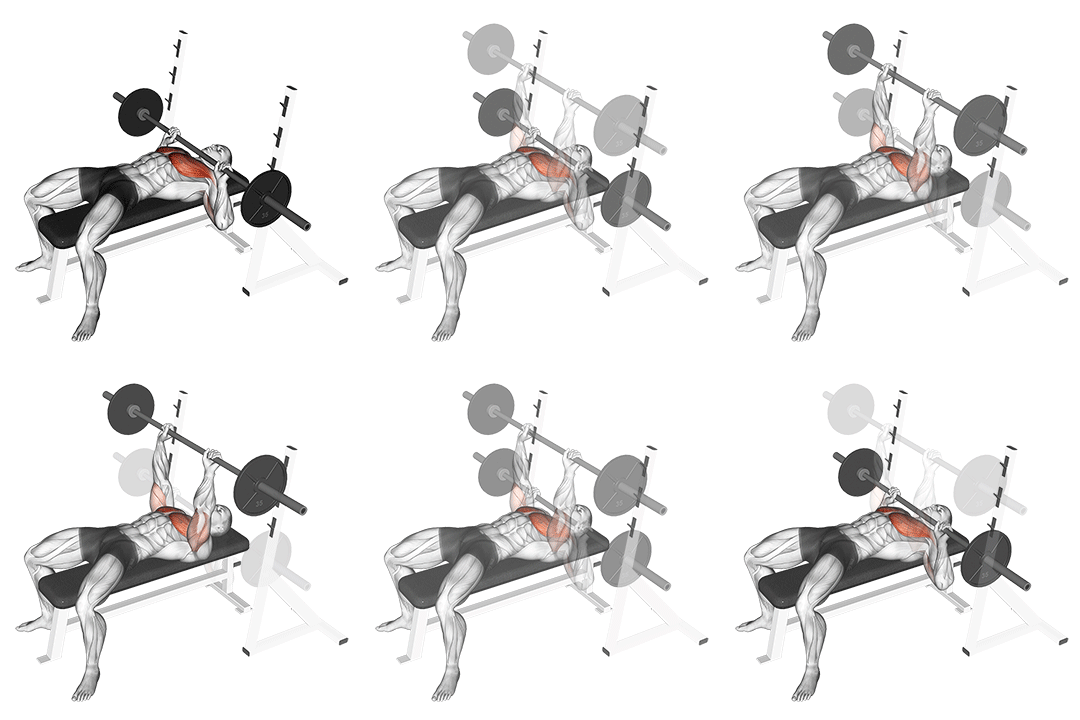
Bench Press - Powerlifting
Head-to-Head Comparison
| Attribute | Barbell Decline Wide-grip Press | Bench Press - Powerlifting |
|---|---|---|
| Target Muscle |
Pectorals
|
Pectorals
|
| Body Part |
Chest
|
Chest
|
| Equipment |
Barbell
|
Barbell
|
| Difficulty |
Intermediate
|
Advanced
|
| Movement Type |
Compound
|
Compound
|
| Secondary Muscles |
2
|
4
|
Secondary Muscles Activated
Barbell Decline Wide-grip Press
Bench Press - Powerlifting
Visual Comparison
Overview
Barbell Decline Wide-grip Press vs Bench Press - Powerlifting — you’re picking between two heavy-hitting chest moves that look similar but load your body very differently. I’ll walk you through how each targets the pecs, which secondary muscles take the load, setup and equipment needs, technique cues (angles, bar path, grip), and which to choose for hypertrophy, raw strength, or beginner-friendly training. Expect clear rep-range prescriptions (1–5 for maximal strength, 6–12 for hypertrophy), decline angles (15–30°), and practical coaching tips so you can pick the right lift for your goals.
Key Differences
- Difficulty levels differ: Barbell Decline Wide-grip Press is intermediate, while Bench Press - Powerlifting is advanced.
- Both exercises target the Pectorals using Barbell. The main differences are in their movement patterns and muscle activation angles.
Pros & Cons
Barbell Decline Wide-grip Press
+ Pros
- Direct lower-pectoral emphasis to shape the sternal head
- Shorter ROM often lets you handle heavier working sets for hypertrophy
- Less anterior deltoid strain due to decline angle
- Good transfer to pressing power when lockout is not the primary goal
− Cons
- Requires a decline bench, which is less common
- Wide grip increases shoulder torque and pectoral strain risk if misused
- Less carryover to maximal flat bench strength and competition setup
Bench Press - Powerlifting
+ Pros
- Superior for building maximal pressing strength and 1RM progressions
- Greater total pec loading through larger ROM and eccentric stress
- Common equipment and strong transfer to sports that demand horizontal pushing
- Easily scaled with technique (arch, leg drive) and accessory work
− Cons
- Advanced technique increases learning time and technical error risk
- Higher demands on shoulders, triceps, and lower back with heavy loads
- Requires spotters, rack safety or careful setup for very heavy singles
When Each Exercise Wins
Decline wide-grip places constant peak tension on the lower pectorals and shortens the pec at lockout, making it ideal for 6–12 rep sets and accumulating time under tension for muscle growth.
The powerlifting bench allows large arch, aggressive leg drive, and technique-specific overload, optimizing 1–5 rep strength progressions and neural adaptations for maximal pressing power.
Decline pressing uses a shorter ROM and simpler setup that reduces shoulder flexion demand, letting new lifters build chest strength and motor control before layering advanced bench technique.
Flat benches and power racks are more common in home gyms than decline benches; a flat bench with safety pins lets you train safely and progress strength with fewer specialized pieces.
Frequently Asked Questions
Can I do both Barbell Decline Wide-grip Press and Bench Press - Powerlifting in the same workout?
Yes — pair them smartly: use the powerlifting bench as your heavy strength movement (1–5 reps) and the decline wide-grip as an accessory for 6–12 rep hypertrophy sets. Limit total pressing volume and place the decline later in the session to avoid technical breakdown on heavy singles.
Which exercise is better for beginners?
Barbell Decline Wide-grip Press is more beginner-friendly because the decline angle shortens ROM and lessens anterior deltoid strain, letting you build chest strength and control before learning advanced bench mechanics like arch and leg drive.
How do the muscle activation patterns differ?
Decline wide-grip shifts the force vector more horizontally, increasing peak lower-pectoral contraction and shortening the muscle at lockout. Powerlifting bench increases eccentric stretch at the bottom and uses a larger range of motion, recruiting more triceps and stabilizing lats during heavy sets.
Can Bench Press - Powerlifting replace Barbell Decline Wide-grip Press?
For raw strength and competition prep, the powerlifting bench can replace decline presses, but you’ll lose some targeted lower-pectoral emphasis. If hypertrophy or lower-pec development is a priority, keep decline presses in your program as an accessory.
Expert Verdict
Use the Barbell Decline Wide-grip Press when your goal is targeted lower-pectoral hypertrophy and you want a shorter ROM that emphasizes peak contraction (work in 6–12 rep ranges, 3–5 sets, decline angle ~15°–30°). Choose the Bench Press - Powerlifting when your primary goal is maximal strength and competition performance — focus on 1–5 rep sets, tight setup, arch, and leg drive. For balanced development, alternate phases: a 6–8 week hypertrophy block emphasizing decline wide-grip, then a 6–8 week strength block focused on powerlifting bench technique. Prioritize progressive overload, scapular control, and conservative grip widths to manage injury risk.
Also Compare
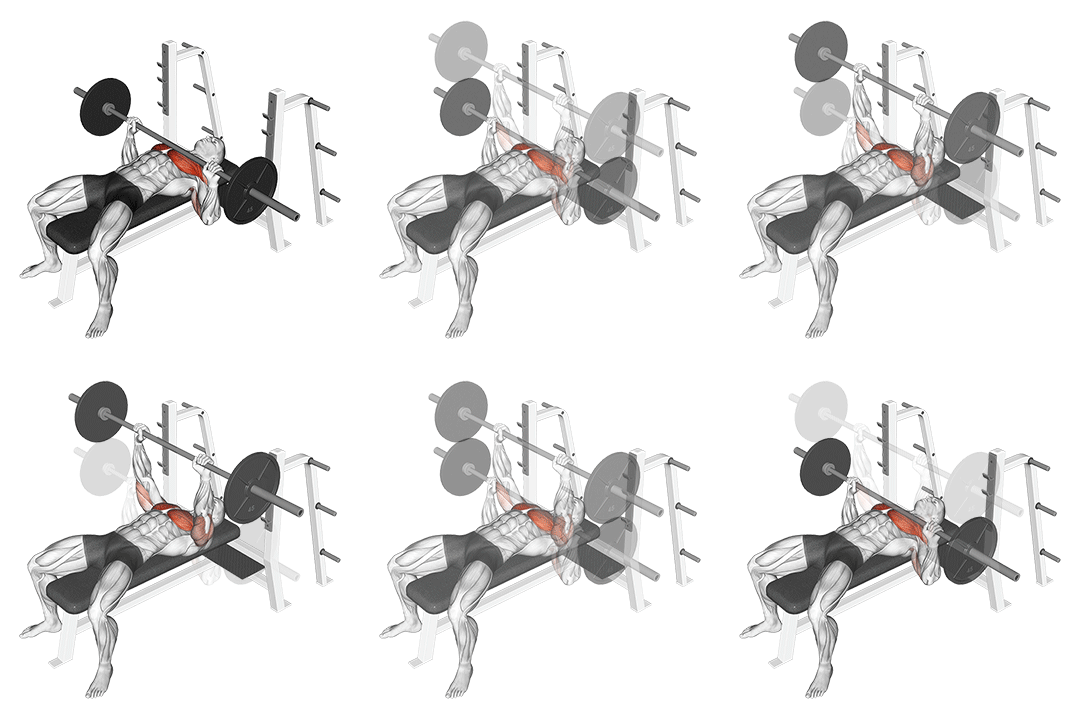
More comparisons with Barbell Decline Wide-grip Press
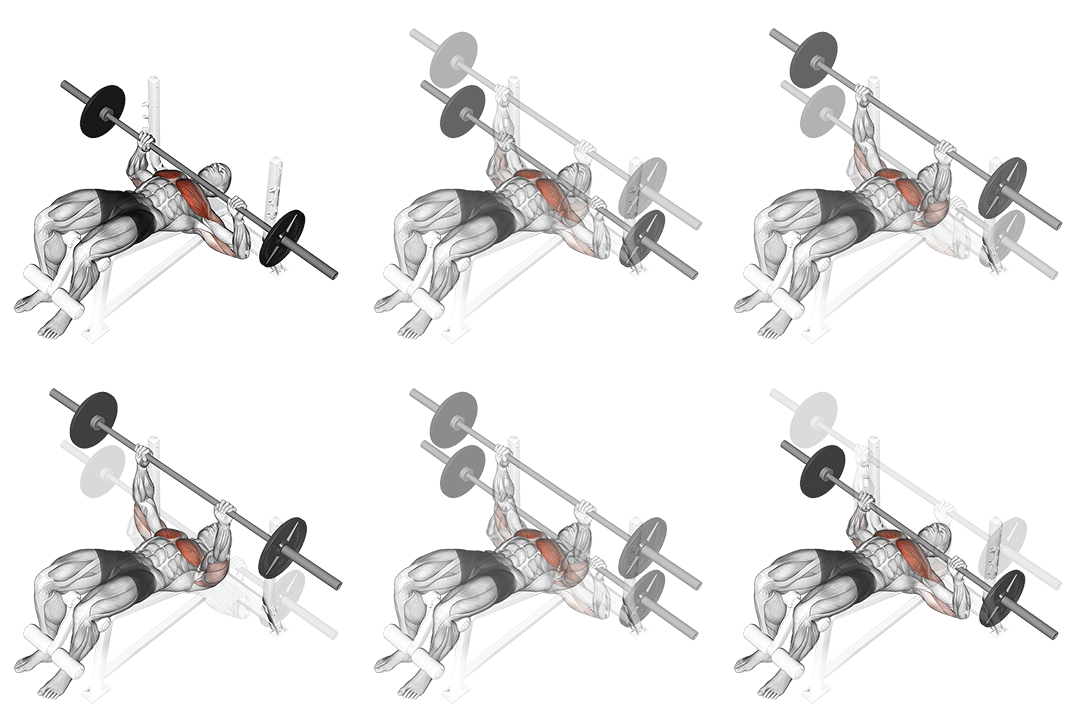
More comparisons with Bench Press - Powerlifting
Compare More Exercises
Use our free comparison tool to analyze any two exercises head-to-head.
Compare Exercises