

Barbell Front Raise And Pullover vs Bench Press - Powerlifting: Complete Comparison Guide
Barbell Front Raise And Pullover vs Bench Press - Powerlifting is a clear-cut contrast between a hybrid chest-builder that mixes shoulder-driven movement with a long‑arc pec stretch and a heavy horizontal press built for raw force. You’ll get targeted guidance on muscle activation, equipment needs, learning curves, injury risk, and when to use each for hypertrophy or strength. Read on for specific cues (elbow path, torso angle, bar path), rep ranges (6–12 vs 1–5), and biomechanical reasons to pick one over the other based on your goal and training setup.
Exercise Comparison
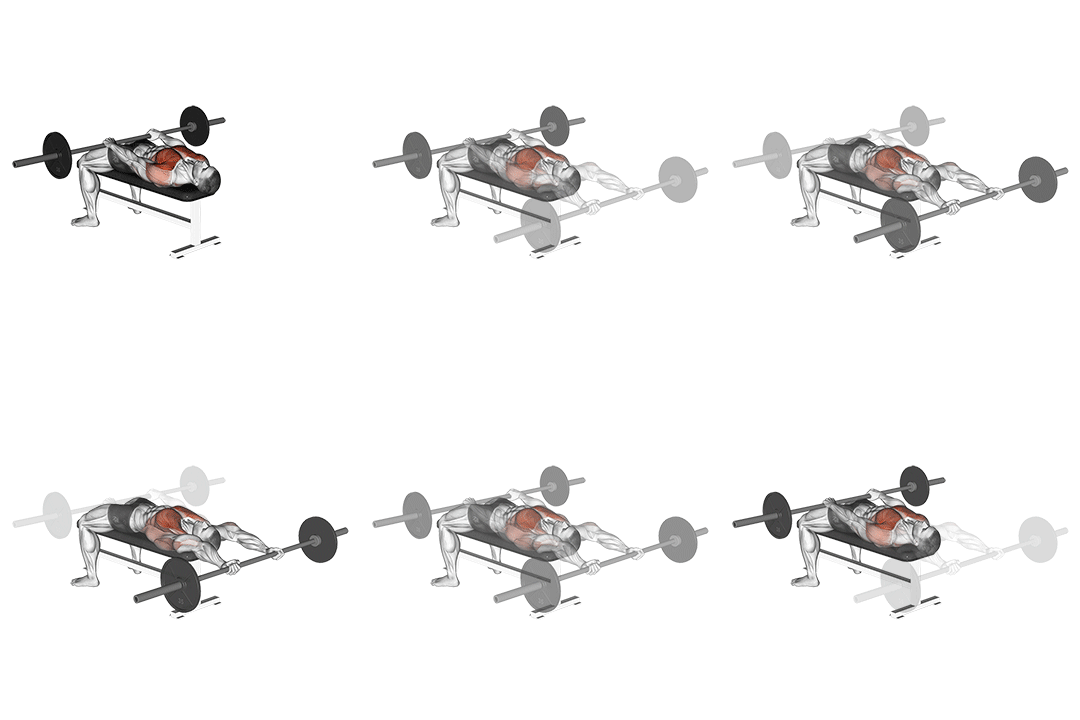
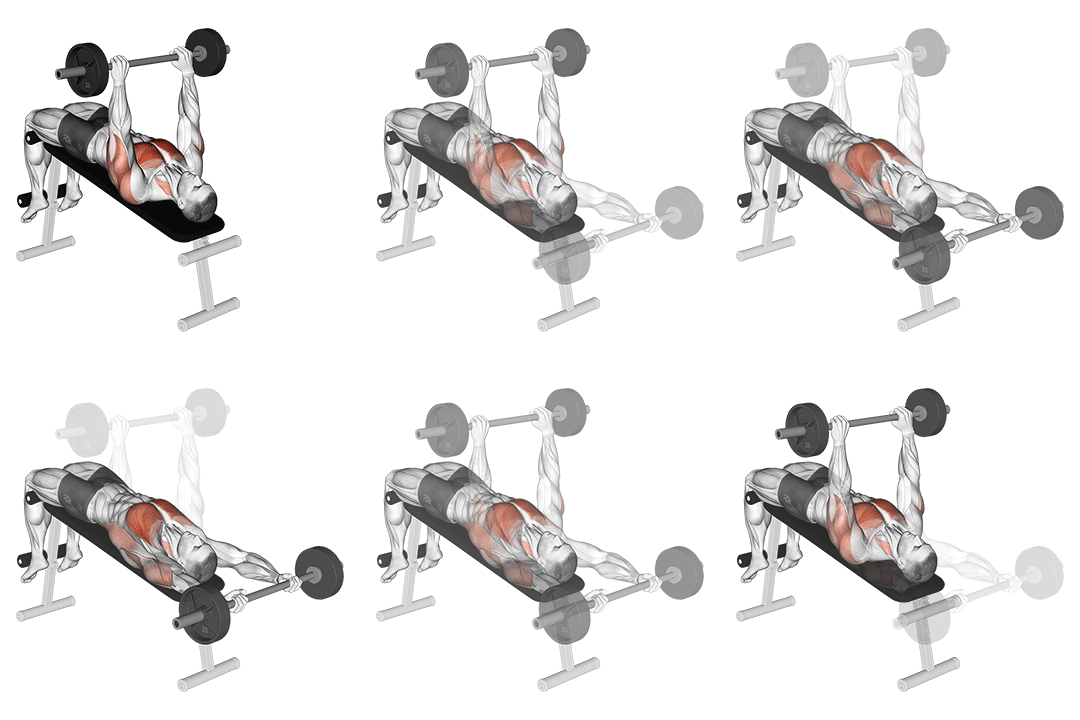
Barbell Front Raise And Pullover
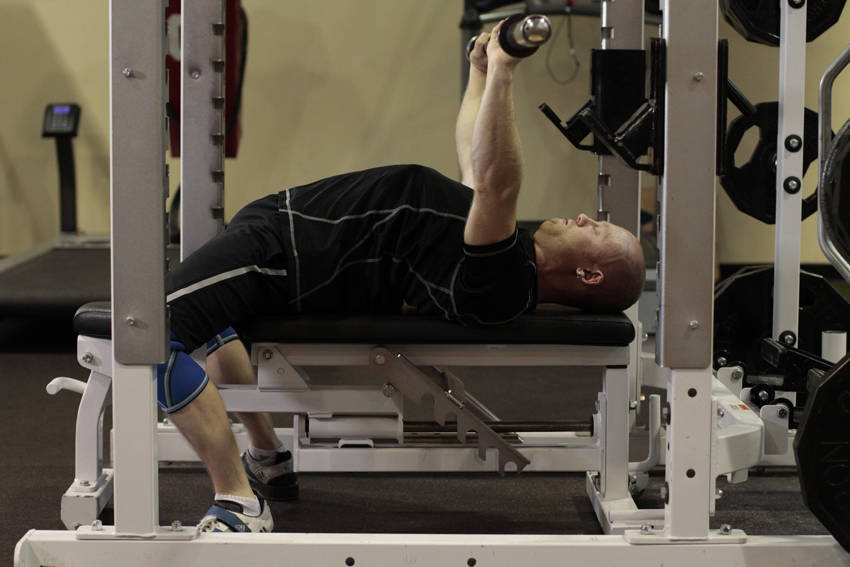
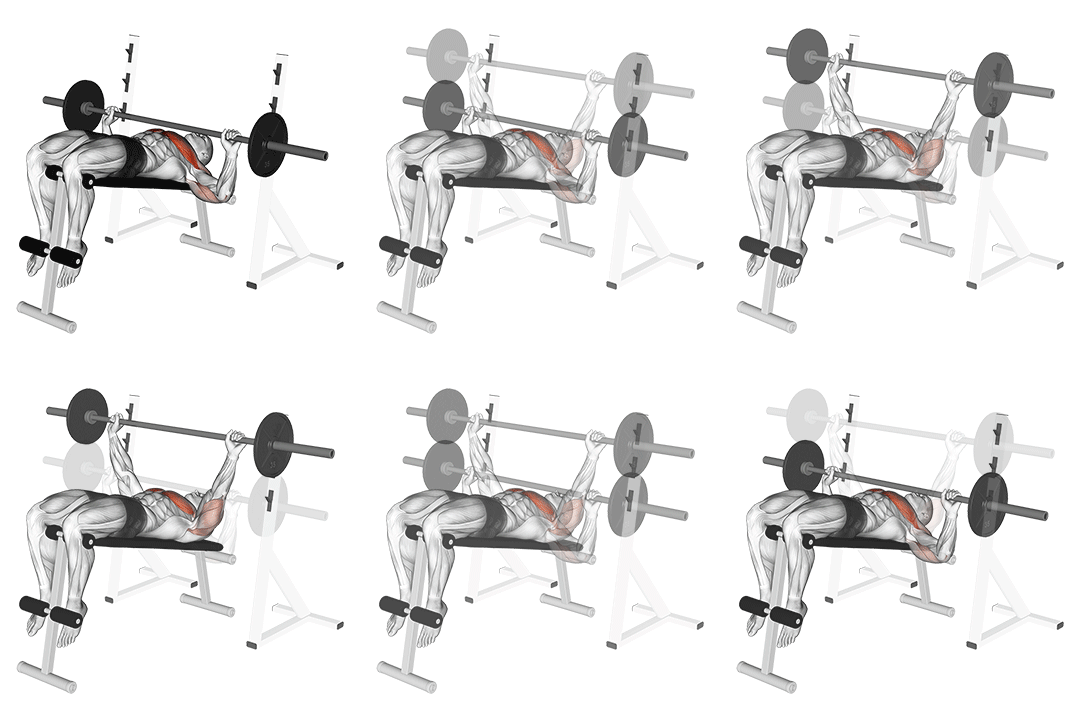
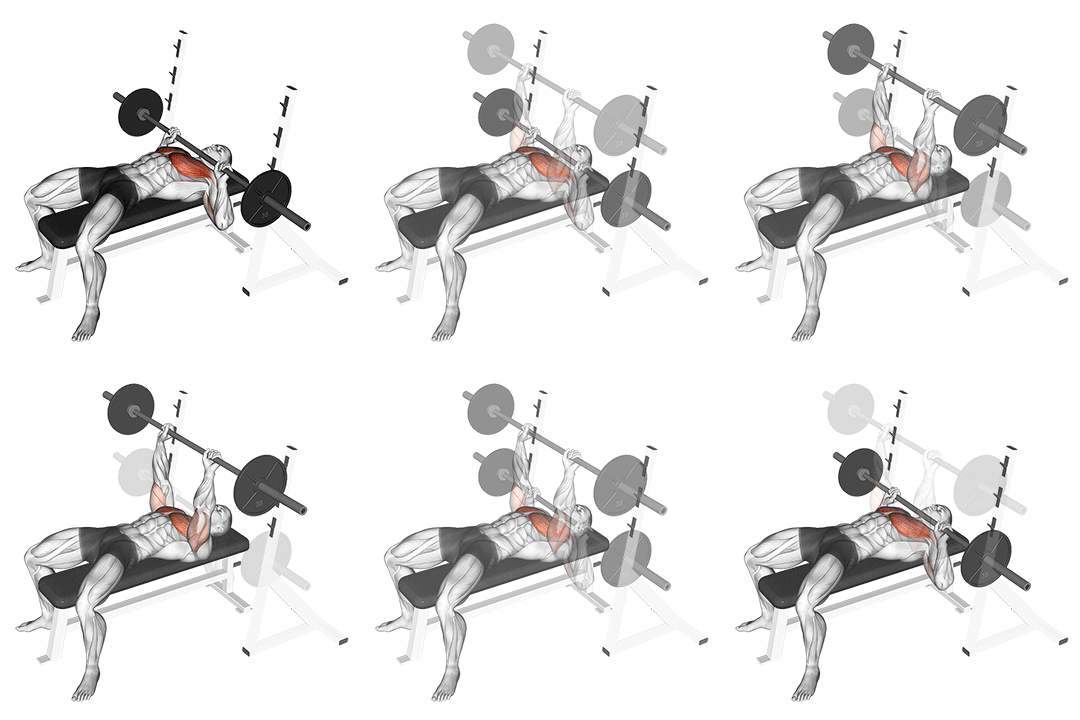
Bench Press - Powerlifting
Head-to-Head Comparison
| Attribute | Barbell Front Raise And Pullover | Bench Press - Powerlifting |
|---|---|---|
| Target Muscle |
Pectorals
|
Pectorals
|
| Body Part |
Chest
|
Chest
|
| Equipment |
Barbell
|
Barbell
|
| Difficulty |
Intermediate
|
Advanced
|
| Movement Type |
Compound
|
Compound
|
| Secondary Muscles |
2
|
4
|
Secondary Muscles Activated
Barbell Front Raise And Pullover
Bench Press - Powerlifting
Visual Comparison
Overview
Barbell Front Raise And Pullover vs Bench Press - Powerlifting is a clear-cut contrast between a hybrid chest-builder that mixes shoulder-driven movement with a long‑arc pec stretch and a heavy horizontal press built for raw force. You’ll get targeted guidance on muscle activation, equipment needs, learning curves, injury risk, and when to use each for hypertrophy or strength. Read on for specific cues (elbow path, torso angle, bar path), rep ranges (6–12 vs 1–5), and biomechanical reasons to pick one over the other based on your goal and training setup.
Key Differences
- Difficulty levels differ: Barbell Front Raise And Pullover is intermediate, while Bench Press - Powerlifting is advanced.
- Both exercises target the Pectorals using Barbell. The main differences are in their movement patterns and muscle activation angles.
Pros & Cons
Barbell Front Raise And Pullover
+ Pros
- Emphasizes pec stretch and time under tension for hypertrophy
- Requires minimal equipment—no bench rack necessary
- Less absolute load on shoulder joint compared to max benching
- Good for targeting upper pec fibers via arc and angle variation
− Cons
- Lower absolute load limits for progressive strength
- Requires good shoulder mobility to avoid impingement
- Less carryover to maximal horizontal pressing strength
Bench Press - Powerlifting
+ Pros
- Largest potential for absolute strength and progressive overload
- Strong recruitment of pectorals, triceps, and anterior deltoid
- Highly scalable with load, tempo, and set/rep schemes
- Direct carryover to powerlifting and pressing performance
− Cons
- Requires bench, rack, and spotter for very heavy sets
- Higher injury risk with poor technique or excessive elbow flare
- Steeper technical learning curve for efficient bar path and leg drive
When Each Exercise Wins
Bench Press allows greater absolute mechanical tension and heavier loading (use 6–12 reps for hypertrophy phases or 3–5 for strength‑hypertrophy). Heavier loads produce broader fiber recruitment and, when combined with accessory volume, drive more total stimulus for pectoral muscle growth.
Bench Press is the direct strength exercise: train 1–5 reps, focus on bar path, leg drive, and progressive overload to build maximal horizontal pressing strength that transfers to powerlifting performance.
The combined raise/pullover is easier to coach for basic movement quality and places less maximal load on shoulder and pec tendons; use 8–15 rep ranges to build structural muscle and control before progressing to heavy benching.
Requires only a barbell and space for the pullover arc, so you can target the chest effectively without a bench or spotter, making it more practical for limited equipment setups.
Frequently Asked Questions
Can I do both Barbell Front Raise And Pullover and Bench Press - Powerlifting in the same workout?
Yes. Use Bench Press as your primary heavy movement (sets of 1–5 for strength or 6–12 for hypertrophy), then add Barbell Front Raise And Pullover as an accessory (3–4 sets of 8–15) to increase time under tension and work the pecs through a different length‑tension curve.
Which exercise is better for beginners?
Barbell Front Raise And Pullover is generally better for beginners because it’s easier to teach and lower in absolute load while still targeting the chest. Beginners can build shoulder control, mobility, and work capacity before attempting heavy bench press technique.
How do the muscle activation patterns differ?
Bench Press produces peak pec activation during the concentric press via horizontal adduction and strong triceps involvement for elbow extension. The Front Raise + Pullover shifts activation toward anterior deltoid during the raise, then increases pec length‑tension during the pullover’s long‑arc shoulder extension, raising time under tension but at lower absolute force.
Can Bench Press - Powerlifting replace Barbell Front Raise And Pullover?
Bench Press can replace the pullover for strength and mass if you have bench access and prioritize load, but you lose the specific long‑arc pec stretch and anterior deltoid emphasis. Keep the pullover as an accessory if you want extra length‑tension stimulus or have limited bench access.
Expert Verdict
If your primary goal is maximal pressing strength and competition performance, prioritize the Bench Press - Powerlifting: it offers the highest ceiling for load, direct transfer to powerlifting, and superior progression for 1–5 rep strength cycles. If your goal is targeted chest development without heavy apparatus or you’re building shoulder control and pec stretch, the Barbell Front Raise And Pullover is a strong accessory choice—use 8–15 reps, controlled eccentrics, and focus on scapular stability. For balanced programs, use the pullover sequence as an accessory and bench press as the main lift, adjusting volume and technique cues to your current skill and mobility levels.
Also Compare
More comparisons with Barbell Front Raise And Pullover
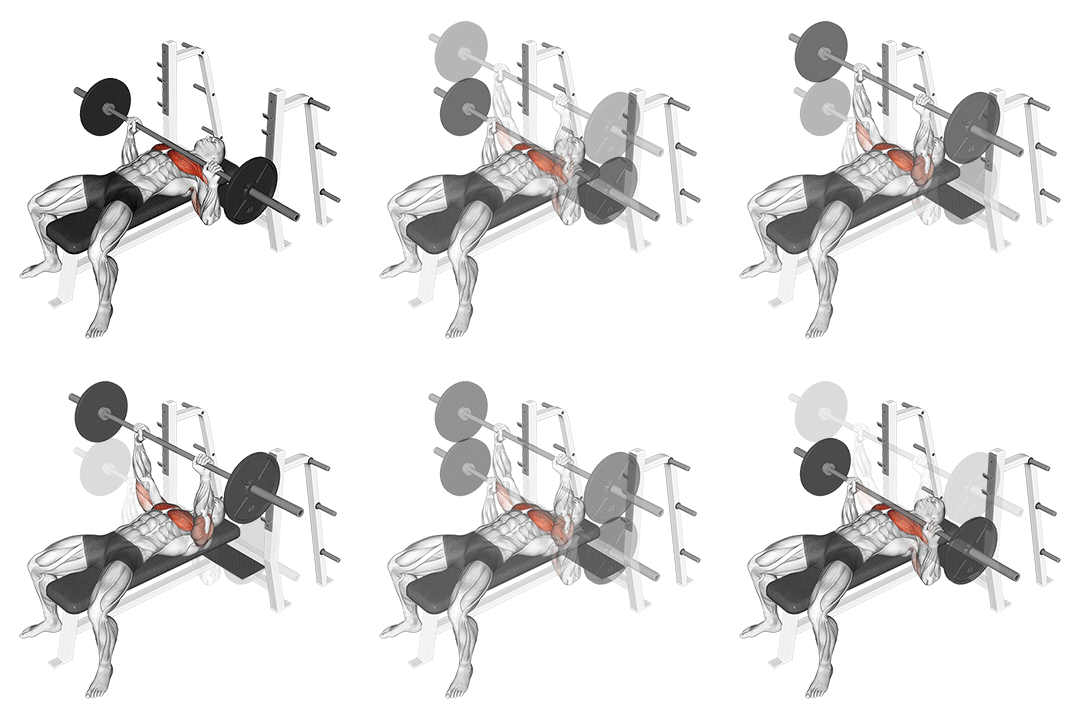
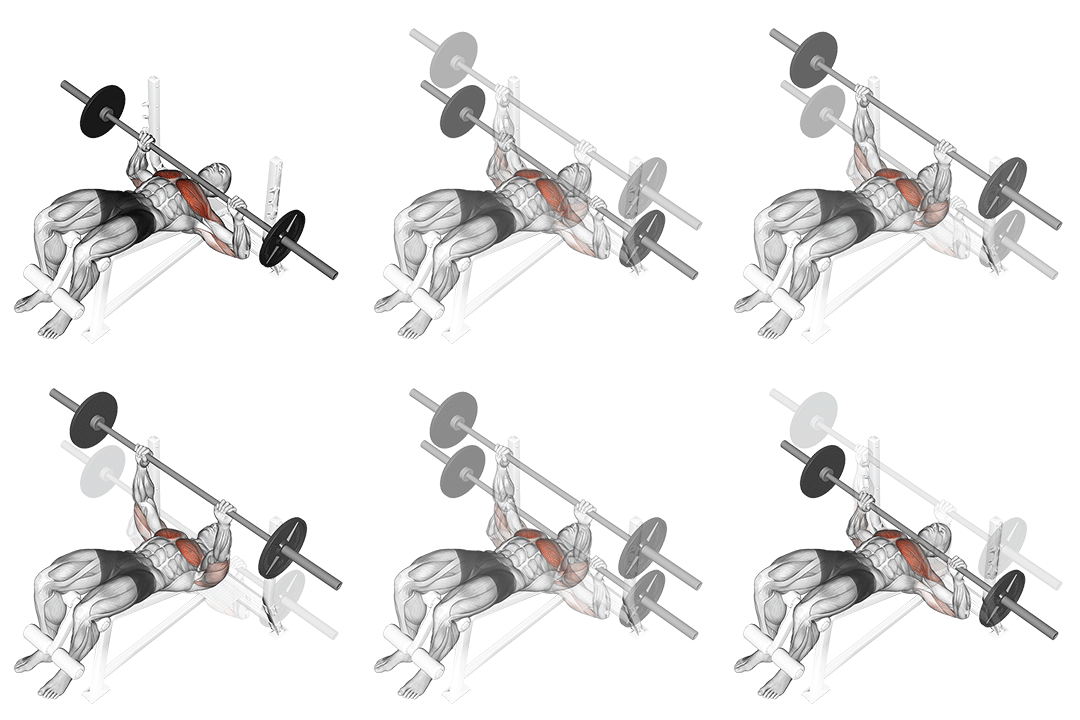
More comparisons with Bench Press - Powerlifting
Compare More Exercises
Use our free comparison tool to analyze any two exercises head-to-head.
Compare Exercises