Barbell Guillotine Bench Press vs Barbell Incline Bench Press

Compare target muscles, equipment, difficulty, movement type, and secondary muscles for Barbell Guillotine Bench Press and Barbell Incline Bench Press.

Change comparison Share

Get comparison link

Select the link and use your device's Copy command.

Comparison overview

AI-generated
Barbell Guillotine Bench Press vs Barbell Incline Bench Press — if you want a clearer plan for chest development, this comparison will cut through the noise. I’ll walk you through how each move loads the pectorals, how shoulder and triceps assist, and the biomechanics that change force direction and muscle length-tension. You’ll get specific technique cues, suggested angles (incline 15–30°), rep ranges for hypertrophy (6–12) and strength (3–6), plus safety tips and when to pick one over the other based on your goals and training level.

Exercise Comparison

Exercise A
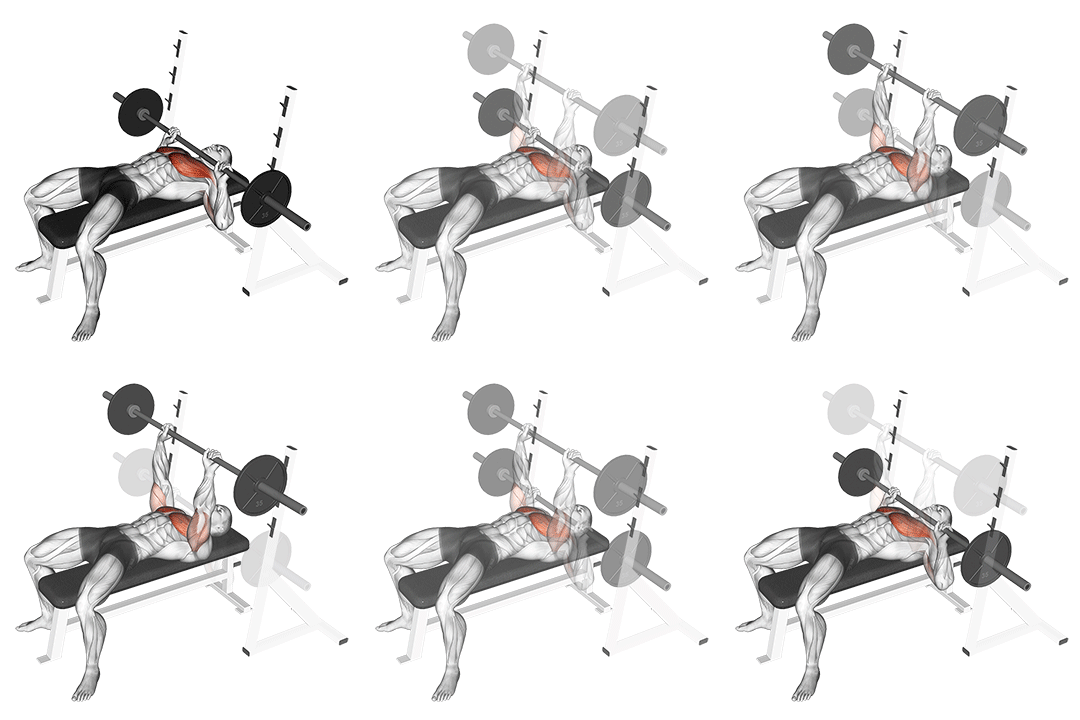
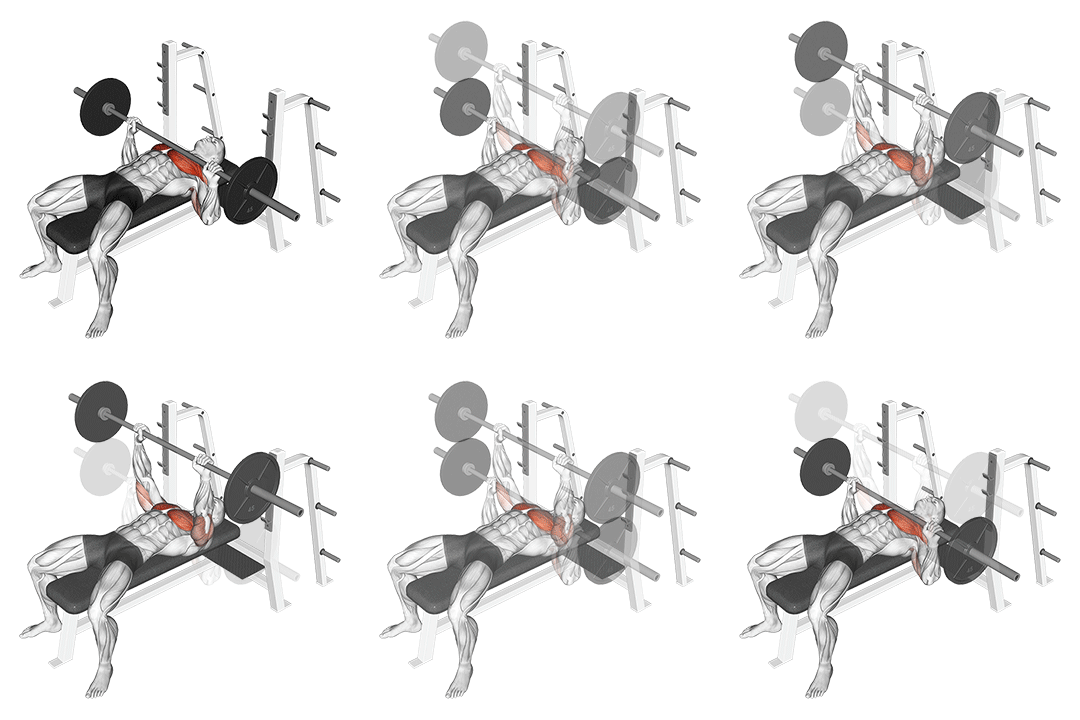
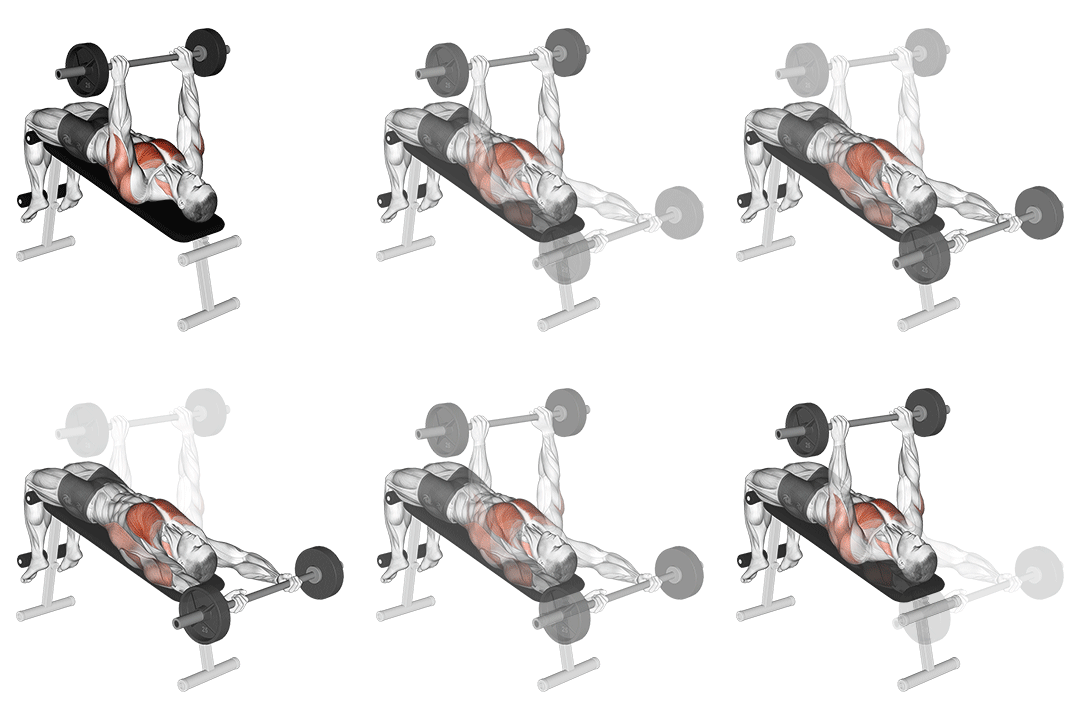
Barbell Guillotine Bench Press demonstration

Barbell Guillotine Bench Press

Target Pectorals
Equipment Barbell
Body Part Chest
Difficulty Advanced
Movement Compound
Secondary Muscles
Shoulders Triceps
VS
Exercise B
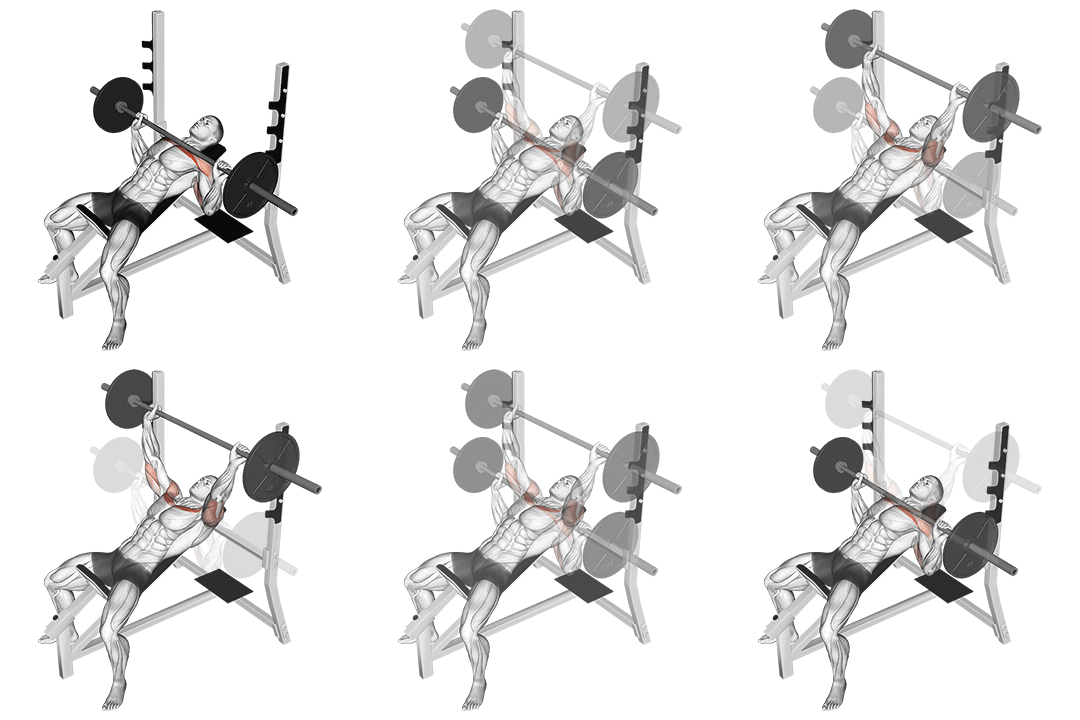
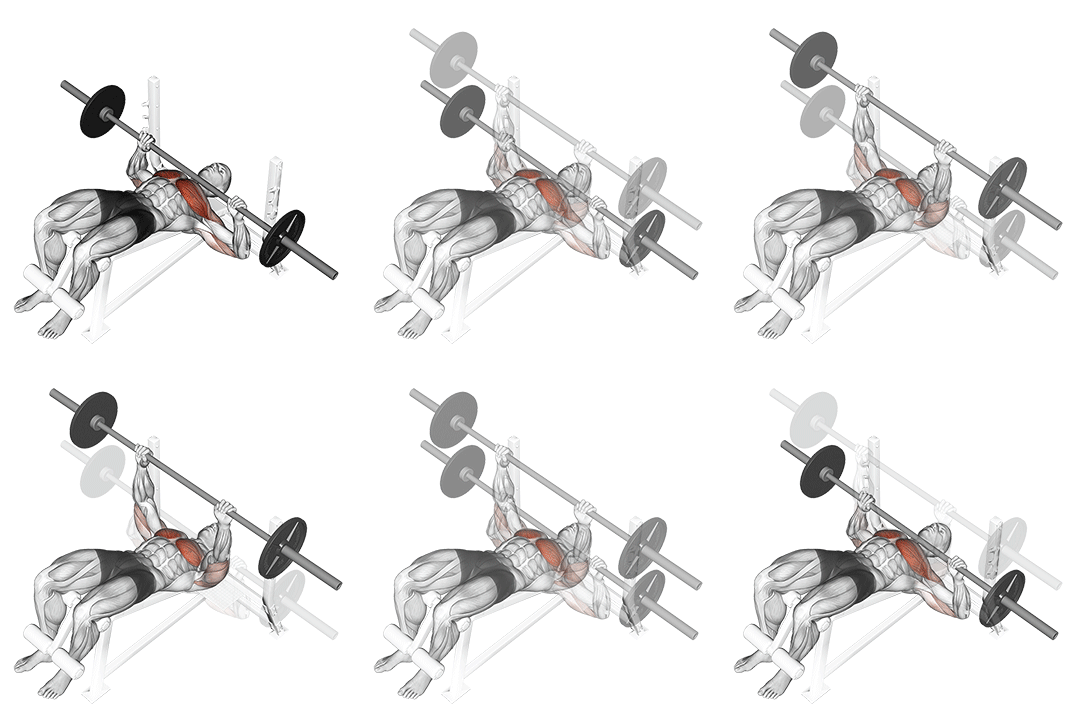
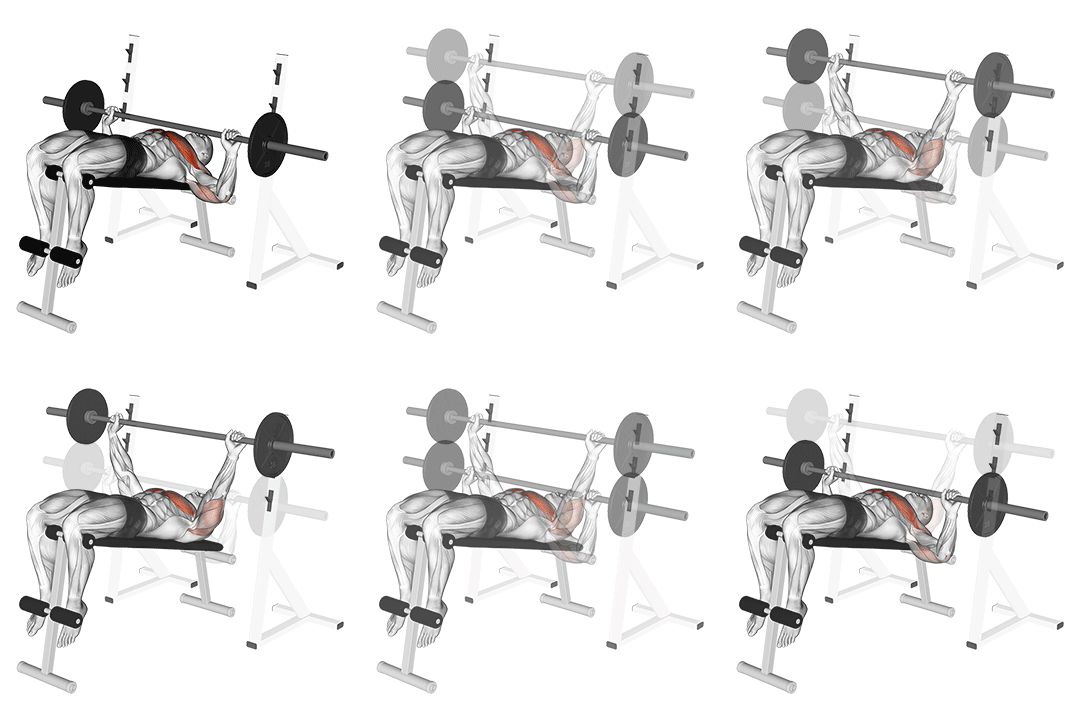
Barbell Incline Bench Press demonstration

Barbell Incline Bench Press

Target Pectorals
Equipment Barbell
Body Part Chest
Difficulty Intermediate
Movement Compound
Secondary Muscles
Shoulders Triceps

Head-to-Head Comparison

Different values are marked. These are catalogue attributes, not performance scores.

Muscles used

Listed target and secondary muscles, shown on the body. Locations, not activation or strength scores.

  • Target
  • Secondary
  • Not highlighted

Barbell Guillotine Bench Press

Front
Barbell Guillotine Bench Press: front muscle locationsSolid: listed target. Striped: listed secondary. Grey: not highlighted. Locations, not activation or strength scores. See the muscle names below.
Back
Barbell Guillotine Bench Press: back muscle locationsSolid: listed target. Striped: listed secondary. Grey: not highlighted. Locations, not activation or strength scores. See the muscle names below.
Target
Pectorals
Secondary
Shoulders, Triceps

Not shown on diagram: Shoulders. These labels do not identify a precise region on this map.

Barbell Incline Bench Press

Front
Barbell Incline Bench Press: front muscle locationsSolid: listed target. Striped: listed secondary. Grey: not highlighted. Locations, not activation or strength scores. See the muscle names below.
Back
Barbell Incline Bench Press: back muscle locationsSolid: listed target. Striped: listed secondary. Grey: not highlighted. Locations, not activation or strength scores. See the muscle names below.
Target
Pectorals
Secondary
Shoulders, Triceps

Not shown on diagram: Shoulders. These labels do not identify a precise region on this map.

Grey does not mean a muscle is unused. The diagrams show only the mapped catalogue labels.

Attribute Barbell Guillotine Bench Press Barbell Incline Bench Press
Target Muscle
Pectorals
Pectorals
Body Part
Chest
Chest
Equipment
Barbell
Barbell
Difficulty Different
Advanced
Intermediate
Movement Type
Compound
Compound
Secondary Muscles
Shoulders, Triceps
Shoulders, Triceps

Visual Comparison

An illustrative 1–10 profile derived from catalog difficulty, equipment, and listed-muscle fields—not measured performance or muscle activation.

Key Differences

  • Difficulty levels differ: Barbell Guillotine Bench Press is advanced, while Barbell Incline Bench Press is intermediate.
  • Both exercises target the Pectorals using Barbell. The catalogue does not establish which exercise is better for an individual goal.

Muscle comparison

Shared target muscles

Both exercises primarily load the pectoralis major via horizontal adduction and shoulder flexion. The guillotine variation increases pec stretch at end range by lowering the bar toward the neck/sternum, increasing tensile stimulus across the sternal fibers. The incline shifts the force vector upward, increasing clavicular (upper) pec recruitment — especially at 15–30° — while still engaging the mid-pec.

Secondary muscle differences

Secondary muscles differ by angle and ROM: the incline bench increases anterior deltoid and upper trapezius contribution because the line of force tilts upward. The guillotine bench raises rotator cuff and anterior deltoid demand due to greater horizontal abduction and scapular stabilization. Triceps are active in both but usually work harder on heavier, shorter ROM presses (incline) than on long-ROM guillotine reps.

Muscle involvement analysis

Activation changes through movement: guillotine increases peak pectoral tension near full stretch (bottom of lift) and prolongs time under tension, favoring eccentric load on the chest. Incline reduces bottom-end stretch and shifts concentric emphasis to the clavicular head; force vectors align more with shoulder flexion so the anterior deltoid shows higher EMG contribution (up to ~10–20% relative increase vs flat/incline differences reported in literature).

Equipment and setup

Barbell Guillotine Bench Press: setup

Barbell Guillotine Bench Press requires a flat bench, a barbell with collars, adequate rack height or spotter, and good shoulder mobility. A spotter or safety pins are recommended because the bar is lowered toward the neck/sternum and ROM is extended.

Barbell Incline Bench Press: setup

Barbell Incline Bench Press needs an adjustable incline bench (settable to 15–45°), a barbell and rack, and preferably safety pins. A 15–30° bench angle is optimal for upper-pec emphasis without excessive shoulder strain.

Access and practicality

Barbell Incline Bench Press is more accessible because adjustable benches are common in most gyms, the movement has a shallower ROM, and it’s safer to perform alone using pins. The guillotine variation demands more mobility, a spotter, and carries higher technical risk.

Learning and progression

Learning the movements

Barbell Incline Bench Press has a gentler learning curve; standard pressing mechanics and a reduced bottom stretch make it easier to teach and coach. The guillotine press is advanced — it requires proprioception to control a long ROM and stricter scapular control to avoid shoulder impingement.

Progression considerations

Incline offers clearer linear progression (add weight, sets, or reps) and is better for steady strength increases. Guillotine can drive targeted muscle growth via increased stretch and time under tension, but heavier loading is limited; you’ll typically use 10–20% less weight versus safer pressing variations.

Limitations and precautions

Guillotine bench has higher relative injury risk due to extreme shoulder horizontal abduction and potential impingement — especially with poor scapular control. Incline bench presents lower shoulder risk when performed with a 15–30° angle and controlled ROM.

Pros & Cons

Barbell Guillotine Bench Press

+ Pros

  • Maximizes pec stretch at bottom of lift, increasing mechanical tension on chest fibers
  • Prolongs eccentric time under tension for hypertrophy stimulus
  • Targets sternal head of pectoralis more directly than many presses
  • Useful as an advanced variation to diversify chest stimulus

− Cons

  • Higher shoulder and rotator cuff stress increases injury risk
  • Requires spotter or safety setup and advanced technique
  • Limits how much external load you can safely use

Barbell Incline Bench Press

+ Pros

  • Shifts force vector to upper pecs, improving clavicular head development
  • Safer and easier to load progressively with heavier weights
  • Works well across 15–30° angles to balance deltoid and chest activation
  • More accessible; adjustable benches and safer setup available in most gyms

− Cons

  • Increases anterior deltoid involvement, which can limit pure chest stimulus
  • At steep angles (>30°) becomes more shoulder-dominant
  • Less bottom-end stretch on mid/low pec fibers compared to guillotine

When Each Exercise Wins

1
For muscle hypertrophy: Barbell Guillotine Bench Press

The guillotine press produces a larger pec stretch and longer eccentric tension, which elevates mechanical tension across the sternal fibers. When performed cautiously with moderate loads (6–12 reps) it provides a potent hypertrophy stimulus for chest development.

2
For strength gains: Barbell Incline Bench Press

Incline pressing allows safer, heavier loading and clearer progression (add 2.5–5 lbs increments). Its shorter ROM and stable mechanics make it better for building pressing strength and consistent percent-based programming.

3
For beginners: Barbell Incline Bench Press

Incline bench is easier to learn, less demanding on shoulder mobility, and safer to perform solo using rack pins. Beginners can build technique and strength at standard rep ranges (6–12) before adding advanced variants.

4
For home workouts: Barbell Incline Bench Press

Adjustable benches are common in home gyms and the incline press is safer to do with pins or a power rack. Guillotine pressing increases risk without a reliable spotter or safety system.

Frequently Asked Questions

Can I do both Barbell Guillotine Bench Press and Barbell Incline Bench Press in the same workout?

Yes — but sequence matters. Do the heavier, safer movement (incline) first for strength sets, then add a few controlled guillotine sets as an accessory to increase chest stretch. Keep total volume moderate and avoid heavy guillotine loads without a spotter.

Which exercise is better for beginners?

Barbell Incline Bench Press is better for beginners because it’s easier to learn, safer for the shoulders, and allows straightforward progression. Beginners should master pressing mechanics and scapular control on incline before attempting advanced variations like the guillotine.

How do the muscle activation patterns differ?

The guillotine press increases pectoral activation at longer muscle lengths and emphasizes eccentric tension in the sternal fibers, while the incline shifts the force vector toward the clavicular head and raises anterior deltoid activation. These differences stem from changes in joint angles and length-tension relationships.

Can Barbell Incline Bench Press replace Barbell Guillotine Bench Press?

For most lifters, yes — incline can serve as the primary upper-chest builder and a safer alternative. If your goal is specific sternal pec hypertrophy via maximal stretch, add guillotine sets occasionally rather than relying on it as a daily substitute.

Comparison Summary

Use the Barbell Guillotine Bench Press selectively: it’s a high-value tool for advanced lifters chasing targeted chest hypertrophy via increased stretch and eccentric load, but only after you’ve built shoulder stability and can control the ROM. Limit weight and use 6–12 rep ranges, prioritize scapular retraction, and have spotters or pins. Choose the Barbell Incline Bench Press for steady strength and upper-pec development — set the bench 15–30° and work 3–6 reps for strength or 6–12 for muscle growth. If you must pick one, incline delivers safer, more consistent progress for most lifters; add guillotine reps as a periodic specialized variation.

Exercise instructions

Steps from the exercise catalogue. Read the full sequence before starting.

Barbell Guillotine Bench Press

  1. Lie flat on a bench with your feet flat on the ground and your back pressed against the bench.
  2. Grasp the barbell with an overhand grip, slightly wider than shoulder-width apart.
  3. Lower the barbell slowly towards your neck, keeping your elbows pointed outwards.
Read remaining steps for Barbell Guillotine Bench Press
  1. Pause for a moment when the barbell is just above your neck.
  2. Push the barbell back up to the starting position, fully extending your arms.
  3. Repeat for the desired number of repetitions.

Barbell Incline Bench Press

  1. Set up an incline bench at a 45-degree angle.
  2. Lie down on the bench with your feet flat on the ground.
  3. Grasp the barbell with an overhand grip, slightly wider than shoulder-width apart.
Read remaining steps for Barbell Incline Bench Press
  1. Unrack the barbell and lower it slowly towards your chest, keeping your elbows at a 45-degree angle.
  2. Pause for a moment at the bottom, then push the barbell back up to the starting position.
  3. Repeat for the desired number of repetitions.

Also Compare

Compare another pair

Choose two exercises to see their differences side by side.

Compare Exercises