

Barbell Jm Bench Press vs Barbell Lying Close-grip Press: Complete Comparison Guide
Barbell Jm Bench Press vs Barbell Lying Close-grip Press — two barbell triceps presses that look similar but load your joints and muscles differently. You’ll get direct guidance on how each exercise stresses the triceps, what secondary chest and shoulder work you’ll still get, safe technique cues, and straightforward rep and progression recommendations. I’ll compare muscle activation, bar path, grip width, injury risk, and when to pick one over the other based on your goal: muscle growth, raw pressing strength, or safer volume work.
Exercise Comparison
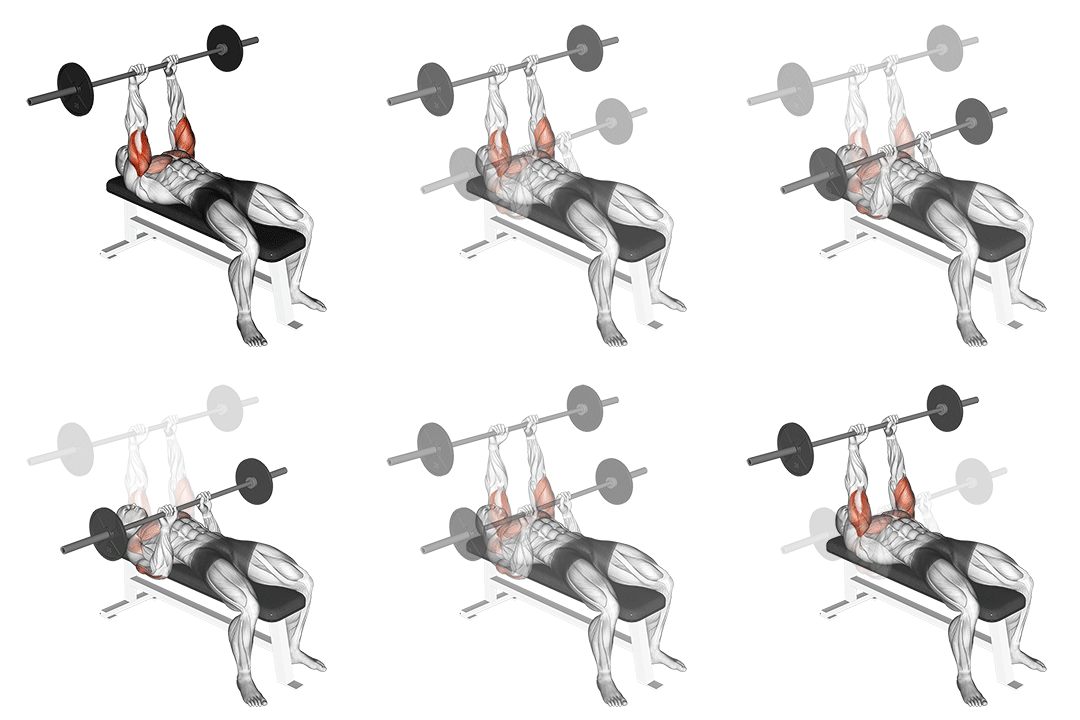
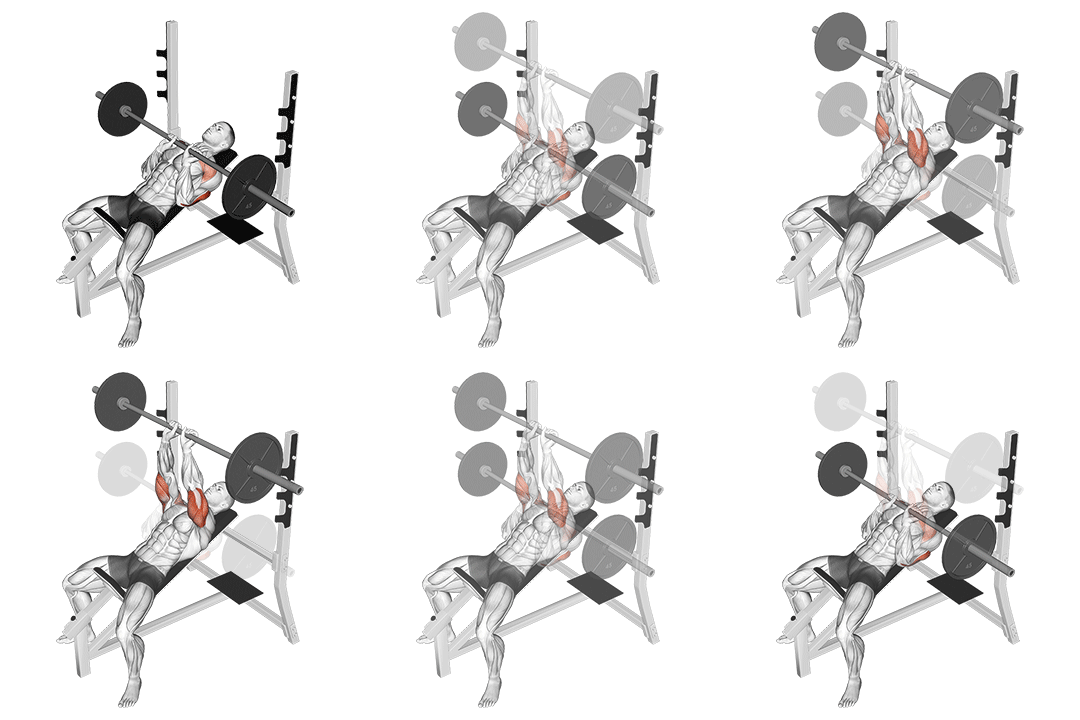
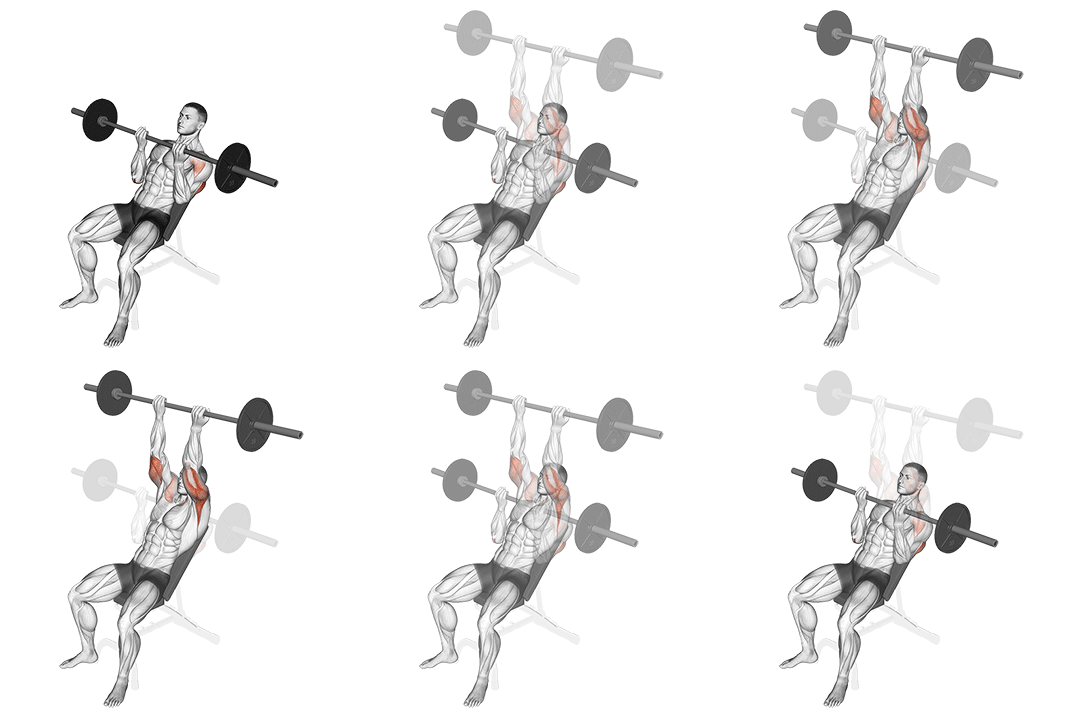
Barbell JM Bench Press
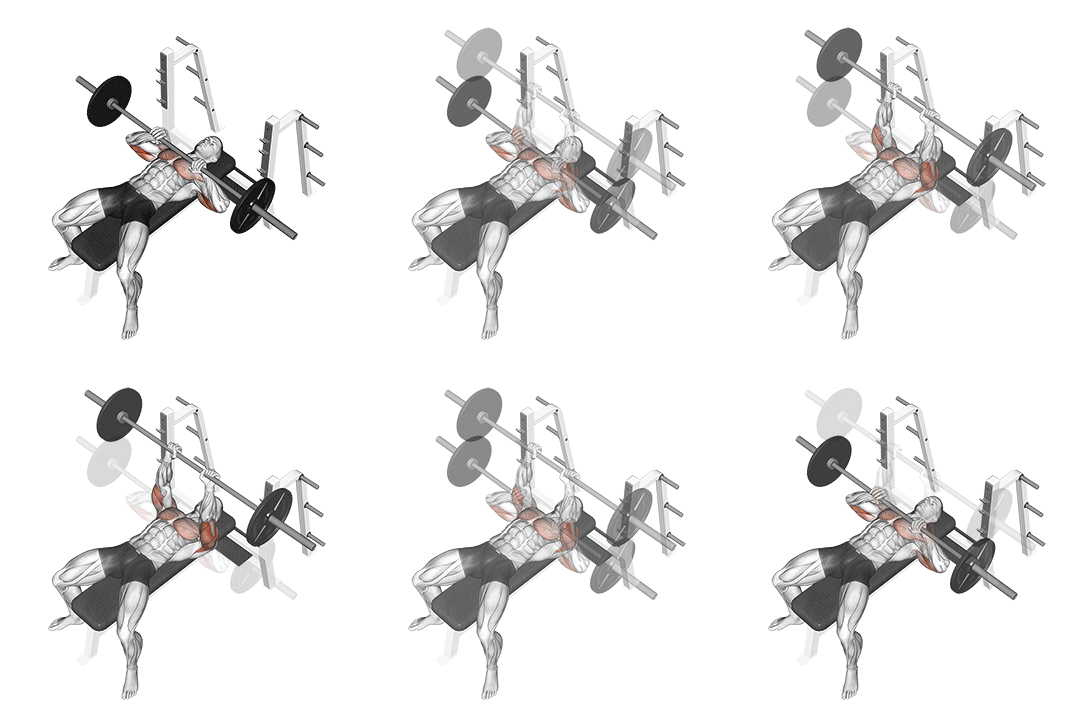
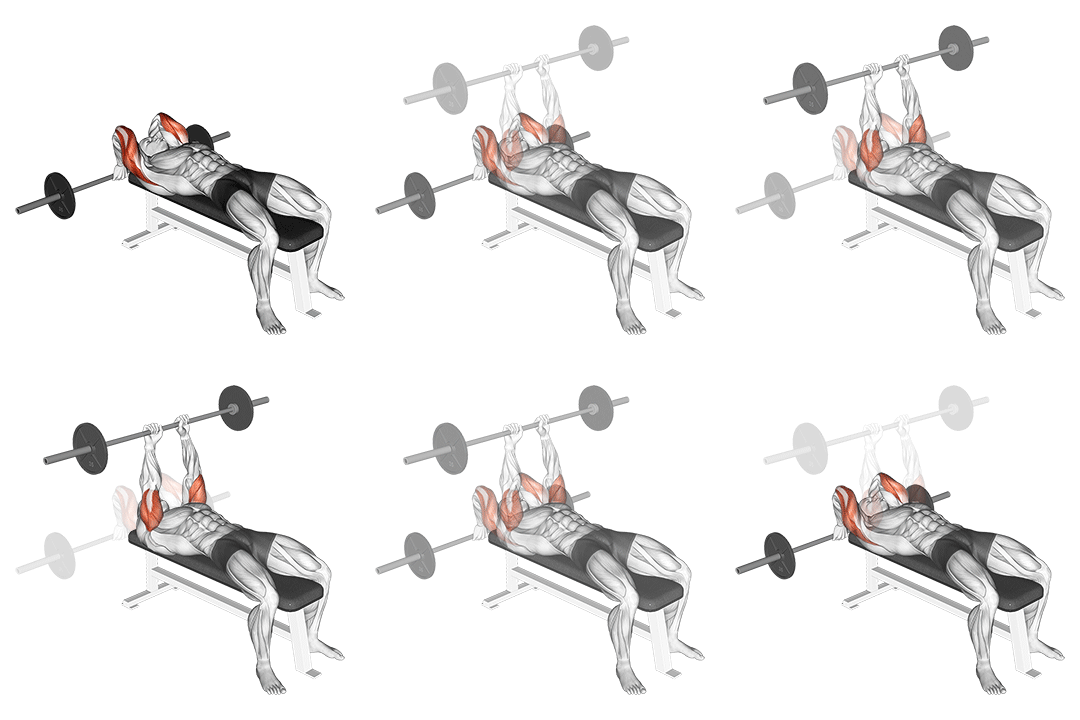
Barbell Lying Close-grip Press
Head-to-Head Comparison
| Attribute | Barbell JM Bench Press | Barbell Lying Close-grip Press |
|---|---|---|
| Target Muscle |
Triceps
|
Triceps
|
| Body Part |
Upper-arms
|
Upper-arms
|
| Equipment |
Barbell
|
Barbell
|
| Difficulty |
Intermediate
|
Intermediate
|
| Movement Type |
Compound
|
Compound
|
| Secondary Muscles |
2
|
2
|
Secondary Muscles Activated
Barbell JM Bench Press
Barbell Lying Close-grip Press
Visual Comparison
Overview
Barbell Jm Bench Press vs Barbell Lying Close-grip Press — two barbell triceps presses that look similar but load your joints and muscles differently. You’ll get direct guidance on how each exercise stresses the triceps, what secondary chest and shoulder work you’ll still get, safe technique cues, and straightforward rep and progression recommendations. I’ll compare muscle activation, bar path, grip width, injury risk, and when to pick one over the other based on your goal: muscle growth, raw pressing strength, or safer volume work.
Key Differences
- Both exercises target the Triceps using Barbell. The main differences are in their movement patterns and muscle activation angles.
Pros & Cons
Barbell JM Bench Press
+ Pros
- Greater direct triceps emphasis through a skullcrusher-style arc
- Effective for adding triceps overload in 6–12 rep ranges
- Good for targeting the long head at lockout range
- Easy to add as an accessory after pressing work
− Cons
- Higher technical demand — precise bar path required
- Greater risk to face/neck without safety pins or spotter
- Less transfer to raw bench-press numbers
Barbell Lying Close-grip Press
+ Pros
- Solid blend of triceps and chest involvement for functional pressing
- Safer, more familiar bar path for most lifters
- Allows heavier loading for strength sets (3–6 reps)
- Easier to teach and scale for beginners
− Cons
- Less isolated triceps stimulus than JM press at lockout
- Can place more stress on the wrists if grip is too narrow
- Chest can take over if elbows flare or grip widens
When Each Exercise Wins
The JM press biases the elbow-extension moment across the top half of the lift, concentrating tension on the triceps where muscle fibers respond well to 6–12 rep ranges. Use controlled 3–4 second eccentrics and full lockouts to maximize time under tension.
Close-grip press transfers more to your standard bench because the vector includes horizontal adduction and allows heavier loads (3–6 reps). Its safer bar path and higher loading ceiling make it better for increasing pressing strength.
Close-grip press has a simpler groove, lower technical demand, and less risk near the face. Beginners can learn scapular stability, elbow tuck (~30–45°), and progressive overload faster.
At home you want predictable bar paths and minimal spotting. Close-grip press can be done safely with power rack pins and requires less precise hand placement, reducing risk when training alone.
Frequently Asked Questions
Can I do both Barbell Jm Bench Press and Barbell Lying Close-grip Press in the same workout?
Yes — but sequence them smartly. Do the close-grip press earlier if you plan heavy triples or doubles, then use JM presses as a lighter accessory for 6–12 reps to spike triceps fatigue without compromising form on heavy sets.
Which exercise is better for beginners?
Barbell Lying Close-grip Press is better for beginners because it shares the standard bench path, is easier to cue (shoulder-width hands, elbows tucked 30–45°), and allows safer heavy loading with rack safety pins.
How do the muscle activation patterns differ?
The JM press shifts the force vector toward elbow extension, increasing triceps activation in the mid-to-end range. The close-grip press produces more balanced activation between triceps, pectoralis major, and anterior deltoid because of a larger horizontal adduction component.
Can Barbell Lying Close-grip Press replace Barbell Jm Bench Press?
Yes, for most lifters the close-grip press can substitute if safety or technique is a concern — but you’ll lose some targeted triceps overload. If maximal triceps isolation is the goal, add JM presses as an accessory instead of replacing them.
Expert Verdict
Choose the JM bench press when your primary goal is targeted triceps hypertrophy and you have solid technique, a spotter, or rack safety pins. It concentrates load on elbow extensors through a skullcrusher-style arc, making it ideal for 6–12 rep work and accessory days. Pick the Barbell Lying Close-grip Press when you want a safer, more general pressing movement that builds triceps and transfers to overall bench strength — load heavier (3–6 reps) and use it in strength-focused cycles. If you train alone or are newer to pressing, prioritize the close-grip press until your groove and shoulder stability are robust.
Also Compare
More comparisons with Barbell JM Bench Press
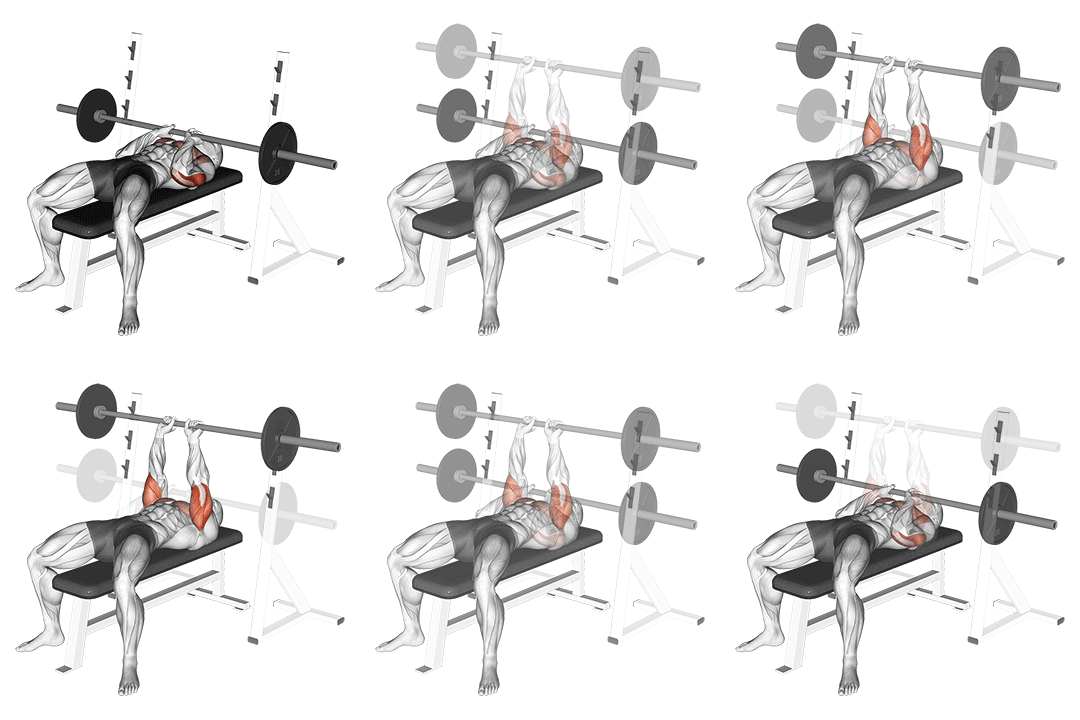
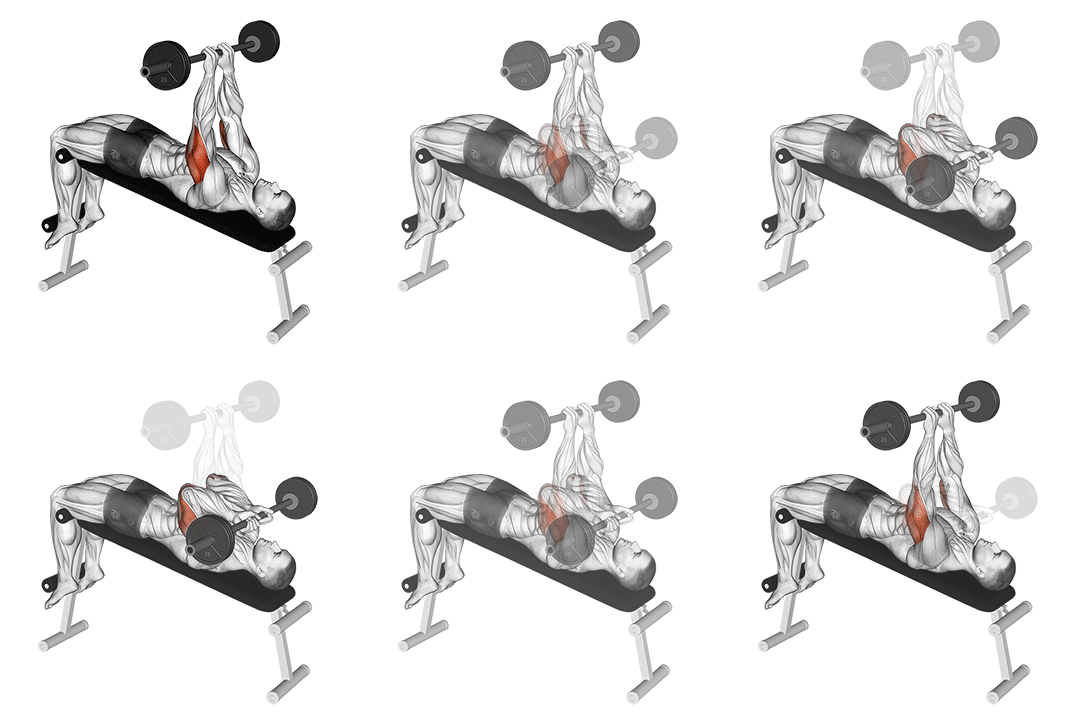
More comparisons with Barbell Lying Close-grip Press
Compare More Exercises
Use our free comparison tool to analyze any two exercises head-to-head.
Compare Exercises