

Barbell Press Sit-up vs Press Sit-Up: Complete Comparison Guide
Barbell Press Sit-up vs Press Sit-Up — both pair trunk flexion with an upper-body press so you train your abs and pressing chain in one move. You’ll get a clear read on how each exercise stresses the rectus abdominis, hip flexors, deltoids, pecs and triceps, plus specific technique cues, rep ranges (hypertrophy: 8–12, strength: 4–6, endurance: 12–20), and progression options. I’ll compare muscle activation, equipment needs, learning curve, injury risk and give decisive recommendations so you know which to use for your goals (also searchable as {Exercise1} vs {Exercise2}).
Exercise Comparison
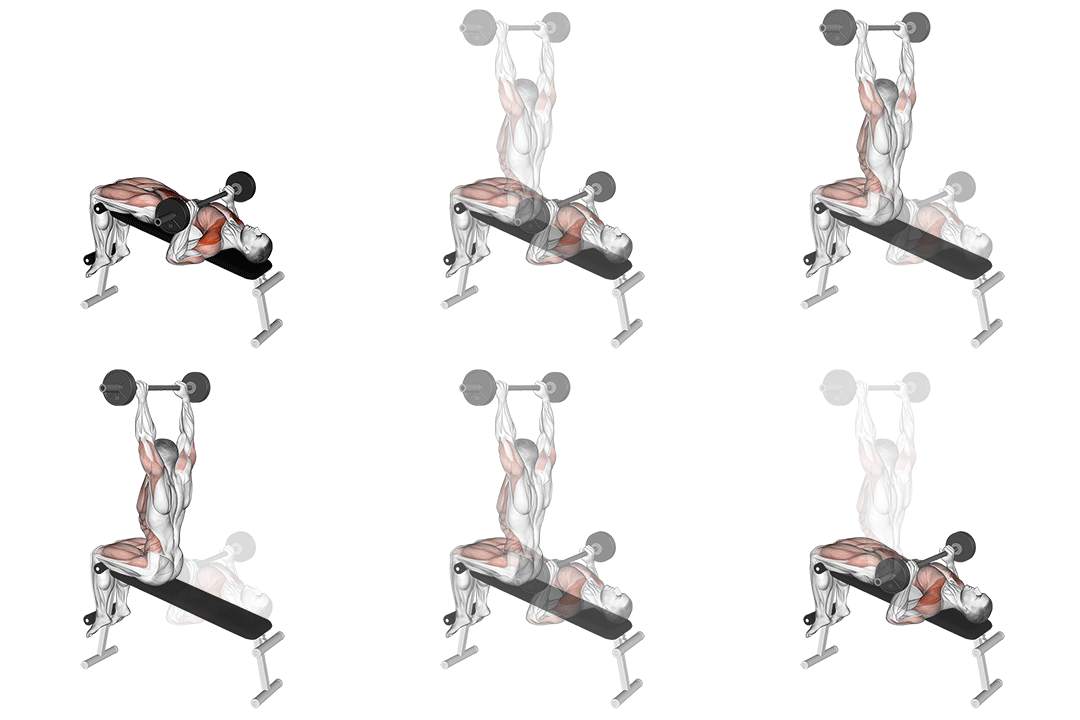
Barbell Press Sit-up
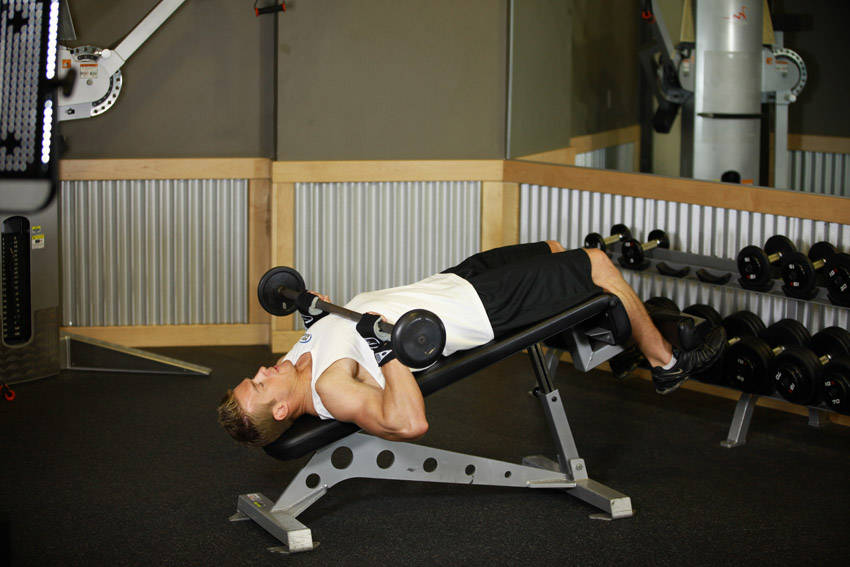
Press Sit-up
Head-to-Head Comparison
| Attribute | Barbell Press Sit-up | Press Sit-up |
|---|---|---|
| Target Muscle |
Abs
|
Abs
|
| Body Part |
Waist
|
Waist
|
| Equipment |
Barbell
|
Barbell
|
| Difficulty |
Intermediate
|
Intermediate
|
| Movement Type |
Compound
|
Compound
|
| Secondary Muscles |
2
|
3
|
Secondary Muscles Activated
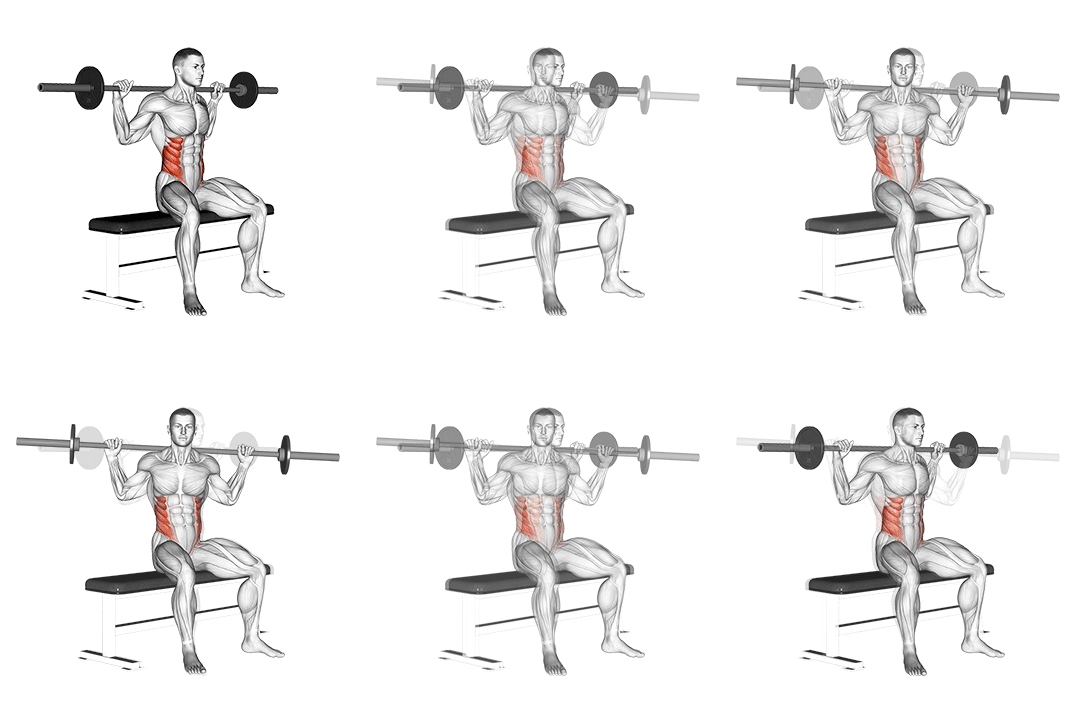
Barbell Press Sit-up
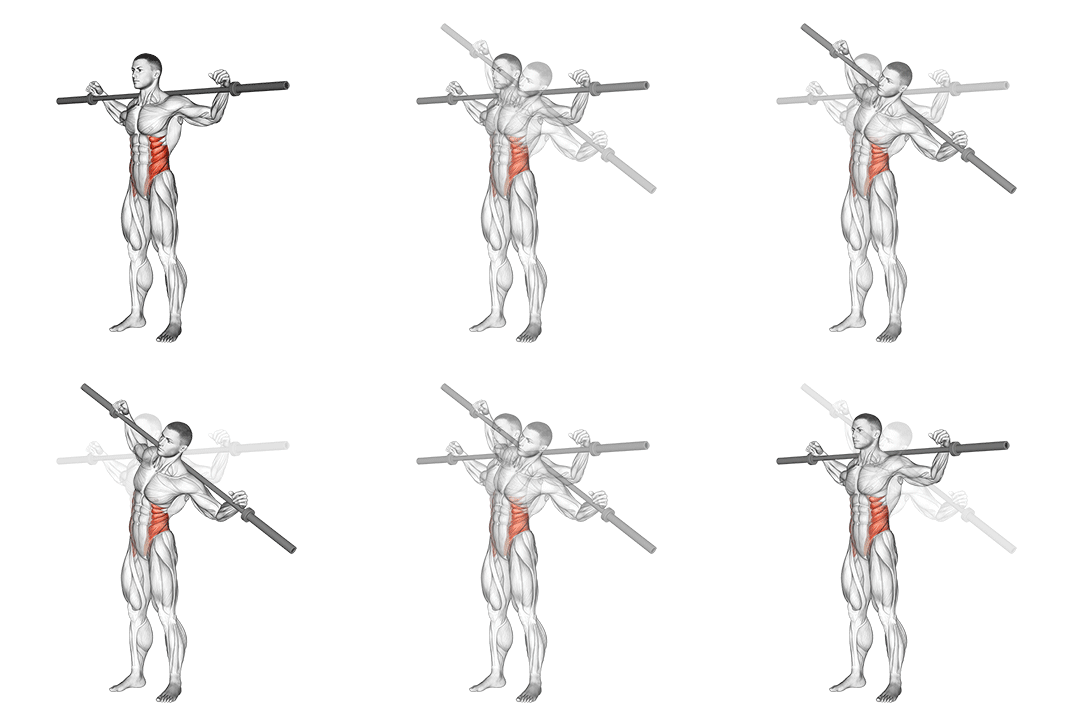
Press Sit-up
Visual Comparison
Overview
Barbell Press Sit-up vs Press Sit-Up — both pair trunk flexion with an upper-body press so you train your abs and pressing chain in one move. You’ll get a clear read on how each exercise stresses the rectus abdominis, hip flexors, deltoids, pecs and triceps, plus specific technique cues, rep ranges (hypertrophy: 8–12, strength: 4–6, endurance: 12–20), and progression options. I’ll compare muscle activation, equipment needs, learning curve, injury risk and give decisive recommendations so you know which to use for your goals (also searchable as {Exercise1} vs {Exercise2}).
Key Differences
- Both exercises target the Abs using Barbell. The main differences are in their movement patterns and muscle activation angles.
Pros & Cons
Barbell Press Sit-up
+ Pros
- Higher upper-body stabilization demand recruits anterior deltoid and clavicular pec fibers more intensively
- Better for progressive overload and measurable strength progress with heavier bar loading
- Trains vertical force vector integration between core and press for athletes
- Effective compound combo that saves time by working abs and shoulders together
− Cons
- Requires heavier equipment or a rack for safe loading
- Greater shoulder and lumbar stability demands increase injury risk if technique breaks down
- Harder to scale down for beginners without modifying the bar or load
Press Sit-up
+ Pros
- Easier to scale and more accessible for home workouts with lighter bars or dumbbells
- Typically lower technical burden — good for learning coordination of sit-up into press
- Adds measurable triceps work at lockout for better pressing carryover
- Less setup required; you can start with 8–12 reps using an empty bar
− Cons
- Slightly less capacity for heavy progressive overload compared with a loaded barbell variation
- Can encourage a more horizontal pressing path that reduces strict deltoid loading
- If performed improperly, repeated trunk flexion under load can stress the anterior shoulder
When Each Exercise Wins
Barbell Press Sit-up lets you increase external load in smaller increments and sustain tension on both rectus abdominis and anterior deltoid — aim for 8–12 reps with 60–75% of a standing press 1RM to maximize time under tension.
The vertical force vector and ability to progressively overload make Barbell Press Sit-up superior for building pressing and core strength; use 4–6 rep sets with controlled eccentrics and heavy bar control practice.
Press Sit-Up is easier to scale with lighter implements and simpler motor patterns, so beginners can learn trunk-to-press sequencing and build stability before adding heavy bars.
Press Sit-Up adapts to lighter bars, dumbbells, or a single plate and doesn’t require a rack — you get a compound stimulus with minimal equipment and lower setup demands.
Frequently Asked Questions
Can I do both Barbell Press Sit-up and Press Sit-Up in the same workout?
Yes — pair them strategically: start with the heavier Barbell Press Sit-up for strength (4–6 reps) and finish with lighter Press Sit-Up sets for volume and hypertrophy (8–15 reps). Keep total pressing volume reasonable to avoid shoulder fatigue.
Which exercise is better for beginners?
Press Sit-Up is better for beginners because it’s easier to scale load and master the sit-up-to-press timing. Once you build trunk control and pressing stability, progress to the Barbell Press Sit-up for heavier loading.
How do the muscle activation patterns differ?
Both load the rectus abdominis via trunk flexion, but the Barbell Press Sit-up shifts more demand to the anterior deltoid and clavicular pecs through a vertical force vector, while the Press Sit-Up increases triceps activation at lockout and can bias the pecs if the press path is more horizontal.
Can Press Sit-Up replace Barbell Press Sit-up?
Press Sit-Up can replace Barbell Press Sit-up when you lack heavy equipment or need a lower-skill option, but it won’t match the heavy progressive overload or vertical deltoid stress of the Barbell Press Sit-up if your goal is maximal pressing strength.
Expert Verdict
Use the Barbell Press Sit-up when you want measurable upper-body overload and a stronger vertical press-core integration — it’s ideal for hypertrophy and strength phases when you have a rack or progressive plates. Pick the Press Sit-Up when you’re teaching coordination, training at home, or prioritizing a scalable exercise that still trains chest, shoulders and triceps alongside the abs. For programming, rotate them by block: 4–8 weeks of Press Sit-Ups to build technique and endurance (12–20 reps), then 6–12 weeks of Barbell Press Sit-ups to push load and strength (4–12 reps). Always brace the core, control the eccentric 2–3 seconds, and keep scapular control to limit injury risk.
Also Compare
More comparisons with Barbell Press Sit-up
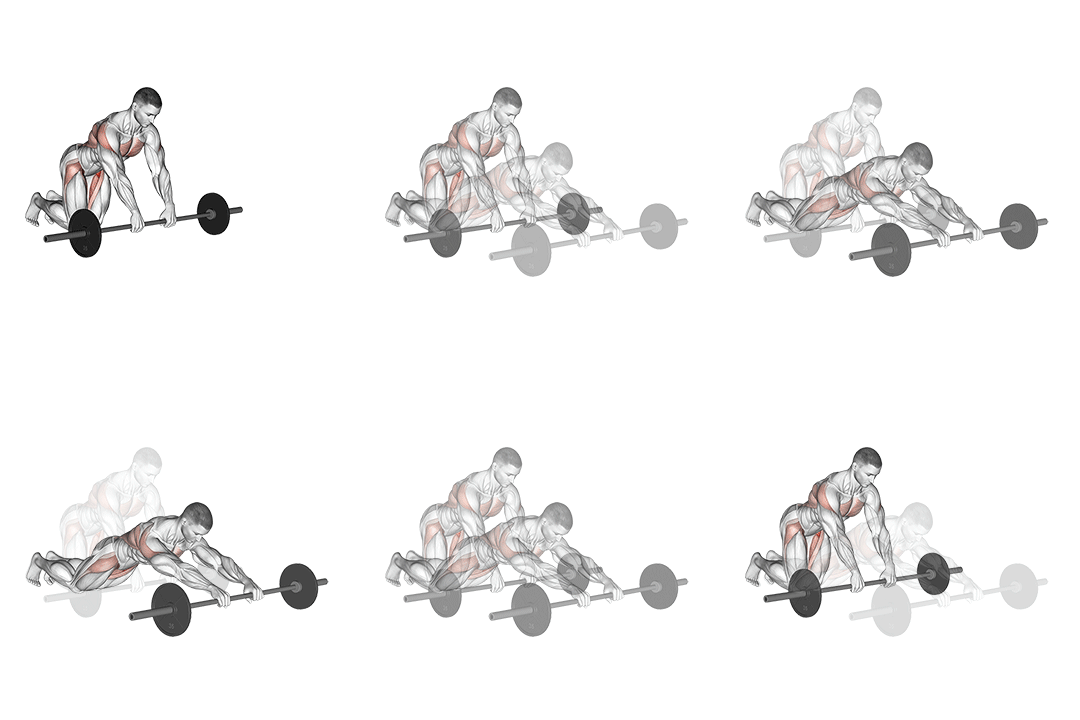
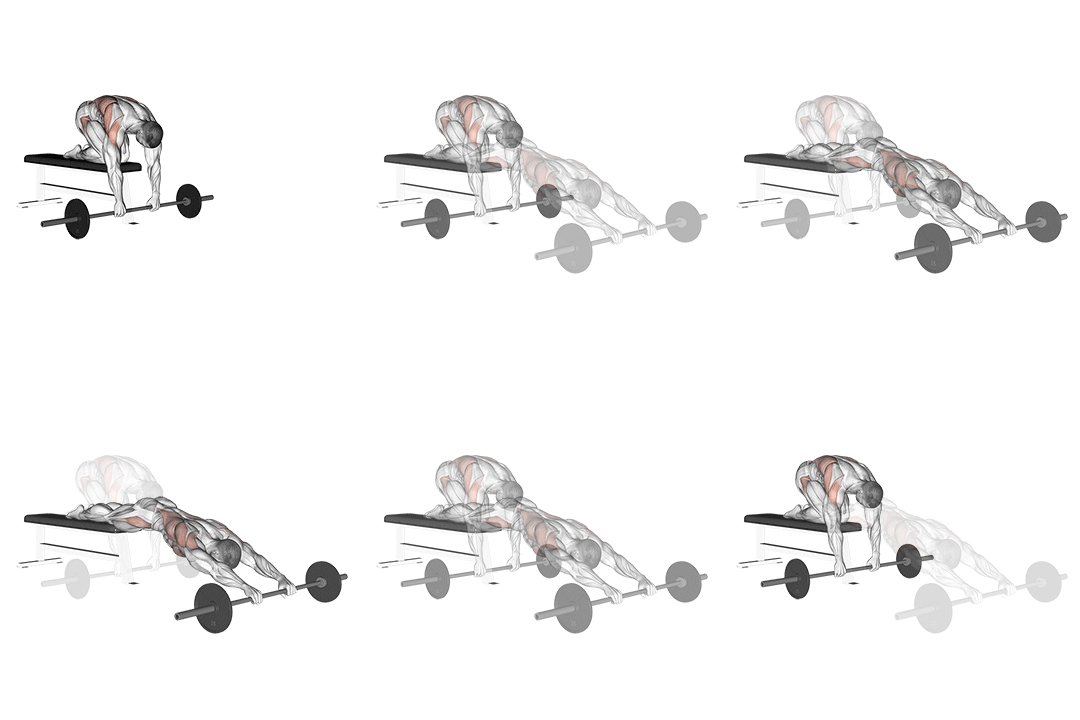
Compare More Exercises
Use our free comparison tool to analyze any two exercises head-to-head.
Compare Exercises