

Barbell Rollerout From Bench vs Press Sit-Up: Complete Comparison Guide
Barbell Rollerout From Bench vs Press Sit-Up is a direct showdown between two barbell-based core builders. You’ll get clear, practical guidance so you can choose the right exercise for your goals: muscle growth, core strength, injury prevention, or easy home programming. I’ll cover how each movement stresses the rectus abdominis and obliques, the shoulder and triceps contribution, exact technique cues, progression options, and which movement carries more risk. Read on and pick the move that fits your training plan and current skill level.
Exercise Comparison
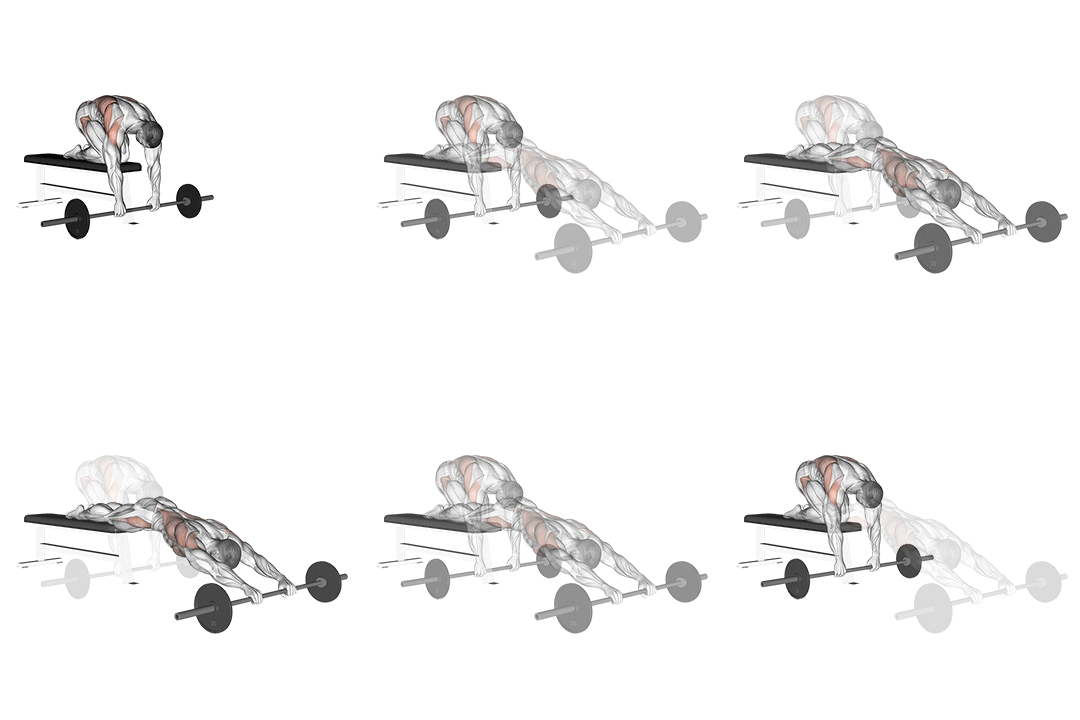
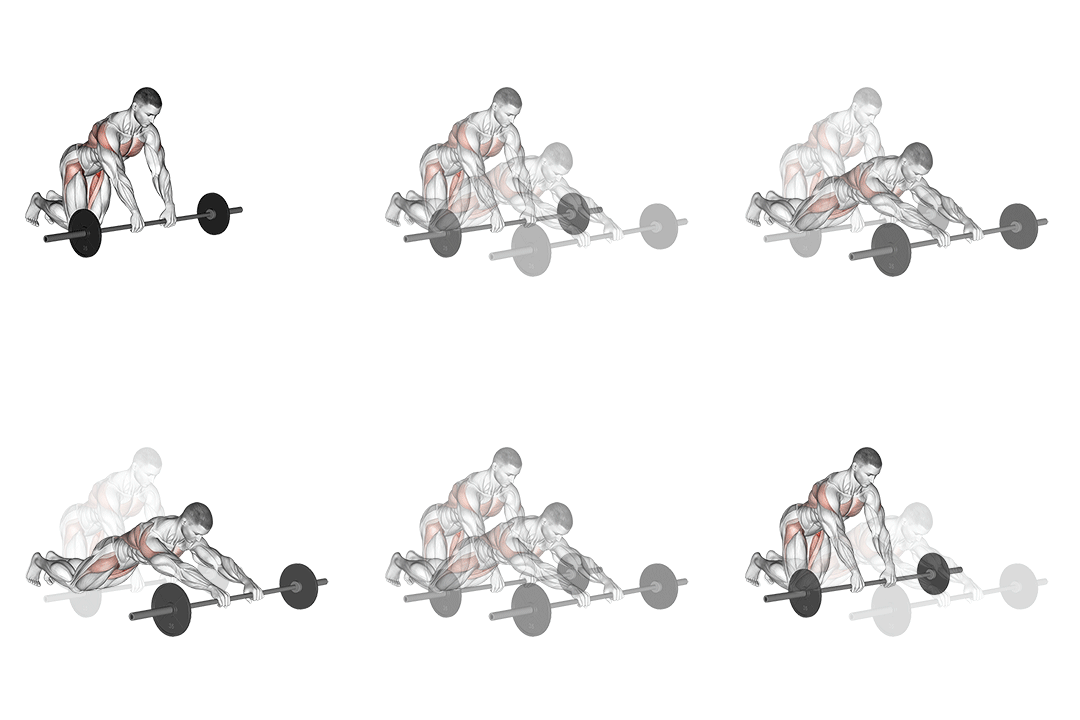
Barbell Rollerout From Bench
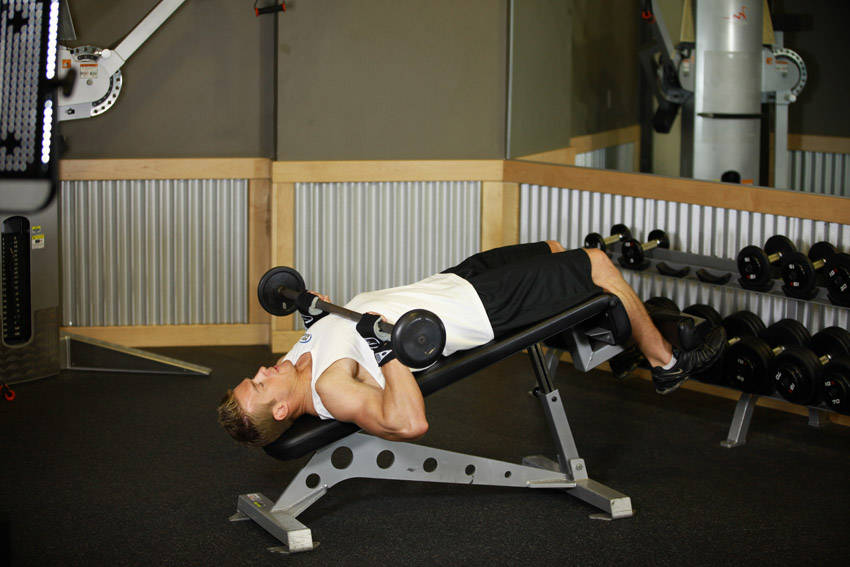
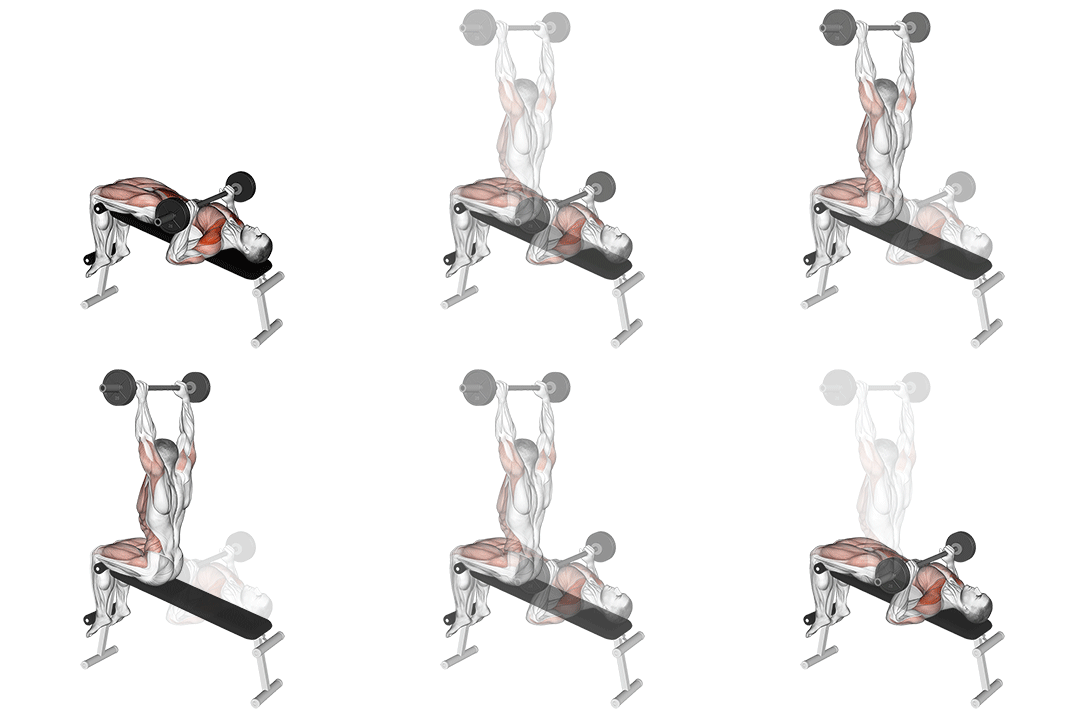
Press Sit-up
Head-to-Head Comparison
| Attribute | Barbell Rollerout From Bench | Press Sit-up |
|---|---|---|
| Target Muscle |
Abs
|
Abs
|
| Body Part |
Waist
|
Waist
|
| Equipment |
Barbell
|
Barbell
|
| Difficulty |
Intermediate
|
Intermediate
|
| Movement Type |
Compound
|
Compound
|
| Secondary Muscles |
2
|
3
|
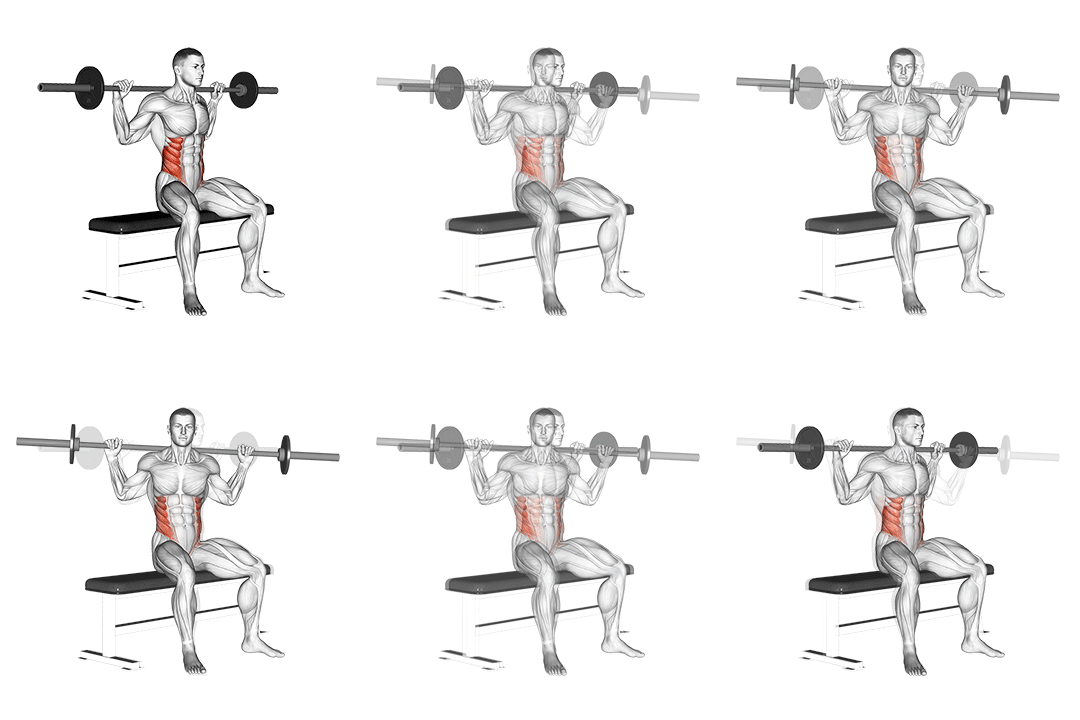
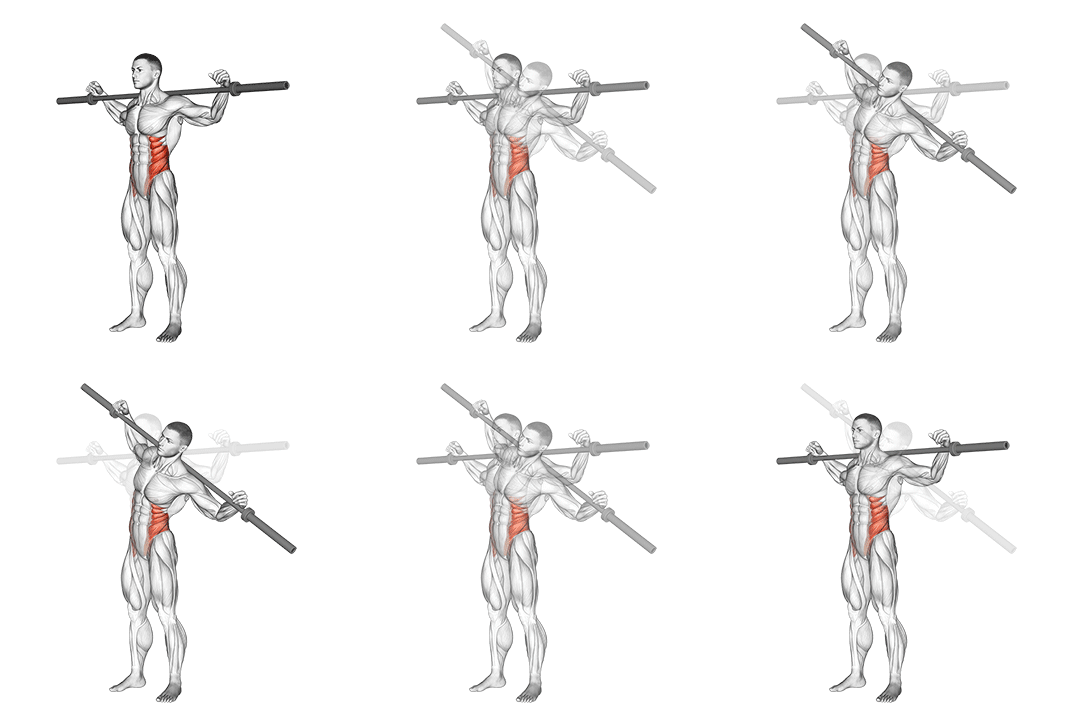
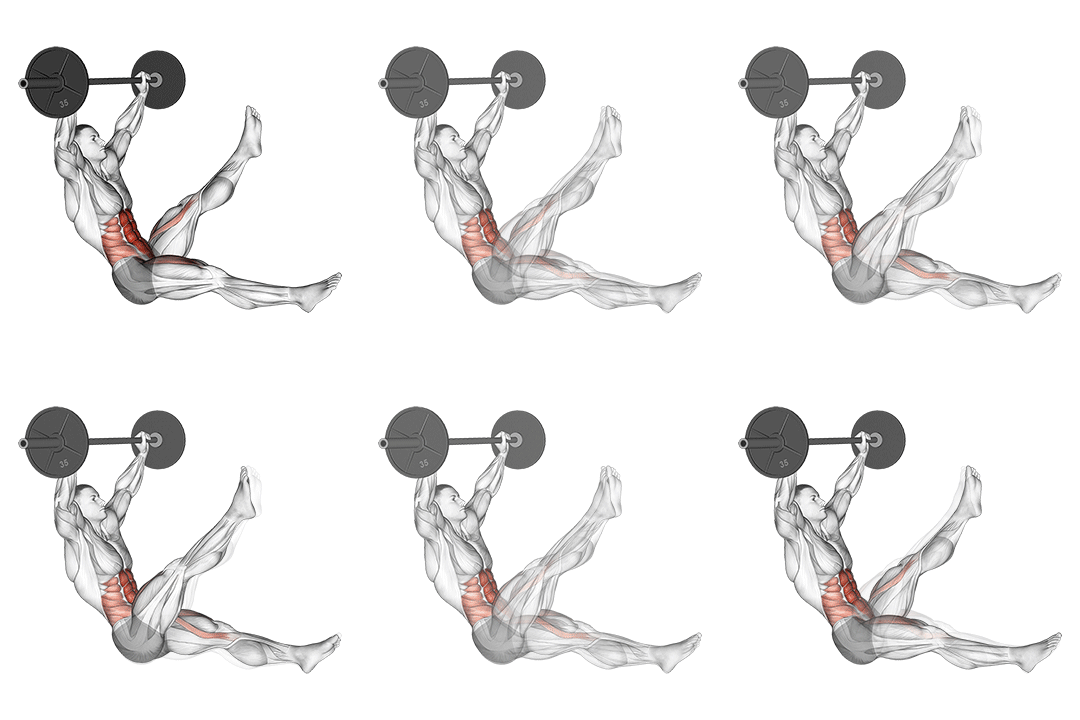
Secondary Muscles Activated
Barbell Rollerout From Bench
Press Sit-up
Visual Comparison
Overview
Barbell Rollerout From Bench vs Press Sit-Up is a direct showdown between two barbell-based core builders. You’ll get clear, practical guidance so you can choose the right exercise for your goals: muscle growth, core strength, injury prevention, or easy home programming. I’ll cover how each movement stresses the rectus abdominis and obliques, the shoulder and triceps contribution, exact technique cues, progression options, and which movement carries more risk. Read on and pick the move that fits your training plan and current skill level.
Key Differences
- Both exercises target the Abs using Barbell. The main differences are in their movement patterns and muscle activation angles.
Pros & Cons
Barbell Rollerout From Bench
+ Pros
- Huge anti-extension demand that builds core stiffness and trunk control
- Long ROM increases time under tension for rectus abdominis, aiding muscle growth
- Scalable via roll distance or doing from toes/knees
- Transfers well to athletic positions that resist extension (e.g., Olympic lifts)
− Cons
- Higher technical and shoulder stabilization demand
- Greater risk of lumbar hyperextension if form breaks down
- Requires more space and a smooth bar glide setup
Press Sit-up
+ Pros
- Simpler motor pattern combining trunk flexion with a press for compound overload
- More accessible setup — easier to scale weight and reps
- Engages chest and shoulders for additional upper-body stimulus
- Lower immediate risk to lumbar spine when performed with braced core
− Cons
- Less emphasis on anti-extension/core stiffness compared to rollerouts
- Pressing while sitting can encourage neck strain if you crane the head forward
- Limited ROM for rectus compared with a full roll-out stretch
When Each Exercise Wins
Rollerouts create a longer rectus abdominis stretch and more time under tension per rep, which favors muscle growth in the abs. Use 6–12 controlled reps, 2–3 second eccentric, to exploit length-tension and mechanical loading.
The rollerout trains anti-extension torque and whole-trunk stiffness under load — critical for core strength. Progress by increasing roll distance and working sets of 3–6 heavy controlled reps to develop maximum force tolerance.
Press Sit-Up follows a familiar flexion-plus-press pattern and is easier to scale with light loads and higher reps (8–15). It teaches breathing and bracing while allowing gradual load increases without complex shoulder stability demands.
Press Sit-Up requires minimal setup and can be performed with a light bar or household weight, making it practical for limited space. Rollerouts demand smooth bar movement and space to roll out safely, which is harder at home.
Frequently Asked Questions
Can I do both Barbell Rollerout From Bench and Press Sit-Up in the same workout?
Yes. Use Rollerouts earlier as a low-volume strength piece (3–6 sets of 3–8 reps) and Press Sit-Ups later as higher-rep accessory work (8–15 reps). Sequence them so the technically demanding rollerouts get fresh attention and maintain strict bracing.
Which exercise is better for beginners?
Press Sit-Up is better for beginners because it uses a familiar flexion and pressing pattern and is easier to scale with light load. It teaches breath-brace coordination before introducing the anti-extension demands of rollerouts.
How do the muscle activation patterns differ?
Rollerouts emphasize anti-extension: the rectus is lengthened and resists torque throughout the roll, while shoulders isometrically stabilize. Press Sit-Ups emphasize concentric trunk flexion—rectus shortens through the sit-up—combined with horizontal/vertical pressing vectors for pectorals and deltoids.
Can Press Sit-Up replace Barbell Rollerout From Bench?
Press Sit-Up can substitute when you need a simpler or more accessible core exercise, but it won’t fully replace the anti-extension strength and long-ROM rectus stimulus of rollerouts. For core stiffness and anti-extension capacity, keep Rollerouts in the program when safe and feasible.
Expert Verdict
Choose Barbell Rollerout From Bench when your goal is raw core strength and targeted rectus development — it excels at anti-extension training and long-ROM overload for 3–12 reps depending on intent. Pick Press Sit-Up if you want a simpler, more accessible compound movement that combines trunk flexion with an upper-body press, ideal for beginners or limited-space sessions and for adding chest/shoulder stimulus. Both are intermediate-level compound moves; program Rollerouts as a primary core strength exercise and Press Sit-Ups as accessory or metabolic/core-hybrid work, and always prioritize bracing and controlled tempo to minimize lumbar stress.
Also Compare
More comparisons with Barbell Rollerout From Bench
Compare More Exercises
Use our free comparison tool to analyze any two exercises head-to-head.
Compare Exercises