

Barbell Seated Twist vs Press Sit-Up: Complete Comparison Guide
Barbell Seated Twist vs Press Sit-Up — you want a clear choice for building a stronger waist and a more resilient core. I’ll walk you through how each movement stresses the rectus abdominis and obliques, which secondary muscles get worked, setup and safety cues, and practical rep ranges and progressions. Read on and you’ll know which exercise to pick for rotational power, abdominal hypertrophy, pressing strength, or simple, safe core conditioning. Expect specific technique cues, biomechanics like force vectors and length tension, and concrete programming tips you can use tomorrow.
Exercise Comparison
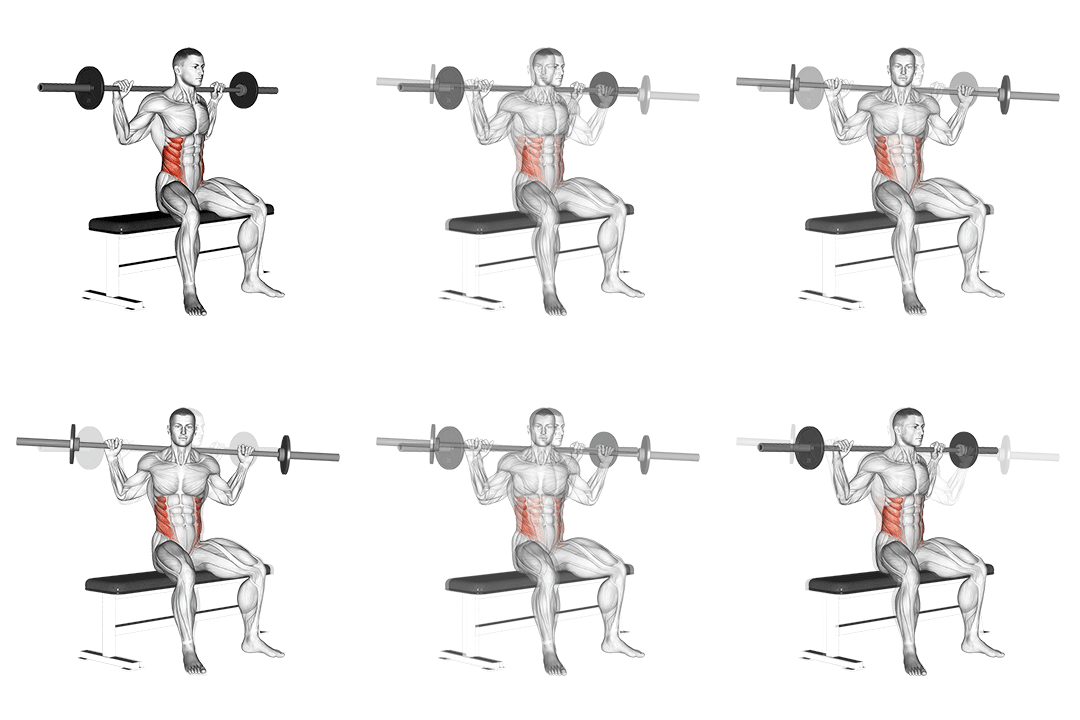
Barbell Seated Twist
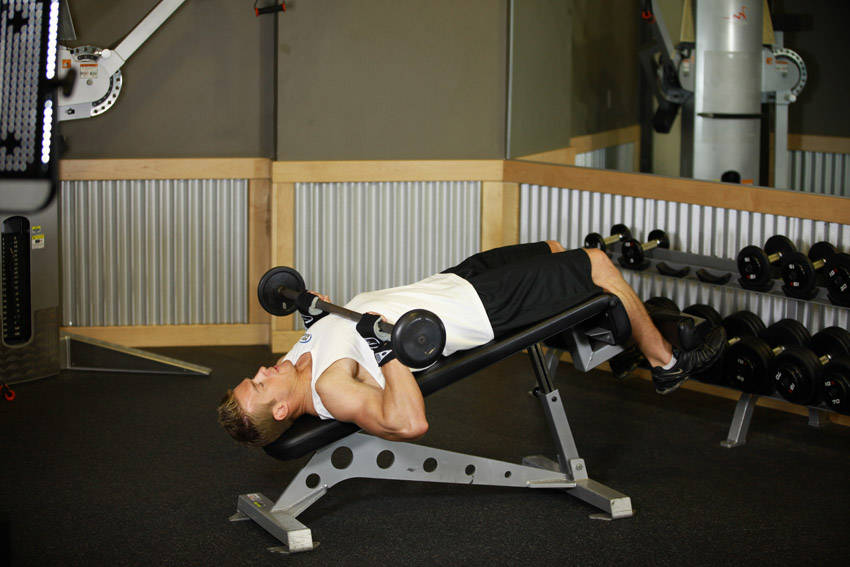
Press Sit-up
Head-to-Head Comparison
| Attribute | Barbell Seated Twist | Press Sit-up |
|---|---|---|
| Target Muscle |
Abs
|
Abs
|
| Body Part |
Waist
|
Waist
|
| Equipment |
Barbell
|
Barbell
|
| Difficulty |
Intermediate
|
Intermediate
|
| Movement Type |
Compound
|
Compound
|
| Secondary Muscles |
2
|
3
|
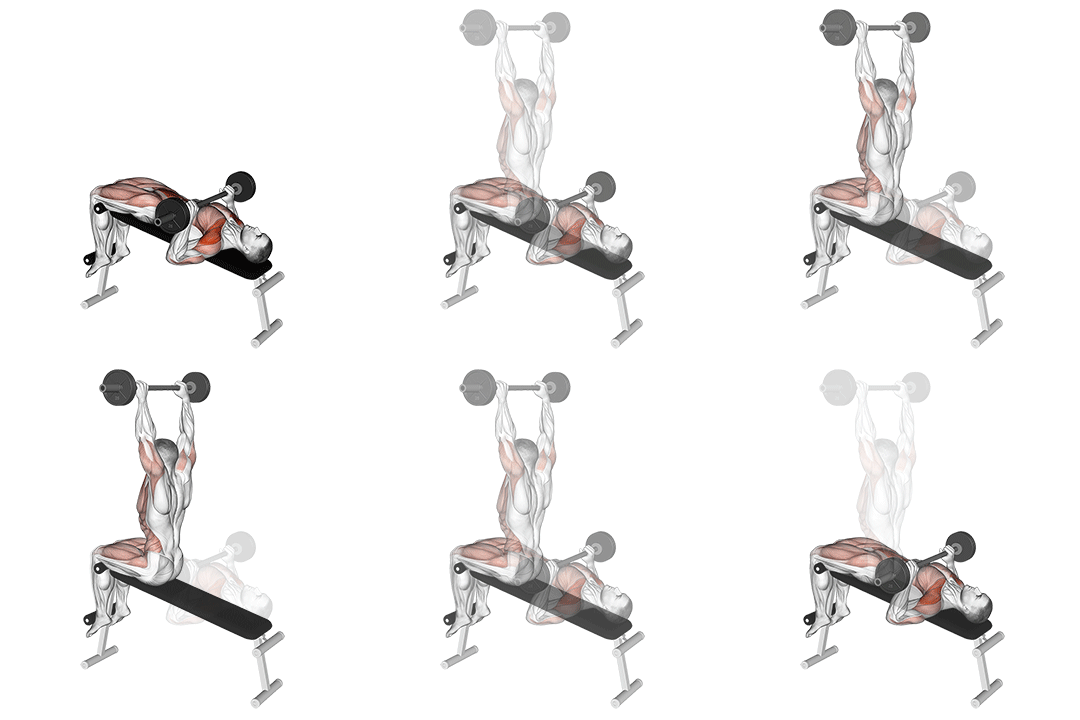
Secondary Muscles Activated
Barbell Seated Twist
Press Sit-up
Visual Comparison
Overview
Barbell Seated Twist vs Press Sit-Up — you want a clear choice for building a stronger waist and a more resilient core. I’ll walk you through how each movement stresses the rectus abdominis and obliques, which secondary muscles get worked, setup and safety cues, and practical rep ranges and progressions. Read on and you’ll know which exercise to pick for rotational power, abdominal hypertrophy, pressing strength, or simple, safe core conditioning. Expect specific technique cues, biomechanics like force vectors and length tension, and concrete programming tips you can use tomorrow.
Key Differences
- Both exercises target the Abs using Barbell. The main differences are in their movement patterns and muscle activation angles.
Pros & Cons
Barbell Seated Twist
+ Pros
- Direct rotational overload for obliques and transverse abdominis
- Simple setup and minimal space requirements
- Easily scalable with lighter bars or plates for high-rep core work
- Lower shoulder strain since pressing is absent
− Cons
- Limited overload potential compared with multi-joint pressing movements
- Risk of lumbar shearing if rotation comes from lower spine
- Less carryover to pressing strength or upper-body power
Press Sit-up
+ Pros
- Combines trunk flexion with upper-body pressing for total-body stimulus
- Higher absolute load potential for strength and hypertrophy
- Great carryover to functional pushing patterns
- Efficient—works abs plus chest, shoulders, and triceps in one movement
− Cons
- Greater technical demand and coordination required
- Higher shoulder and lumbar injury risk under heavy load
- Requires more space and safer equipment (rack or spotter)
When Each Exercise Wins
Press Sit-Up wins because it combines sagittal trunk overload with an upper-body pushing pattern, allowing you to use heavier loads in the 6–12 rep range and accumulate mechanical tension across more muscle groups for greater overall hypertrophy.
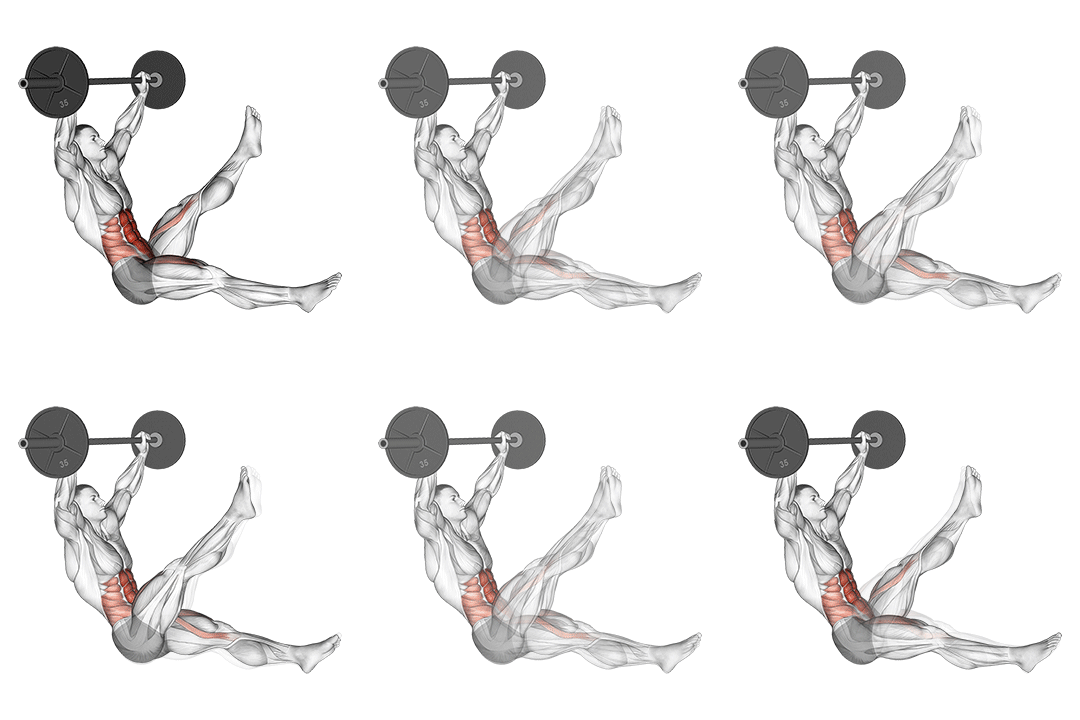
Press Sit-Up is better for raw strength because you can progressively overload the pressing portion (3–6 reps) and challenge anti-extension control, giving direct carryover to pressing and core strength under heavy vertical force vectors.
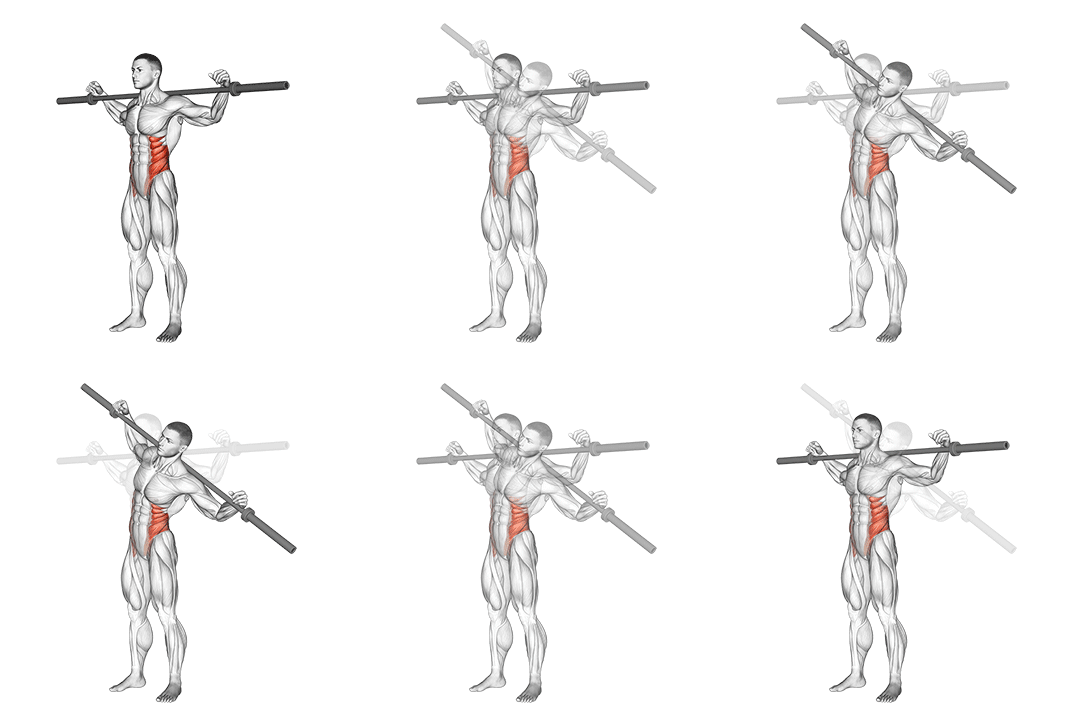
Barbell Seated Twist is easier to learn and coach: keep a neutral spine, brace the core, and rotate 30 to 45 degrees. You can scale with lighter load and focus on thoracic rotation without complex timing between two movement patterns.
Barbell Seated Twist requires less space and simpler setup and can be replicated with a broomstick and light plates or dumbbell, whereas Press Sit-Up often needs a rack, spotter, or more floor space for safe pressing under load.
Frequently Asked Questions
What is the difference between Barbell Seated Twist and Press Sit-up?
Barbell Seated Twist primarily targets the Abs, while Press Sit-up focuses on the Abs. They also differ in equipment requirements: Barbell Seated Twist uses Barbell, while Press Sit-up requires Barbell.
Which is better: Barbell Seated Twist or Press Sit-up?
Neither exercise is universally better - it depends on your goals. Choose Barbell Seated Twist to emphasize the Abs. Choose Press Sit-up for focus on the Abs. Many training programs include both for balanced development.
Can I do Barbell Seated Twist and Press Sit-up in the same workout?
Yes, you can perform both exercises in the same workout. Since they target the same muscle group (Abs), consider spacing them apart or doing them on different days for optimal recovery.
Which exercise is harder: Barbell Seated Twist or Press Sit-up?
Barbell Seated Twist is rated as intermediate difficulty, while Press Sit-up is intermediate. Both exercises have similar difficulty levels.
Expert Verdict
Choose Barbell Seated Twist when your priority is rotational core strength, oblique development, and a low-tech, low-risk core option. Use 10–20 reps and focus on thoracic rotation of roughly 30–45 degrees, bracing the pelvis to limit lumbar shear. Pick Press Sit-Up when you want integrated trunk and upper-body overload for hypertrophy or strength: load for 3–6 reps for strength or 6–12 for muscle growth, and emphasize scapular control and a neutral lumbar spine during the press. If you train both, sequence the twist for technique work and the press sit-up for heavy sets.
Also Compare
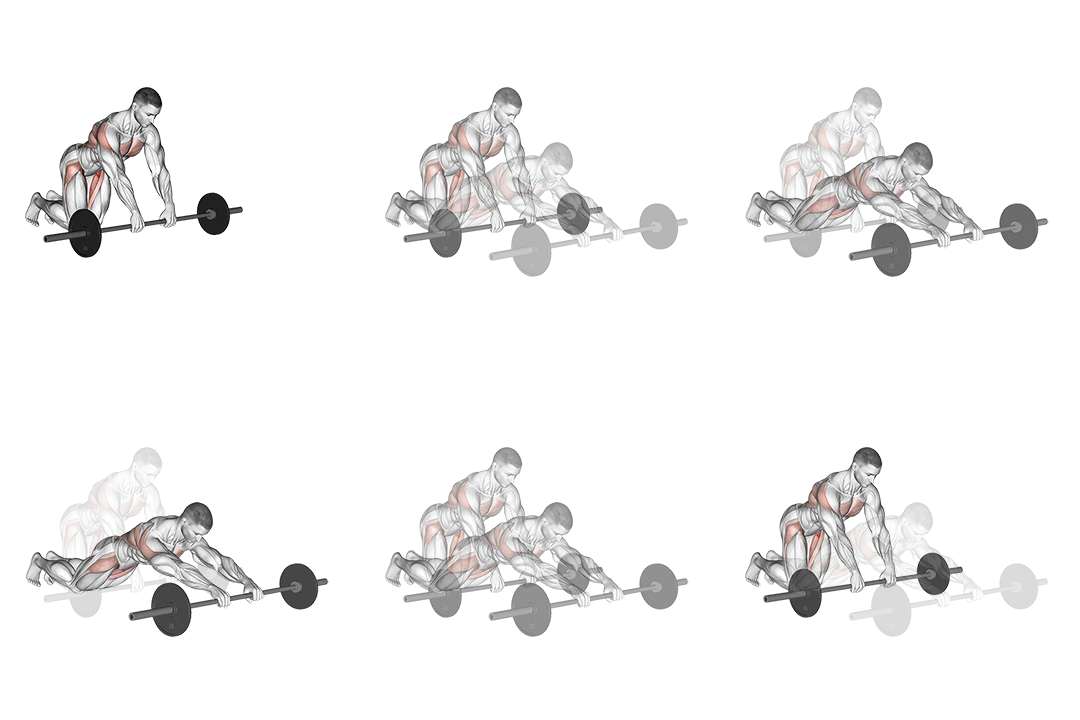
More comparisons with Barbell Seated Twist
Compare More Exercises
Use our free comparison tool to analyze any two exercises head-to-head.
Compare Exercises