

Barbell Side Bent V. 2 vs Press Sit-Up: Complete Comparison Guide
Barbell Side Bent V. 2 vs Press Sit-Up sets up a clear decision for your waist training. You’ll get a direct comparison of how each move loads the rectus abdominis, obliques, and lower back, plus equipment needs, learning curve, injury risk, and specific technique cues. I’ll explain the biomechanics — force vectors, length-tension relationships, and trunk angles — then give rep ranges and progression options so you can pick the right exercise for fat loss, core strength, or muscle growth.
Exercise Comparison
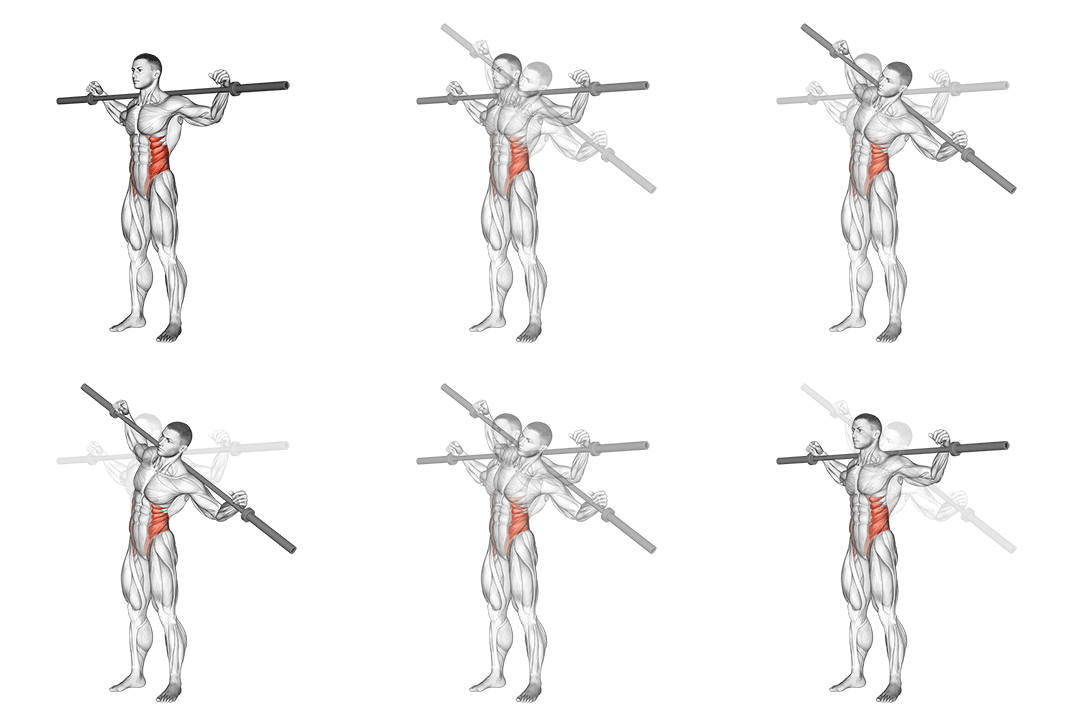
Barbell Side Bent V. 2
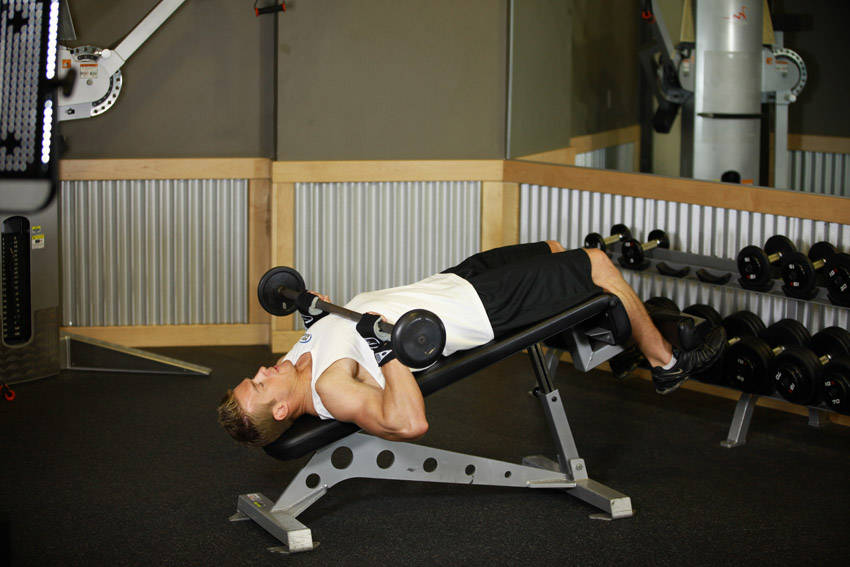
Press Sit-up
Head-to-Head Comparison
| Attribute | Barbell Side Bent V. 2 | Press Sit-up |
|---|---|---|
| Target Muscle |
Abs
|
Abs
|
| Body Part |
Waist
|
Waist
|
| Equipment |
Barbell
|
Barbell
|
| Difficulty |
Beginner
|
Intermediate
|
| Movement Type |
Compound
|
Compound
|
| Secondary Muscles |
2
|
3
|
Secondary Muscles Activated
Barbell Side Bent V. 2
Press Sit-up
Visual Comparison
Overview
Barbell Side Bent V. 2 vs Press Sit-Up sets up a clear decision for your waist training. You’ll get a direct comparison of how each move loads the rectus abdominis, obliques, and lower back, plus equipment needs, learning curve, injury risk, and specific technique cues. I’ll explain the biomechanics — force vectors, length-tension relationships, and trunk angles — then give rep ranges and progression options so you can pick the right exercise for fat loss, core strength, or muscle growth.
Key Differences
- Difficulty levels differ: Barbell Side Bent V. 2 is beginner, while Press Sit-up is intermediate.
- Both exercises target the Abs using Barbell. The main differences are in their movement patterns and muscle activation angles.
Pros & Cons
Barbell Side Bent V. 2
+ Pros
- Directly targets obliques and waist with frontal-plane loading
- Easy to teach and scale — use empty bar or light plates to start
- Lower upper-body demand; focus stays on core and lower back
- Good for unilateral balance and correcting lateral asymmetries
− Cons
- Limited total-body overload compared to compound pressing movements
- Excessive lateral flexion under heavy load increases lumbar shear
- Not as effective for chest/shoulder development or pressing strength
Press Sit-up
+ Pros
- Combines abdominal flexion with an upper-body press for time-efficient training
- Greater total-body metabolic and strength stimulus; easy to progressively overload
- Higher rectus abdominis activation through a long concentric range
- Builds shoulder and triceps strength alongside core control
− Cons
- Requires coordinated pressing and trunk control — steeper learning curve
- Higher technical demand increases risk to shoulders and lumbar spine if form breaks down
- Needs more equipment space and vertical clearance
When Each Exercise Wins
Press Sit-Up allows heavier progressive overload across both abs and upper body; use 8–15 reps with heavier bars to create greater mechanical tension and metabolic stress for muscle growth.
Its compound press component enables higher absolute loading and nervous system recruitment, so working in 3–6 rep ranges increases maximal strength transfer for both core and pressing strength.
Simpler motor pattern and lower shoulder demand make it quicker to learn; you can safely practice lateral flexion mechanics with the empty bar or a light dumbbell before increasing load.
Requires minimal space and a simple barbell set; you can scale with a single dumbbell or kettlebell if a barbell isn’t available, and keep reps in the 10–20 range for a solid core session.
Frequently Asked Questions
Can I do both Barbell Side Bent V. 2 and Press Sit-Up in the same workout?
Yes. Pair them strategically: use Barbell Side Bent V. 2 as an accessory to address oblique weakness (2–3 sets of 10–15 per side) and Press Sit-Up earlier for higher-load compound work (3–5 sets of 6–12). Space them so fatigue from pressing doesn’t compromise lateral-bend technique.
Which exercise is better for beginners?
Barbell Side Bent V. 2 is generally better for beginners because it isolates lateral flexion and is easier to coach. Start with a light bar or dumbbell and focus on hip and rib positioning before attempting the more complex Press Sit-Up.
How do the muscle activation patterns differ?
Barbell Side Bent V. 2 produces unilateral oblique and ipsilateral erector spinae activation concentrated at end-range lateral flexion, while Press Sit-Up yields bilateral rectus abdominis activation across a longer concentric arc and intermittent isometric demand at the shoulders due to the press.
Can Press Sit-Up replace Barbell Side Bent V. 2?
Press Sit-Up can substitute when you need a compound, time-efficient option, but it won’t target unilateral oblique strength as effectively. If your goal is waist shaping or correcting side-to-side asymmetry, keep the Side Bent in your program.
Expert Verdict
Choose Barbell Side Bent V. 2 when your goal is to target obliques, correct lateral imbalances, or train at home with limited space. Use light-to-moderate loads, keep lateral bend to about 20–40° and perform 10–20 reps per side with strict posture cues (neutral pelvis, ribs down). Pick Press Sit-Up when you want a full-body compound that stresses rectus abdominis plus pressing muscles; program sets of 6–15 reps and progress load gradually while maintaining a neutral spine and controlled bar path. Both moves have a place: Side Bent for targeted core work and symmetry, Press Sit-Up for total-body overload and muscle-building.
Also Compare
More comparisons with Barbell Side Bent V. 2
Compare More Exercises
Use our free comparison tool to analyze any two exercises head-to-head.
Compare Exercises