

Bench Press - Powerlifting vs Pushups: Complete Comparison Guide
Bench Press - Powerlifting vs Pushups is the head-to-head you need when deciding how to train your chest. I'll walk you through muscle activation, equipment needs, progression options and injury risk so you can choose the right move for your goals. This comparison also calls out how {Exercise1} vs {Exercise2} perform under different loads and rep ranges, gives specific technique cues, and shows practical progressions for beginners through advanced lifters. Read on and you'll know which exercise to prioritize in your program.
Exercise Comparison
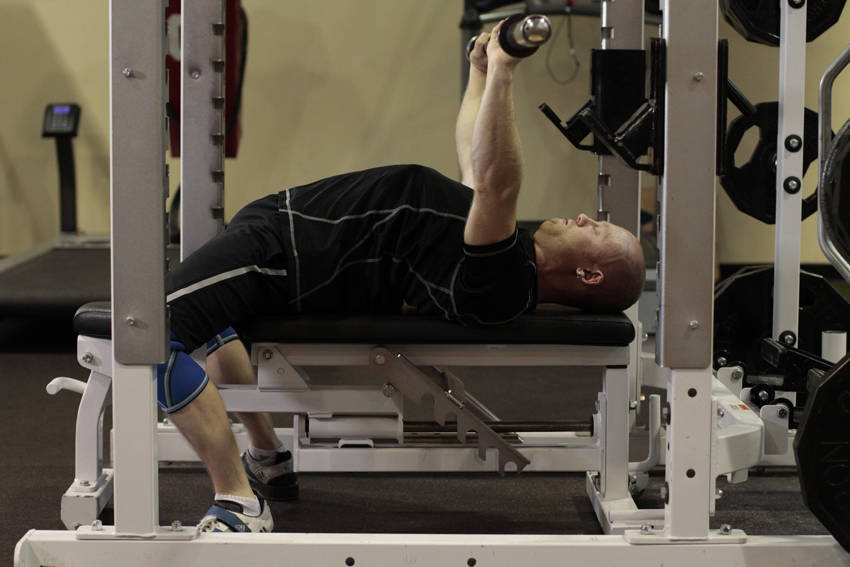
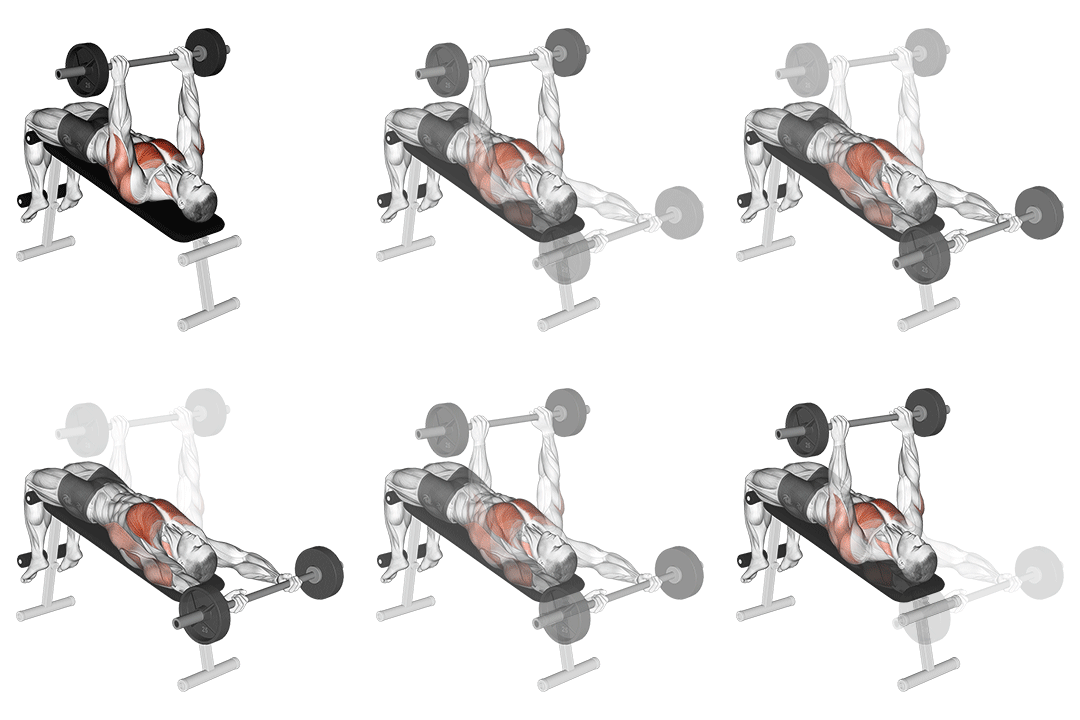
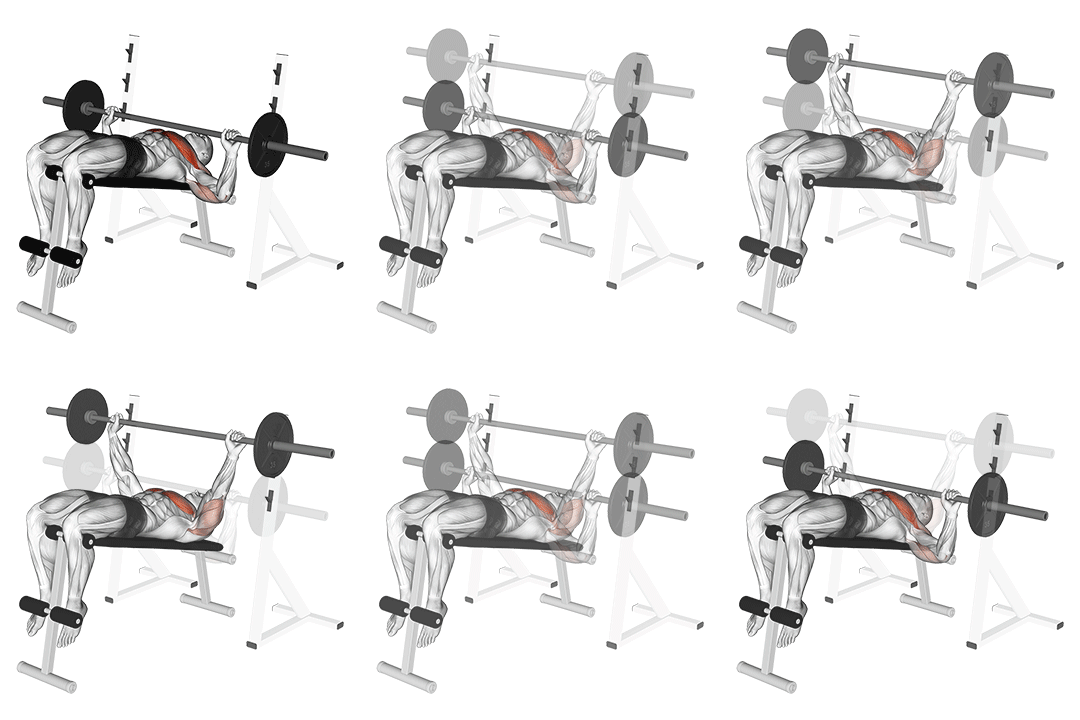
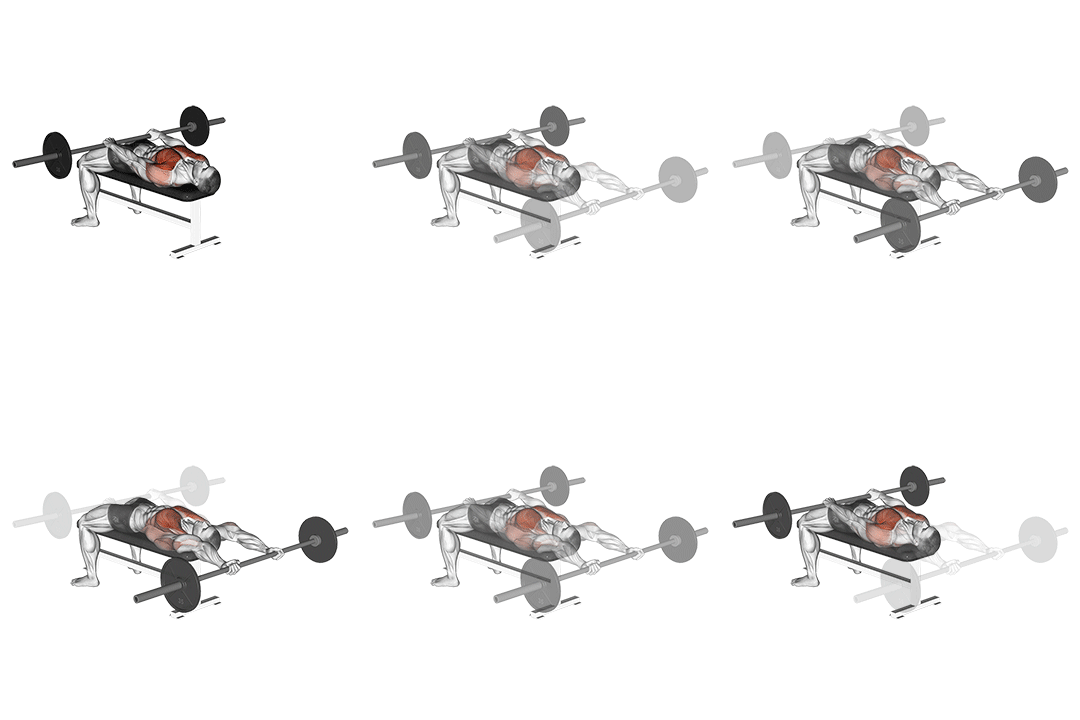
Bench Press - Powerlifting
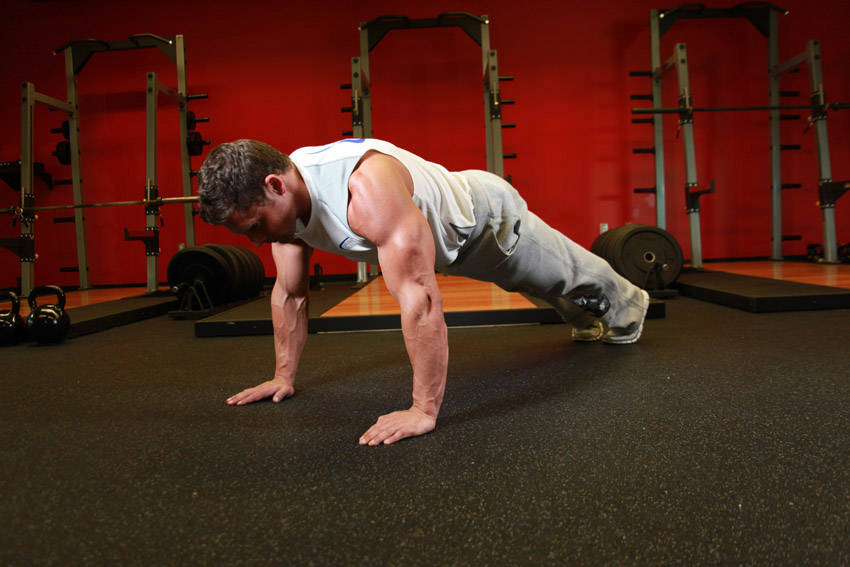
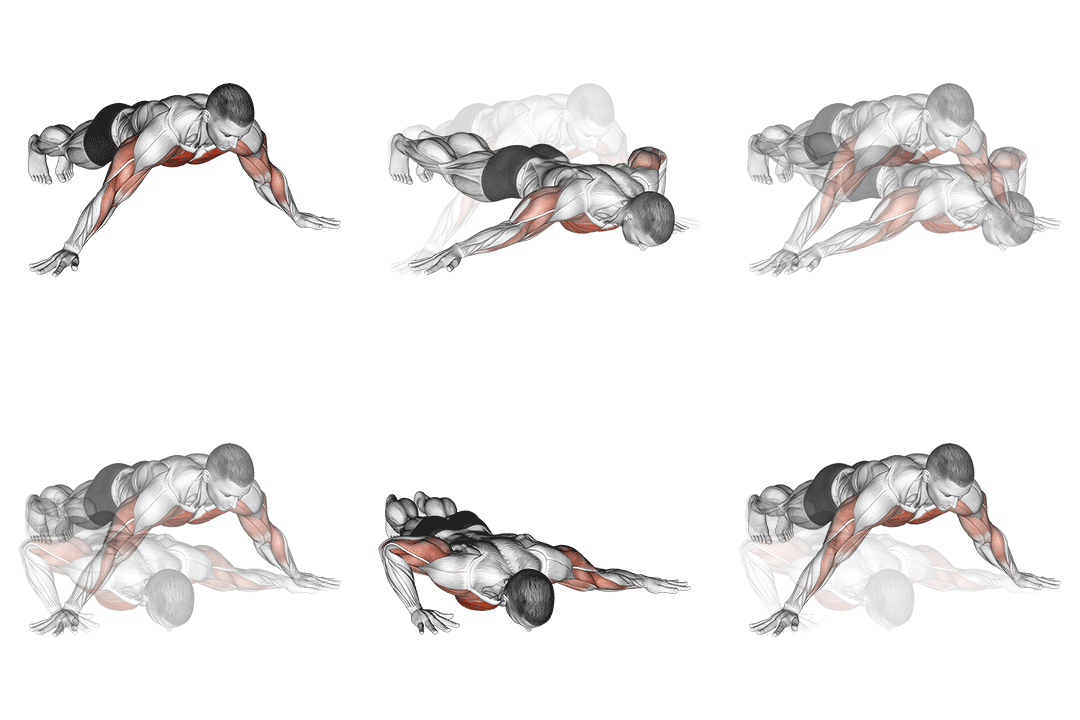
Pushups
Head-to-Head Comparison
| Attribute | Bench Press - Powerlifting | Pushups |
|---|---|---|
| Target Muscle |
Pectorals
|
Pectorals
|
| Body Part |
Chest
|
Chest
|
| Equipment |
Barbell
|
Body-weight
|
| Difficulty |
Advanced
|
Beginner
|
| Movement Type |
Compound
|
Compound
|
| Secondary Muscles |
4
|
2
|
Secondary Muscles Activated
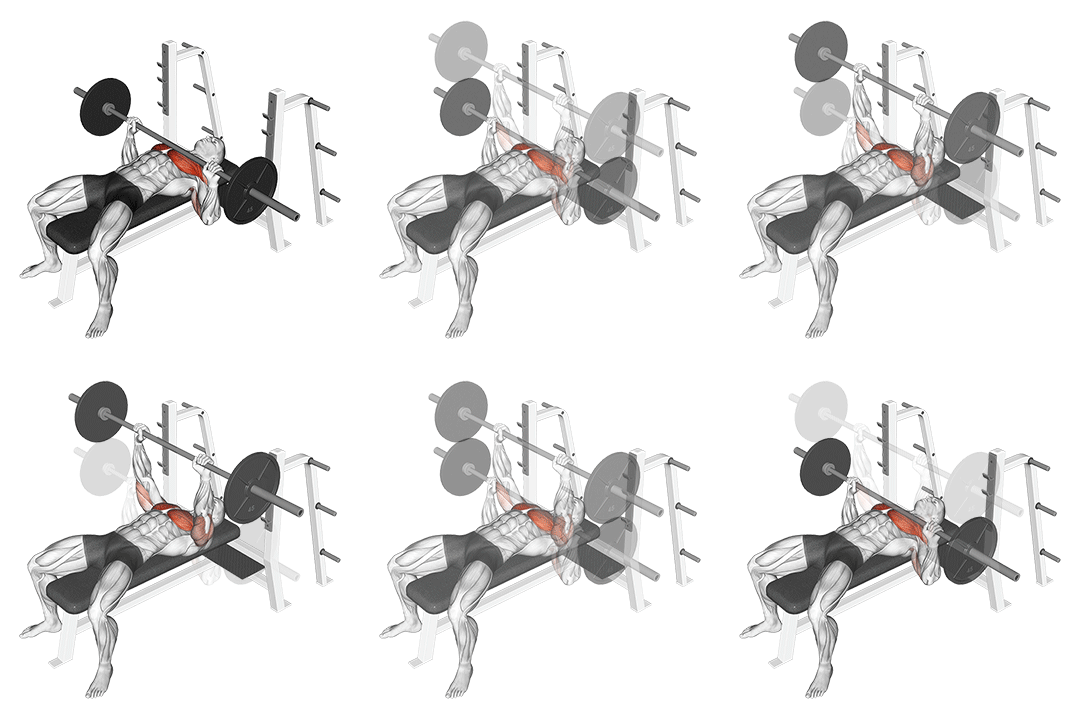
Bench Press - Powerlifting
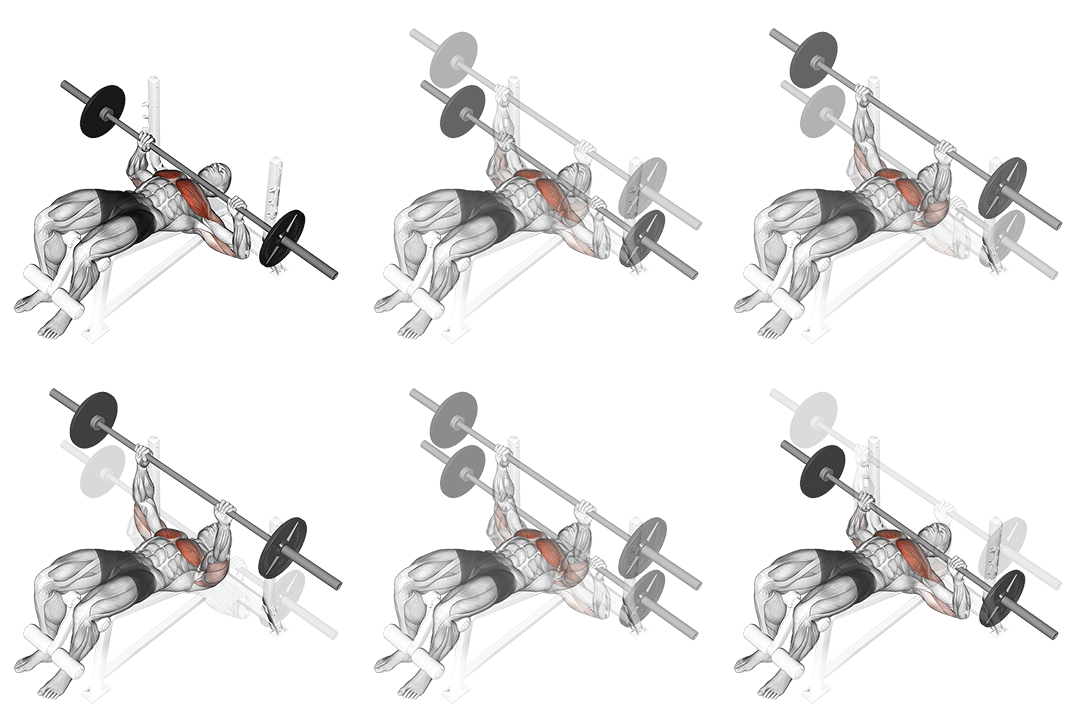
Pushups
Visual Comparison
Overview
Bench Press - Powerlifting vs Pushups is the head-to-head you need when deciding how to train your chest. I'll walk you through muscle activation, equipment needs, progression options and injury risk so you can choose the right move for your goals. This comparison also calls out how {Exercise1} vs {Exercise2} perform under different loads and rep ranges, gives specific technique cues, and shows practical progressions for beginners through advanced lifters. Read on and you'll know which exercise to prioritize in your program.
Key Differences
- Equipment differs: Bench Press - Powerlifting uses Barbell, while Pushups requires Body-weight.
- Difficulty levels differ: Bench Press - Powerlifting is advanced, while Pushups is beginner.
Pros & Cons
Bench Press - Powerlifting
+ Pros
- Allows high absolute loading for maximal strength and muscle growth
- Precise progressive overload using percentage-based programs
- Greater recruitment of lats and forearms to stabilize heavy loads
- Easy to quantify progress with 1RM and percentage work (e.g., 85–95% 1RM for strength)
− Cons
- Requires equipment (bench, barbell, plates) and safety measures
- Higher technical demand: bar path, leg drive, and scapular setup matter
- Greater risk of shoulder or pec strain under poor technique at heavy loads
Pushups
+ Pros
- Requires no equipment and is highly accessible anywhere
- Builds integrated core and scapular stability alongside chest strength
- Simple progressions from beginner to advanced (incline → decline → weighted)
- Lower barrier to entry for hypertrophy-style higher-rep work (8–25 reps)
− Cons
- Harder to add small, consistent load increases compared to barbells
- Limited maximal load for advanced strength athletes wanting heavy 1RM-style progress
- Wrist discomfort or anterior shoulder strain if performed with poor alignment
When Each Exercise Wins
Bench press lets you control load precisely and target 6–12 rep ranges with progressive overload, producing higher mechanical tension on the pectorals. You can manipulate tempo and partials to emphasize peak contraction and stretch for muscle growth.
Bench press supports heavy loads and percentage-based programming (e.g., 3–6 reps at 85–95% 1RM), which is the most direct path to increasing maximal pressing strength and 1RM performance.
Pushups teach pressing mechanics, core tension, and scapular control with minimal risk and equipment. You can progress through regressions and tempo work to build a strong foundation before loading the bench.
Pushups require no gear and scale from bodyweight endurance to near-maximal resistance using simple modifiers like elevation or a weighted vest, making them ideal for effective home training.
Frequently Asked Questions
Can I do both Bench Press - Powerlifting and Pushups in the same workout?
Yes. Use bench press as your heavy primary lift and follow with pushup variations for volume and scapular endurance. For example, perform bench sets at 3–6 reps then finish with 3–4 sets of pushups for 8–15 reps to add metabolic stress and core stimulus.
Which exercise is better for beginners?
Pushups are better for most beginners because they teach pressing mechanics and require no equipment. Start with incline or knee pushups and progress to full pushups before introducing heavy barbell benching.
How do the muscle activation patterns differ?
Bench press produces higher absolute pectoral and triceps loading at heavy external loads with peak stress at the bottom range due to longer moment arms. Pushups create continuous tension with higher serratus anterior and core activation because the scapula must protract and stabilize through the movement.
Can Pushups replace Bench Press - Powerlifting?
Pushups can substitute for bench press for general strength, muscle endurance and home training, but they cannot fully replace bench press if your goal is maximal 1RM strength or heavy progressive overload. Use pushups as a useful supplement or interim progression when barbell access is limited.
Expert Verdict
Choose Bench Press - Powerlifting when your primary goal is maximal strength or controlled hypertrophy under heavy, progressive loads. Program the bench with phases: strength blocks at 3–6 reps (85–95% 1RM) and hypertrophy blocks at 6–12 reps, and prioritize scapular retraction and tight leg drive to protect the shoulders. Choose Pushups if you need accessibility, core integration and a safe beginner path — use 8–25 rep ranges, tempo variations and lever changes (incline → flat → decline) or add a weighted vest to increase load. Ideally, pair both: use pushups for volume and stability, bench press for heavy strength work.
Also Compare
More comparisons with Bench Press - Powerlifting
Compare More Exercises
Use our free comparison tool to analyze any two exercises head-to-head.
Compare Exercises