

Bench Pull-ups vs Pullups: Complete Comparison Guide
Bench Pull-ups vs Pullups — if you want a clear, practical comparison, you're in the right place. I’ll walk you through how each exercise hits the lats, which secondary muscles assist, required equipment, technique cues (scapular retraction, elbow path, torso angle), and the biomechanics behind their differences (force vectors, length-tension relationships). You’ll get rep ranges for hypertrophy and strength, progression tips, and injury-risk considerations so you can pick the better option for your goals. Read on for actionable cues and programming advice you can apply on your next pulling day.
Exercise Comparison
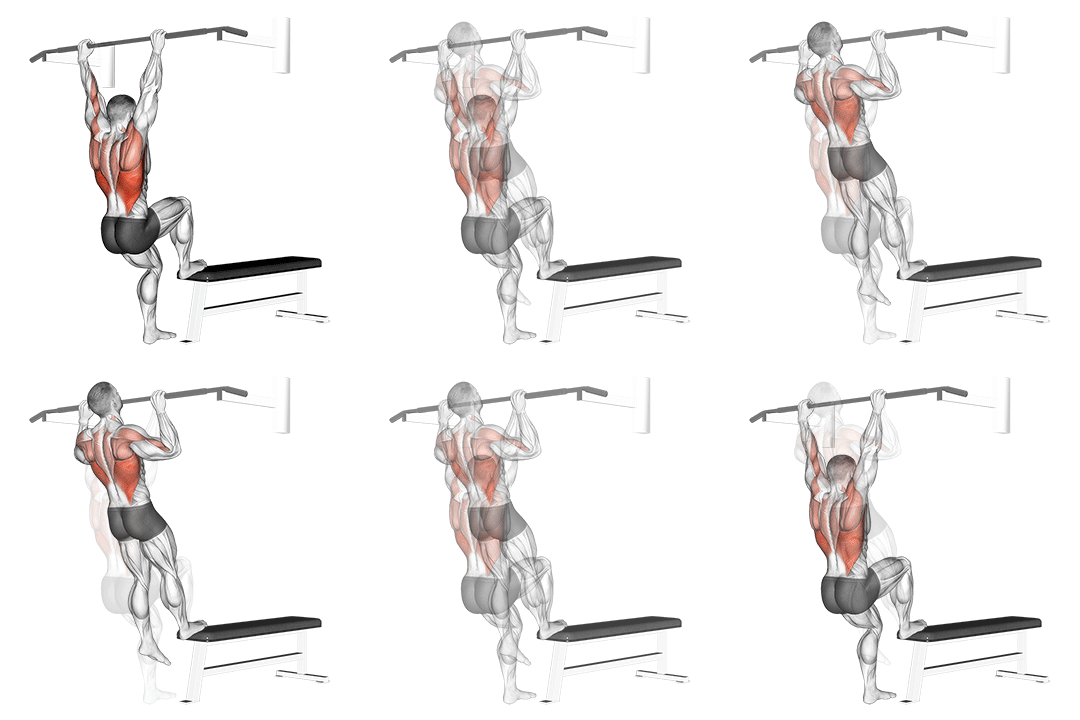
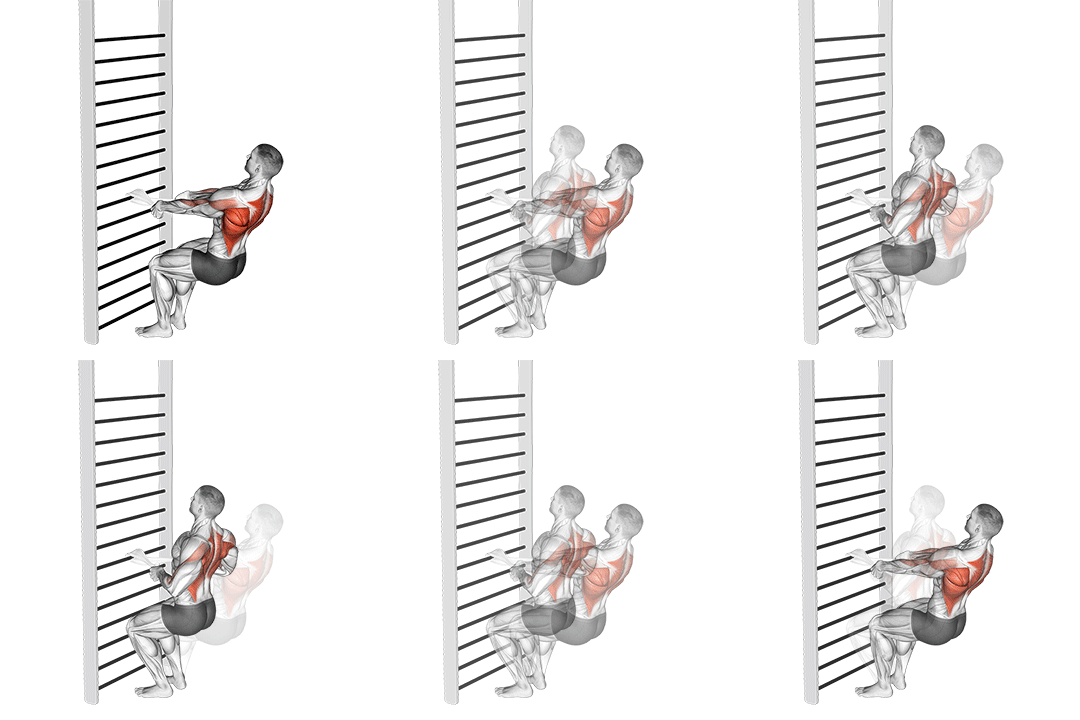
Bench Pull-ups
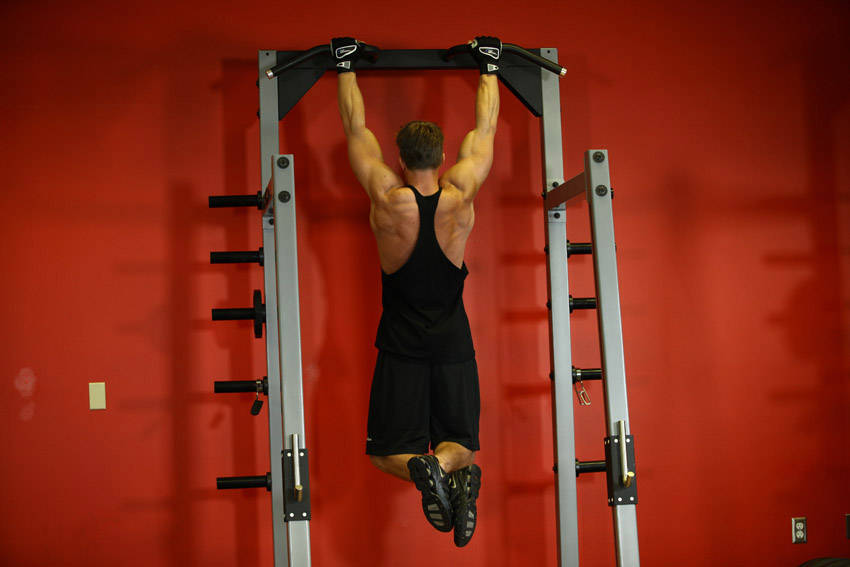
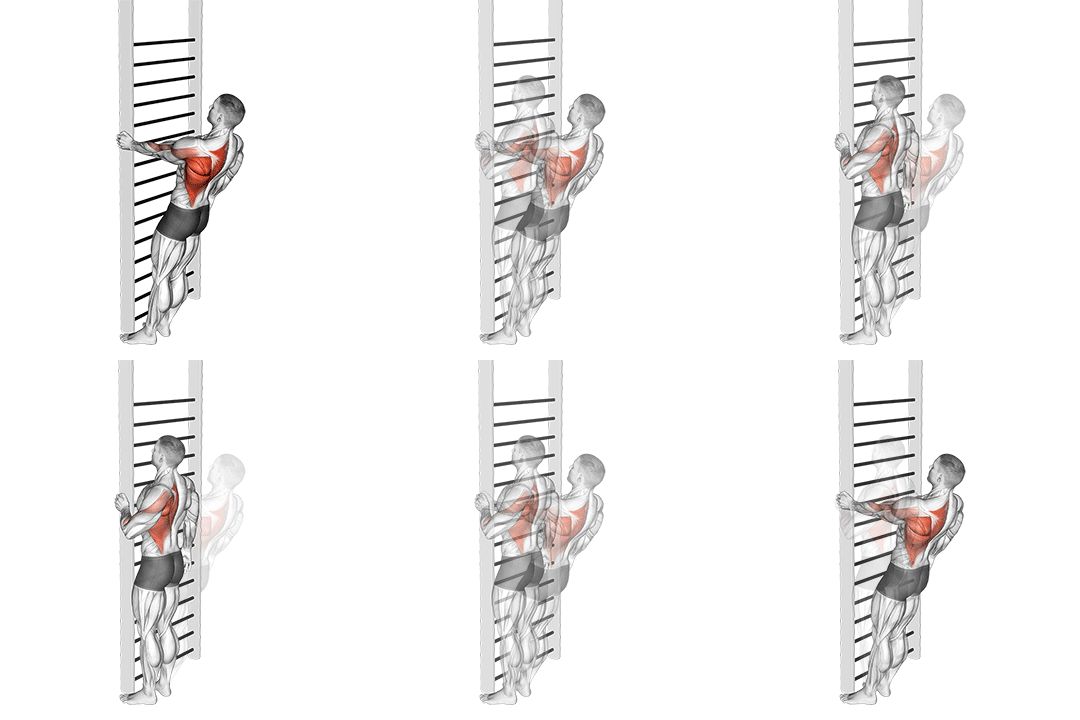
Pullups
Head-to-Head Comparison
| Attribute | Bench Pull-ups | Pullups |
|---|---|---|
| Target Muscle |
Lats
|
Lats
|
| Body Part |
Back
|
Back
|
| Equipment |
Body-weight
|
Body-weight
|
| Difficulty |
Intermediate
|
Intermediate
|
| Movement Type |
Compound
|
Compound
|
| Secondary Muscles |
2
|
2
|
Secondary Muscles Activated
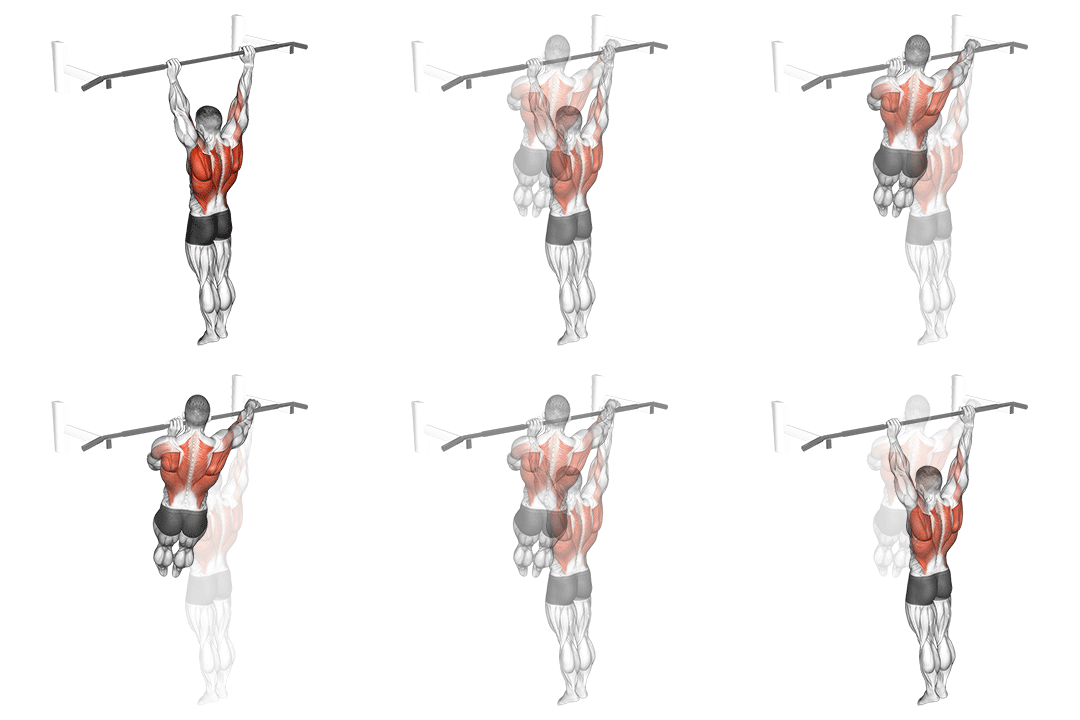
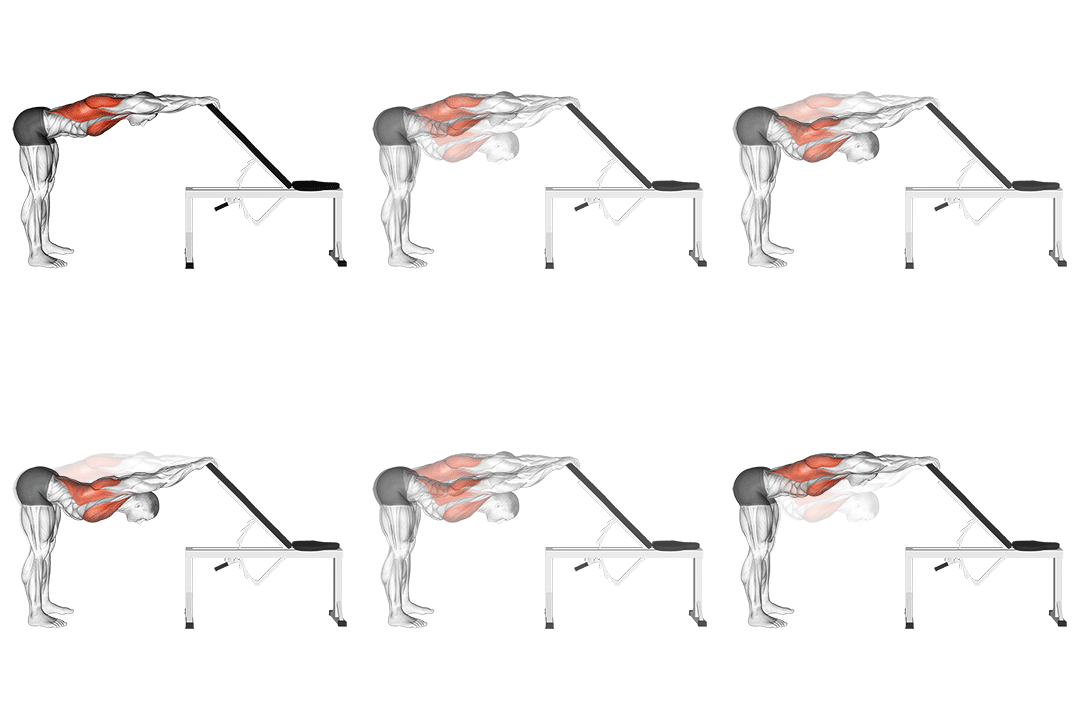
Bench Pull-ups
Pullups
Visual Comparison
Overview
Bench Pull-ups vs Pullups — if you want a clear, practical comparison, you're in the right place. I’ll walk you through how each exercise hits the lats, which secondary muscles assist, required equipment, technique cues (scapular retraction, elbow path, torso angle), and the biomechanics behind their differences (force vectors, length-tension relationships). You’ll get rep ranges for hypertrophy and strength, progression tips, and injury-risk considerations so you can pick the better option for your goals. Read on for actionable cues and programming advice you can apply on your next pulling day.
Key Differences
- Both exercises target the Lats using Body-weight. The main differences are in their movement patterns and muscle activation angles.
Pros & Cons
Bench Pull-ups
+ Pros
- Easier to scale by changing torso angle (30–60% bodyweight on the bar depending on angle)
- Lower overhead equipment need — usually possible at home
- Better for practicing scapular retraction and horizontal pull mechanics
- Lower peak shoulder compression than vertical pullups
− Cons
- Less capacity for maximal overload compared with weighted pullups
- May underload the lats for advanced trainees unless angle is near-horizontal
- Can shift emphasis to middle-back if torso is too flat, reducing lat-specific stimulus
Pullups
+ Pros
- Higher lat mechanical tension and greater potential for maximal strength
- Simple progression path — add weight or increase reps
- Stronger carryover to climbing, bouldering, and everyday vertical pulling demands
- Effective at recruiting lower-lat fibers due to greater shoulder extension
− Cons
- Harder to learn; beginners often struggle to complete clean reps
- Requires stable overhead bar and more clearance
- Higher shoulder joint stress if scapular control is poor or technique breaks down
When Each Exercise Wins
Pullups create higher peak tension on the lats due to the vertical force vector and greater shoulder extension, making them more effective for progressive overload. Use 6–12 reps with slow eccentrics (2–4 sec) and add weight when you can hit 12 clean reps.
Pullups allow heavy loading (weighted sets, negatives) and full-range tension on the latissimus, which drives maximal strength. Aim for 3–6 rep sets with added weight or controlled weighted eccentrics to build force production.
Bench Pull-ups reduce the percentage of bodyweight and let you master scapular retraction, elbow path, and torso bracing. Start at a shallow angle (45° torso) and progress by lowering the angle toward horizontal.
Bench Pull-ups need only a bench or low anchor and minimal overhead clearance, so they're easier to set up in most homes. You can scale intensity by moving feet forward/back and vary tempo without extra equipment.
Frequently Asked Questions
Can I do both Bench Pull-ups and Pullups in the same workout?
Yes. Use Bench Pull-ups early for technique, activation, and volume (3–4 sets of 8–15 at a moderate angle), then perform Pullups for heavy sets or strength work (3–5 sets of 3–8). This pairs high-volume horizontal work with high-tension vertical loading without redundant fatigue.
Which exercise is better for beginners?
Bench Pull-ups are better for beginners because you start with a reduced load and can focus on scapular retraction and elbow path. Progress by decreasing torso angle toward horizontal, then transition to assisted or banded pullups before unassisted vertical pullups.
How do the muscle activation patterns differ?
Bench Pull-ups favor horizontal pulling mechanics, increasing mid-back and posterior deltoid activation while lats peak mid-range. Pullups load the lats under greater length-tension at the top, increasing overall lat activation and recruiting lower-lat fibers more effectively due to greater shoulder extension.
Can Pullups replace Bench Pull-ups?
Pullups can replace Bench Pull-ups for many goals, especially strength and hypertrophy, but you lose the scalable angle-based stimulus and lower-impact teaching tool. For balanced development, include both: bench variations for volume and technique, pullups for heavy, high-tension work.
Expert Verdict
If your primary goal is lat muscle growth or maximal pulling strength, prioritize Pullups — their vertical force vector and full-range shoulder extension produce greater mechanical tension and progression potential. Use weighted pullups and 6–12 rep hypertrophy cycles or 3–6 rep strength blocks to drive progress. If you’re new to pulling, lack an overhead bar, or want a reliable accessory that teaches scapular control, Bench Pull-ups are the better starting choice; they let you dial intensity with torso angle (aim for 30–45° increments) and train consistent retraction. A practical program pairs both: use Bench Pull-ups for warm-up, technique work, and higher-volume sets; reserve Pullups for heavy sets and progressive overload.
Also Compare
More comparisons with Bench Pull-ups

Compare More Exercises
Use our free comparison tool to analyze any two exercises head-to-head.
Compare Exercises