

Bent Over One-Arm Long Bar Row vs Bent Over Two-Dumbbell Row: Complete Comparison Guide
Bent Over One-Arm Long Bar Row vs Bent Over Two-Dumbbell Row — if you want a stronger, thicker middle back you need to pick the right tool. I’ll walk you through technique cues, biomechanics, muscle activation, equipment needs, injury risk, and practical programming. You’ll get clear recommendations for hypertrophy, strength, beginner progressions, and home training, plus specific rep ranges (6–12 for hypertrophy, 3–6 for strength) and angle cues (torso at roughly 30–45°) so you can pick the one that fits your goals and training set-up.
Exercise Comparison
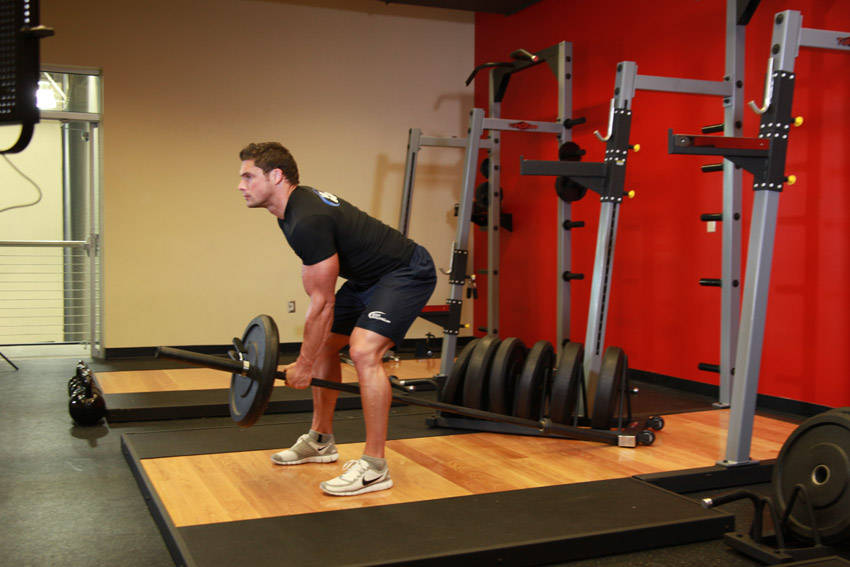
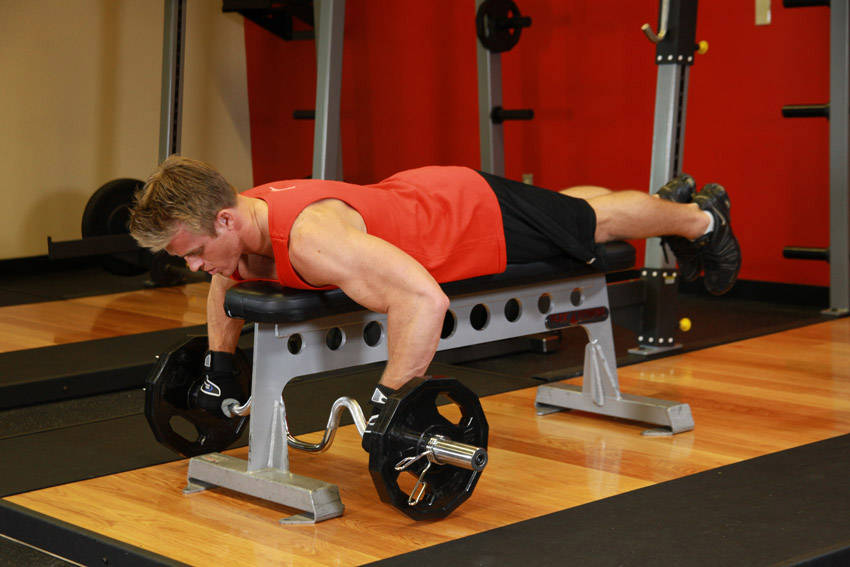
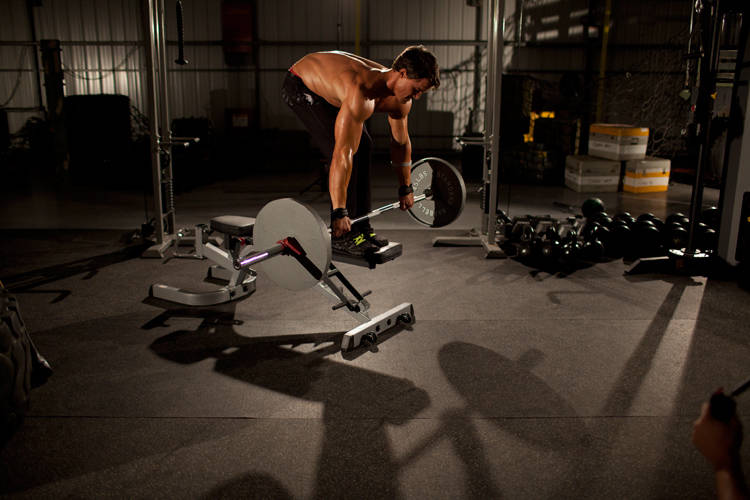
Bent Over One-arm Long Bar Row
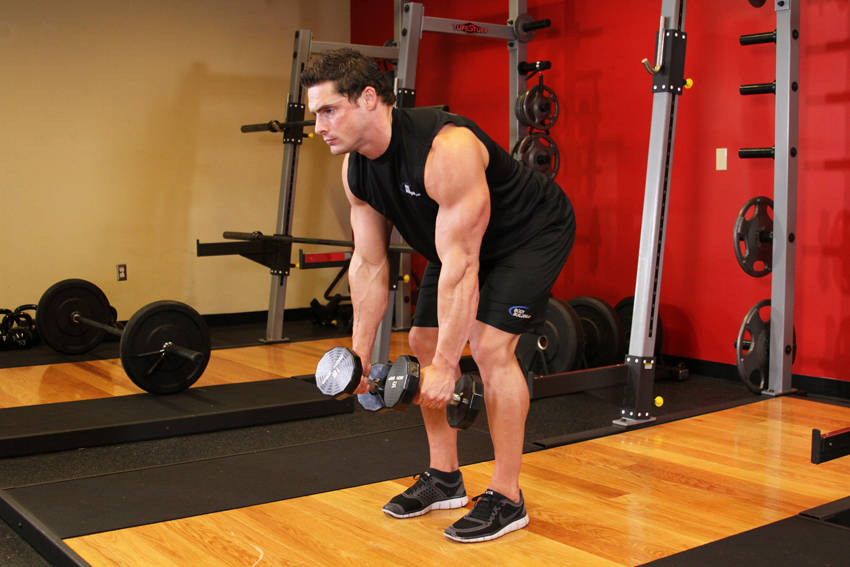
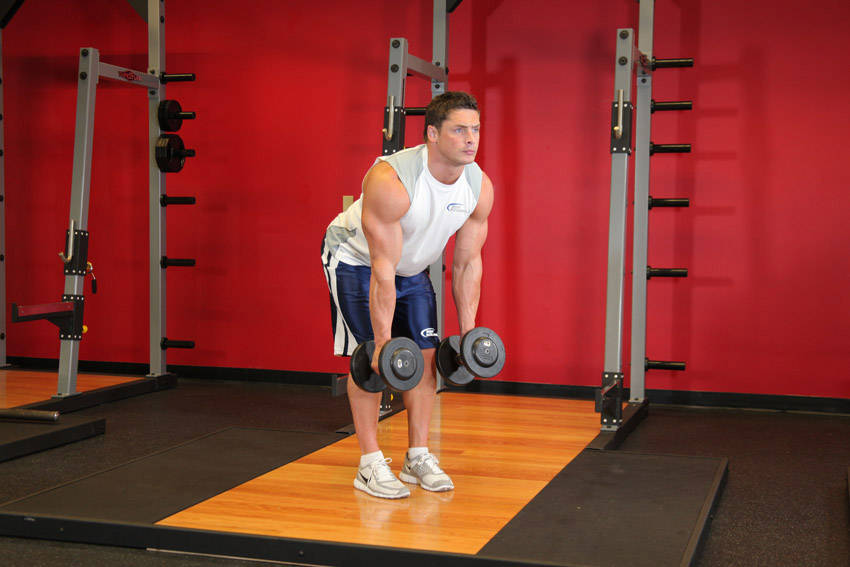
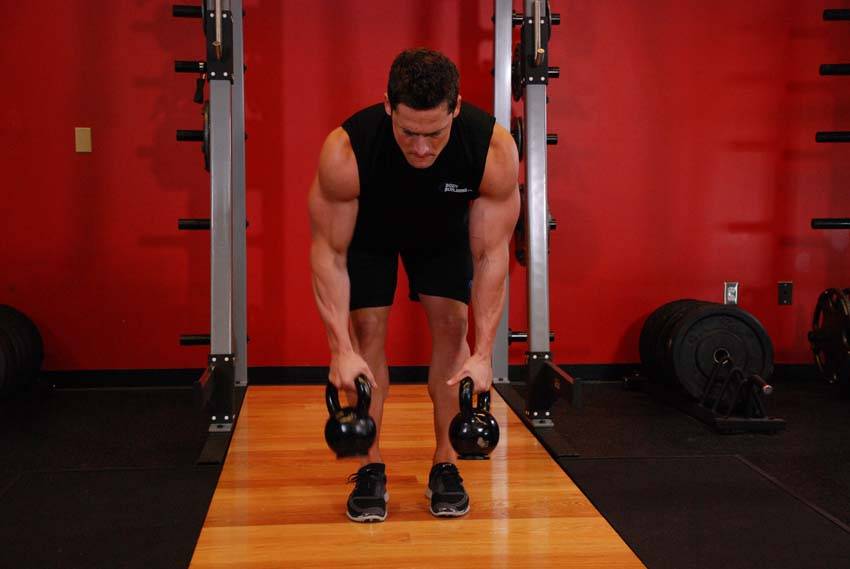
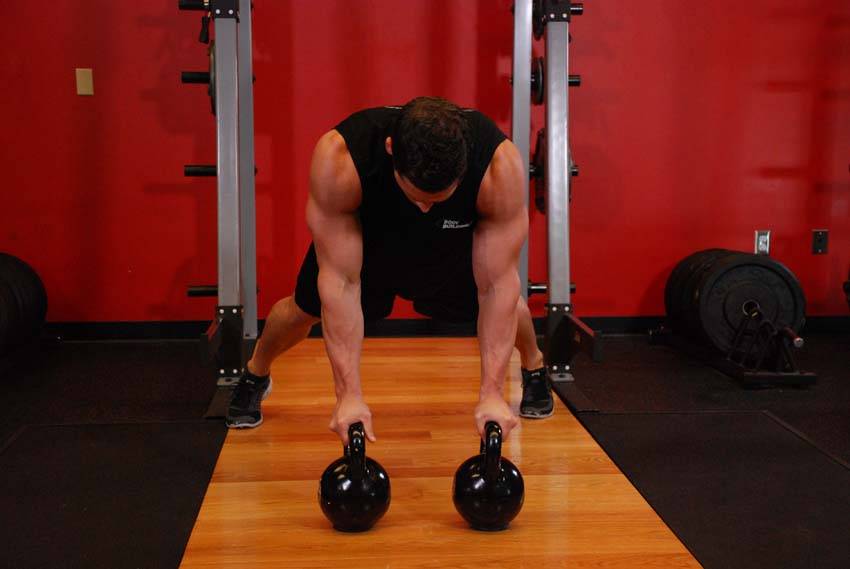
Bent Over Two-dumbbell Row
Head-to-Head Comparison
| Attribute | Bent Over One-arm Long Bar Row | Bent Over Two-dumbbell Row |
|---|---|---|
| Target Muscle |
Middle-back
|
Middle-back
|
| Body Part |
Back
|
Back
|
| Equipment |
Barbell
|
Dumbbell
|
| Difficulty |
Intermediate
|
Intermediate
|
| Movement Type |
Compound
|
Compound
|
| Secondary Muscles |
4
|
3
|
Secondary Muscles Activated
Bent Over One-arm Long Bar Row
Bent Over Two-dumbbell Row
Visual Comparison
Overview
Bent Over One-Arm Long Bar Row vs Bent Over Two-Dumbbell Row — if you want a stronger, thicker middle back you need to pick the right tool. I’ll walk you through technique cues, biomechanics, muscle activation, equipment needs, injury risk, and practical programming. You’ll get clear recommendations for hypertrophy, strength, beginner progressions, and home training, plus specific rep ranges (6–12 for hypertrophy, 3–6 for strength) and angle cues (torso at roughly 30–45°) so you can pick the one that fits your goals and training set-up.
Key Differences
- Equipment differs: Bent Over One-arm Long Bar Row uses Barbell, while Bent Over Two-dumbbell Row requires Dumbbell.
Pros & Cons
Bent Over One-arm Long Bar Row
+ Pros
- Stronger anti-rotation and unilateral overload — builds unilateral strength transfer
- Allows heavier absolute single-side loading for strength work
- Greater trap and lower-back stabilization stimulus because of bar rotation forces
- Straight-line horizontal pull can improve scapular retraction under heavy load
− Cons
- Higher technical demand — needs anti-rotation control and bracing
- Requires specific equipment (long bar or landmine) and space
- Greater lumbar loading increases injury risk for weak posterior chains
Bent Over Two-dumbbell Row
+ Pros
- More accessible — needs only dumbbells and minimal setup
- Independent arm path increases ROM and lat stretch for better length-tension
- Lower rotational stress on the spine — safer for many lifters
- Easier to microload and correct side imbalances
− Cons
- Harder to load as heavy as a barbell-based unilateral setup
- Requires good shoulder stability to avoid compensatory shrugging
- Can encourage asymmetric technique if one arm dominates
When Each Exercise Wins
Two-dumbbell rows give a greater independent range of motion and better lat lengthening at the bottom of the pull, improving the eccentric stretch stimulus that drives hypertrophy. Use 6–12 reps and pause 1–2 seconds at end range to maximize time under tension.
The long bar setup allows larger absolute loads and a stronger unilateral overload pattern, which transfers well to heavy pulling strength. Train in the 3–6 rep range while focusing on anti-rotation bracing and a 30–45° torso angle.
Dumbbell rows are simpler to learn and place less rotational stress on the spine, so beginners can hit technique and scapular control faster. Start with lighter dumbbells, a 30–45° torso, and 8–12 reps to build a foundation.
Dumbbells are more likely to be available at home and require less setup than a long bar/landmine. They also allow flexible loading and are safer for single-person training.
Frequently Asked Questions
Can I do both Bent Over One-Arm Long Bar Row and Bent Over Two-Dumbbell Row in the same workout?
Yes — pair them with intelligent sequencing: do the heavy long bar variation first for low-rep strength (3–6 reps), then use two-dumbbell rows as a hypertrophy finish (8–12 reps). Keep total weekly volume balanced to avoid overworking the lumbar extensors.
Which exercise is better for beginners?
Bent Over Two-Dumbbell Row is better for beginners because it’s easier to learn, has lower anti-rotation demand, and places less shear on the spine. Start with lighter weights, focus on a neutral spine at 30–45° torso angle, and progress technique before increasing load.
How do the muscle activation patterns differ?
The long bar row increases anti-rotation and lower-back activation due to the offset load, raising erector spinae and oblique demand by roughly 10–20%. Two-dumbbell rows allow greater lat lengthening and symmetric scapular motion, increasing end-range lat and posterior deltoid engagement for a smoother concentric-eccentric cycle.
Can Bent Over Two-Dumbbell Row replace Bent Over One-Arm Long Bar Row?
Yes for most lifters chasing hypertrophy or training at home — two-dumbbell rows provide similar middle-back stimulus with lower spinal stress. If you need maximal unilateral strength or have specialized barbell access, keep the long bar row in your program.
Expert Verdict
If your primary goal is middle-back hypertrophy and you train at home or want safer spine mechanics, pick the Bent Over Two-Dumbbell Row: it gives cleaner ROM, better lat stretch, and simpler progression for 6–12 rep sets. If you want raw unilateral strength and can control anti-rotation forces — or you have a landmine/long bar setup — the Bent Over One-Arm Long Bar Row lets you overload one side with heavier absolute weight and builds spinal stabilizers; use it for 3–6 heavy reps with strict bracing. Rotate both across cycles to exploit unique loading vectors and prevent adaptation stalls.
Also Compare
More comparisons with Bent Over One-arm Long Bar Row
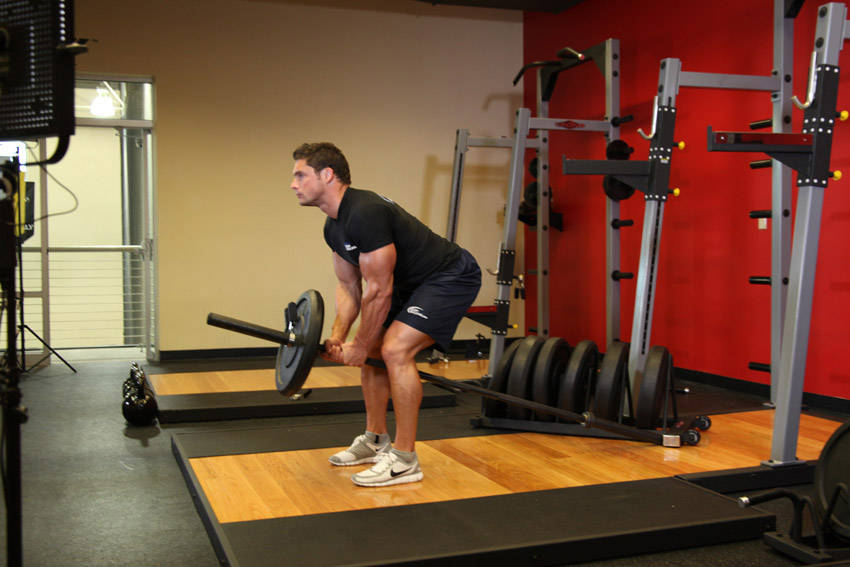
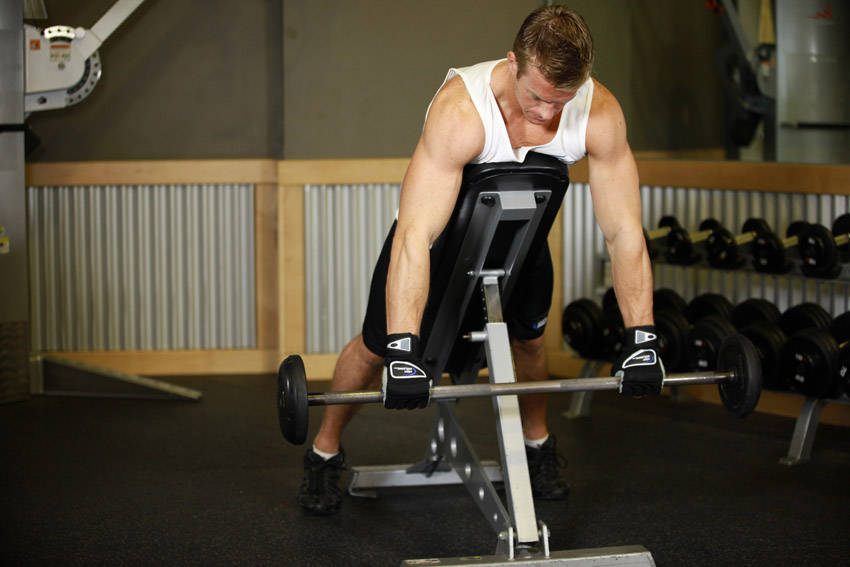

More comparisons with Bent Over Two-dumbbell Row
Compare More Exercises
Use our free comparison tool to analyze any two exercises head-to-head.
Compare Exercises