

Bent Over One-Arm Long Bar Row vs Bent Over Two-Dumbbell Row With Palms In: Complete Comparison Guid
Bent Over One-Arm Long Bar Row vs Bent Over Two-Dumbbell Row With Palms In — two solid choices for building a thicker middle-back. You’ll get a straight comparison of how each exercise loads the rhomboids and middle traps, how the spine and hips must stabilize, and which one fits your goals for muscle growth, strength, or convenience. I’ll walk you through muscle activation, equipment needs, learning curve, injury risk, practical technique cues, and clear recommendations so you can pick the best row for your program.
Exercise Comparison
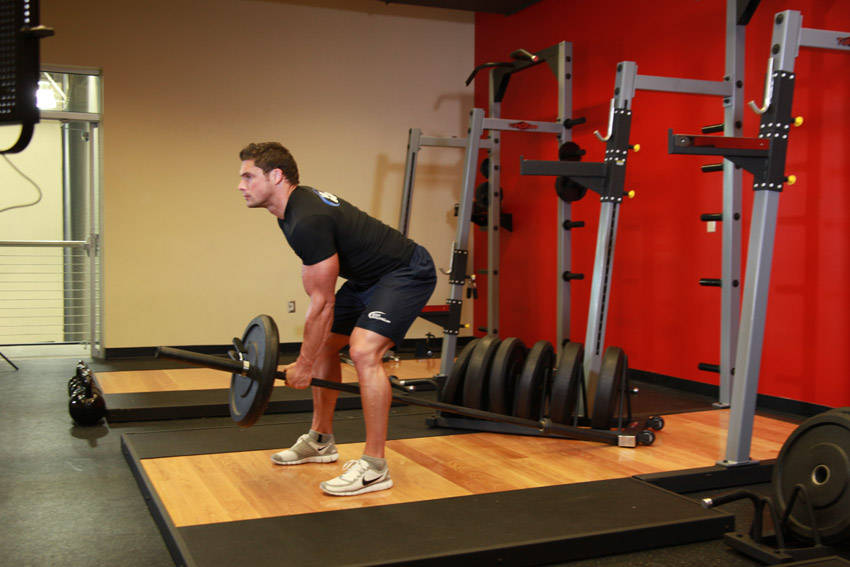
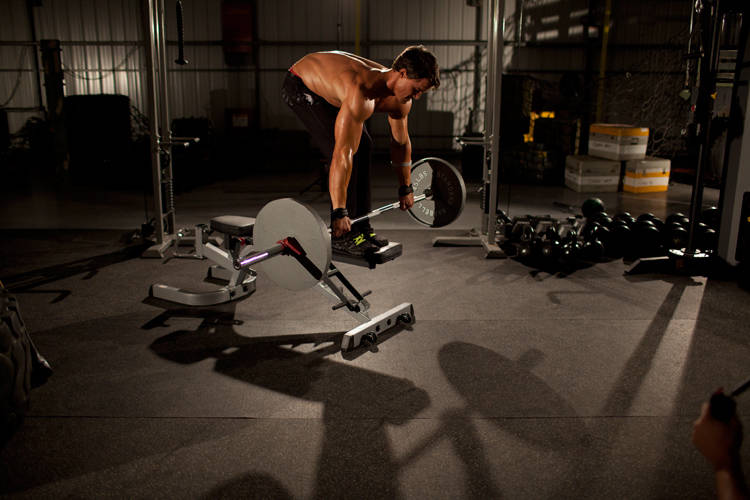
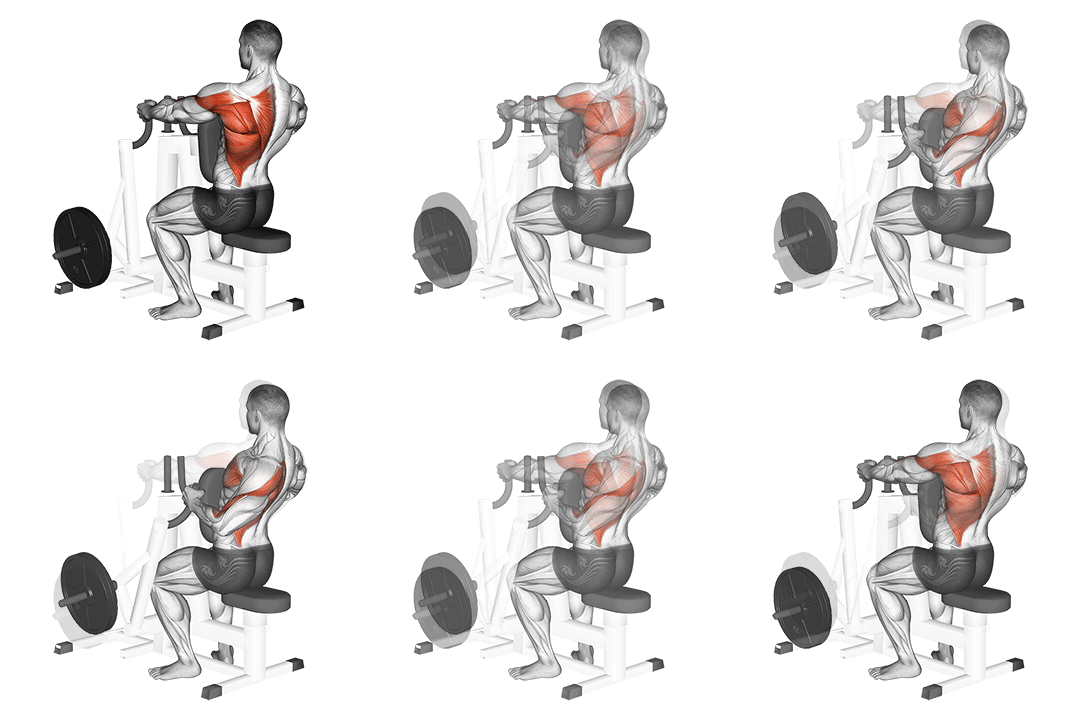
Bent Over One-arm Long Bar Row
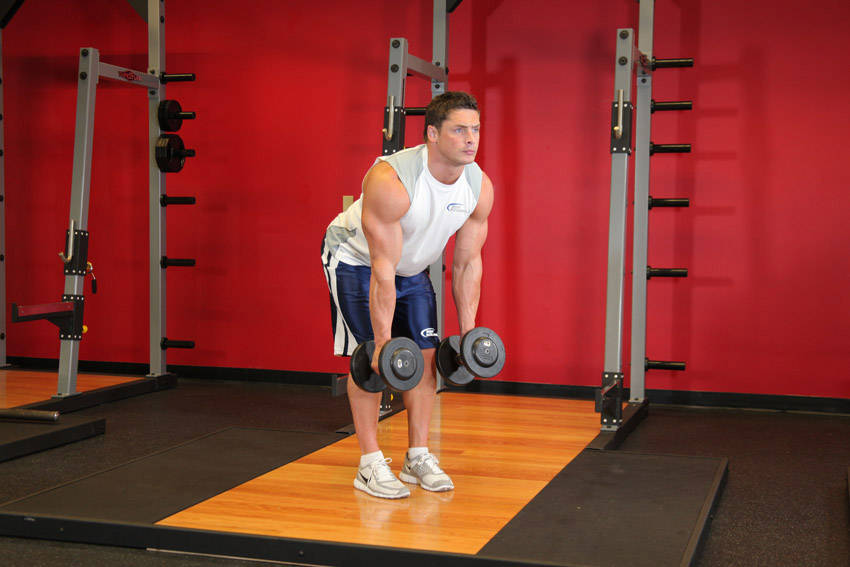
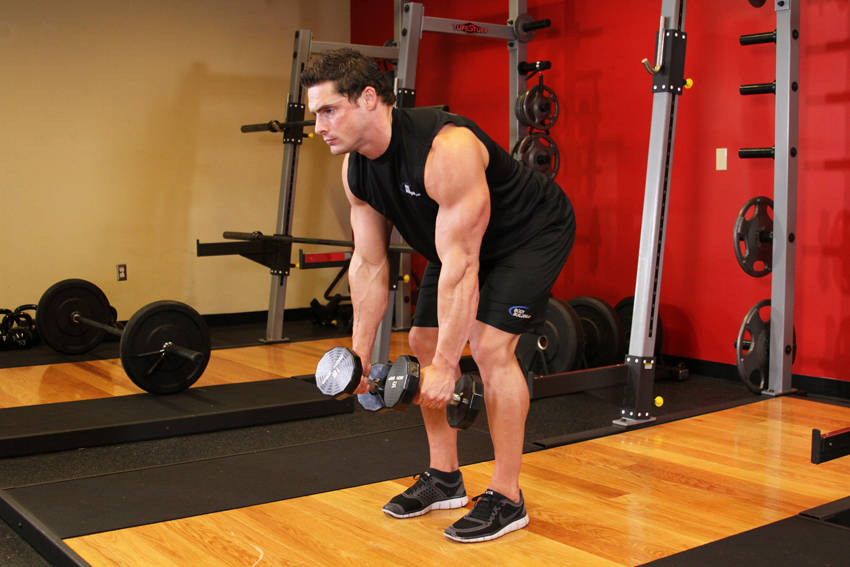
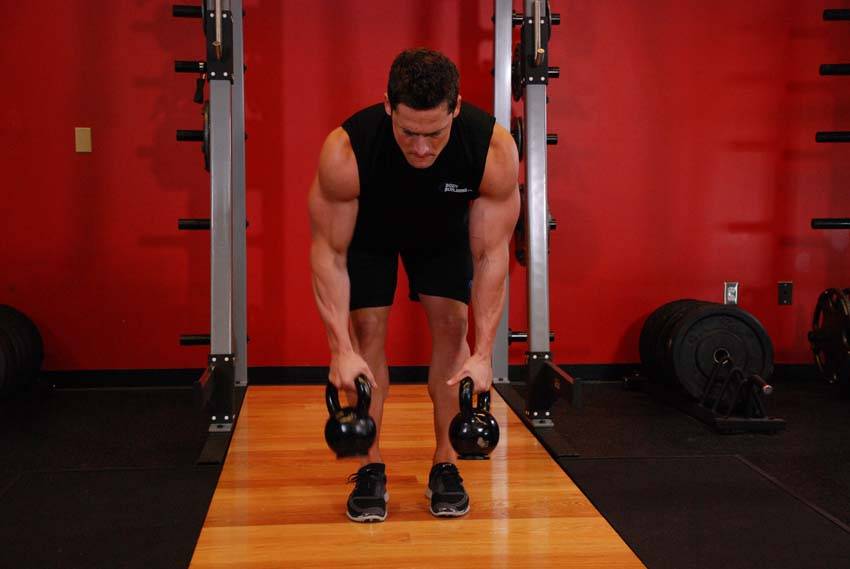
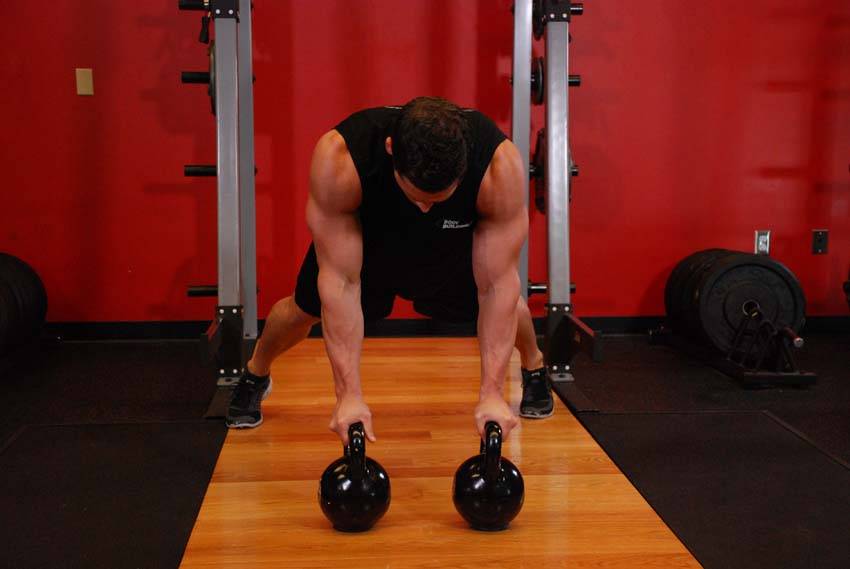
Bent Over Two-dumbbell Row With Palms In
Head-to-Head Comparison
| Attribute | Bent Over One-arm Long Bar Row | Bent Over Two-dumbbell Row With Palms In |
|---|---|---|
| Target Muscle |
Middle-back
|
Middle-back
|
| Body Part |
Back
|
Back
|
| Equipment |
Barbell
|
Dumbbell
|
| Difficulty |
Intermediate
|
Intermediate
|
| Movement Type |
Compound
|
Compound
|
| Secondary Muscles |
4
|
2
|
Secondary Muscles Activated
Bent Over One-arm Long Bar Row
Bent Over Two-dumbbell Row With Palms In
Visual Comparison
Overview
Bent Over One-Arm Long Bar Row vs Bent Over Two-Dumbbell Row With Palms In — two solid choices for building a thicker middle-back. You’ll get a straight comparison of how each exercise loads the rhomboids and middle traps, how the spine and hips must stabilize, and which one fits your goals for muscle growth, strength, or convenience. I’ll walk you through muscle activation, equipment needs, learning curve, injury risk, practical technique cues, and clear recommendations so you can pick the best row for your program.
Key Differences
- Equipment differs: Bent Over One-arm Long Bar Row uses Barbell, while Bent Over Two-dumbbell Row With Palms In requires Dumbbell.
Pros & Cons
Bent Over One-arm Long Bar Row
+ Pros
- Greater anti-rotation and core stabilization demand to strengthen trunk under unilateral load
- Potential to load one side heavier for strength carryover and imbalance correction
- Engages lower back more, improving erector spinae strength when performed with solid bracing
- Creates a longer lever on the working side which can increase mechanical tension on target muscles
− Cons
- Higher rotational torque increases lumbar load and injury risk if form breaks down
- Requires a long bar or creative setup and space to perform safely
- Harder to maintain perfect scapular control and symmetry compared to bilateral rows
Bent Over Two-dumbbell Row With Palms In
+ Pros
- Neutral grip supports natural shoulder mechanics and reduces impingement risk
- Symmetrical loading allows even bilateral activation and easier technique coaching
- Widely accessible in gyms and homes with dumbbells
- Easier to control range of motion and tempo for hypertrophy (time under tension)
− Cons
- Limited unilateral overload compared to a long bar one-arm setup
- Heavier loads may be restricted by available dumbbell size
- Slightly less core anti-rotation challenge, so it’s less effective for unilateral trunk strength
When Each Exercise Wins
The bilateral, neutral-grip row lets you maintain cleaner scapular retraction and longer time under tension—ideal for 6–12 reps and 3–5 sets. You can add volume easily and control tempo (eccentric 2–3s), which optimizes mechanical tension on the middle-back.
The long bar one-arm row enables heavier single-side loading and trains anti-rotation stability, transferring well to maximal horizontal-pull strength. Use 3–6 reps with heavy load and strict bracing to stimulate neural and strength adaptations.
Dumbbells provide a more intuitive grip and symmetrical pattern that’s easier to learn and coach. Beginners can focus on maintaining a neutral spine at a 30–45° hinge and build strength before adding unilateral complexity.
Most home setups include a pair of dumbbells or adjustable sets, making the palms-in row far simpler to program. It’s low setup, minimal space, and scalable for hypertrophy and general strength.
Frequently Asked Questions
Can I do both Bent Over One-Arm Long Bar Row and Bent Over Two-Dumbbell Row With Palms In in the same workout?
Yes — pair them strategically. Use two-dumbbell rows early in the session for higher-volume hypertrophy sets (8–12 reps), then add one-arm long bar rows later for heavy unilateral work (3–6 reps) to avoid excessive lower-back fatigue.
Which exercise is better for beginners?
The two-dumbbell palms-in row is better for beginners because it reduces rotational torque and is easier to coach for neutral spine and scapular retraction. It lets you build foundational pulling mechanics before adding unilateral complexity.
How do the muscle activation patterns differ?
Mechanically, the one-arm long bar creates an off-center force vector that increases anti-rotation activation in obliques and erector spinae, while the two-dumbbell palms-in row produces a balanced horizontal pull that emphasizes bilateral middle-trap and rhomboid time under tension and greater lat contribution during the concentric drive.
Can Bent Over Two-Dumbbell Row With Palms In replace Bent Over One-Arm Long Bar Row?
Yes for hypertrophy and accessibility—dumbbells reproduce much of the mid-back stimulus. But if you need unilateral overload or want to train anti-rotation strength, the one-arm long bar row offers unique mechanical stresses that the dumbbell version can’t fully replicate.
Expert Verdict
Use the two-dumbbell palms-in row when your goal is consistent middle-back hypertrophy, safer loading for beginners, or when equipment is limited—program 8–12 reps for size, control the eccentric for 2–3 seconds, and keep the torso at 30–45° hinge. Choose the one-arm long bar row when you want unilateral overload, anti-rotation core stimulus, or to address side-to-side strength differences—train heavier sets of 3–6 reps or mixed rep schemes and prioritize bracing and neutral spine. Both should be included across a training cycle: prioritize dumbbells for volume phases and long bar one-arm rows during strength or unilateral emphasis phases.
Also Compare
More comparisons with Bent Over One-arm Long Bar Row
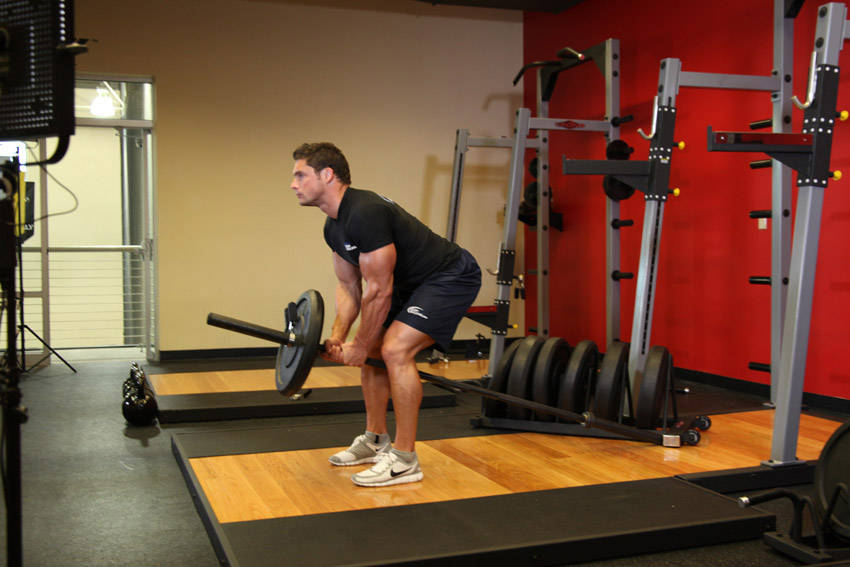
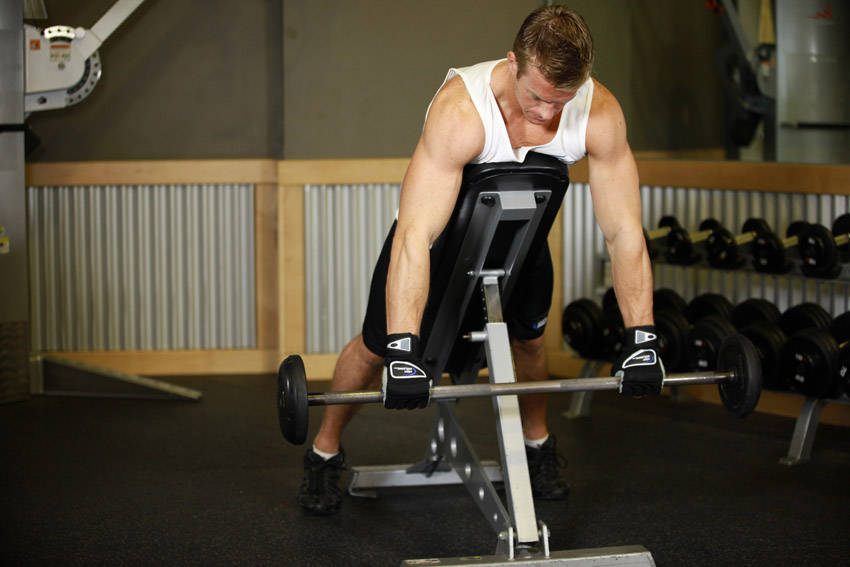
More comparisons with Bent Over Two-dumbbell Row With Palms In
Compare More Exercises
Use our free comparison tool to analyze any two exercises head-to-head.
Compare Exercises