

Bent Over One-Arm Long Bar Row vs Lever Alternating Narrow Grip Seated Row: Complete Comparison Guid
Bent Over One-Arm Long Bar Row vs Lever Alternating Narrow Grip Seated Row — two compound middle-back builders that look similar on paper but feel different under load. You’ll learn how each targets the middle-back, which secondary muscles light up, what equipment and setup each requires, and clear programming advice (rep ranges, progression routes, and injury risk). Read on to figure out which row to pick for muscle growth, strength, or simple gym accessibility, and get specific cueing so you can perform each rep safely and effectively.
Exercise Comparison
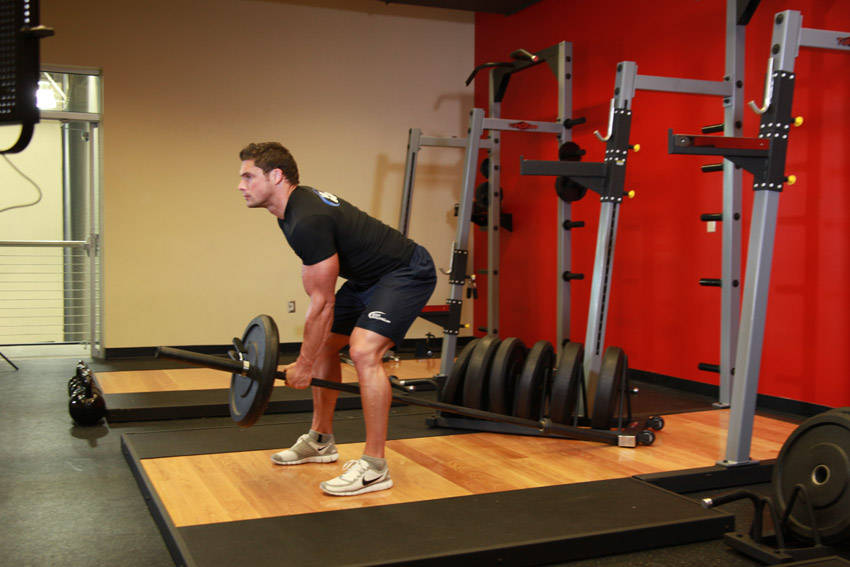
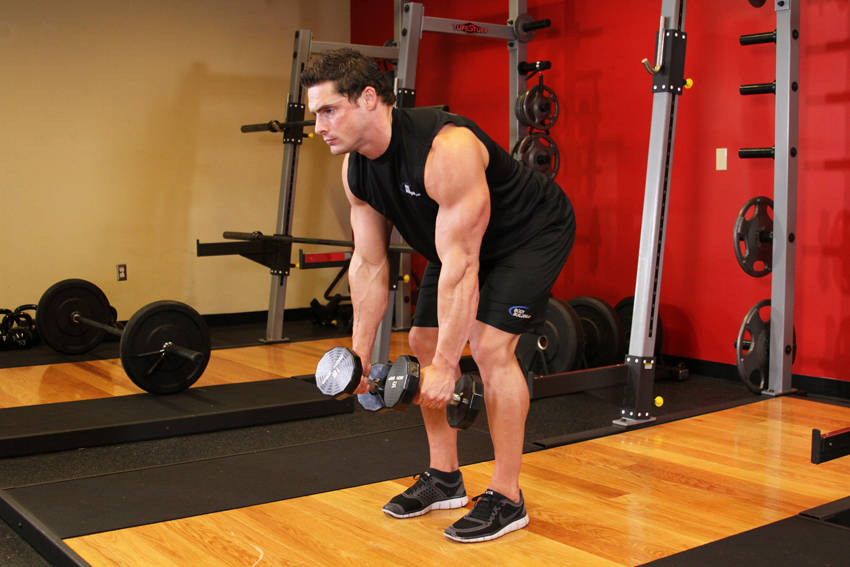
Bent Over One-arm Long Bar Row
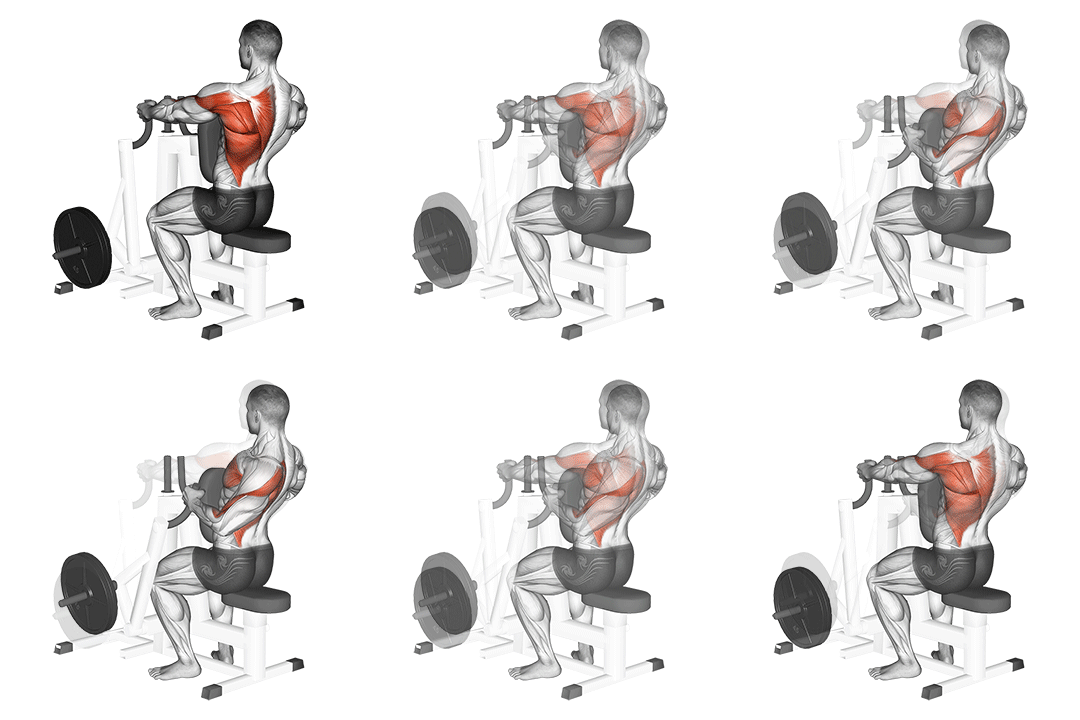
Lever Alternating Narrow Grip Seated Row
Head-to-Head Comparison
| Attribute | Bent Over One-arm Long Bar Row | Lever Alternating Narrow Grip Seated Row |
|---|---|---|
| Target Muscle |
Middle-back
|
Middle-back
|
| Body Part |
Back
|
Back
|
| Equipment |
Barbell
|
Lever
|
| Difficulty |
Intermediate
|
Intermediate
|
| Movement Type |
Compound
|
Compound
|
| Secondary Muscles |
4
|
2
|
Secondary Muscles Activated
Bent Over One-arm Long Bar Row
Lever Alternating Narrow Grip Seated Row
Visual Comparison
Overview
Bent Over One-Arm Long Bar Row vs Lever Alternating Narrow Grip Seated Row — two compound middle-back builders that look similar on paper but feel different under load. You’ll learn how each targets the middle-back, which secondary muscles light up, what equipment and setup each requires, and clear programming advice (rep ranges, progression routes, and injury risk). Read on to figure out which row to pick for muscle growth, strength, or simple gym accessibility, and get specific cueing so you can perform each rep safely and effectively.
Key Differences
- Equipment differs: Bent Over One-arm Long Bar Row uses Barbell, while Lever Alternating Narrow Grip Seated Row requires Lever.
Pros & Cons
Bent Over One-arm Long Bar Row
+ Pros
- Higher posterior chain and lat involvement due to hip hinge and torso angle
- Greater stabilizer recruitment improves core and spinal control
- Easier to progressively overload with plates and tempo
- Versatile—adjust torso angle (30–60°) to shift emphasis
− Cons
- Greater technical demand—requires solid hip hinge and bracing
- Higher lower-back stress if form breaks
- Harder to isolate mid-back—other muscles can dominate
Lever Alternating Narrow Grip Seated Row
+ Pros
- Stabilized torso reduces lower-back stress and isolates mid-back
- Fixed path simplifies technique and pacing (good for strict sets)
- Narrow grip increases forearm and brachialis engagement for arm development
- Machine safety allows heavy work without spotter
− Cons
- Limited availability—machine is gym-specific
- Fixed pivot reduces stabilizer recruitment and functional carryover
- Handle spacing can force suboptimal scapular mechanics for some lifters
When Each Exercise Wins
It produces higher overall tension across lats, mid-traps, and erectors and offers more loading and tempo options (6–12 reps, slow eccentrics). That increased stabilizer demand and varied force vectors create a stronger hypertrophy stimulus when programmed with adequate volume.
Barbell loading allows heavier absolute loads and better progressive overload for compound pulling strength. The requirement to brace and stabilize also transfers well to deadlifts and other full-body strength movements.
The machine enforces posture and reduces lumbar stress, letting beginners focus on scapular retraction and controlled reps (8–15 reps) before progressing to free-weight varieties that demand a hip hinge and core stability.
A barbell setup is more realistic for most home gyms than a lever machine. With a bar and plates you can replicate the horizontal pull and scale load easily.
Frequently Asked Questions
Can I do both Bent Over One-Arm Long Bar Row and Lever Alternating Narrow Grip Seated Row in the same workout?
Yes. Use the lever row as a technique or activation set (8–12 reps) to pre-fatigue the mid-back, then follow with heavier bent-over sets (6–10 reps) for overload. Keep total volume sensible—aim for 12–20 working sets for the back per week split across exercises.
Which exercise is better for beginners?
The lever seated row is better for beginners because it stabilizes the torso and teaches scapular retraction without loading the lumbar spine. Once you can maintain a neutral spine and strong hip hinge, introduce the bent-over row for additional posterior-chain demand.
How do the muscle activation patterns differ?
The bent-over row creates simultaneous activation of mid-traps, lats, and erectors due to the hip hinge and torso torque, increasing stabilizer involvement. The seated lever concentrates activation on scapular retractors and elbow flexors with lower erector engagement thanks to the fixed pivot and supported posture.
Can Lever Alternating Narrow Grip Seated Row replace Bent Over One-Arm Long Bar Row?
It can replace it for isolation, injury management, or volume work, but not fully for posterior-chain and core strengthening. If your goal is heavy overload and transfer to compound lifts, you should include bent-over or other free-weight rows in your program.
Expert Verdict
Choose the Bent Over One-Arm Long Bar Row when you want maximal mid-back loading plus posterior-chain and core carryover—it’s the better pick for hypertrophy and strength if you’ve mastered the hip hinge and bracing. Use sets in the 6–12 rep range and prioritize a neutral spine, 30–60° torso angle, and a controlled 2–3s eccentric. Pick the Lever Alternating Narrow Grip Seated Row when you need to isolate the middle-back, protect the lower back, or teach strict scapular retraction—use 8–15 reps and focus on full scapular retraction without shoulder elevation. Both have a place: use the machine to build technique and reduce risk, then progress to free-weight rows for overload and transfer.
Also Compare
More comparisons with Bent Over One-arm Long Bar Row
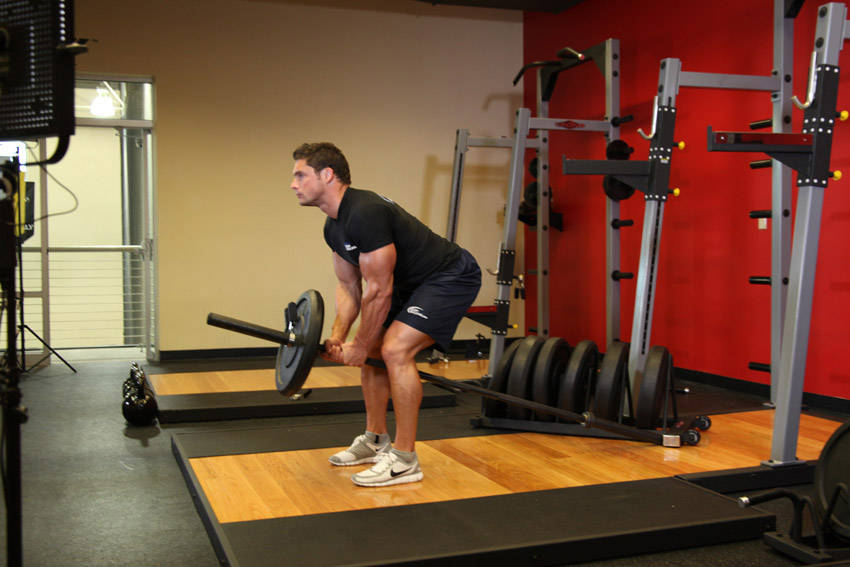
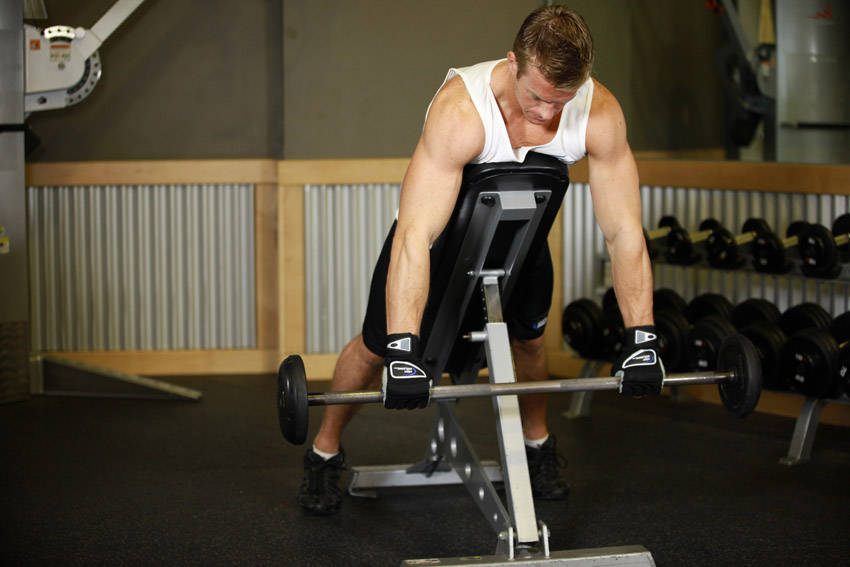

More comparisons with Lever Alternating Narrow Grip Seated Row
Compare More Exercises
Use our free comparison tool to analyze any two exercises head-to-head.
Compare Exercises