

Bent Over One-Arm Long Bar Row vs Two-Arm Kettlebell Row: Complete Comparison Guide
Bent Over One-Arm Long Bar Row vs Two-Arm Kettlebell Row — you’ve got two solid compound back moves that both target the middle-back. In this comparison you’ll get clear technique cues, biomechanical differences, equipment needs, and which exercise serves your goals: muscle growth, strength, beginner progressions, or home training. I’ll cover torso angles, force vectors, typical rep ranges (3–6 for strength, 6–12 for hypertrophy), and actionable coaching tips so you can pick the better choice for your program and avoid common errors.
Exercise Comparison
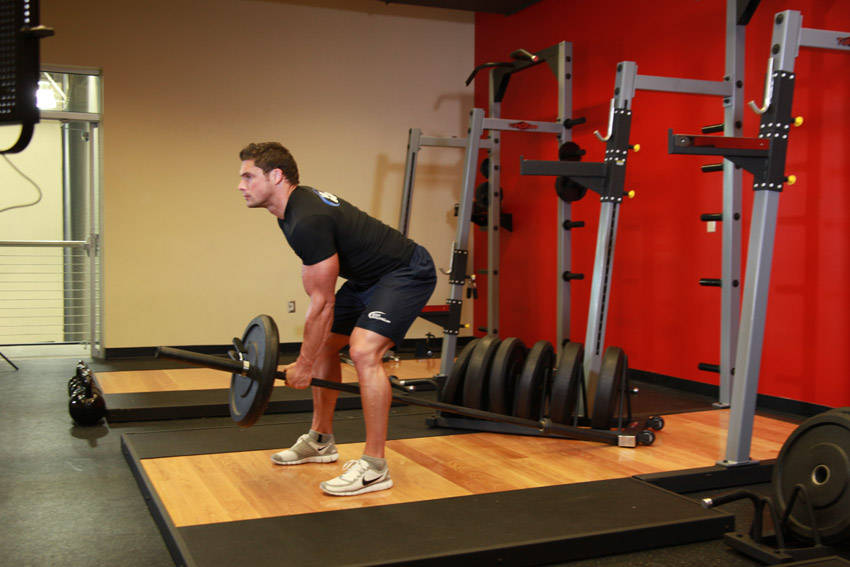
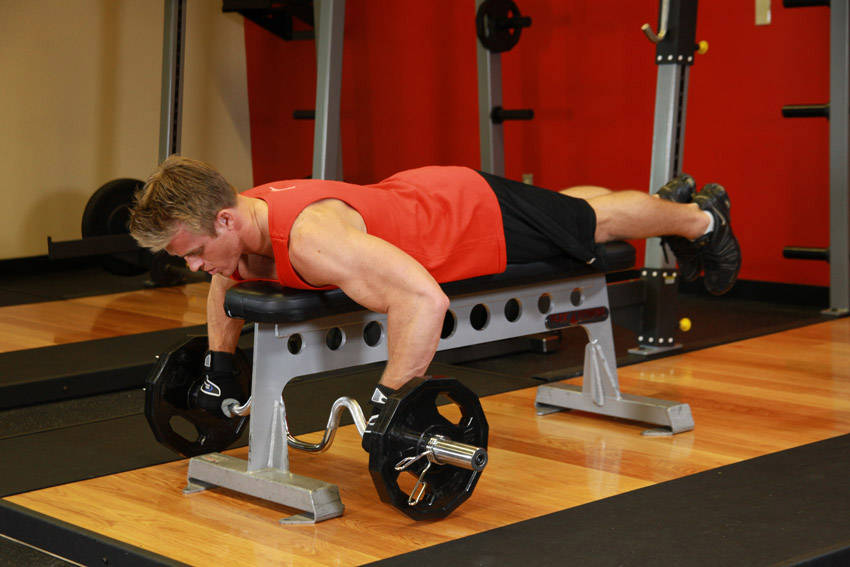
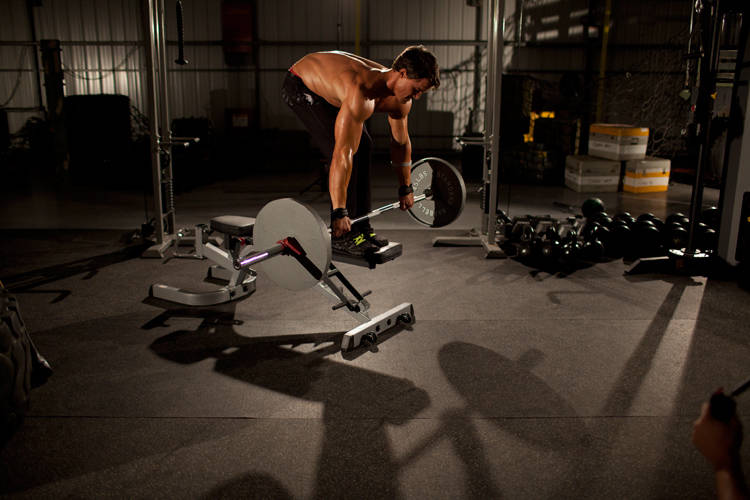
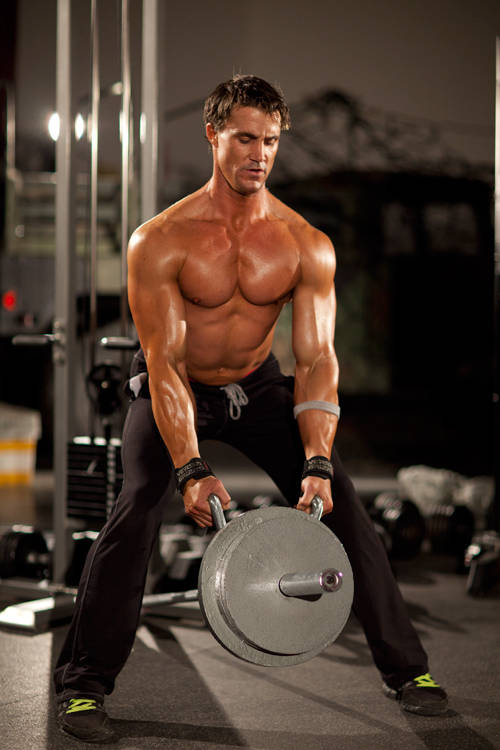
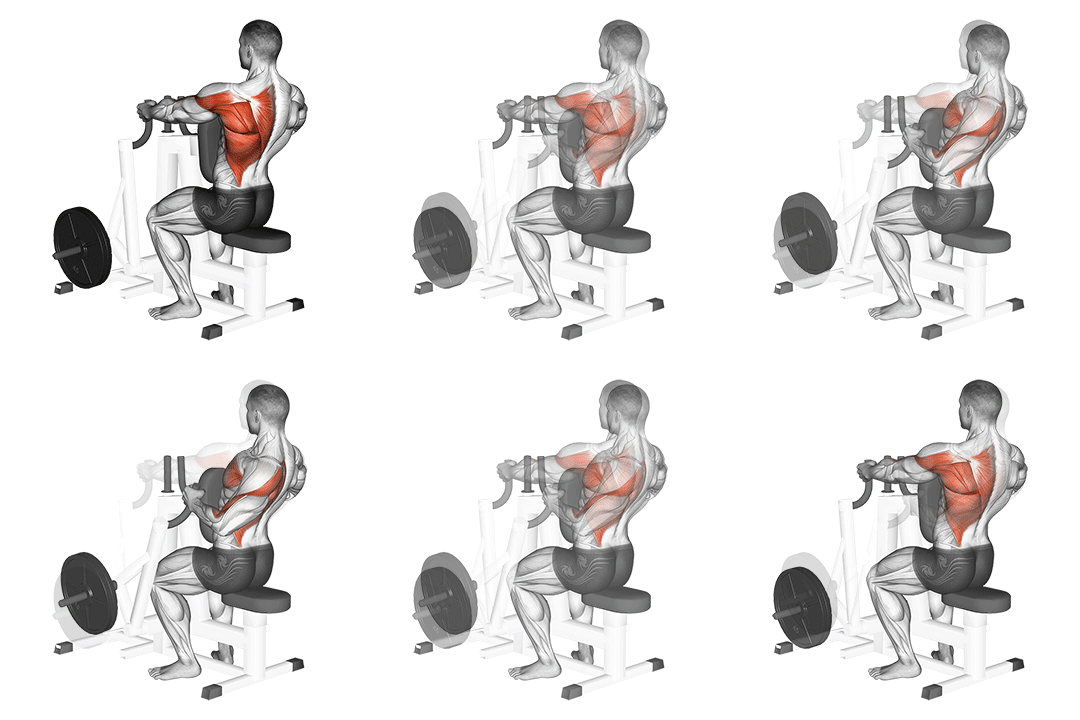
Bent Over One-arm Long Bar Row
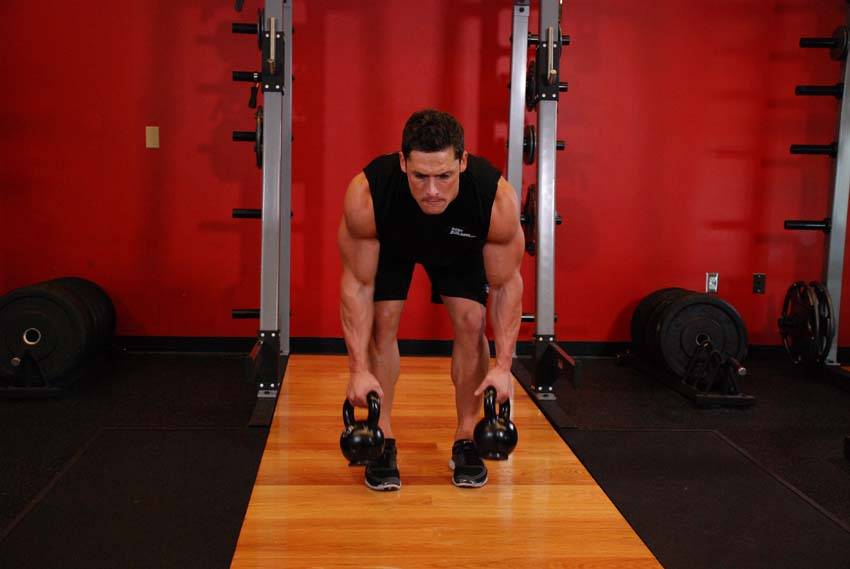
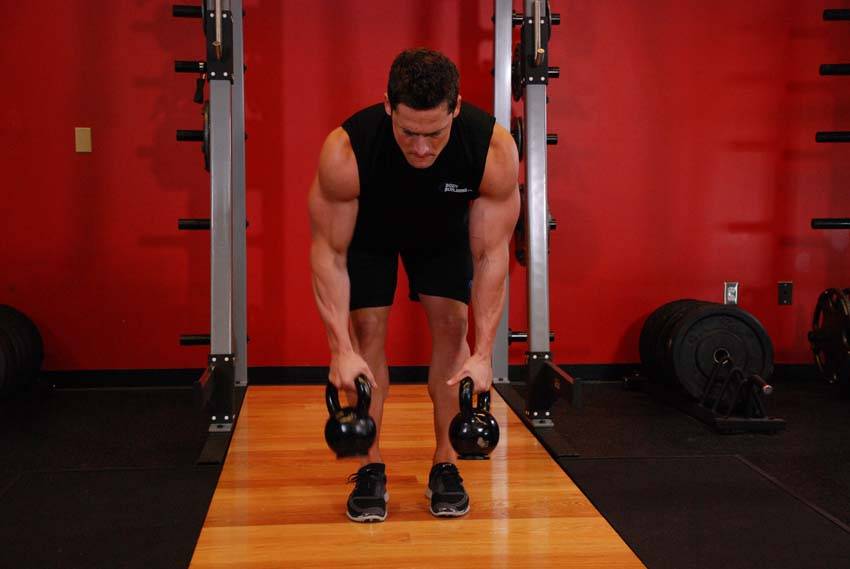
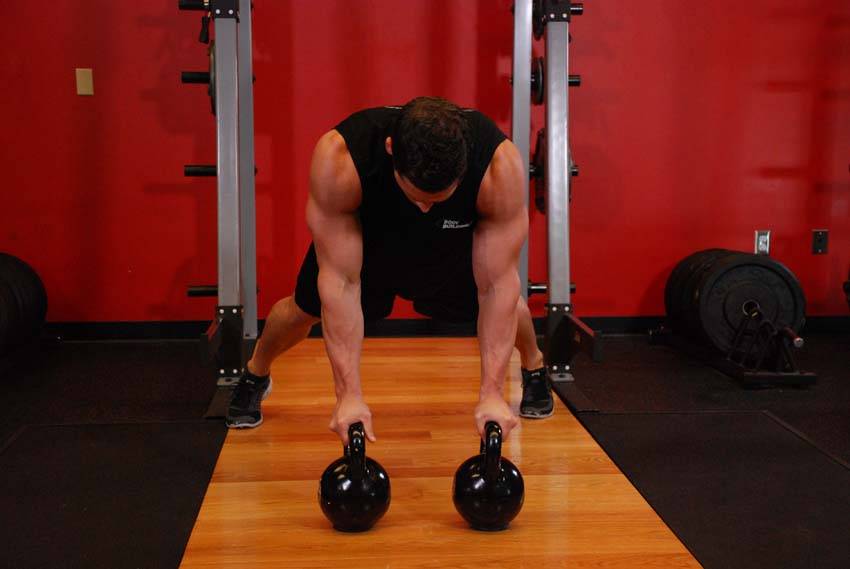
Two-arm Kettlebell Row
Head-to-Head Comparison
| Attribute | Bent Over One-arm Long Bar Row | Two-arm Kettlebell Row |
|---|---|---|
| Target Muscle |
Middle-back
|
Middle-back
|
| Body Part |
Back
|
Back
|
| Equipment |
Barbell
|
Kettlebell
|
| Difficulty |
Intermediate
|
Intermediate
|
| Movement Type |
Compound
|
Compound
|
| Secondary Muscles |
4
|
2
|
Secondary Muscles Activated
Bent Over One-arm Long Bar Row
Two-arm Kettlebell Row
Visual Comparison
Overview
Bent Over One-Arm Long Bar Row vs Two-Arm Kettlebell Row — you’ve got two solid compound back moves that both target the middle-back. In this comparison you’ll get clear technique cues, biomechanical differences, equipment needs, and which exercise serves your goals: muscle growth, strength, beginner progressions, or home training. I’ll cover torso angles, force vectors, typical rep ranges (3–6 for strength, 6–12 for hypertrophy), and actionable coaching tips so you can pick the better choice for your program and avoid common errors.
Key Differences
- Equipment differs: Bent Over One-arm Long Bar Row uses Barbell, while Two-arm Kettlebell Row requires Kettlebell.
Pros & Cons
Bent Over One-arm Long Bar Row
+ Pros
- Allows heavier absolute loading for strength due to barbell plate increments
- Greater lower-back and erector activation for posterior chain development
- Good for progressive overload with small weight jumps (2.5–5 lbs)
- Strong transfer to deadlift and barbell pull variations because of similar torque patterns
− Cons
- Higher spinal shear and compressive loading — needs precise bracing
- More technical; requires solid hip hinge and core stability
- Less accessible for home gyms without a long bar and plates
Two-arm Kettlebell Row
+ Pros
- More accessible for home or small gyms with just kettlebells
- Cleaner lat-dominant pull with less lumbar stress when performed correctly
- Easier to learn and coach for beginners and intermediate lifters
- Promotes balanced bilateral pulling and can be done for higher reps safely
− Cons
- Progression can be limited by large kettlebell weight increments
- Lower absolute loading potential compared to barbell rows
- Can encourage rounded upper back if you don’t cue scapular retraction
When Each Exercise Wins
Two-Arm Kettlebell Row lets you maintain strict form for 6–12 rep sets, keeps the lats under tension, and reduces lower-back fatigue so you can accumulate volume. Use controlled eccentrics (3–4 second lower) to maximize time under tension.
The long bar row supports heavier loads and more precise small increments (2.5–5 lbs), which drive neurological strength improvements in the posterior chain and transfer to barbell pulls.
Kettlebell rows are simpler to teach: hinge, brace, pull the handles to hips. They demand less unilateral stability and lower absolute spinal loading while still training the middle-back effectively.
Kettlebells take up less space, require no rack or long bar, and let you train effective horizontal pulling without specialized gym equipment.
Frequently Asked Questions
Can I do both Bent Over One-Arm Long Bar Row and Two-Arm Kettlebell Row in the same workout?
Yes — program the Bent Over One-Arm Long Bar Row first for heavy 3–6 rep strength sets, then use Two-Arm Kettlebell Row as an accessory for 8–12 rep hypertrophy. That sequence minimizes fatigue for heavy loading and lets you accumulate volume safely.
Which exercise is better for beginners?
Two-Arm Kettlebell Row is better for beginners because it’s easier to teach, less demanding on spinal bracing, and allows controlled reps. Focus on a solid hip hinge and cue 'elbows to hips' for clean technique.
How do the muscle activation patterns differ?
The long bar row increases erector and trap activation due to higher torque and forward torso angle, while the kettlebell row emphasizes lat and middle-back work with less lumbar shear. Unilateral long bar loading also raises core anti-rotation demands by approximately 8–15%.
Can Two-Arm Kettlebell Row replace Bent Over One-Arm Long Bar Row?
It can replace the long bar row for hypertrophy and accessibility goals, but not fully for maximal strength development. If your goal is heavy posterior chain strength, keep the long bar row in your program; for volume and convenience, prioritize kettlebells.
Expert Verdict
Choose the Bent Over One-Arm Long Bar Row when your priority is maximal strength and progressive loading of the posterior chain—you can load heavier, use precise plate increments, and get strong transfer to deadlifts and barbell pulls. Opt for Two-Arm Kettlebell Row when you want accessible, low-tech middle-back work that favors strict lat activation, higher-volume hypertrophy blocks, or beginner programming. If your program needs both, pair long bar rows for low-rep strength sets (3–6 reps) with kettlebell rows for higher-volume hypertrophy (8–12 reps) and you’ll cover stability, overload, and safe technique.
Also Compare
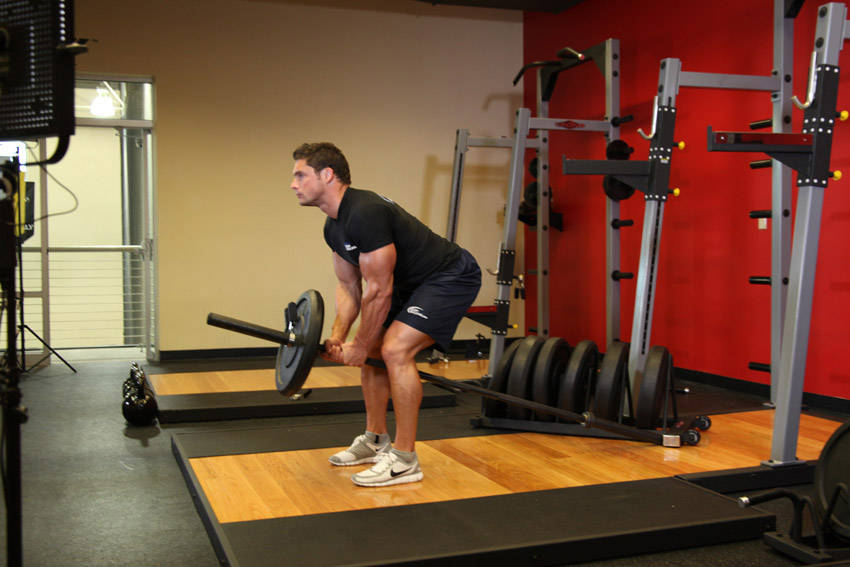
More comparisons with Bent Over One-arm Long Bar Row
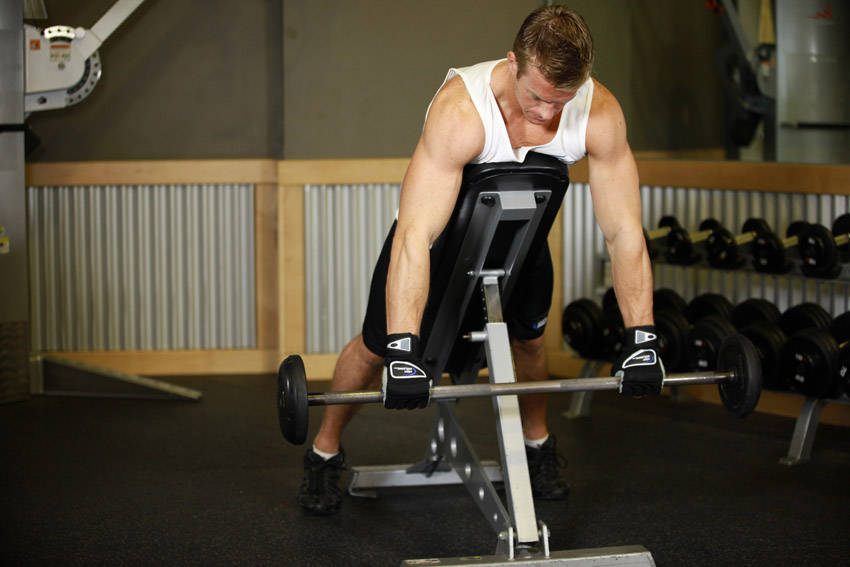
More comparisons with Two-arm Kettlebell Row
Compare More Exercises
Use our free comparison tool to analyze any two exercises head-to-head.
Compare Exercises