

Bent Over Two-Arm Long Bar Row vs Lever Alternating Narrow Grip Seated Row: Complete Comparison Guid
Bent Over Two-Arm Long Bar Row vs Lever Alternating Narrow Grip Seated Row — two compound back moves that both target the middle-back but load it differently. You’ll learn how each exercise stresses the rhomboids, middle traps, and posterior deltoids, how much the biceps and forearms assist, and which one better fits your goals, equipment, and injury history. I’ll cover biomechanics (force vectors, torso angle, length-tension), practical technique cues, ideal rep ranges for hypertrophy and strength, and clear recommendations so you can pick the right row for your program.
Exercise Comparison
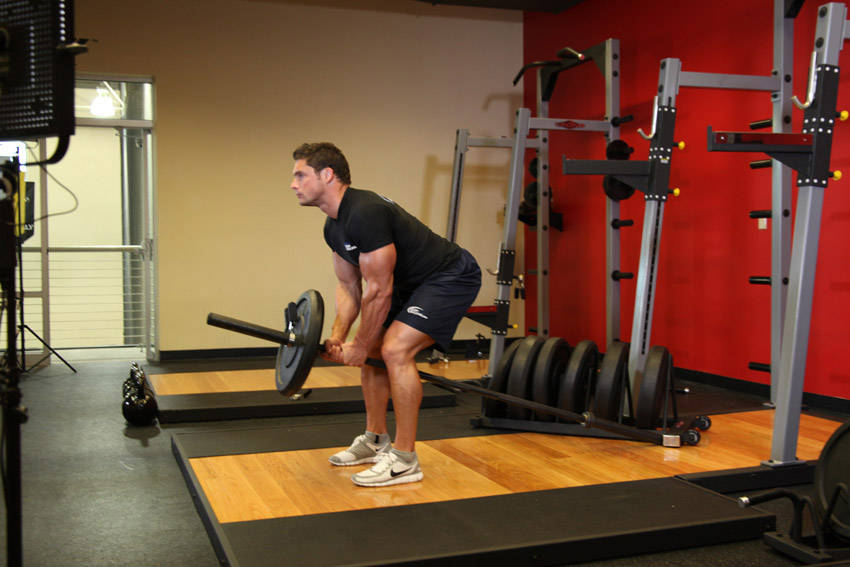
Bent Over Two-arm Long Bar Row
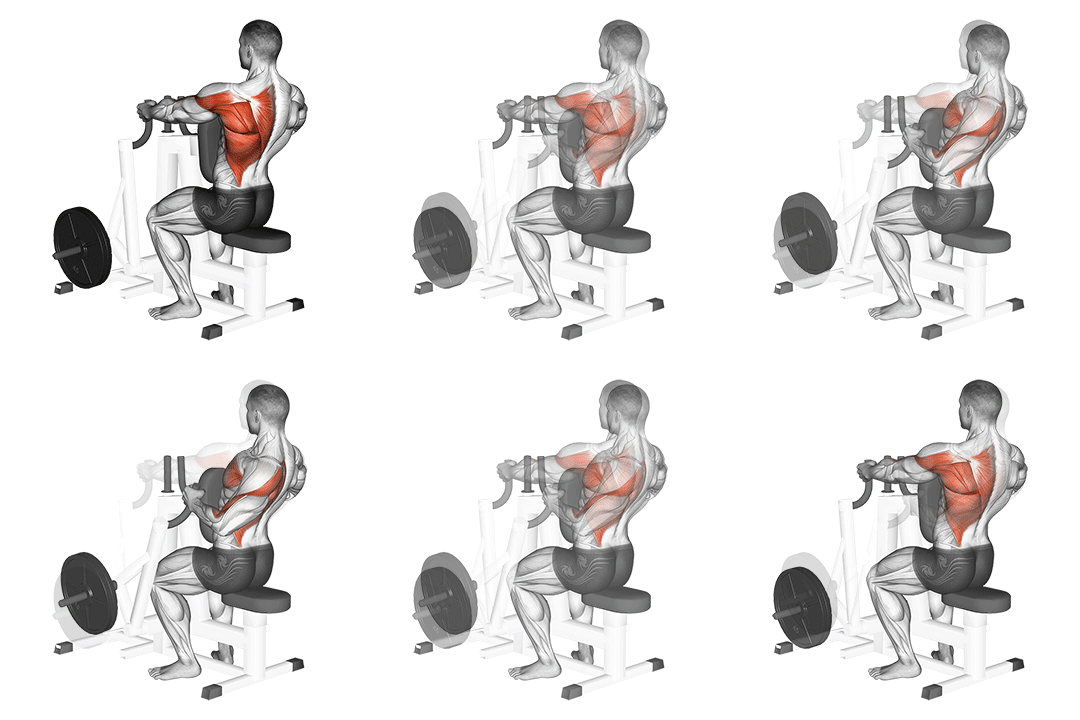
Lever Alternating Narrow Grip Seated Row
Head-to-Head Comparison
| Attribute | Bent Over Two-arm Long Bar Row | Lever Alternating Narrow Grip Seated Row |
|---|---|---|
| Target Muscle |
Middle-back
|
Middle-back
|
| Body Part |
Back
|
Back
|
| Equipment |
Barbell
|
Lever
|
| Difficulty |
Intermediate
|
Intermediate
|
| Movement Type |
Compound
|
Compound
|
| Secondary Muscles |
2
|
2
|
Secondary Muscles Activated
Bent Over Two-arm Long Bar Row
Lever Alternating Narrow Grip Seated Row
Visual Comparison
Overview
Bent Over Two-Arm Long Bar Row vs Lever Alternating Narrow Grip Seated Row — two compound back moves that both target the middle-back but load it differently. You’ll learn how each exercise stresses the rhomboids, middle traps, and posterior deltoids, how much the biceps and forearms assist, and which one better fits your goals, equipment, and injury history. I’ll cover biomechanics (force vectors, torso angle, length-tension), practical technique cues, ideal rep ranges for hypertrophy and strength, and clear recommendations so you can pick the right row for your program.
Key Differences
- Equipment differs: Bent Over Two-arm Long Bar Row uses Barbell, while Lever Alternating Narrow Grip Seated Row requires Lever.
Pros & Cons
Bent Over Two-arm Long Bar Row
+ Pros
- Loads the middle-back under heavy, free-weight tension with a nearly horizontal pull vector
- Develops core and posterior chain stability (erectors, hamstrings) via the hip hinge
- High progression ceiling—easy to incrementally increase weight for strength
- Promotes coordination between scapular retraction and hip hinge, carrying over to deadlifts and olympic lifts
− Cons
- Higher lumbar and spine loading—needs strict bracing to avoid injury
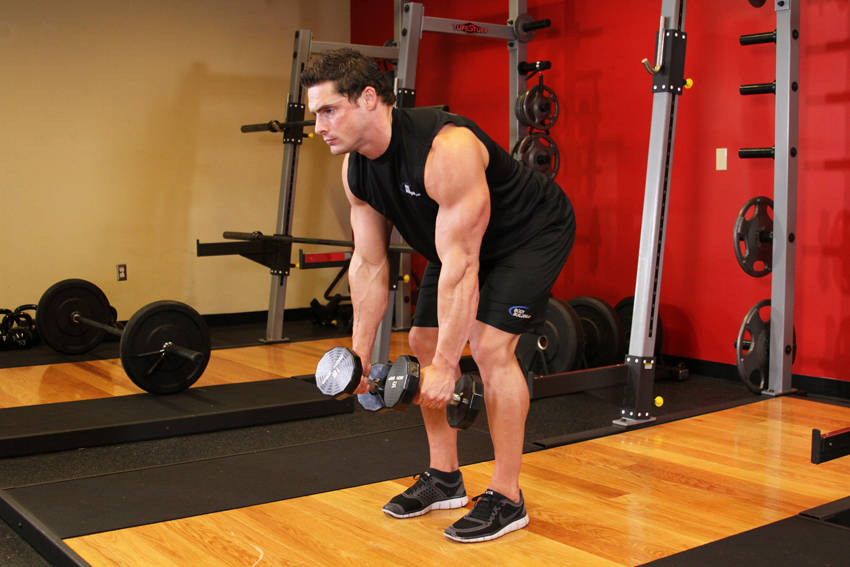
- Requires more technical skill (torso angle ~30–45°, neutral spine)
- Less isolation of middle traps/rhomboids versus a machine
Lever Alternating Narrow Grip Seated Row
+ Pros
- Machine stabilizes the torso so you can focus on scapular retraction and peak contraction
- Narrow alternating grip increases mid-back squeeze and forearm engagement
- Lower lower-back stress, safer for those with lumbar issues
- Quick setup and consistent path make it ideal for controlled tempo and high-volume work
− Cons
- Lower ceiling for maximal overload compared to heavy barbell work
- Alternating pattern can create slight asymmetries if form isn’t strict
- Less core and posterior-chain recruitment, so carryover to free-weight strength is reduced
When Each Exercise Wins
The machine allows you to isolate the middle-back and maintain constant tension across reps, making it easier to hit 8–15 rep ranges with strict form. The narrow grip and end-range scapular retraction produce a stronger peak contraction—ideal for hypertrophy-focused sets and drop-set work.
The barbell row taxes the posterior chain and core while allowing large, incremental loading—perfect for building raw pulling strength. Heavy sets in the 3–6 rep range translate better to overall back and hip-hinge strength because you train stabilization under high load.
The guided path and chest/seat support lower the technical demands so beginners can learn to feel middle-back engagement quickly. That allows early strength and muscle growth with reduced lumbar risk while technique is developed.
If you have a barbell and plates, the bent-over row gives more bang for the equipment cost and space—no bulky machine required. It also trains core stability, so a short list of tools (barbell, plates, rack) covers both back and posterior-chain work.
Frequently Asked Questions
Can I do both Bent Over Two-Arm Long Bar Row and Lever Alternating Narrow Grip Seated Row in the same workout?
Yes — pairing them is effective. Start with the compound barbell row for heavy loading (3–6 reps) to train strength, then use the lever seated row for higher-rep volume (8–15 reps) to maximize middle-back hypertrophy and finish with a strong peak contraction.
Which exercise is better for beginners?
The lever alternating narrow grip seated row is better for beginners because the machine stabilizes the torso and guides movement, making it easier to learn scapular retraction and feel the middle-back. Once you’ve built base strength and learned a solid hip hinge, add barbell rows for strength progression.
How do the muscle activation patterns differ?
Barbell rows create greater eccentric lengthening under load with significant erector spinae and hamstring activation due to the hip hinge, producing broad force transmission. Machine narrow-grip rows deliver more consistent horizontal pull and higher peak tension at end-range scapular retraction, increasing mid-trap and rhomboid isolation with more forearm involvement.
Can Lever Alternating Narrow Grip Seated Row replace Bent Over Two-Arm Long Bar Row?
For hypertrophy and lower-back-safe training, the lever row can effectively replace the barbell row. However, if you want maximal strength carryover and posterior-chain conditioning, the barbell row remains the superior choice and should be retained in strength-focused programs.
Expert Verdict
Use the Bent Over Two-Arm Long Bar Row when your goal is progressive strength and posterior-chain integration: load heavy (3–6 reps) and maintain a 30–45° torso angle with a neutral spine to maximize force transfer. Choose the Lever Alternating Narrow Grip Seated Row when your goal is targeted middle-back hypertrophy, higher-volume work (8–15+ reps), or when lower-back protection is a priority. If you train for performance, prioritize the barbell row for transfer; if you chase precise muscle development or need rehab-friendly options, favor the lever machine. Rotate both across blocks to get isolation and raw strength stimuli.
Also Compare
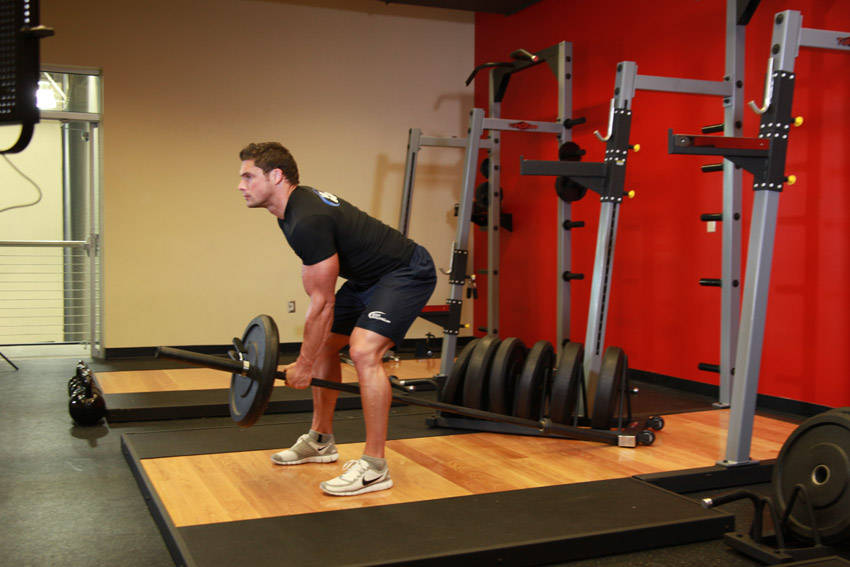
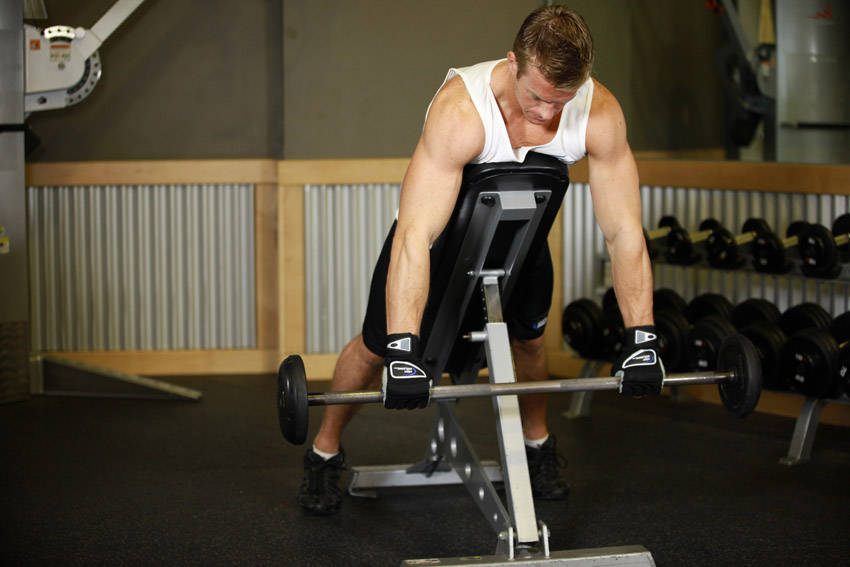
More comparisons with Bent Over Two-arm Long Bar Row
More comparisons with Lever Alternating Narrow Grip Seated Row
Compare More Exercises
Use our free comparison tool to analyze any two exercises head-to-head.
Compare Exercises