

Bent Over Two-Arm Long Bar Row vs Lying Cambered Barbell Row: Complete Comparison Guide
Bent Over Two-Arm Long Bar Row vs Lying Cambered Barbell Row. If you're building a thicker middle back, you need to pick the right row. I'll walk you through muscle activation, joint angles, equipment needs, and safety so you can choose the one that fits your program. You’ll get concrete cues (torso angle, elbow path, rep ranges), biomechanical reasoning (force vector, length-tension), and practical progressions for hypertrophy and strength. Read on to decide which row suits your posture, training frequency, and equipment access.
Exercise Comparison
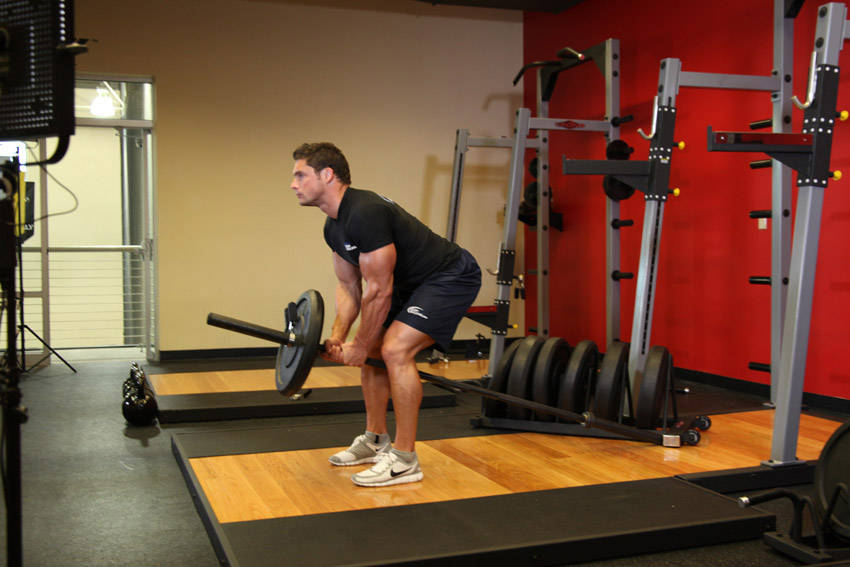
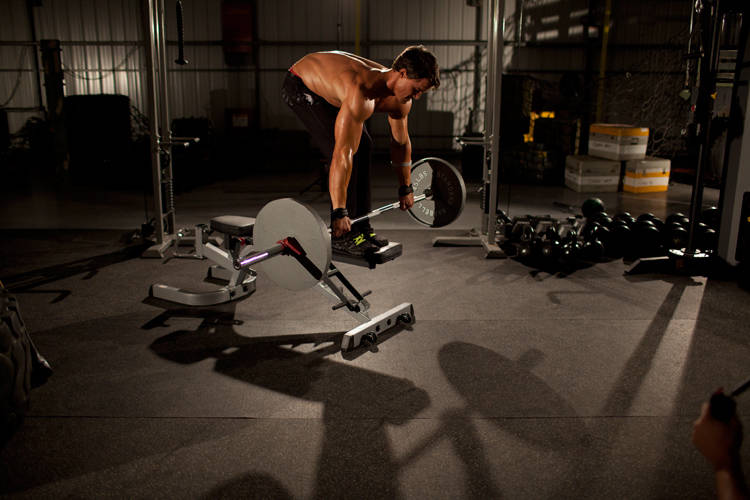
Bent Over Two-arm Long Bar Row
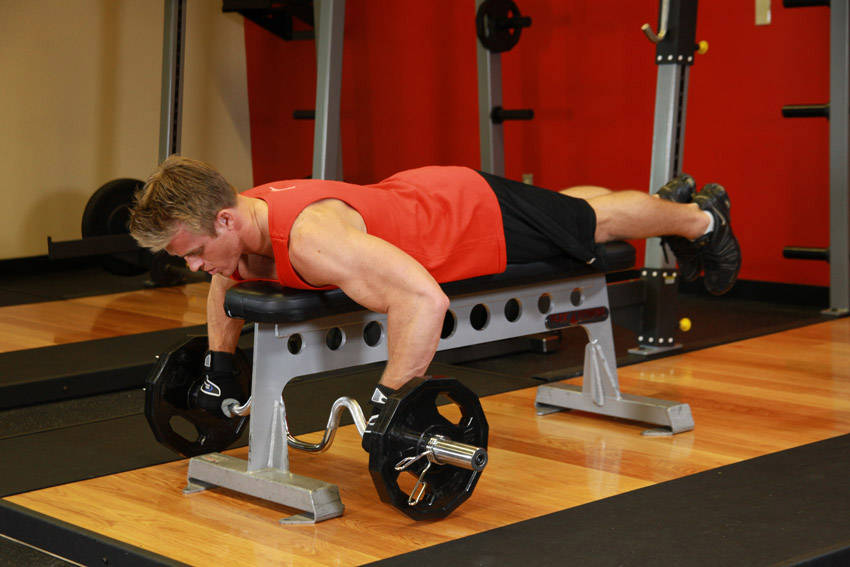
Lying Cambered Barbell Row
Head-to-Head Comparison
| Attribute | Bent Over Two-arm Long Bar Row | Lying Cambered Barbell Row |
|---|---|---|
| Target Muscle |
Middle-back
|
Middle-back
|
| Body Part |
Back
|
Back
|
| Equipment |
Barbell
|
Barbell
|
| Difficulty |
Intermediate
|
Intermediate
|
| Movement Type |
Compound
|
Compound
|
| Secondary Muscles |
2
|
3
|
Secondary Muscles Activated
Bent Over Two-arm Long Bar Row
Lying Cambered Barbell Row
Visual Comparison
Overview
Bent Over Two-Arm Long Bar Row vs Lying Cambered Barbell Row. If you're building a thicker middle back, you need to pick the right row. I'll walk you through muscle activation, joint angles, equipment needs, and safety so you can choose the one that fits your program. You’ll get concrete cues (torso angle, elbow path, rep ranges), biomechanical reasoning (force vector, length-tension), and practical progressions for hypertrophy and strength. Read on to decide which row suits your posture, training frequency, and equipment access.
Key Differences
- Both exercises target the Middle-back using Barbell. The main differences are in their movement patterns and muscle activation angles.
Pros & Cons
Bent Over Two-arm Long Bar Row
+ Pros
- High overload potential—easier to progressively load for strength
- Builds posterior chain stability via erector spinae recruitment
- Transfers well to deadlift and athletic pulling mechanics
- Requires only a standard barbell and minimal equipment
− Cons
- Greater lumbar loading—needs strict bracing and hip-hinge technique
- More technical; poor torso angle reduces middle-back emphasis
- Momentum can reduce time under tension if performed incorrectly
Lying Cambered Barbell Row
+ Pros
- Better torso support reduces lower-back stress
- Increases strict middle-back isolation and time under tension
- Encourages cleaner scapular retraction and trap activation
- Easier coaching cueing—less technique complexity around hip hinge
− Cons
- Requires a cambered bar and bench—less accessible
- Slightly less carryover to full-body strength movements
- Can place more stress on the shoulder joint if mobility is limited
When Each Exercise Wins
The lying cambered row isolates the middle-back by removing lumbar demand and allows longer time under tension and controlled peak contraction. Use 8–15 reps with slow eccentrics (2–3s) to maximize sarcomere tension and hypertrophy.
Bent-over rows allow greater absolute loading and better transfer to deadlift and overall posterior chain strength. Train with 3–6 heavy reps while maintaining a solid 45–60° torso hinge and strict bracing.
Beginners benefit from the bench support and simplified mechanics, which reduce lumbar risk and let you learn scapular retraction and elbow path before adding complex bracing demands. Start at 8–12 reps focusing on clean movement.
Most home gyms have a straight barbell but not a cambered bar or bench. The bent-over row gives middle-back stimulus with minimal equipment—just prioritize technique and lighter loads if you lack a coach.
Frequently Asked Questions
Can I do both Bent Over Two-Arm Long Bar Row and Lying Cambered Barbell Row in the same workout?
Yes—pairing them works well if you sequence heavy to light: use bent-over rows early for strength or heavy sets, then follow with lying cambered rows for volume and isolation. Keep total weekly volume in check and use lighter loads or fewer sets to avoid overworking the middle-back.
Which exercise is better for beginners?
Lying cambered rows are generally better for beginners because the bench stabilizes the torso and reduces lower-back demand. Beginners should learn scapular retraction and elbow mechanics here before progressing to bent-over rows.
How do the muscle activation patterns differ?
The bent-over row increases erector spinae activation because of anti-flexion demands and a hip-hinge position; peak middle-back activation occurs at full scapular retraction. The lying cambered row shifts the force vector horizontal, sustaining middle-trap and posterior deltoid tension longer while minimizing lumbar involvement.
Can Lying Cambered Barbell Row replace Bent Over Two-Arm Long Bar Row?
It can replace it for hypertrophy-focused programs or when lower-back load is a concern, but it won’t fully substitute for the strength and posterior chain carryover of heavy bent-over rows. Choose based on whether your priority is isolation and safety or maximal overload and transfer.
Expert Verdict
Use the Bent Over Two-Arm Long Bar Row when your goal is raw pulling strength and posterior chain integration—it lets you load heavier and improves functional pull mechanics if you can maintain a 45–60° torso angle and neutral spine. Choose the Lying Cambered Barbell Row when you want strict middle-back isolation, higher time under tension, and lower lumbar stress—ideal for hypertrophy blocks or when rehab-limited by lower-back issues. Program both intelligently: prioritize heavy bent-over rows in strength phases (3–6 reps) and lying cambered rows during hypertrophy phases (8–15 reps, controlled tempo).
Also Compare
More comparisons with Bent Over Two-arm Long Bar Row

More comparisons with Lying Cambered Barbell Row
Compare More Exercises
Use our free comparison tool to analyze any two exercises head-to-head.
Compare Exercises