

Bent Over Two-Arm Long Bar Row vs T-Bar Row With Handle: Complete Comparison Guide
Bent Over Two-Arm Long Bar Row vs T-Bar Row With Handle — you likely want a clear pick for middle-back work. I’ll compare technique, biomechanics, muscle activation, equipment needs, and programming so you can pick one for hypertrophy, strength, or simpler home sessions. You’ll get exact cues (hip-hinge angles, elbow paths), rep ranges (3–6 for strength, 6–12 for size), and trade-offs like lumbar load versus stabilized contraction. Read this to decide which row fits your setup and goals, and how to perform each with better muscle tension and safer mechanics.
Exercise Comparison
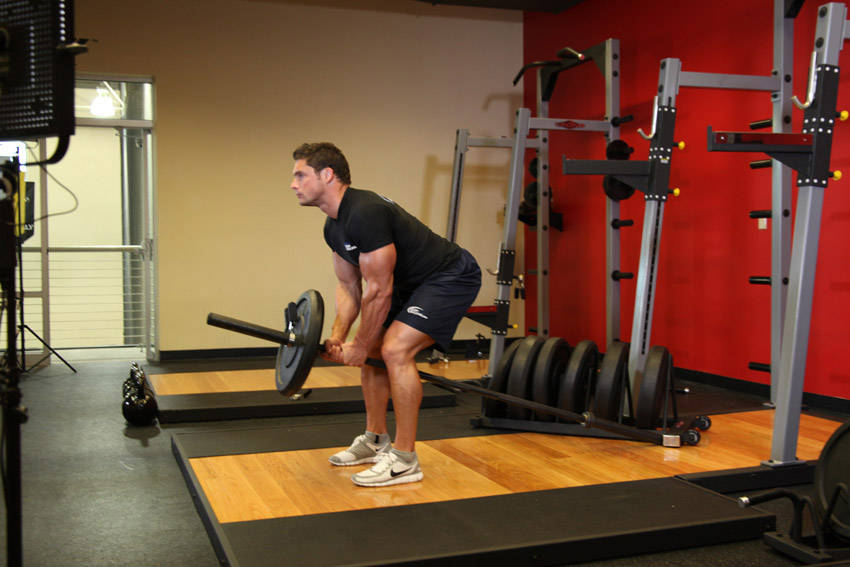
Bent Over Two-arm Long Bar Row

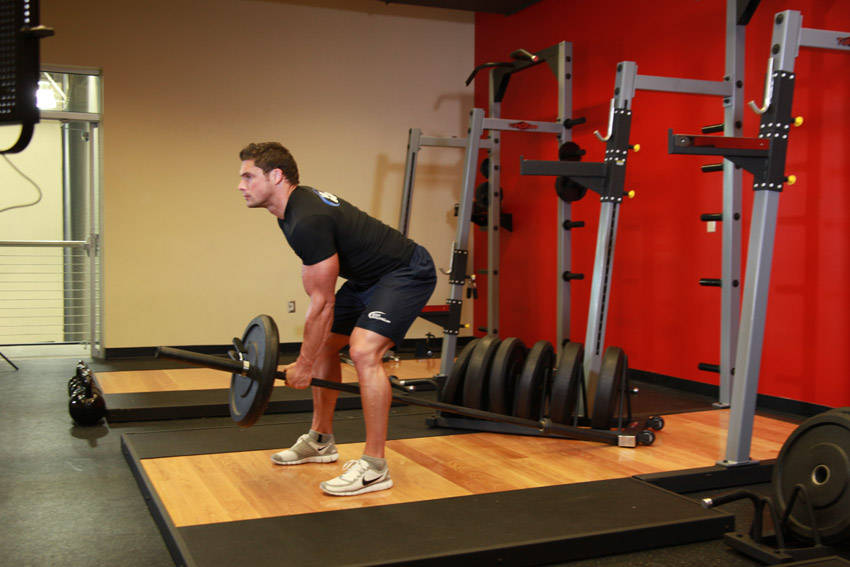
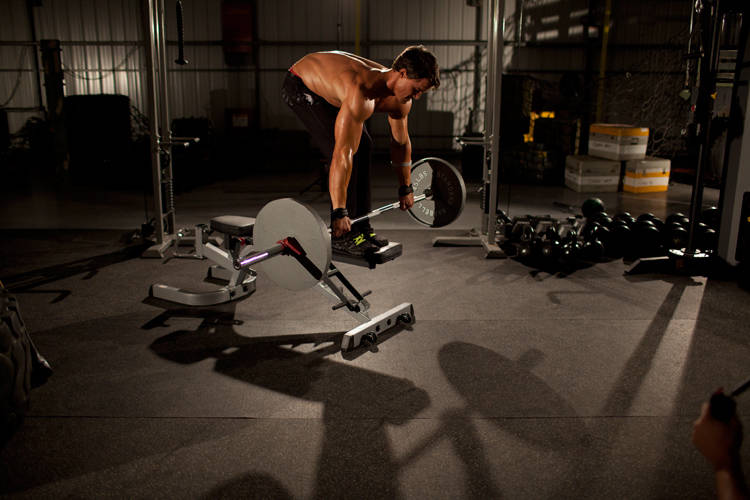
T-bar Row With Handle
Head-to-Head Comparison
| Attribute | Bent Over Two-arm Long Bar Row | T-bar Row With Handle |
|---|---|---|
| Target Muscle |
Middle-back
|
Middle-back
|
| Body Part |
Back
|
Back
|
| Equipment |
Barbell
|
Barbell
|
| Difficulty |
Intermediate
|
Intermediate
|
| Movement Type |
Compound
|
Compound
|
| Secondary Muscles |
2
|
2
|
Secondary Muscles Activated
Bent Over Two-arm Long Bar Row
T-bar Row With Handle
Visual Comparison
Overview
Bent Over Two-Arm Long Bar Row vs T-Bar Row With Handle — you likely want a clear pick for middle-back work. I’ll compare technique, biomechanics, muscle activation, equipment needs, and programming so you can pick one for hypertrophy, strength, or simpler home sessions. You’ll get exact cues (hip-hinge angles, elbow paths), rep ranges (3–6 for strength, 6–12 for size), and trade-offs like lumbar load versus stabilized contraction. Read this to decide which row fits your setup and goals, and how to perform each with better muscle tension and safer mechanics.
Key Differences
- Both exercises target the Middle-back using Barbell. The main differences are in their movement patterns and muscle activation angles.
Pros & Cons
Bent Over Two-arm Long Bar Row
+ Pros
- Longer ROM and greater stretch on mid-back fibers for mechanical tension
- Greater posterior chain and spinal stability carryover (helps deadlift-related strength)
- No extra attachments—only a barbell and plates required
- Multiple grip and tempo variations for progressive overload
− Cons
- Higher lumbar loading increases lower-back injury risk if form breaks
- Requires solid hip-hinge technique, which has a steeper learning curve
- Can limit training volume due to spinal fatigue when doing high sets
T-bar Row With Handle
+ Pros
- More upright torso reduces lower-back stress, allowing more volume
- Neutral-handle setup enhances peak mid-back contraction and comfort
- Often easier to load heavier for mid-back isolation and hypertrophy sets
- Simpler technique for many lifters and safer for those with low-back issues
− Cons
- Requires landmine or specialty handle not always available at home
- Slightly reduced posterior chain stimulus compared with bent-over rows
- Less ROM and stretch at the bottom for some lifters, which can limit length-tension stimulus
When Each Exercise Wins
T-Bar Row With Handle lets you maintain a more upright torso and neutral grip to hit peak mid-back contraction repeatedly while sparing the lower back, so you can accumulate more volume (8–15 reps) with consistent tension for hypertrophy.
Bent-over rows load the posterior chain and demand spinal stabilization, producing better carryover to heavy pulling strength. Use lower reps (3–6) with strict hip hinge and heavy loading to build transferable strength.
The T-bar’s more upright torso and stable handle reduce technical demands and lumbar stress, making it easier to learn proper scapular retraction and safe loading before adding complex hip-hinge mechanics.
A barbell and plates are all you need for the bent-over row, while the T-bar often requires a landmine or extra handle that many home setups lack. The bent-over row gives you effective mid-back work with minimal gear.
Frequently Asked Questions
Can I do both Bent Over Two-Arm Long Bar Row and T-Bar Row With Handle in the same workout?
Yes. Use one as the heavy compound (3–6 reps) and the other as a volume-focused finisher (8–15 reps) to hit different force vectors and ranges of motion. Separate them by 6–12 sets total for the week to avoid excessive lumbar fatigue.
Which exercise is better for beginners?
T-Bar Row With Handle is generally better for beginners because it reduces lumbar load and simplifies mechanics, letting you practice scapular retraction and elbow drive. Once your hip hinge and core stability improve, add bent-over rows for posterior chain strength.
How do the muscle activation patterns differ?
Bent-over rows increase posterior chain and erector activity because of the hip hinge and more horizontal torso, producing a longer ROM and greater stretch on mid-back fibers. T-bar rows shift the force vector slightly downward with a more upright torso and neutral grip, producing stronger peak mid-scapular contraction and less lumbar demand.
Can T-Bar Row With Handle replace Bent Over Two-Arm Long Bar Row?
T-Bar can replace bent-over rows if your goal is concentrated mid-back hypertrophy or to protect a sore lower back. If you need posterior chain and deadlift carryover or full hip-hinge practice, keep the bent-over row in your program.
Expert Verdict
Choose the T-Bar Row With Handle when you want focused mid-back hypertrophy with high volume and reduced low-back fatigue: aim for 8–15 reps, controlled 2–3 second eccentrics, and full scapular retraction each rep. Pick the Bent Over Two-Arm Long Bar Row when you want strength transfer to deadlifts and posterior chain development—use 3–6 heavy reps or 6–10 for mixed strength/hypertrophy while keeping a 30–45° hip-hinge and neutral spine. Both are valuable: favor T-bar for targeted mid-back work and bent-over for full-body posterior loading and strength progression.
Also Compare
More comparisons with Bent Over Two-arm Long Bar Row
More comparisons with T-bar Row With Handle
Compare More Exercises
Use our free comparison tool to analyze any two exercises head-to-head.
Compare Exercises