

Bent Over Two-Arm Long Bar Row vs Two-Arm Kettlebell Row: Complete Comparison Guide
Bent Over Two-Arm Long Bar Row vs Two-Arm Kettlebell Row — you’ve got two solid compound back moves that both target the middle-back. If you want clear guidance on which to use for muscle growth, strength, spinal load, and home training, you’re in the right place. I’ll walk you through muscle activation, technique cues (hips, spine, elbow path), equipment needs, progression options, and injury risk. Read on so you can pick the exercise that matches your goals and apply specific setup and rep-range advice.
Exercise Comparison
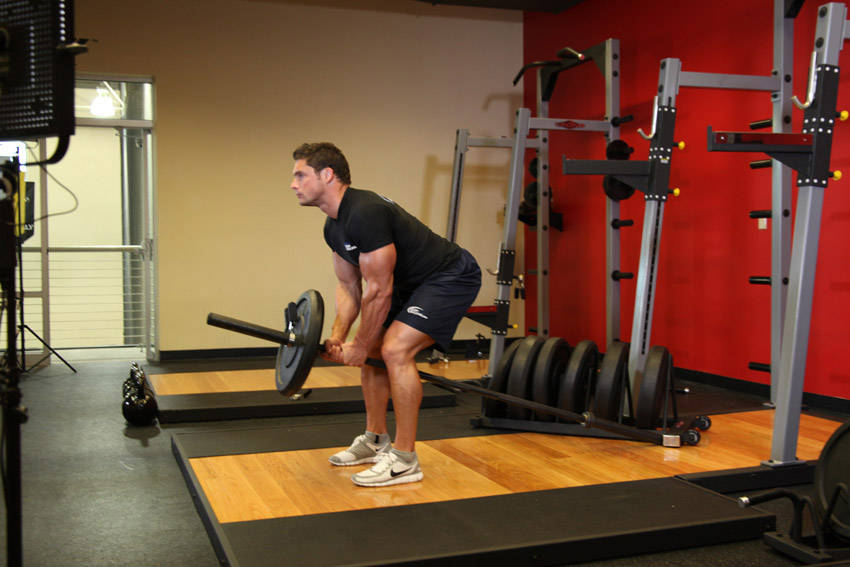
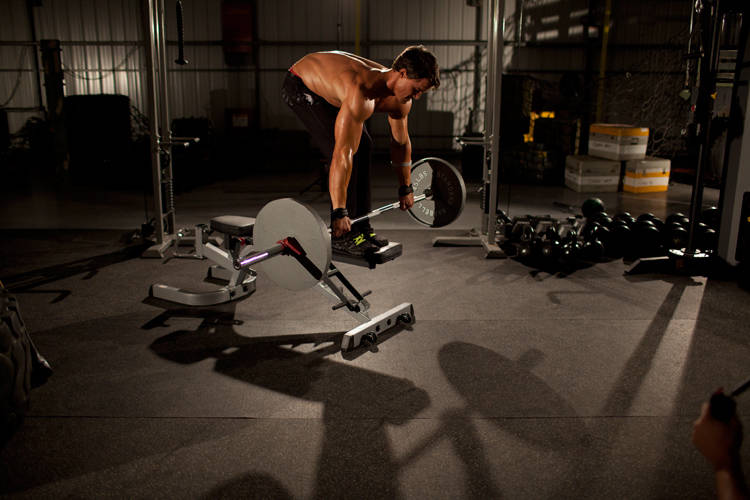
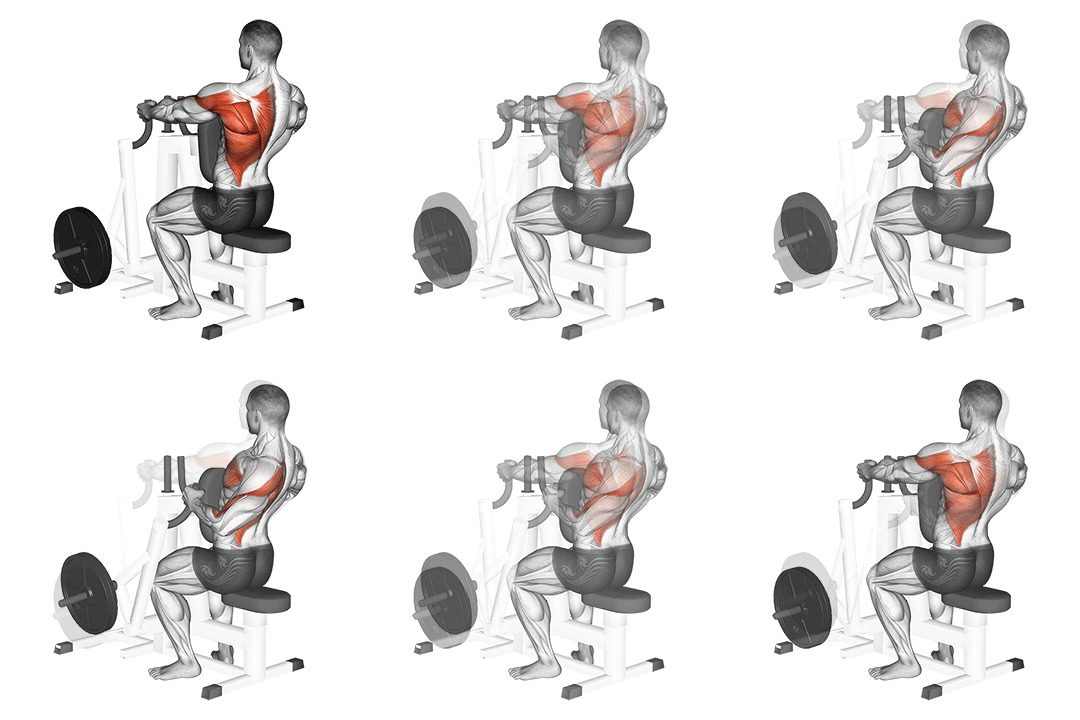
Bent Over Two-arm Long Bar Row
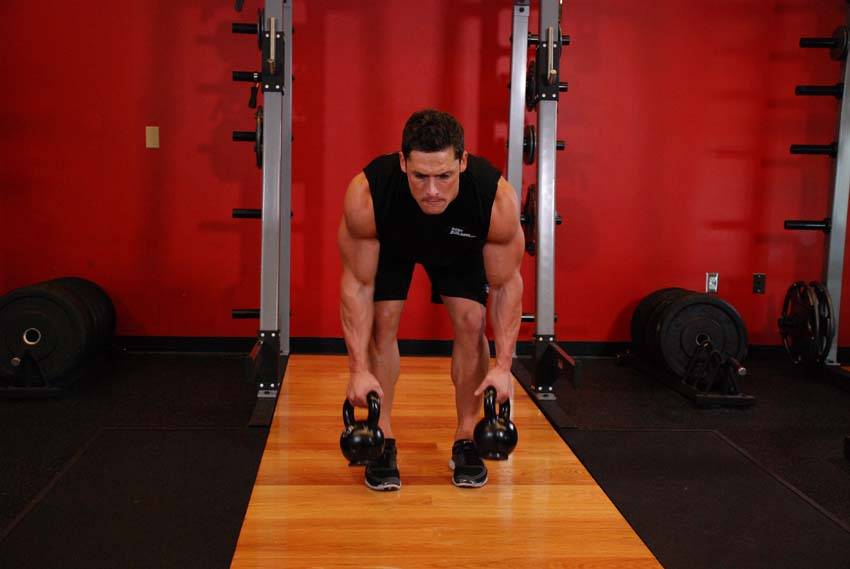
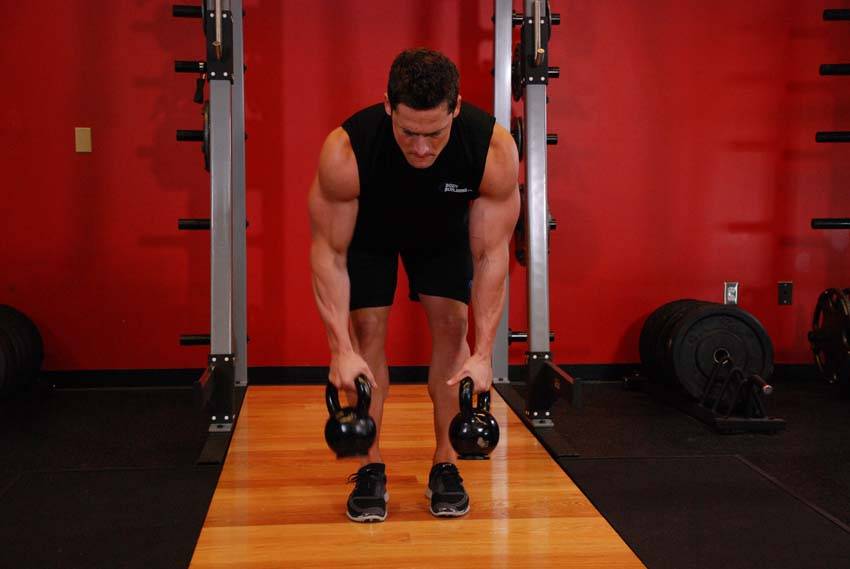
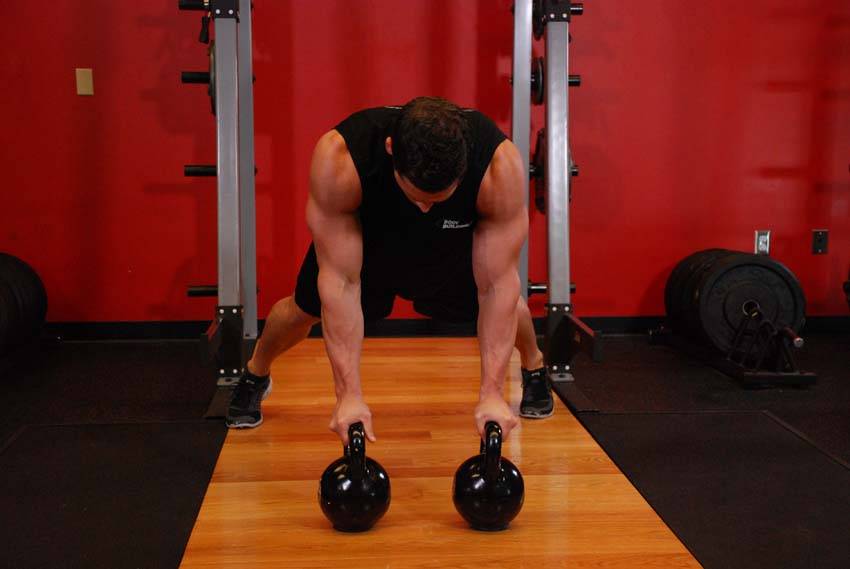
Two-arm Kettlebell Row
Head-to-Head Comparison
| Attribute | Bent Over Two-arm Long Bar Row | Two-arm Kettlebell Row |
|---|---|---|
| Target Muscle |
Middle-back
|
Middle-back
|
| Body Part |
Back
|
Back
|
| Equipment |
Barbell
|
Kettlebell
|
| Difficulty |
Intermediate
|
Intermediate
|
| Movement Type |
Compound
|
Compound
|
| Secondary Muscles |
2
|
2
|
Secondary Muscles Activated
Bent Over Two-arm Long Bar Row
Two-arm Kettlebell Row
Visual Comparison
Overview
Bent Over Two-Arm Long Bar Row vs Two-Arm Kettlebell Row — you’ve got two solid compound back moves that both target the middle-back. If you want clear guidance on which to use for muscle growth, strength, spinal load, and home training, you’re in the right place. I’ll walk you through muscle activation, technique cues (hips, spine, elbow path), equipment needs, progression options, and injury risk. Read on so you can pick the exercise that matches your goals and apply specific setup and rep-range advice.
Key Differences
- Equipment differs: Bent Over Two-arm Long Bar Row uses Barbell, while Two-arm Kettlebell Row requires Kettlebell.
Pros & Cons
Bent Over Two-arm Long Bar Row
+ Pros
- Allows heavier absolute loading for greater mechanical tension
- Stable, consistent bar path that emphasizes horizontal pull
- Better for progressive overload and low-rep strength work
- Efficient transfer to rowing strength for deadlift/compound lifts
− Cons
- Higher spinal compressive and shear forces under heavy load
- Requires barbell and sufficient plates
- Technically demanding — poor form increases lumbar stress
Two-arm Kettlebell Row
+ Pros
- More accessible for home training and small spaces
- Lower axial spinal load and easier to teach
- Increased anti-rotation and stabilizer recruitment
- Simple scaling by using lighter/heavier kettlebells or reps
− Cons
- Harder to achieve fine-grained progressive overload
- Offset handle changes grip and may limit maximal loading
- Can fatigue forearms and shoulders before the middle-back
When Each Exercise Wins
The barbell lets you apply higher absolute loads and longer time under tension (6–12 rep sets with incremental loading), producing greater mechanical tension across the middle-back fibers and supporting progressive hypertrophy.
Barbell rows permit heavy triple and single work with consistent force vectors and loading increments, which better transfers to overall pulling strength and compound deadlift performance.
Kettlebell rows reduce absolute spinal load and let beginners master the hip hinge, scapular retraction, and controlled pull without learning a precise bar path under heavy weight.
Kettlebells are compact and lower-cost, and the exercise provides strong middle-back stimulus with minimal equipment and space.
Frequently Asked Questions
Can I do both Bent Over Two-Arm Long Bar Row and Two-Arm Kettlebell Row in the same workout?
Yes. Use the barbell row early for heavy sets (3–5 sets of 4–6) and finish with kettlebell rows for volume and stability (2–3 sets of 8–15). That sequence prioritizes heavy mechanical tension first and adds metabolic/functional work second.
Which exercise is better for beginners?
Two-Arm Kettlebell Row is better for most beginners because it lowers spinal compressive load and simplifies technique. Start with lighter kettlebells to learn the hip hinge and scapular retraction before progressing to heavier barbell rows.
How do the muscle activation patterns differ?
The barbell row produces a more horizontal line-of-pull that concentrates force on the mid-traps and lats under higher load, while kettlebell rows increase stabilizer and anti-rotation activation and shift some load toward the lats later in the range due to a slightly more vertical finish.
Can Two-Arm Kettlebell Row replace Bent Over Two-Arm Long Bar Row?
It can for hypertrophy maintenance and when equipment is limited, but for maximal strength and systematic progressive overload the barbell row is superior. Use kettlebells if you need lower spinal load or greater stability demand.
Expert Verdict
Choose the bent-over long bar row when your primary goal is progressive mechanical tension and strength — use a 30°–45° torso angle, hinge from the hips, keep knees slightly bent (about 20°–30°), pull to lower ribcage, and program 3–6 sets of 4–8 reps for strength or 3–4 sets of 6–12 reps for hypertrophy. Pick the two-arm kettlebell row when you train at home, need lower spinal load, or want extra core and anti-rotation demand; hinge similarly but expect to work in 8–15 rep ranges or use heavier kettlebells for lower reps. Both build the middle-back; match the tool to your equipment, spinal tolerance, and progression needs.
Also Compare
More comparisons with Bent Over Two-arm Long Bar Row
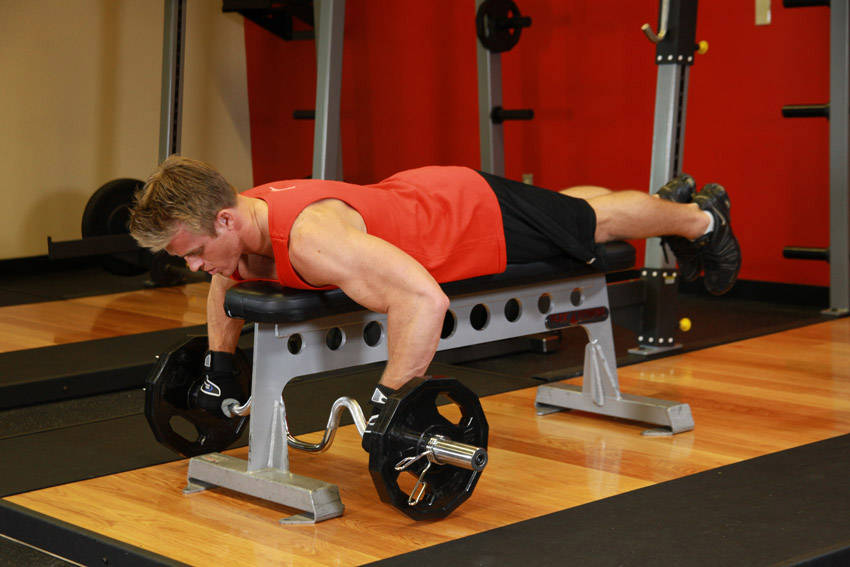
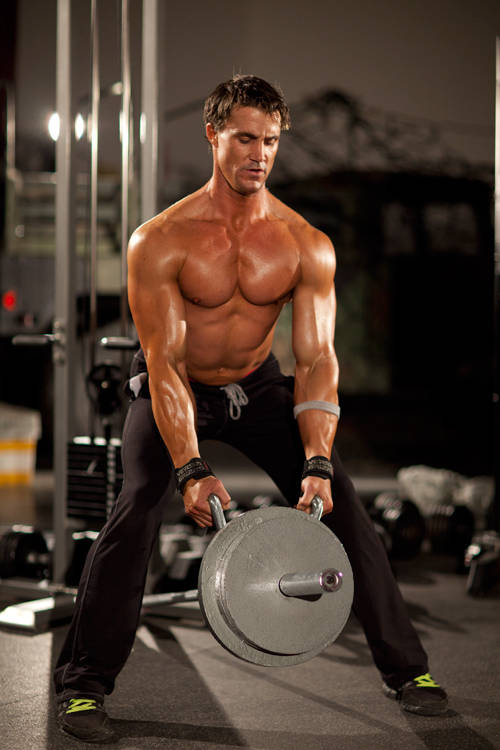
More comparisons with Two-arm Kettlebell Row
Compare More Exercises
Use our free comparison tool to analyze any two exercises head-to-head.
Compare Exercises