

Bent Over Two-Dumbbell Row vs Bent Over Two-Dumbbell Row With Palms In: Complete Comparison Guide
Bent Over Two-Dumbbell Row vs Bent Over Two-Dumbbell Row With Palms In — you’ve landed in the right place to choose which variation fits your back-day goals. I’ll walk you through muscle activation, equipment needs, technical cues, injury risk, and clear winner scenarios for hypertrophy, strength, beginners, and home workouts. Read on and you’ll get rep ranges, joint-angle cues, and specific progressions so you can pick the version that drives the most consistent muscle growth and strength in your middle-back.
Exercise Comparison
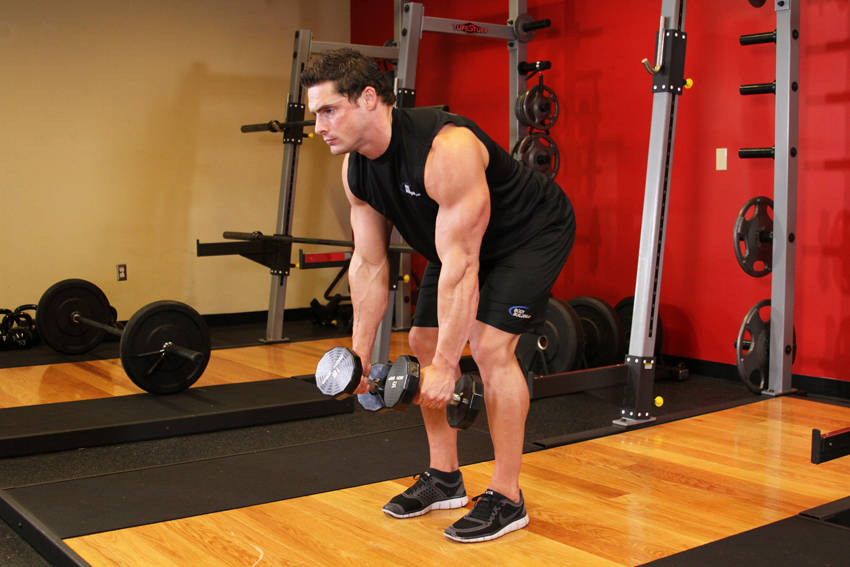
Bent Over Two-dumbbell Row
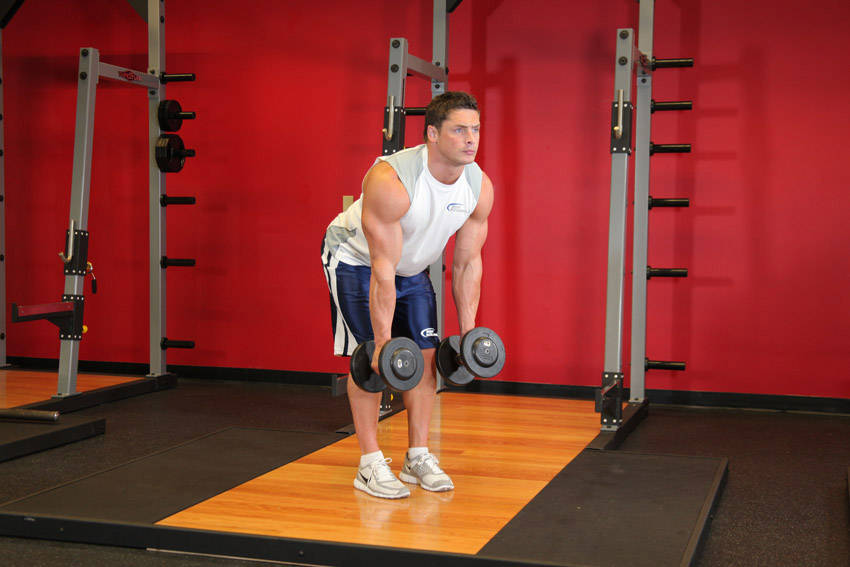
Bent Over Two-dumbbell Row With Palms In
Head-to-Head Comparison
| Attribute | Bent Over Two-dumbbell Row | Bent Over Two-dumbbell Row With Palms In |
|---|---|---|
| Target Muscle |
Middle-back
|
Middle-back
|
| Body Part |
Back
|
Back
|
| Equipment |
Dumbbell
|
Dumbbell
|
| Difficulty |
Intermediate
|
Intermediate
|
| Movement Type |
Compound
|
Compound
|
| Secondary Muscles |
3
|
2
|
Secondary Muscles Activated
Bent Over Two-dumbbell Row
Bent Over Two-dumbbell Row With Palms In
Visual Comparison
Overview
Bent Over Two-Dumbbell Row vs Bent Over Two-Dumbbell Row With Palms In — you’ve landed in the right place to choose which variation fits your back-day goals. I’ll walk you through muscle activation, equipment needs, technical cues, injury risk, and clear winner scenarios for hypertrophy, strength, beginners, and home workouts. Read on and you’ll get rep ranges, joint-angle cues, and specific progressions so you can pick the version that drives the most consistent muscle growth and strength in your middle-back.
Key Differences
- Both exercises target the Middle-back using Dumbbell. The main differences are in their movement patterns and muscle activation angles.
Pros & Cons
Bent Over Two-dumbbell Row
+ Pros
- Solid middle-back and posterior delt recruitment when elbows travel high and wide
- Easy to load progressively with heavier dumbbells and strict tempo
- Favors a slightly externally rotated humerus which can strengthen external rotators
- Simple setup with minimal equipment
− Cons
- May increase shoulder external rotation demands, uncomfortable for some with limited mobility
- Slightly less direct lat emphasis compared with neutral-grip variations
- Higher chance of using momentum if core bracing and tempo aren’t enforced
Bent Over Two-dumbbell Row With Palms In
+ Pros
- Neutral grip increases lat and biceps contribution for a stronger vertical-adduction line
- More comfortable wrist and shoulder position for many lifters
- Allows slightly greater elbow travel and perceived ROM toward the torso
- Reduces anterior shoulder impingement risk in lifters with limited external rotation
− Cons
- Can shift work to biceps, limiting back volume if biceps fatigue first
- Some lifters feel less posterior delt stimulus compared with palms-back variations
- Still requires strict hinge mechanics to avoid lumbar strain
When Each Exercise Wins
The neutral grip increases lats and elbow-flexor involvement and typically allows a fuller adduction path, letting you emphasize long time-under-tension (8–12 reps, 2–3 sets) and slow eccentrics to drive muscle growth.
The palms-back orientation often engages posterior delts and external rotators more, which helps transfer force to other horizontal pull patterns; use heavier sets of 4–6 reps with strict tempo for maximal strength carryover.
Neutral grip is typically more ergonomic for wrists and shoulders, making it easier to learn the hip hinge and pulling path while minimizing discomfort during the first 4–6 practice sessions.
Because the neutral grip often allows slightly better ROM and comfort with lighter weights, you can get higher-quality reps using limited dumbbell sets at home and still stimulate the middle-back effectively.
Frequently Asked Questions
Can I do both Bent Over Two-Dumbbell Row and Bent Over Two-Dumbbell Row With Palms In in the same workout?
Yes. Pairing them works well: use one as a primary heavy set (4–6 reps) and the other as an accessory for volume (8–12 reps). Alternate grips across sets or training days to balance lat, biceps, and posterior delt stimulus.
Which exercise is better for beginners?
Bent Over Two-Dumbbell Row With Palms In is generally easier for beginners because the neutral grip is more comfortable and often reduces shoulder strain. Focus first on mastering the hip hinge, neutral spine, and a slow 2–3 second eccentric before increasing load.
How do the muscle activation patterns differ?
Palms-in increases lat and elbow-flexor engagement by allowing a closer humeral adduction path and favorable forearm orientation, while palms-back can bias posterior deltoid and external rotator recruitment during the late concentric phase. Both share similar mid-trap and rhomboid activation through scapular retraction.
Can Bent Over Two-Dumbbell Row With Palms In replace Bent Over Two-Dumbbell Row?
Yes, it can replace it for most training goals, especially hypertrophy and for athletes with shoulder mobility limits. If your priority is maximal horizontal-pull strength transfer or posterior delt emphasis, keep the palms-back variation in rotation.
Expert Verdict
Both variations are strong choices for middle-back development. Choose the palms-in variation when you want greater lat emphasis, more comfortable wrists, and slightly improved range of motion—ideal for hypertrophy work in the 8–12 rep range and for lifters with limited shoulder external rotation. Pick the standard bent-over row (palms-back) when you’re chasing heavier loads, posterior delt strength, and strength carryover to compound lifts—use 4–6 heavy reps or heavier 6–8 sets for strength blocks. Regardless of grip, maintain a 30–45° torso hinge, neutral spine, scapular retraction, and controlled eccentric tempo to protect the lumbar spine and maximize middle-back activation.
Also Compare
More comparisons with Bent Over Two-dumbbell Row
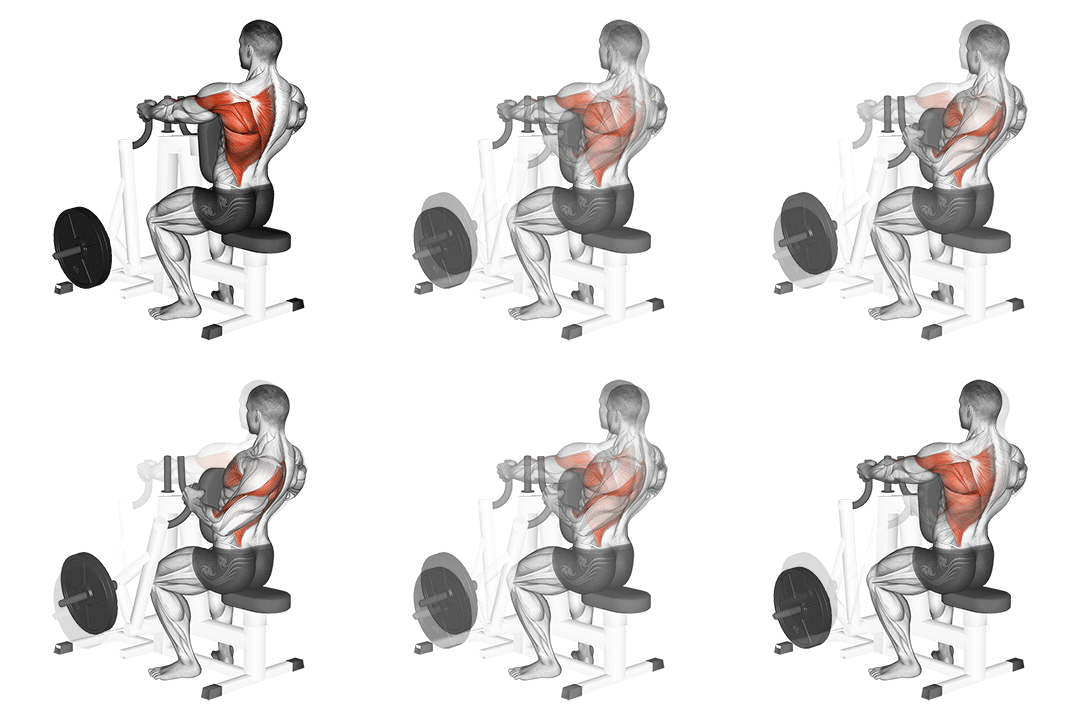
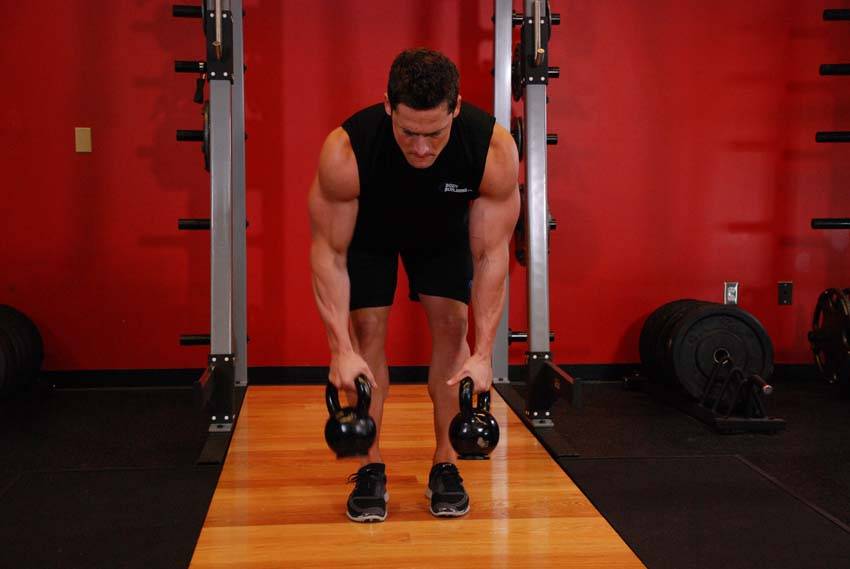
More comparisons with Bent Over Two-dumbbell Row With Palms In
Compare More Exercises
Use our free comparison tool to analyze any two exercises head-to-head.
Compare Exercises