

Bent Over Two-Dumbbell Row vs Lever Alternating Narrow Grip Seated Row: Complete Comparison Guide
Bent Over Two-Dumbbell Row vs Lever Alternating Narrow Grip Seated Row — which one should you program for a thicker middle-back? You’ll get a clear breakdown of target muscles, equipment needs, technique cues, injury risk, and when to use each lift. I’ll compare activation patterns, list pros and cons, show who wins for hypertrophy, strength, beginners, and home training, and give rep ranges and specific setup cues so you can pick the right row for your goals and train it safely.
Exercise Comparison
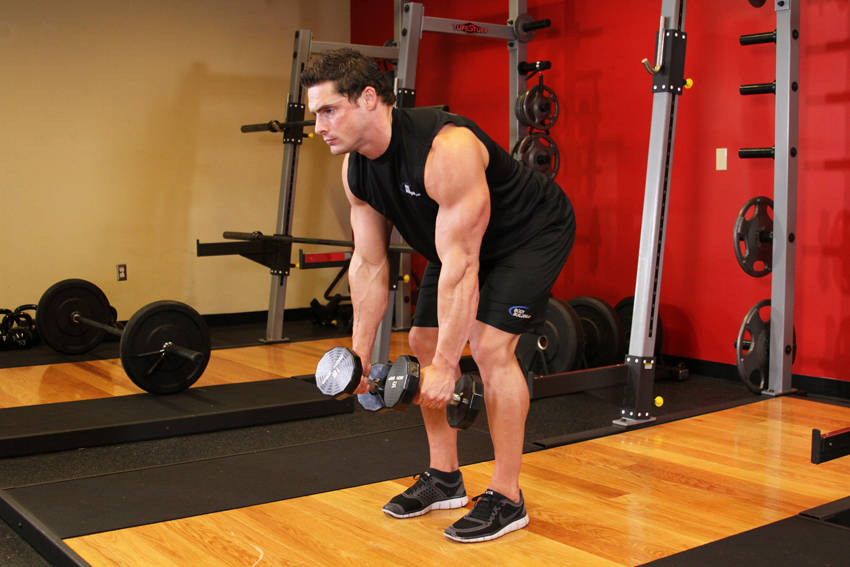
Bent Over Two-dumbbell Row
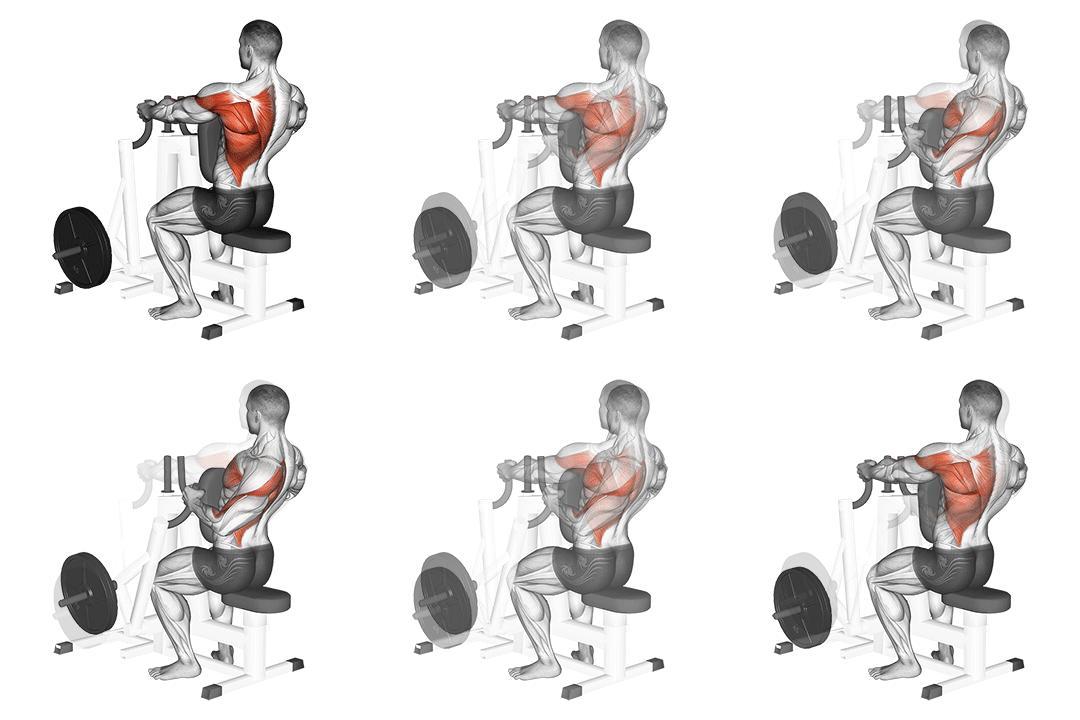
Lever Alternating Narrow Grip Seated Row
Head-to-Head Comparison
| Attribute | Bent Over Two-dumbbell Row | Lever Alternating Narrow Grip Seated Row |
|---|---|---|
| Target Muscle |
Middle-back
|
Middle-back
|
| Body Part |
Back
|
Back
|
| Equipment |
Dumbbell
|
Lever
|
| Difficulty |
Intermediate
|
Intermediate
|
| Movement Type |
Compound
|
Compound
|
| Secondary Muscles |
3
|
2
|
Secondary Muscles Activated
Bent Over Two-dumbbell Row
Lever Alternating Narrow Grip Seated Row
Visual Comparison
Overview
Bent Over Two-Dumbbell Row vs Lever Alternating Narrow Grip Seated Row — which one should you program for a thicker middle-back? You’ll get a clear breakdown of target muscles, equipment needs, technique cues, injury risk, and when to use each lift. I’ll compare activation patterns, list pros and cons, show who wins for hypertrophy, strength, beginners, and home training, and give rep ranges and specific setup cues so you can pick the right row for your goals and train it safely.
Key Differences
- Equipment differs: Bent Over Two-dumbbell Row uses Dumbbell, while Lever Alternating Narrow Grip Seated Row requires Lever.
Pros & Cons
Bent Over Two-dumbbell Row
+ Pros
- Greater lat and spinal erector involvement due to hip hinge and longer muscle length at end range
- Unilateral loading corrects side-to-side imbalances and improves core anti-rotation
- Versatile progressions: tempo, pauses, heavier single-arm loading, varied torso angles
- Requires minimal equipment—ideal for home or crowded gyms
− Cons
- Higher lumbar load; poor bracing increases low-back injury risk
- Technically harder: requires consistent hip hinge and neutral spine
- Less constant tension compared with machine rows, making strict reps harder at high fatigue
Lever Alternating Narrow Grip Seated Row
+ Pros
- Stable torso and chest pad reduce lumbar stress and make form consistent
- Constant horizontal force vector gives steady mid-back loading across the set
- Narrow grip emphasizes biceps and forearms for strong elbow flexion
- Easy to load incrementally for progressive overload with weight stacks or plates
− Cons
- Requires machine access—less available for home lifters
- Less carryover to hip-hinge patterns and overall posterior chain strength
- Narrow grip may overload forearms and biceps on high-volume programs
When Each Exercise Wins
The bent-over row allows greater stretch and a longer time under tension for the lats and mid-back, and unilateral variations let you target weak sides. Aim for 8–12 reps with a 2–3s eccentric and a 1–2s peak contraction to push hypertrophy.
Because you can load heavier and train unilateral stability, the dumbbell row better develops raw pulling strength and transfers to deadlift/hip-hinge patterns. Use lower reps (4–6) and heavier weights, bracing the core to protect the lumbar spine.
The machine controls torso position and reduces the need for complex bracing, letting newer lifters learn scapular retraction and elbow drive safely. Start with 10–15 reps to build technique and arm/endurance.
Dumbbells are commonly available and the movement needs no machine, so you can load progressively at home and use unilateral work to keep training balanced and effective.
Frequently Asked Questions
Can I do both Bent Over Two-Dumbbell Row and Lever Alternating Narrow Grip Seated Row in the same workout?
Yes. Use the lever seated row as a volume or warm-up movement to train strict scapular retraction (8–12 reps), then follow with heavier bent-over dumbbell rows for strength/hypertrophy (4–8 or 6–12 reps). Space sets to manage fatigue and protect the low back.
Which exercise is better for beginners?
The lever alternating narrow-grip seated row is better for beginners because the seat and chest pad enforce posture and reduce lumbar demand, letting newcomers learn scapular mechanics before adding hip-hinge complexity.
How do the muscle activation patterns differ?
Bent-over rows create a slightly upward force vector that increases lat and erector involvement at longer muscle lengths, while lever seated rows produce a pure horizontal pull that keeps middle traps and rhomboids under constant tension. Timing shifts from combined hip/torso stability in the dumbbell row to isolated scapular retraction in the machine row.
Can Lever Alternating Narrow Grip Seated Row replace Bent Over Two-Dumbbell Row?
Yes for reducing lumbar load and targeting mid-back endurance, but no if your goal is hip-hinge strength transfer or maximal unilateral lat overload. Choose the lever row for controlled volume blocks and the dumbbell row for strength and targeted hypertrophy.
Expert Verdict
Use the bent-over two-dumbbell row when you want maximal middle-back thickness and transferable pulling strength—its hip hinge allows greater lat stretch and unilateral correction. Prioritize strict neutral spine (30–45° torso), brace the core, pull elbows back to ~90° with a 1–2s squeeze, and progress with heavier dumbbells or tempo changes. Choose the lever alternating narrow-grip seated row if you need lower lumbar stress, want consistent horizontal tension, or are coaching beginners. Program the lever row for volume blocks or technique work (8–15 reps), and use the dumbbell row for heavy strength or focused hypertrophy phases.
Also Compare
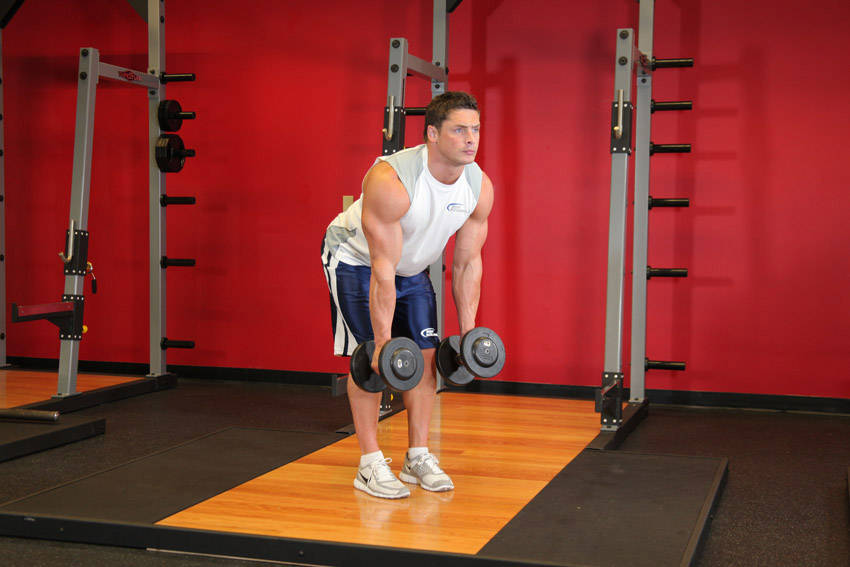
More comparisons with Bent Over Two-dumbbell Row
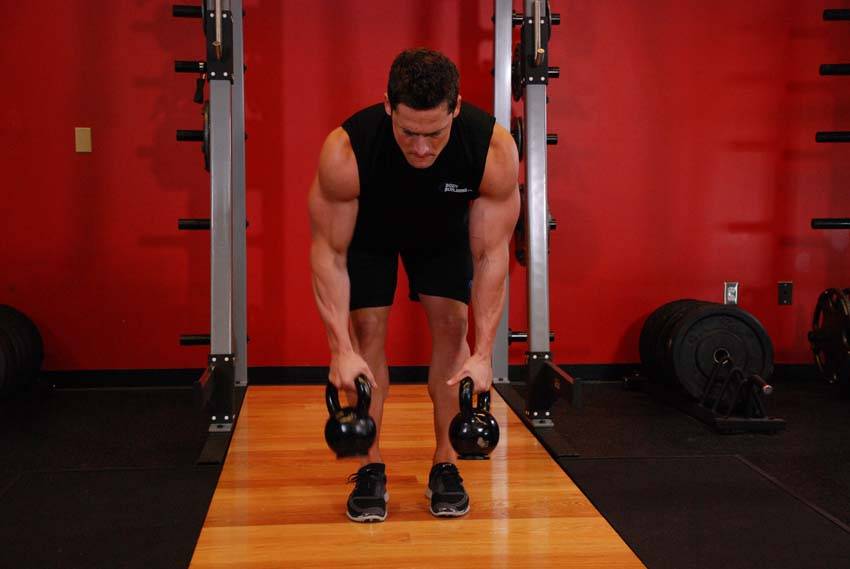
More comparisons with Lever Alternating Narrow Grip Seated Row
Compare More Exercises
Use our free comparison tool to analyze any two exercises head-to-head.
Compare Exercises