

Bent Over Two-Dumbbell Row With Palms In vs Lever Alternating Narrow Grip Seated Row: Complete Compa
Bent Over Two-Dumbbell Row With Palms In vs Lever Alternating Narrow Grip Seated Row — you’re comparing a free-weight hinge row to a machine-based narrow-grip pull. I’ll walk you through how each stresses the middle-back (rhomboids, middle traps, posterior delts), differences in biceps and forearm recruitment, setup and equipment needs, and practical technique cues like torso angle, elbow path, and rep ranges. You’ll get clear recommendations for hypertrophy (6–12 reps), strength (3–6 reps), and programming tips so you can pick the right move for your goals.
Exercise Comparison
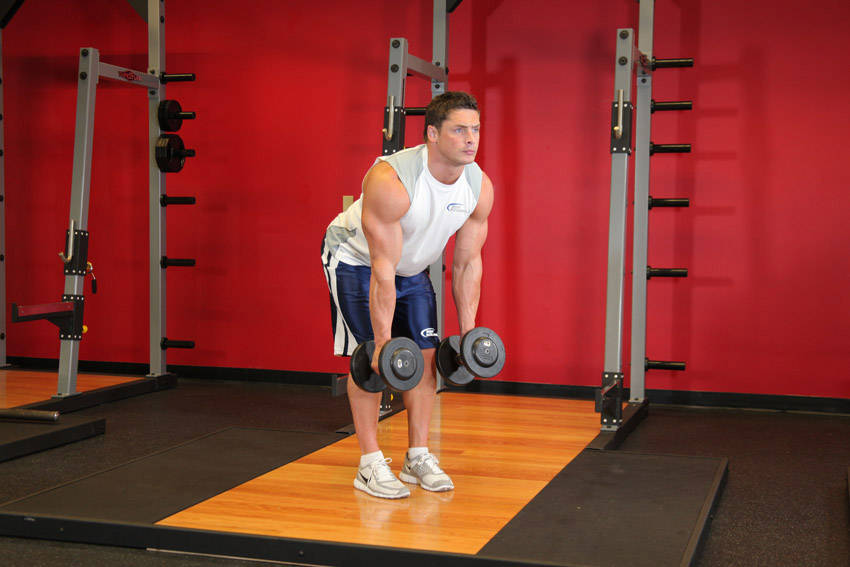
Bent Over Two-dumbbell Row With Palms In
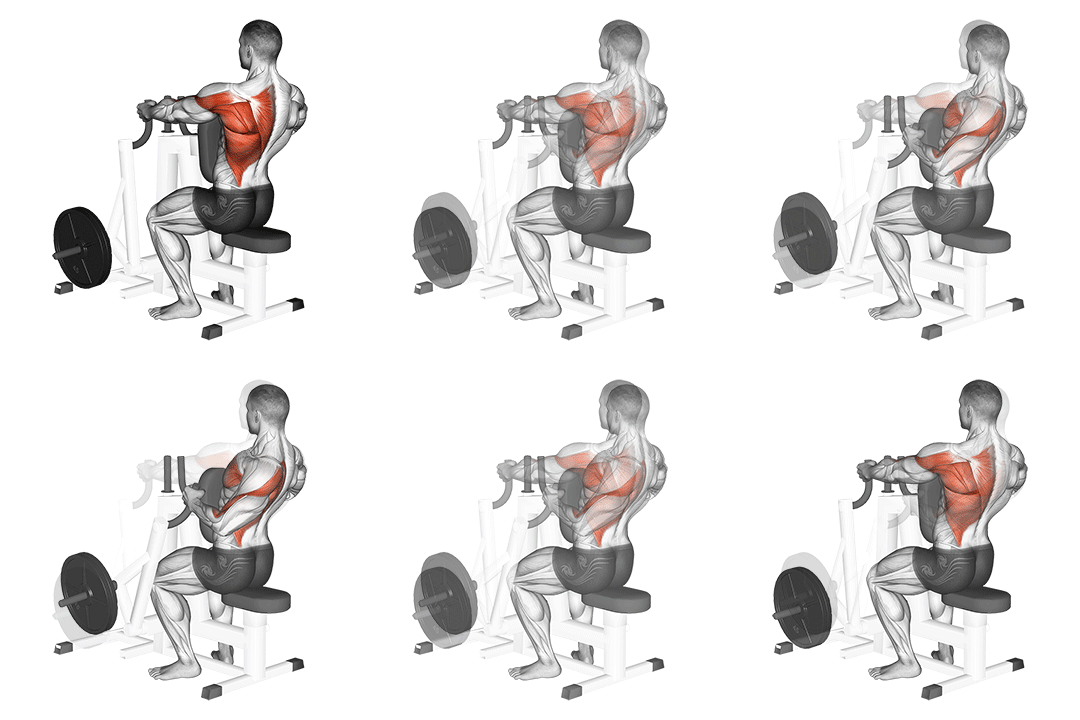
Lever Alternating Narrow Grip Seated Row
Head-to-Head Comparison
| Attribute | Bent Over Two-dumbbell Row With Palms In | Lever Alternating Narrow Grip Seated Row |
|---|---|---|
| Target Muscle |
Middle-back
|
Middle-back
|
| Body Part |
Back
|
Back
|
| Equipment |
Dumbbell
|
Lever
|
| Difficulty |
Intermediate
|
Intermediate
|
| Movement Type |
Compound
|
Compound
|
| Secondary Muscles |
2
|
2
|
Secondary Muscles Activated
Bent Over Two-dumbbell Row With Palms In
Lever Alternating Narrow Grip Seated Row
Visual Comparison
Overview
Bent Over Two-Dumbbell Row With Palms In vs Lever Alternating Narrow Grip Seated Row — you’re comparing a free-weight hinge row to a machine-based narrow-grip pull. I’ll walk you through how each stresses the middle-back (rhomboids, middle traps, posterior delts), differences in biceps and forearm recruitment, setup and equipment needs, and practical technique cues like torso angle, elbow path, and rep ranges. You’ll get clear recommendations for hypertrophy (6–12 reps), strength (3–6 reps), and programming tips so you can pick the right move for your goals.
Key Differences
- Equipment differs: Bent Over Two-dumbbell Row With Palms In uses Dumbbell, while Lever Alternating Narrow Grip Seated Row requires Lever.
Pros & Cons
Bent Over Two-dumbbell Row With Palms In
+ Pros
- Higher posterior chain and lat involvement due to hip hinge and torso angle
- Greater carryover to deadlift and compound pulling strength
- Doesn’t require a machine — ideal for home or minimalist gyms
- Easy to modify: tempo, unilateral, paused reps for progression
− Cons
- Higher demand on lower back—risk if form breaks down
- Harder to achieve consistent tension through full range
- More technical; requires good hip-hinge and bracing
Lever Alternating Narrow Grip Seated Row
+ Pros
- Stable chest support reduces lumbar load and isolates middle-back
- Constant tension and a fixed path make it easy to target rhomboids/middle traps
- Simple to learn and execute for most trainees
- Handles alternating/unilateral patterns for balanced development
− Cons
- Requires access to a lever or cable machine
- Less activation of lats and spinal erectors compared with bent-over variations
- Grip and forearm fatigue can limit load before back muscles are maximally taxed
When Each Exercise Wins
The machine keeps constant tension across the range and isolates scapular retractors, letting you hit 6–12 reps to failure safely. That consistent length-tension and reduced stabilizer fatigue favors controlled volume and muscle growth in the middle-back.
Free-weight rows demand torso bracing and recruit more lats and erectors, translating to better whole-body pulling strength. The hinge pattern lets you overload the posterior chain and progress heavier loads for raw pulling capacity.
Machine guidance and chest support simplify setup and reduce risk of spinal flexion under load, making it easier to learn scapular retraction and elbow path before advancing to free-weight hinge rows.
Dumbbells are more likely to be available at home, and the exercise requires minimal equipment. With a 45° torso and proper bracing you can effectively train the middle-back without a machine.
Frequently Asked Questions
Can I do both Bent Over Two-Dumbbell Row With Palms In and Lever Alternating Narrow Grip Seated Row in the same workout?
Yes — pair them strategically: use the lever-seated row as a higher-volume pre-fatigue or isolation set (8–12 reps), then follow with bent-over dumbbell rows for heavier sets (4–8 reps) to train both constant tension and stabilizer strength. Watch total volume to avoid elbow or lower-back overuse.
Which exercise is better for beginners?
The lever alternating narrow-grip seated row is better for beginners because the chest pad and guided path remove the need for a strong hip hinge and heavy torso bracing, letting you learn scapular retraction and elbow drive safely.
How do the muscle activation patterns differ?
The bent-over row increases erector spinae and lat activation due to the hip hinge and more vertical force vector, while the seated lever emphasizes scapular retractors and elbow flexors with more constant tension. In short: bent-over = more posterior chain; lever-seated = more focused middle-back isolation.
Can Lever Alternating Narrow Grip Seated Row replace Bent Over Two-Dumbbell Row With Palms In?
It can replace it if your goal is middle-back hypertrophy and you lack confidence with hip hinging, but it won’t fully replicate the lats and spinal erector recruitment or the strength carryover of the bent-over row. Use the machine for volume blocks and the dumbbell row for strength or full posterior-chain development.
Expert Verdict
Use the Bent Over Two-Dumbbell Row With Palms In when you want total-body strength transfer, increased lat and erector activation, and progression through heavier free weights or unilateral loading. Prioritize a hip hinge ~30–45° torso angle, neutral spine, and a controlled 2–3s eccentric. Choose the Lever Alternating Narrow Grip Seated Row when you need to isolate the middle-back, reduce lumbar stress, or chase high-volume hypertrophy with consistent tension. Both are intermediate-level compound pulls; program the machine row for focused volume blocks and the bent-over row for strength or mixed-loading weeks.
Also Compare
More comparisons with Bent Over Two-dumbbell Row With Palms In
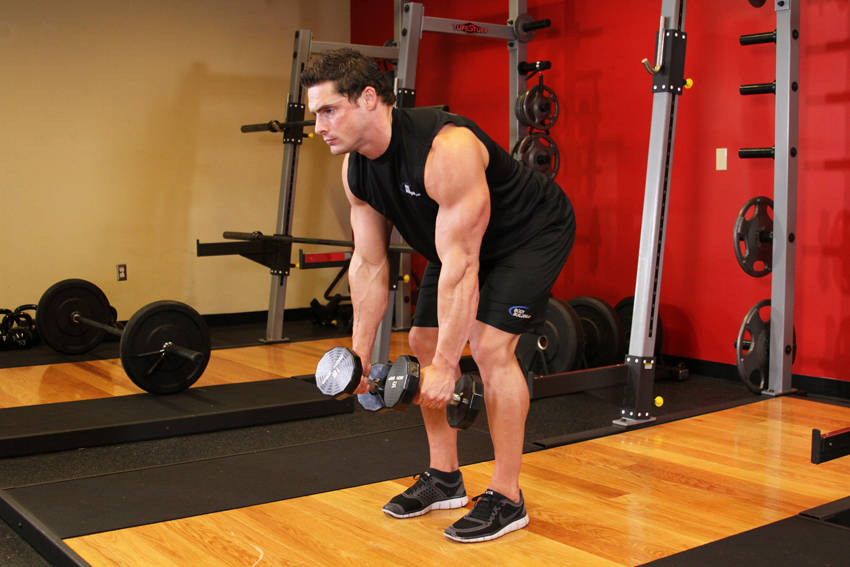
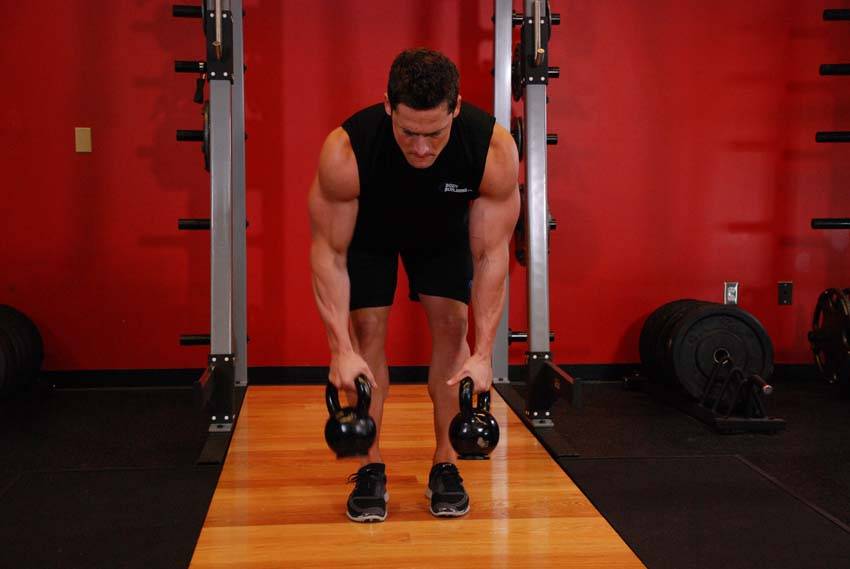
More comparisons with Lever Alternating Narrow Grip Seated Row
Compare More Exercises
Use our free comparison tool to analyze any two exercises head-to-head.
Compare Exercises