

Bicycling, Stationary vs Dumbbell Burpee: Complete Comparison Guide
Bicycling, Stationary vs Dumbbell Burpee — two compound cardio movers that stress your quads but do it very differently. You’ll get a clear, practical comparison so you can pick the right tool for your goals. I cover muscle activation, biomechanics (joint angles, force vectors, length-tension), technique cues, equipment needs, progression options, and injury risk. Read on to see which exercise gives better quad hypertrophy, which builds more overall strength, and how to program each with specific rep ranges, cadence, and intensity.
Exercise Comparison
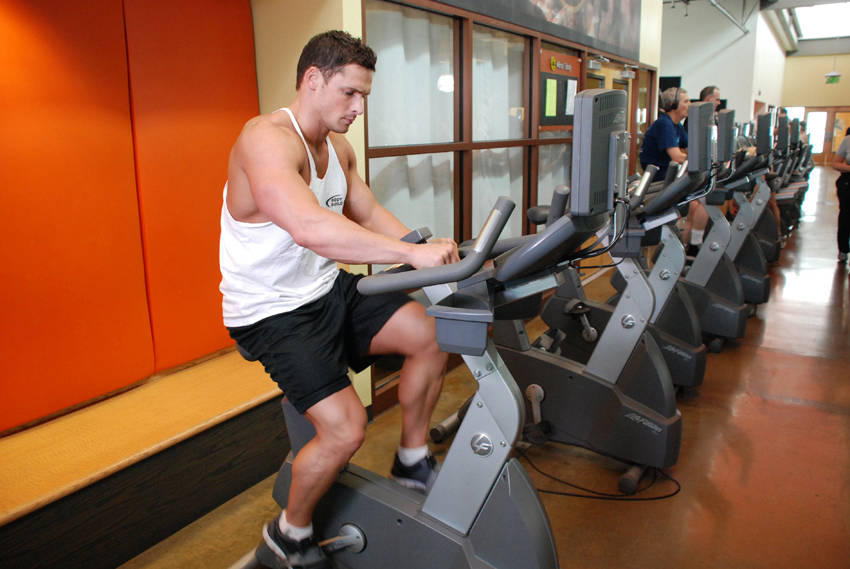
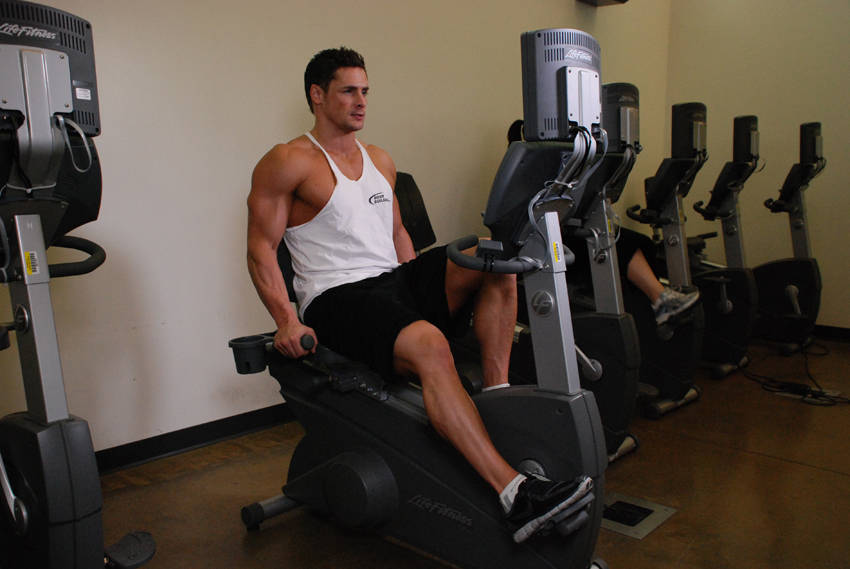
Bicycling, Stationary
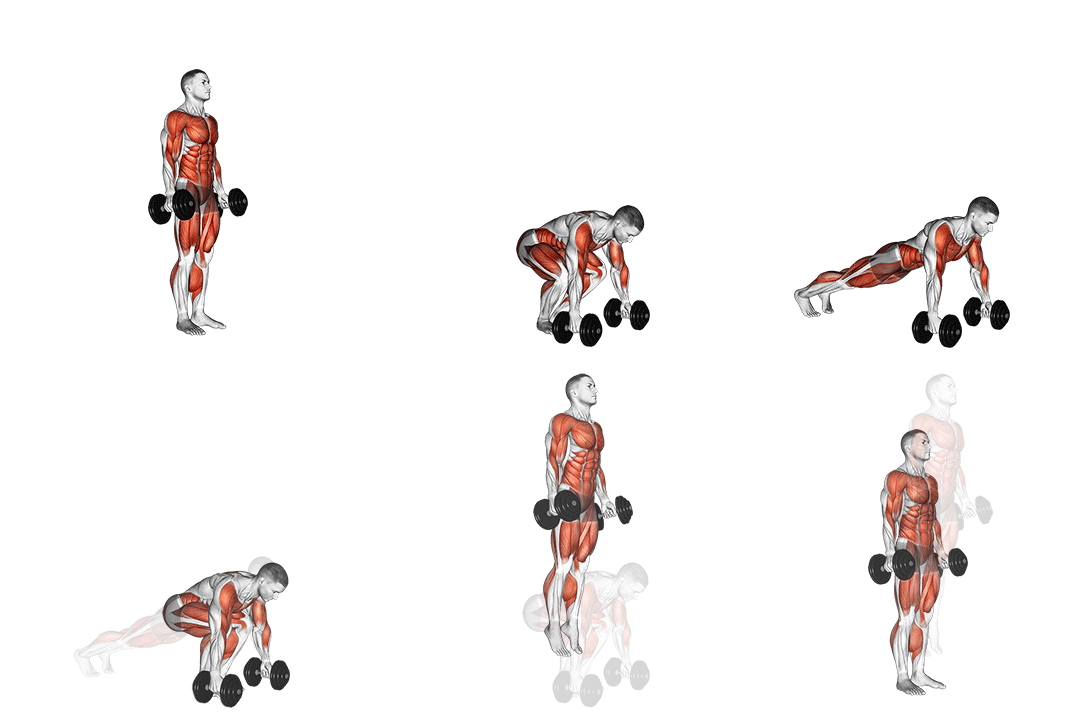
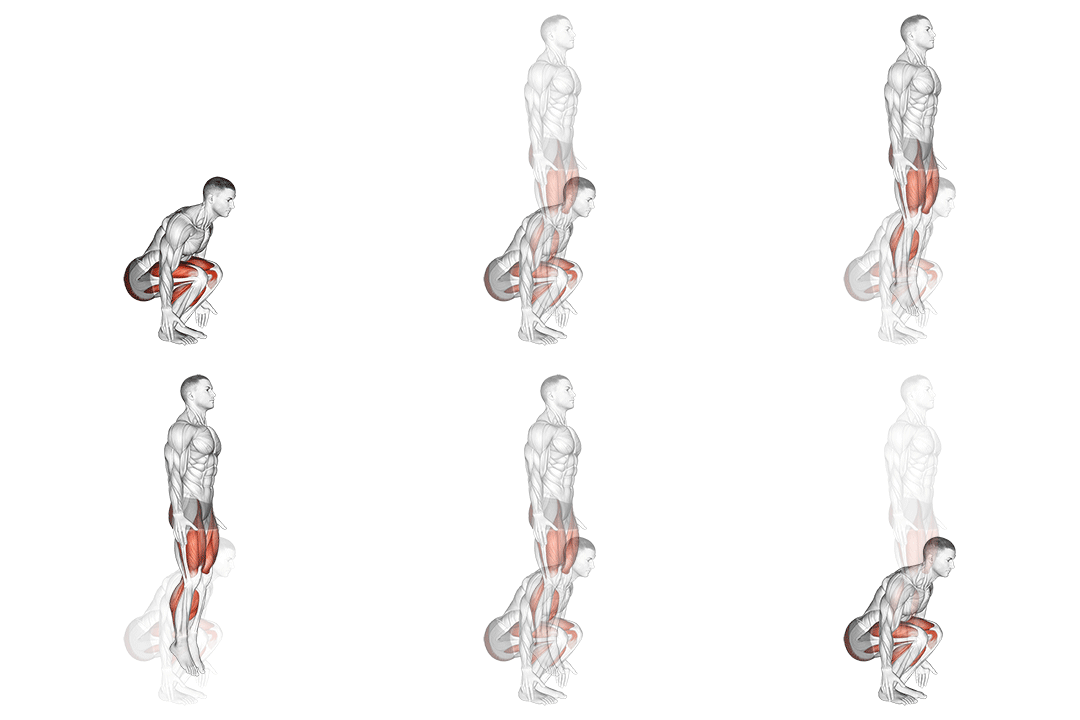
Dumbbell Burpee
Head-to-Head Comparison
| Attribute | Bicycling, Stationary | Dumbbell Burpee |
|---|---|---|
| Target Muscle |
Quads
|
Quads
|
| Body Part |
Cardio
|
Cardio
|
| Equipment |
Machine
|
Dumbbell
|
| Difficulty |
Intermediate
|
Advanced
|
| Movement Type |
Compound
|
Compound
|
| Secondary Muscles |
3
|
6
|
Secondary Muscles Activated
Bicycling, Stationary
Dumbbell Burpee
Visual Comparison
Overview
Bicycling, Stationary vs Dumbbell Burpee — two compound cardio movers that stress your quads but do it very differently. You’ll get a clear, practical comparison so you can pick the right tool for your goals. I cover muscle activation, biomechanics (joint angles, force vectors, length-tension), technique cues, equipment needs, progression options, and injury risk. Read on to see which exercise gives better quad hypertrophy, which builds more overall strength, and how to program each with specific rep ranges, cadence, and intensity.
Key Differences
- Equipment differs: Bicycling, Stationary uses Machine, while Dumbbell Burpee requires Dumbbell.
- Difficulty levels differ: Bicycling, Stationary is intermediate, while Dumbbell Burpee is advanced.
Pros & Cons
Bicycling, Stationary
+ Pros
- Consistent, repeatable knee-extension pattern ideal for quad hypertrophy and conditioning
- Low-impact on joints with minimal eccentric loading
- Easy to regulate intensity with resistance and cadence (60–90 RPM)
- Accessible for most fitness levels and safe for higher-volume work
− Cons
- Limited upper-body and posterior-chain stimulus
- Less effective for developing maximal power or explosive strength
- Requires access to a stationary bike or similar machine
Dumbbell Burpee
+ Pros
- High whole-body activation—quads, hamstrings, glutes, shoulders, triceps, and core
- Develops explosive power via stretch-shortening cycle and jumping
- Easy to scale intensity by using heavier dumbbells or increasing tempo
- Efficient calorie burn and metabolic stress in short sets
− Cons
- Higher technical demand and greater injury risk if form breaks down
- Difficult to accumulate long time-under-tension for pure hypertrophy
- Requires dumbbells and adequate floor space
When Each Exercise Wins
Stationary bicycling lets you accumulate controlled, continuous quad contractions and time under tension (20–40 minutes or interval sets) which supports muscle fiber recruitment and metabolic stress better than the short bursts in burpees.
Dumbbell burpees produce higher peak forces and allow added external load and explosive concentric efforts, which stimulate neural adaptations and maximal force improvements more effectively than steady-state cycling.
The stationary bike is lower skill and lower impact; you control resistance and cadence, maintain a safe knee angle (~25–35° at extension), and reduce risk while building conditioning before progressing to complex movements.
With one pair of dumbbells and minimal space you can perform burpees; the exercise delivers full-body conditioning and power work at home without needing a stationary bike.
Frequently Asked Questions
Can I do both Bicycling, Stationary and Dumbbell Burpee in the same workout?
Yes. Pair cycling as a conditioning warm-up (10–15 min at moderate resistance, 60–80% effort) followed by burpees for high-intensity intervals or strength circuits. Sequence bike first to prime quads and then use burpees for explosive work, or reverse if you prioritize power and want fresh sprint performance.
Which exercise is better for beginners?
Stationary bicycling is better for beginners because it has a simpler movement pattern, lower impact, and easier intensity control. Start with 20–30 minute steady rides or 3×5 minute intervals before introducing the coordination demands of burpees.
How do the muscle activation patterns differ?
Cycling produces steady concentric quad activation with limited eccentric loading and mid-range length-tension operation, while burpees use rapid hip/knee flexion-extension and a stretch-shortening cycle that creates high peak activation in quads, hamstrings, glutes, and upper body in short bursts.
Can Dumbbell Burpee replace Bicycling, Stationary?
Not entirely. For quad-specific hypertrophy and long-duration, low-impact conditioning, stationary bicycling is superior. If your goal is power, full-body conditioning, or you lack a bike, dumbbell burpees can substitute for metabolic stress and strength work but won’t match accumulated quad time-under-tension.
Expert Verdict
Choose stationary bicycling when your goal is targeted quad work, high-volume conditioning, or low-impact cardio. It gives consistent concentric knee extension, easier load control, and lower acute injury risk—ideal for hypertrophy phases or rehab-friendly conditioning. Pick dumbbell burpees when you want full-body power, anaerobic conditioning, and strength carryover; they produce higher peak forces, engage upper body and posterior chain, and scale with external load for progressive overload. Program both: use cycling for high-volume quad work and burpees for intensity blocks or metabolic conditioning to cover complementary adaptations.
Also Compare
More comparisons with Bicycling, Stationary

Compare More Exercises
Use our free comparison tool to analyze any two exercises head-to-head.
Compare Exercises