

Bicycling, Stationary vs Jogging, Treadmill: Complete Comparison Guide
Bicycling, Stationary vs Jogging, Treadmill — you probably use one or both to improve conditioning and leg strength. I’ll walk you through how each targets the quads, how secondary muscles like glutes and hamstrings respond, and the biomechanics that drive differences in muscle action and injury risk. You’ll get clear technique cues (seat height, cadence, stride rate), practical progressions (intervals, resistance, incline), and direct recommendations based on whether you want muscle-focused work, low-impact conditioning, or easy-to-learn cardio.
Exercise Comparison
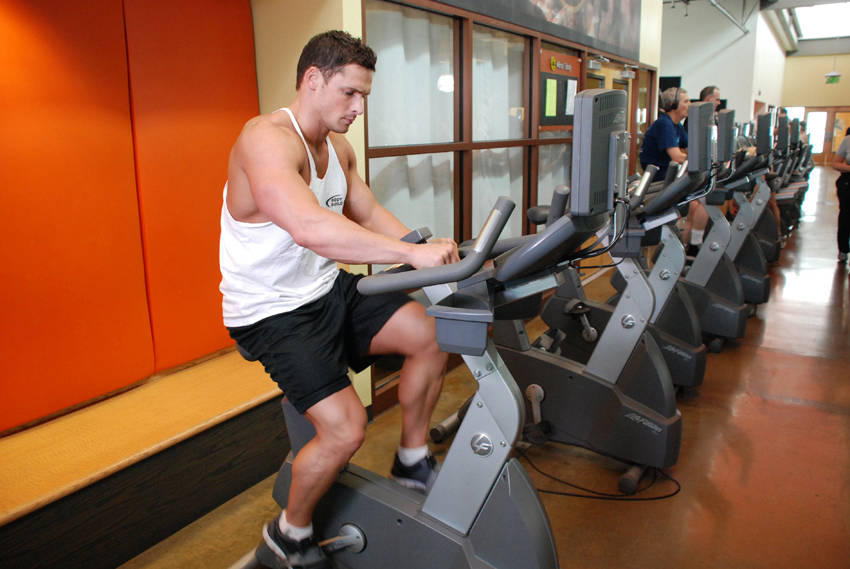
Bicycling, Stationary
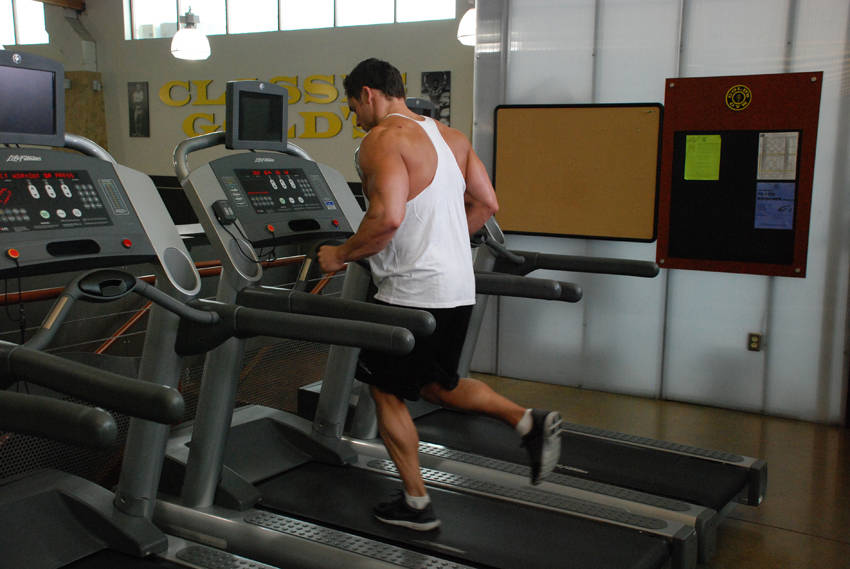
Jogging, Treadmill
Head-to-Head Comparison
| Attribute | Bicycling, Stationary | Jogging, Treadmill |
|---|---|---|
| Target Muscle |
Quads
|
Quads
|
| Body Part |
Cardio
|
Cardio
|
| Equipment |
Machine
|
Machine
|
| Difficulty |
Intermediate
|
Beginner
|
| Movement Type |
Compound
|
Compound
|
| Secondary Muscles |
3
|
2
|
Secondary Muscles Activated
Bicycling, Stationary
Jogging, Treadmill
Visual Comparison
Overview
Bicycling, Stationary vs Jogging, Treadmill — you probably use one or both to improve conditioning and leg strength. I’ll walk you through how each targets the quads, how secondary muscles like glutes and hamstrings respond, and the biomechanics that drive differences in muscle action and injury risk. You’ll get clear technique cues (seat height, cadence, stride rate), practical progressions (intervals, resistance, incline), and direct recommendations based on whether you want muscle-focused work, low-impact conditioning, or easy-to-learn cardio.
Key Differences
- Difficulty levels differ: Bicycling, Stationary is intermediate, while Jogging, Treadmill is beginner.
- Both exercises target the Quads using Machine. The main differences are in their movement patterns and muscle activation angles.
Pros & Cons
Bicycling, Stationary
+ Pros
- Low-impact quad-focused work with high concentric force production
- Easy to quantify and progress via resistance or wattage
- Compact, typically cheaper for home setups
- Better for controlled interval sessions and recovery days
− Cons
- Requires proper bike fit to avoid knee or hip strain
- Less eccentric loading, so limited bone-loading stimulus
- Can under-recruit glutes and hamstrings without standing or high-resistance work
Jogging, Treadmill
+ Pros
- Simple to learn and broadly accessible
- Higher eccentric loading improves running-specific strength and bone density
- Engages glutes and hamstrings more through hip extension
- Easy to vary intensity with speed and incline
− Cons
- Higher impact and greater risk of overuse injury
- Harder to target quads in isolation for hypertrophy
- Treadmills are large and more expensive for home use
When Each Exercise Wins
Bicycling lets you apply progressive overload directly to the quads by increasing resistance or targeting 8–15 reps-equivalent intervals at controlled cadence. The consistent concentric knee extension across the pedal stroke better isolates and fatigues the quad muscle fibers for hypertrophy.
With a heavy-resistance protocol and short, high-force intervals you can train near maximal concentric torque and improve leg press-like strength. Treadmill jogging provides eccentric stimulus but is less effective at delivering repeatable high-force concentric overload for the quads.
Most beginners can start with brisk walking or easy jogging and progress pace or incline, while stationary biking needs careful bike fit and cadence management to prevent knee issues. Treadmill controls (speed, incline) are intuitive for early conditioning.
Entry-level stationary bikes are smaller, quieter, and typically less costly than treadmills, making them a better fit for compact home spaces. They also offer low-impact sessions that fit home recovery and cross-training routines.
Frequently Asked Questions
Can I do both Bicycling, Stationary and Jogging, Treadmill in the same workout?
Yes. Use one as a main stimulus and the other for warm-up or active recovery — for example, 20–30 minutes of moderate treadmill jogging followed by 10–15 minutes of high-resistance cycling intervals. Sequencing matters: do the higher-skill or heavier-load work first to protect form and reduce injury risk.
Which exercise is better for beginners?
Jogging on a treadmill is generally easier to start because speed and incline are intuitive controls and balance demands are lower. If joint pain is present, start with short, low-resistance bike sessions while you build strength and technique.
How do the muscle activation patterns differ?
Cycling produces continuous concentric knee extension with peak torque during the downstroke, favoring sustained quad activation. Running imposes eccentric braking at footstrike then concentric propulsion, shifting load to quads for shock absorption and increasing glute/hamstring engagement during hip extension.
Can Jogging, Treadmill replace Bicycling, Stationary?
For general cardio, yes — treadmill jogging can substitute. For targeted quad hypertrophy or precise force-based progressions, treadmill running cannot fully replace the controlled resistance and concentric overload available on a stationary bike.
Expert Verdict
Choose stationary bicycling when your goal is targeted quad development, measurable overload, and low-impact training — use high-resistance sets, cadence targets (60–90 rpm for force work, 90–100+ rpm for conditioning), and maintain a seat height that leaves ~25–35 degrees of knee flexion at the bottom of the stroke. Choose treadmill jogging when you want simple, transferable running fitness, improved eccentric control, and greater glute/hamstring engagement; aim for 160–180 steps per minute to reduce impact and use incline to shift load to the posterior chain. Pair both into your program: use biking for heavy quad-focused sessions and treadmill runs for metabolic conditioning and bone-loading.
Also Compare
More comparisons with Bicycling, Stationary
Compare More Exercises
Use our free comparison tool to analyze any two exercises head-to-head.
Compare Exercises