

Bicycling, Stationary vs Recumbent Bike: Complete Comparison Guide
Bicycling, Stationary vs Recumbent Bike — which one should you pick for your cardio and quad work? You’ll get a clear, practical comparison of muscle targeting, biomechanics, equipment needs, injury risk, and progression options. I’ll show how each machine loads the quads, how hip angle and torso position change muscle activation, and give training prescriptions with specific cadences, resistance cues, and interval templates so you can pick the right bike for your goals.
Exercise Comparison
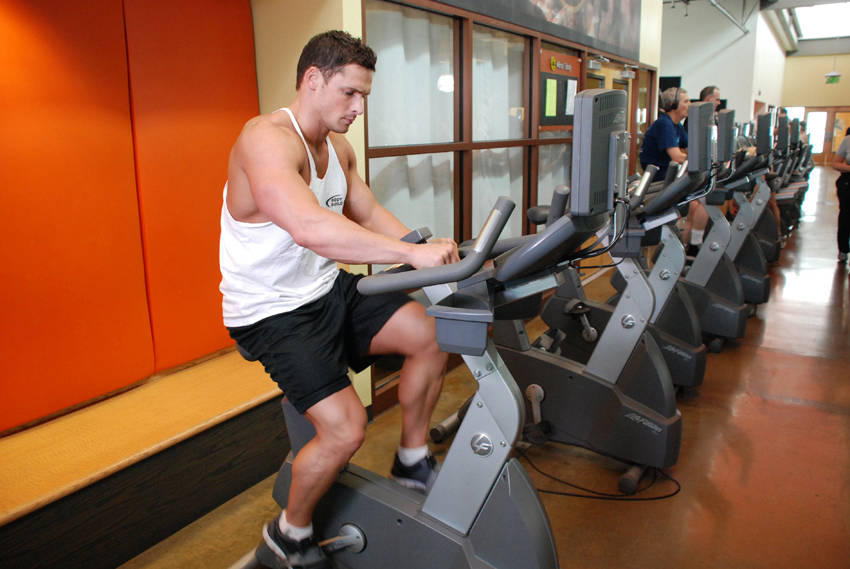
Bicycling, Stationary
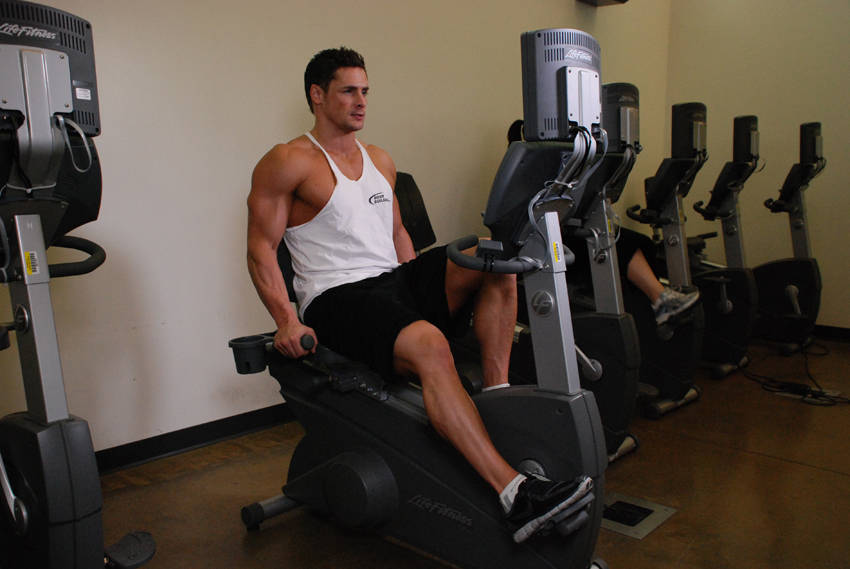
Recumbent Bike
Head-to-Head Comparison
| Attribute | Bicycling, Stationary | Recumbent Bike |
|---|---|---|
| Target Muscle |
Quads
|
Quads
|
| Body Part |
Cardio
|
Cardio
|
| Equipment |
Machine
|
Machine
|
| Difficulty |
Intermediate
|
Beginner
|
| Movement Type |
Compound
|
Compound
|
| Secondary Muscles |
3
|
3
|
Secondary Muscles Activated
Bicycling, Stationary
Recumbent Bike
Visual Comparison
Overview
Bicycling, Stationary vs Recumbent Bike — which one should you pick for your cardio and quad work? You’ll get a clear, practical comparison of muscle targeting, biomechanics, equipment needs, injury risk, and progression options. I’ll show how each machine loads the quads, how hip angle and torso position change muscle activation, and give training prescriptions with specific cadences, resistance cues, and interval templates so you can pick the right bike for your goals.
Key Differences
- Difficulty levels differ: Bicycling, Stationary is intermediate, while Recumbent Bike is beginner.
- Both exercises target the Quads using Machine. The main differences are in their movement patterns and muscle activation angles.
Pros & Cons
Bicycling, Stationary
+ Pros
- Stronger posterior chain recruitment when you lean or stand, boosting glute and hamstring involvement
- More progression options for power and interval work (sprints, hill repeats, watt-based training)
- Smaller footprint models available for tighter home gyms
- Better transfer to outdoor cycling mechanics and standing efforts
− Cons
- Higher balance and coordination demand for beginners
- Can aggravate low-back or neck issues if set up poorly
- Saddle discomfort for longer sessions without proper fit
Recumbent Bike
+ Pros
- Lower back support reduces spinal loading and makes longer sessions comfortable
- Easier entry and exit; beginner- and rehab-friendly
- Very quad-dominant position good for targeted knee-extension work
- Stable seated posture minimizes balance or coordination barriers
− Cons
- Larger footprint that can be harder to fit in small spaces
- Reduced hip-extension recruitment limits posterior chain development
- Less carryover to standing power efforts and outdoor cycling technique
When Each Exercise Wins
The upright bike allows higher peak resistance and mixed hip-knee loading, which recruits glutes and quads together and produces greater mechanical tension. Use heavier resistance with 8–20 minute sustained tempo efforts or 3–5 sets of 10–20 minute sweet-spot intervals to stimulate muscle growth.
Stationary bikes support power intervals and standing sprints that generate higher peak watts and greater hip-extension torque. Train with 10–30 second maximal efforts and 2–5 minute recoveries, or progressive watt targets increasing 5–10% weekly.
The recumbent bike provides back support, reduced balance demand, and an easy setup, letting you focus on cadence and duration without compensatory upper-body tension. Start with 20–30 minute steady-state sessions at 60–75% perceived effort and 60–80 RPM.
Upright models are typically smaller, cheaper, and more modular for home use, and they offer more varied workouts from seated endurance to standing power. If space is tight and you want versatility, a compact upright or spin-style bike is the practical choice.
Frequently Asked Questions
Can I do both Bicycling, Stationary and Recumbent Bike in the same workout?
Yes — use the recumbent for a 10–20 minute low-intensity warm-up or recovery block, then switch to the upright for 3–6 high-intensity intervals. That mixes low spinal load with high-power work and preserves nervous system freshness for sprints.
Which exercise is better for beginners?
Recumbent Bike is better for most beginners because it reduces balance demands and supports the back, letting you focus on cadence and duration. Start with 20–30 minute sessions at 60–75% effort and progress time before intensity.
How do the muscle activation patterns differ?
Upright biking adds a forward-lean force vector that increases hip-extension torque and recruits glutes and hamstrings more, while recumbent riding shortens hip extensors and concentrates load through knee extension, making it more quad-dominant.
Can Recumbent Bike replace Bicycling, Stationary?
Recumbent can replace upright work for low-impact cardio, rehab, or quad-focused training, but it won’t fully replace upright bikes if your goals require high-power standing efforts or improved posterior-chain strength. Use both strategically based on your objectives.
Expert Verdict
Choose the recumbent bike if you need a low-impact, beginner-friendly option or you’re rehabbing low-back or balance issues — its reclined position reduces spinal loading and makes long sessions comfortable. Choose the upright stationary bike when your goal is power, posterior-chain recruitment, or structured progression; the upright geometry increases hip-extension torque and allows standing work and higher watt outputs. For balanced training, pair steady-state recumbent rides for recovery with 2–3 weekly stationary intervals (30s–2min efforts) to build power and muscle over time.
Also Compare
More comparisons with Bicycling, Stationary

Compare More Exercises
Use our free comparison tool to analyze any two exercises head-to-head.
Compare Exercises