

Bicycling, Stationary vs Rowing, Stationary: Complete Comparison Guide
Bicycling, Stationary vs Rowing, Stationary — both are popular machine-based cardio choices that stress the quads but do so through different mechanics. If you want a clear comparison, I'll walk you through primary and secondary muscle recruitment, movement patterns, equipment needs, learning curves, injury risk, and when to pick each based on your goals. You'll get actionable technique cues (pedal cadence, stroke rate, hip hinge cues), biomechanical context (force vectors, muscle length-tension), and specific training recommendations like interval formats and resistance targets so you can choose the machine that best supports muscle growth, endurance, or strength.
Exercise Comparison
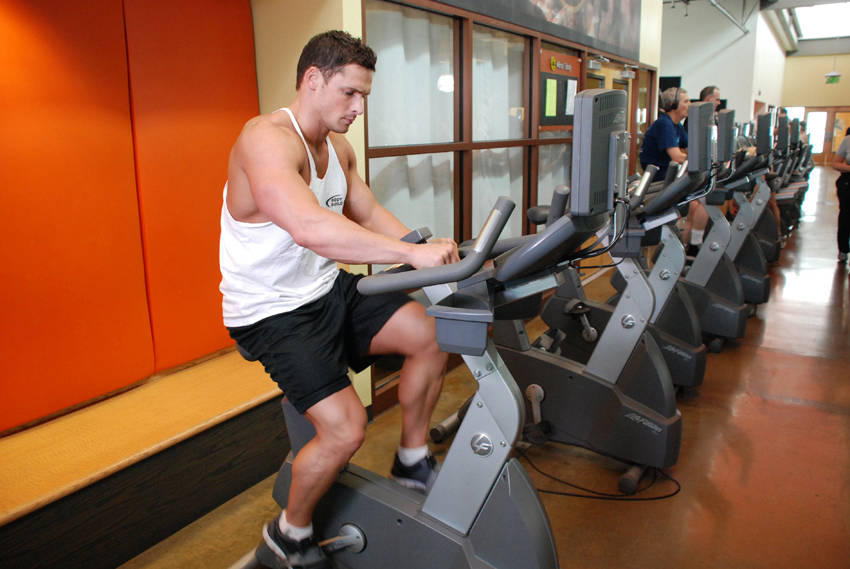
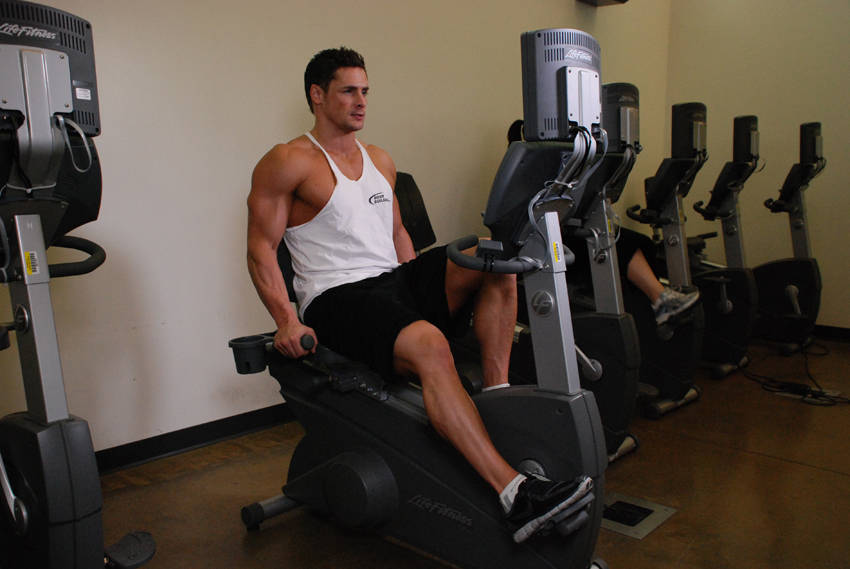
Bicycling, Stationary
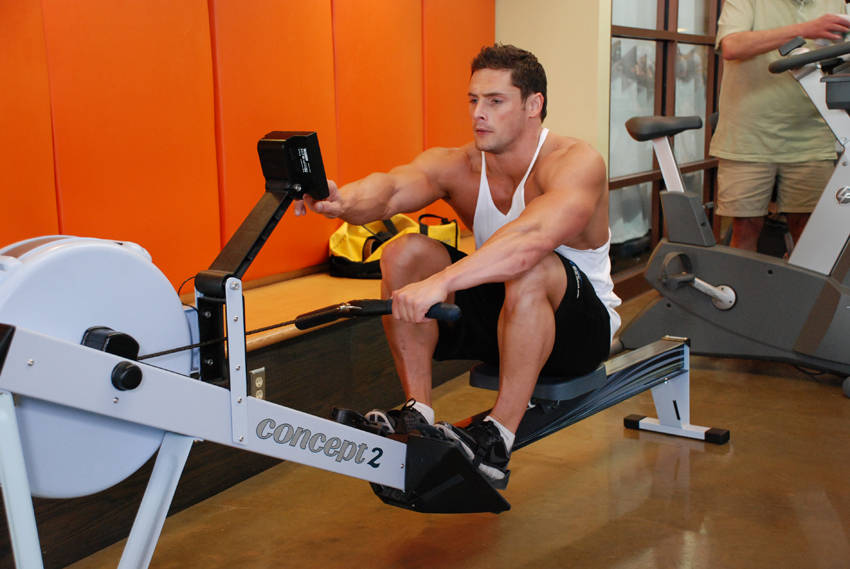
Rowing, Stationary
Head-to-Head Comparison
| Attribute | Bicycling, Stationary | Rowing, Stationary |
|---|---|---|
| Target Muscle |
Quads
|
Quads
|
| Body Part |
Cardio
|
Cardio
|
| Equipment |
Machine
|
Machine
|
| Difficulty |
Intermediate
|
Intermediate
|
| Movement Type |
Compound
|
Compound
|
| Secondary Muscles |
3
|
6
|
Secondary Muscles Activated
Bicycling, Stationary
Rowing, Stationary
Visual Comparison
Overview
Bicycling, Stationary vs Rowing, Stationary — both are popular machine-based cardio choices that stress the quads but do so through different mechanics. If you want a clear comparison, I'll walk you through primary and secondary muscle recruitment, movement patterns, equipment needs, learning curves, injury risk, and when to pick each based on your goals. You'll get actionable technique cues (pedal cadence, stroke rate, hip hinge cues), biomechanical context (force vectors, muscle length-tension), and specific training recommendations like interval formats and resistance targets so you can choose the machine that best supports muscle growth, endurance, or strength.
Key Differences
- Both exercises target the Quads using Machine. The main differences are in their movement patterns and muscle activation angles.
Pros & Cons
Bicycling, Stationary
+ Pros
- High quad isolation — excellent for focused quadriceps development and endurance.
- Low spinal loading — good for clients with lower-back sensitivity.
- Simple setup and learning cues (seat height, 80–100 RPM cadence).
- Compact, lower cost and widely available.
− Cons
- Limited upper-body and posterior chain recruitment compared with rowing.
- Knee overuse possible with incorrect seat height or excessive cadence.
- Less carryover to posterior-chain strength and upper-body power.
Rowing, Stationary
+ Pros
- Full-body compound movement — taxes quads, glutes, hamstrings, lower and middle back, and biceps.
- Develops total-body power and coordination; good for sprint intervals (500–2,000 m).
- Transfers to posterior-chain strength through hip hinge loading.
- Easy to quantify progress via split times and watts; scalable stroke rate (22–30 spm).
− Cons
- Higher technical demand — poor form increases lower-back strain.
- Larger footprint and usually higher cost than a basic stationary bike.
- Less isolated quad overload compared to cycling for the same effort.
When Each Exercise Wins
Biking isolates the quads through repeated concentric knee extension and lets you overload with higher resistance at controlled cadences (60–80 RPM) for hypertrophy-style sets (8–15 minutes of high-resistance intervals). That focused anterior-chain loading produces more targeted hypertrophy stimulus for the quadriceps.
Rowing recruits the posterior chain, lower back, and upper body along with the quads, offering a fuller strength stimulus and higher total-body power output. Short, intense intervals (20–60 seconds at high damper and stroke rate) develop force production across multiple joints better than cycling.
The bike has a gentler learning curve: seat and pedal mechanics are easy to set and the movement is less technical, reducing early injury risk. Beginners can safely build conditioning at 50–70% of max effort before adding resistance or interval work.
Stationary bikes generally cost less, take up less space, and are quieter than many rowers. Their simple setup and compact footprint make them the more practical home option for most people.
Frequently Asked Questions
Can I do both Bicycling, Stationary and Rowing, Stationary in the same workout?
Yes. Pairing them gives a balanced stimulus: start with 10–20 minutes on the rower for full-body activation, then 20–30 minutes on the bike to overload the quads. Keep total high-intensity work under 20–30 minutes to manage fatigue and protect form.
Which exercise is better for beginners?
Bicycling, Stationary is better for most beginners because it’s easier to set up and requires less technical coordination. Start with steady-state rides at 50–70% perceived effort and progress cadence and resistance gradually.
How do the muscle activation patterns differ?
Cycling produces repeated concentric knee extension with peak quad torque near the 90° crank position, keeping the quads in a mid-range length-tension. Rowing sequences leg drive, hip extension, then arm pull, distributing force roughly 60% legs, 25% hips/back, 15% arms and creating a greater posterior-chain stretch-shortening demand.
Can Rowing, Stationary replace Bicycling, Stationary?
Rowing can substitute for bicycling when you want a fuller-body session, but it won’t replace targeted quad isolation for hypertrophy. If your goal is focused quadriceps development or low spinal load, keep cycling in your program.
Expert Verdict
Choose Bicycling, Stationary when your priority is targeted quadriceps development, low spinal loading, and simple, scalable cardio sessions. Use higher resistance and moderate cadence (60–80 RPM) or 8–15 minute high-resistance intervals to emphasize muscle growth in the quads. Pick Rowing, Stationary when you want total-body power, posterior-chain strengthening, and upper-body work alongside cardio — focus on clean sequencing (legs → hips → arms), stroke rates of 22–30 spm, and short high-intensity pieces to build force. For most beginners and home users the bike wins for accessibility, while rowers suit athletes chasing whole-body power and posterior-chain balance.
Also Compare
More comparisons with Bicycling, Stationary
Compare More Exercises
Use our free comparison tool to analyze any two exercises head-to-head.
Compare Exercises