

Bicycling, Stationary vs Running, Treadmill: Complete Comparison Guide
Bicycling, Stationary vs Running, Treadmill — both tax your cardiovascular system and load the quads, but they do it in different ways. If you want clear guidance on which to pick, you’re in the right place. I’ll compare primary quad activation, secondary muscle recruitment (calves, glutes, hamstrings), equipment and accessibility, learning curve, injury risk, and programming tips so you can choose the option that fits your goals and schedule.
Exercise Comparison
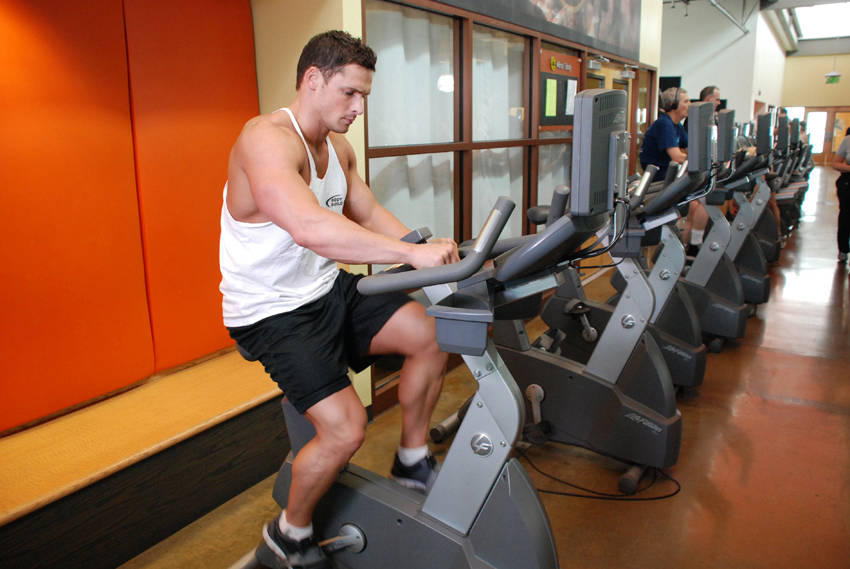
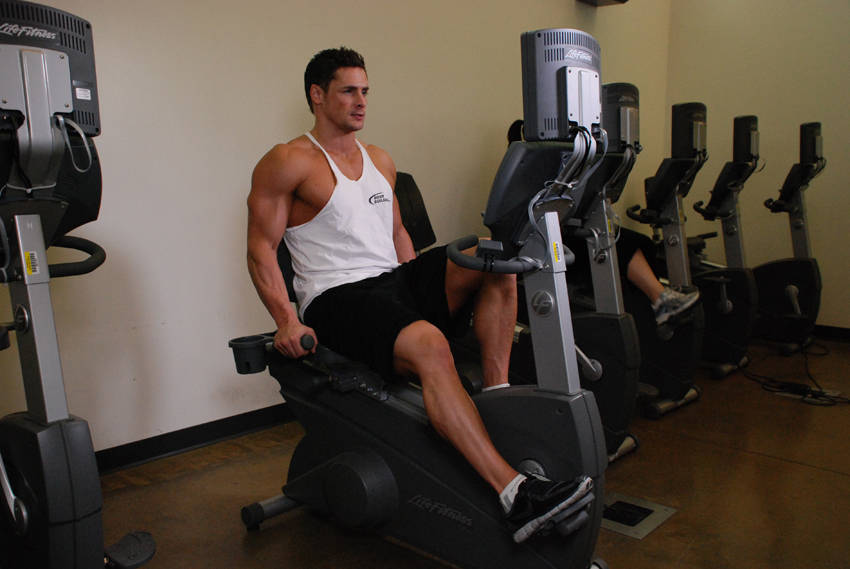
Bicycling, Stationary
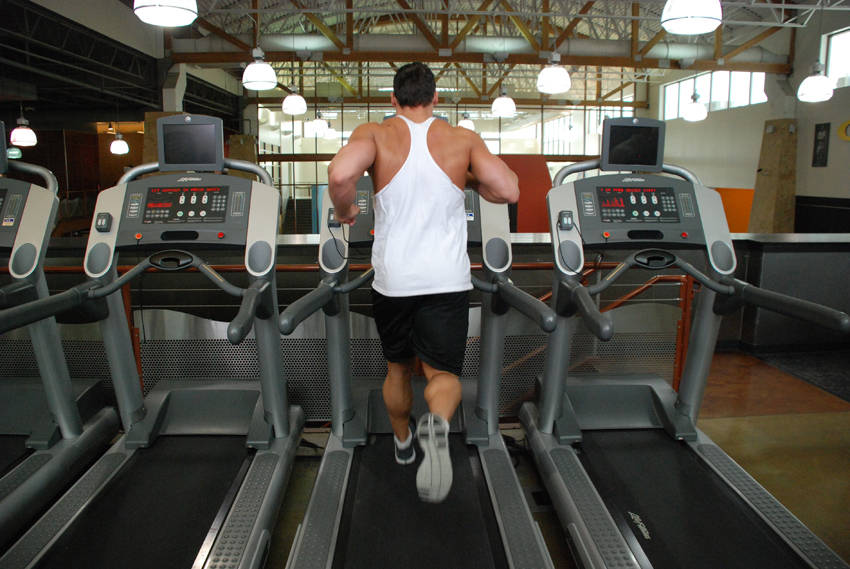
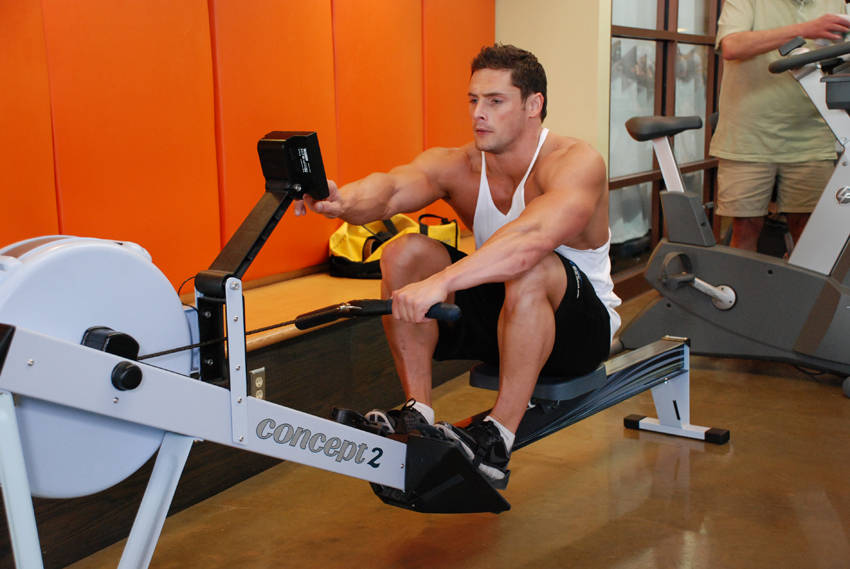
Running, Treadmill
Head-to-Head Comparison
| Attribute | Bicycling, Stationary | Running, Treadmill |
|---|---|---|
| Target Muscle |
Quads
|
Quads
|
| Body Part |
Cardio
|
Cardio
|
| Equipment |
Machine
|
Machine
|
| Difficulty |
Intermediate
|
Beginner
|
| Movement Type |
Compound
|
Compound
|
| Secondary Muscles |
3
|
3
|
Secondary Muscles Activated
Bicycling, Stationary
Running, Treadmill
Visual Comparison
Overview
Bicycling, Stationary vs Running, Treadmill — both tax your cardiovascular system and load the quads, but they do it in different ways. If you want clear guidance on which to pick, you’re in the right place. I’ll compare primary quad activation, secondary muscle recruitment (calves, glutes, hamstrings), equipment and accessibility, learning curve, injury risk, and programming tips so you can choose the option that fits your goals and schedule.
Key Differences
- Difficulty levels differ: Bicycling, Stationary is intermediate, while Running, Treadmill is beginner.
- Both exercises target the Quads using Machine. The main differences are in their movement patterns and muscle activation angles.
Pros & Cons
Bicycling, Stationary
+ Pros
- Low-impact cardio that spares joints while loading quads
- Precise resistance and power-based progression (watts, %FTP)
- Easy to control cadence and intensity for interval work (30s–8min intervals)
- Compact and suitable for rehab or higher body weights
− Cons
- Can be overly quad-dominant without standing or cadence variation
- Less eccentric loading for hamstrings and glutes compared to running
- Requires proper bike fit — poor seat height increases knee pain
Running, Treadmill
+ Pros
- High eccentric and stretch-shortening loading that builds running-specific strength
- Simple to start—walk or jog immediately with minimal setup
- Translates directly to outdoor running performance and bone density
- Incline and speed changes simulate varied terrain and load patterns
− Cons
- Higher impact increases overuse injury risk
- Progression is less precise without monitoring tools (no direct watt output)
- Harder on joints for heavier or returning athletes
When Each Exercise Wins
You can apply direct progressive overload with resistance and maintain time-under-tension for the quads. Heavy seated or standing efforts at low cadence (50–70 rpm) mimic strength-oriented reps and create metabolic stress ideal for muscle growth.
Using high resistance and short, maximal efforts (e.g., 6–12 hard pedal strokes or ramps to 1–3 minute heavy intervals) creates measurable force output and neural adaptations; power meters let you increase wattage by specific percentages.
Starting with walking or light jog intervals requires minimal technical setup, and you can progress by time and speed. Treadmill walking at 0.5–1.5 mph increments is intuitive and builds aerobic base quickly.
Stationary bikes come in compact models and allow varied intensity without pounding your joints. You can do structured intervals in 20–40 minutes and track progress with cadence or power data on smaller footprints than most treadmills.
Frequently Asked Questions
Can I do both Bicycling, Stationary and Running, Treadmill in the same workout?
Yes — combining them provides complementary loading: start with 10–20 minutes on the bike for high-resistance quad stimulus, then finish with 10–20 minutes on the treadmill for eccentric and plyometric stimulus. Keep total high-intensity work under 15–20 minutes to avoid excess fatigue.
Which exercise is better for beginners?
Running, Treadmill is generally better to begin because walking and light jogs require minimal setup and technique. If joint pain or high bodyweight is an issue, start on a stationary bike to build aerobic capacity with lower impact.
How do the muscle activation patterns differ?
Cycling uses continuous concentric torque with peak quad activity near the 90° crank angle and steady cadence; muscles operate at a consistent length-tension. Running features short, high-magnitude eccentric braking followed by concentric push-off, shifting load to glutes, hamstrings, and the calf’s elastic recoil.
Can Running, Treadmill replace Bicycling, Stationary?
For some goals yes — treadmill running can maintain cardiovascular fitness and build lower-body resilience, but it won’t replace the precise overload control and low-impact benefits of a stationary bike when your goal is targeted quad hypertrophy or rehab. Choose the tool that matches your specific training objective.
Expert Verdict
Choose Bicycling, Stationary when your priority is targeted quad loading, precise progressive overload, or low-impact training — especially if you plan structured intervals or want to protect joints during higher volumes. Pick Running, Treadmill if you need simple, scalable entry into cardio training, want bone and tendon loading, or are training for outdoor running events. For muscle growth and measurable strength-style work on the legs, the stationary bike gives more control (resistance, cadence, watts). For functional conditioning, sport specificity, and eccentric strength, the treadmill is the better choice.
Also Compare
More comparisons with Bicycling, Stationary
Compare More Exercises
Use our free comparison tool to analyze any two exercises head-to-head.
Compare Exercises