

Bicycling, Stationary vs Semi Squat Jump (male): Complete Comparison Guide
Bicycling, Stationary vs Semi Squat Jump (male) — you can use both to hit the quads, but they load the muscles in very different ways. In this guide you'll get clear technique cues, the biomechanics behind muscle activation, and direct comparisons on equipment, difficulty, and injury risk. I’ll show you when to pick steady-state or interval cycling (cadence, resistance, knee angle) versus when to choose explosive semi squat jumps for power, rate of force development, and conditioning. Use this to choose the movement that matches your goals and training context.
Exercise Comparison
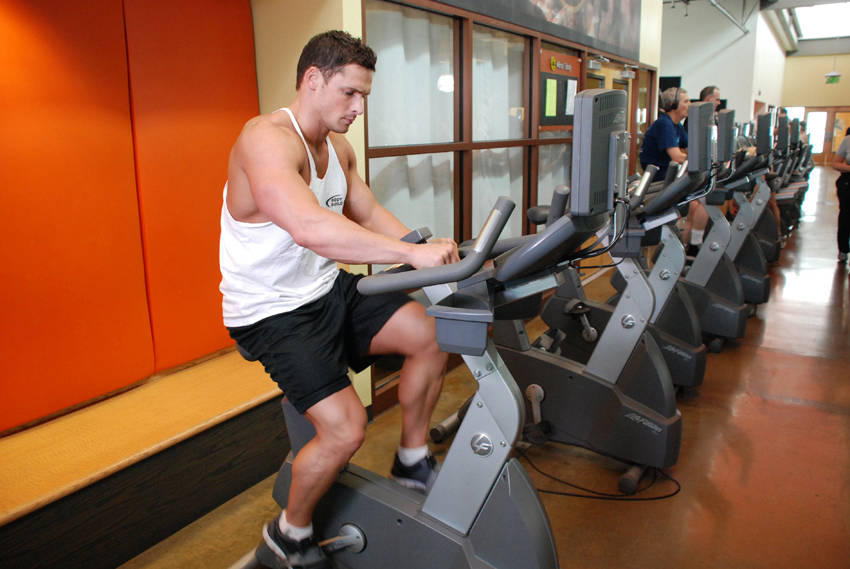
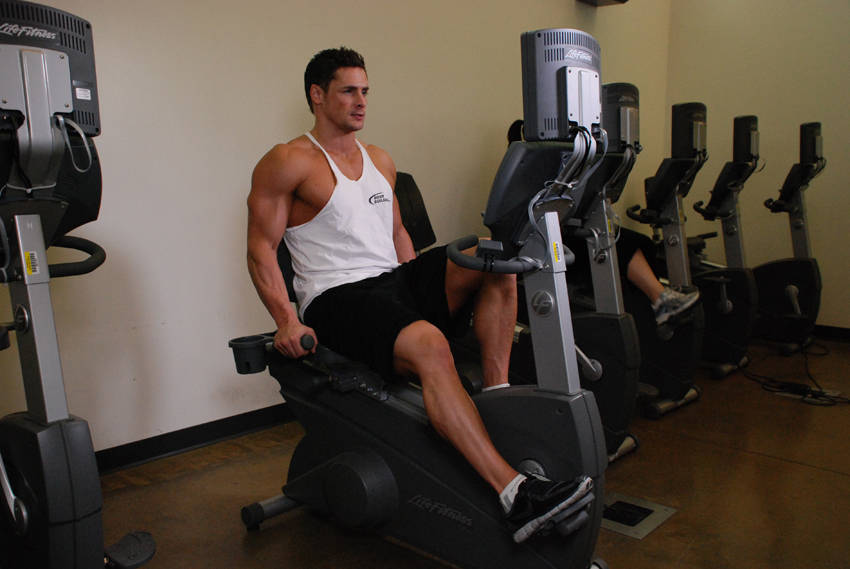
Bicycling, Stationary
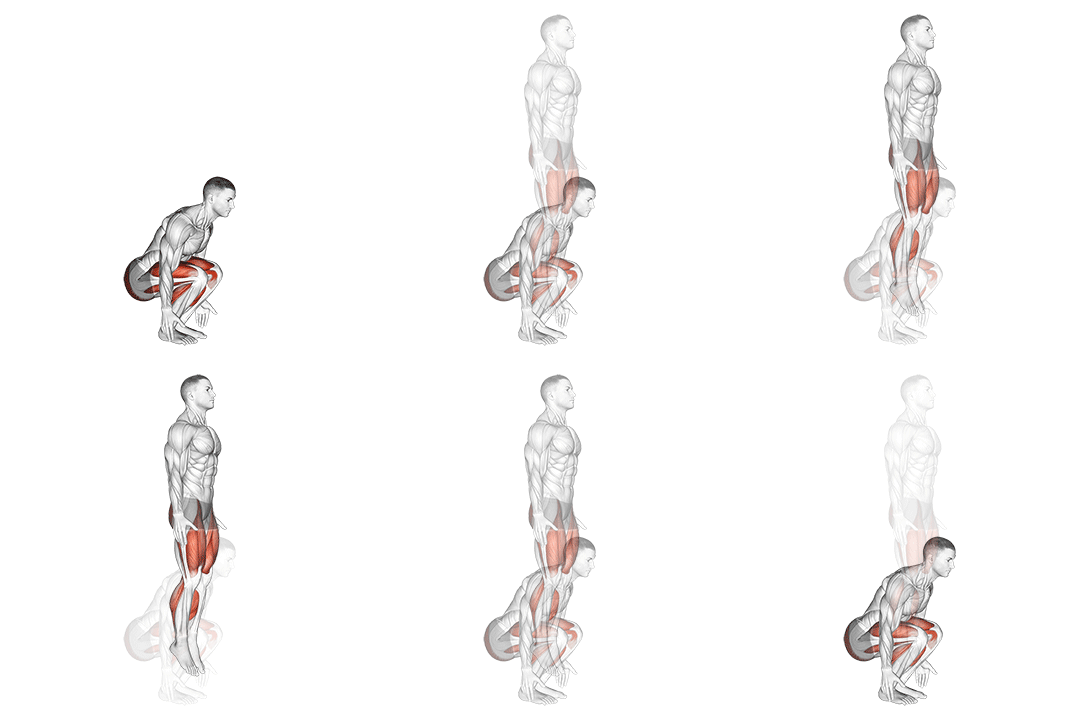
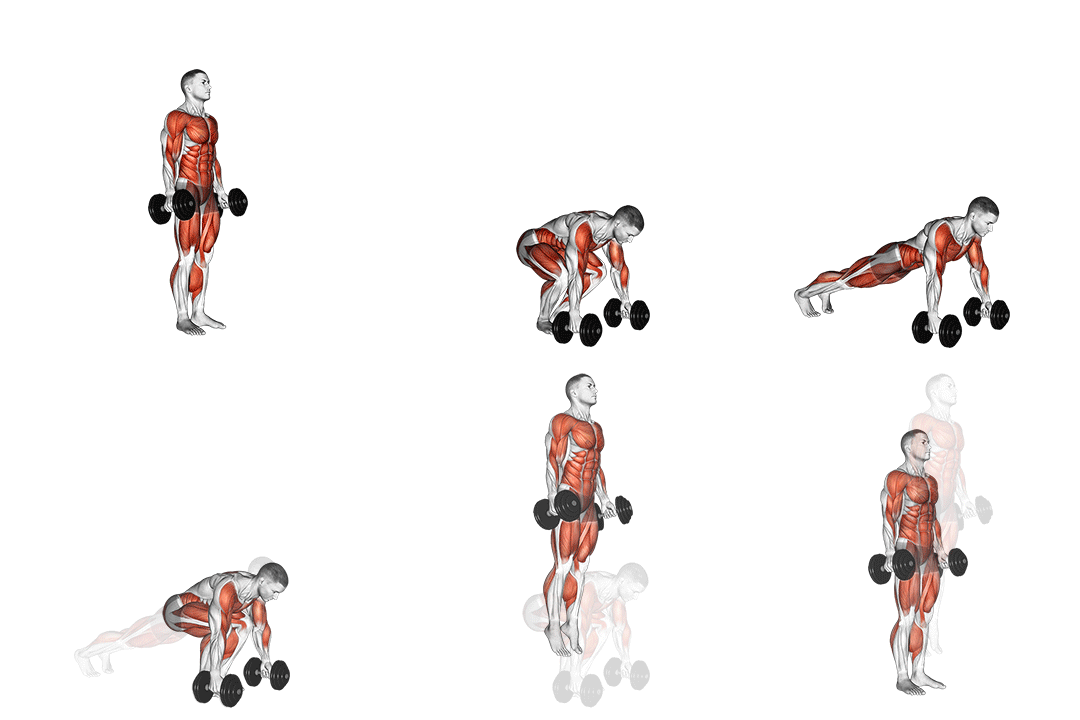
Semi Squat Jump (male)
Head-to-Head Comparison
| Attribute | Bicycling, Stationary | Semi Squat Jump (male) |
|---|---|---|
| Target Muscle |
Quads
|
Quads
|
| Body Part |
Cardio
|
Cardio
|
| Equipment |
Machine
|
Body-weight
|
| Difficulty |
Intermediate
|
Intermediate
|
| Movement Type |
Compound
|
Compound
|
| Secondary Muscles |
3
|
3
|
Secondary Muscles Activated
Bicycling, Stationary
Semi Squat Jump (male)
Visual Comparison
Overview
Bicycling, Stationary vs Semi Squat Jump (male) — you can use both to hit the quads, but they load the muscles in very different ways. In this guide you'll get clear technique cues, the biomechanics behind muscle activation, and direct comparisons on equipment, difficulty, and injury risk. I’ll show you when to pick steady-state or interval cycling (cadence, resistance, knee angle) versus when to choose explosive semi squat jumps for power, rate of force development, and conditioning. Use this to choose the movement that matches your goals and training context.
Key Differences
- Equipment differs: Bicycling, Stationary uses Machine, while Semi Squat Jump (male) requires Body-weight.
Pros & Cons
Bicycling, Stationary
+ Pros
- Low-impact, joint-friendly cardio that protects knees and ankles
- Easy to modulate intensity via resistance and cadence (70–100 RPM)
- Sustains quad activation for extended time under tension for metabolic stress
- Good for interval and endurance programming — precise workload tracking
− Cons
- Limited eccentric loading and explosive strength stimulus
- Requires a machine or access to a bike
- May underload the glutes and hamstrings unless resistance is high
Semi Squat Jump (male)
+ Pros
- High peak quad force and excellent for improving rate of force development
- No equipment needed — ideal for power and plyometric training at home
- Engages posterior chain during landing for deceleration control
- Improves jumping mechanics and athletic explosiveness
− Cons
- High-impact — greater joint and soft-tissue stress on landing
- Bodyweight-only may limit hypertrophy progress for trained males
- Requires good landing mechanics to avoid knee valgus and injury
When Each Exercise Wins
Stationary cycling lets you sustain elevated quad tension for longer durations and manipulate resistance precisely, creating the mechanical tension and metabolic stress needed for hypertrophy. Use high-resistance intervals or long steady sets (20–40 minutes) with a pedal resistance that keeps your cadence 60–80 RPM to maximize time under tension.
Semi squat jumps train explosive concentric output and rate of force development, which improves neural drive and power. For maximal strength you’d still need heavy resistance work, but for improving force production and athletic strength the plyometric pattern is superior.
The bike offers a controlled environment with lower impact and an easy learning curve; you can start with 15–30 minute sessions at low resistance and gradually increase duration and load without complex landing mechanics. Proper bike fit minimizes overuse risk.
No equipment, minimal space, and high metabolic effect make semi squat jumps ideal for home conditioning. Pair 3–5 sets of 6–12 quality reps with full recovery to preserve jump explosiveness and reduce injury risk.
Frequently Asked Questions
Can I do both Bicycling, Stationary and Semi Squat Jump (male) in the same workout?
Yes. A smart approach is to separate roles: use the bike for a 10–20 minute warm-up and cadence work, then perform 3–5 sets of 6–10 semi squat jumps while fresh to protect jump quality. Avoid heavy, high-volume sets of both on the same day to reduce fatigue and injury risk.
Which exercise is better for beginners?
Bicycling, Stationary is generally better for beginners because it’s low-impact and easier to scale via resistance and time. Beginners should dial in bike fit (25–35° knee angle at bottom) before adding intensity; introduce plyometrics only after mastering landing mechanics.
How do the muscle activation patterns differ?
Cycling produces repeated concentric-driven activation with limited eccentric stress and sustained quad work over time, while semi squat jumps create a fast eccentric pre-load followed by an explosive concentric—engaging fast-twitch fibers and producing higher peak forces but less total time under tension.
Can Semi Squat Jump (male) replace Bicycling, Stationary?
Not fully. Semi squat jumps replace some conditioning and power work but won’t match the low-impact endurance stimulus or precise workload control of a stationary bike. For comprehensive training, use jumps for power and the bike for sustained conditioning and quad hypertrophy.
Expert Verdict
Use Bicycling, Stationary when you want low-impact, controllable quad loading and precise progression — it’s the better tool for sustained metabolic work, quad hypertrophy protocols, and interval conditioning. Choose Semi Squat Jump (male) when you need explosive power, rate-of-force development, and a no-equipment option for conditioning or athletic training. If your priority is joint safety or longer sessions, pick the bike; if you want to train fast-twitch recruitment and jump mechanics, pick the semi squat jump. You can combine both across a week: cycling for volume and conditioning, plyometrics for power.
Also Compare
More comparisons with Bicycling, Stationary
Compare More Exercises
Use our free comparison tool to analyze any two exercises head-to-head.
Compare Exercises