

Bicycling vs Bicycling, Stationary: Complete Comparison Guide
Bicycling vs Bicycling, Stationary — you might think they’re the same, but subtle differences change how your quads, glutes, hamstrings, and calves work. I’ll break down muscle activation, equipment needs, learning curve, injury risks, and when to pick one over the other for muscle growth, strength, or endurance. You’ll get clear technique cues (cadence, saddle height, pedal stroke), actionable progress options (intervals, resistance targets), and biomechanical notes on force vectors and length-tension so you can choose the version that matches your goals.
Exercise Comparison

Bicycling
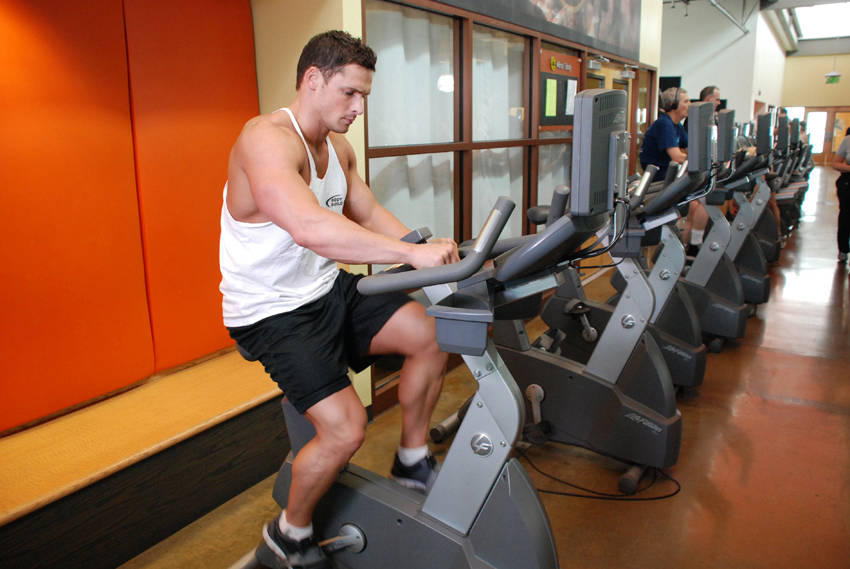
Bicycling, Stationary
Head-to-Head Comparison
| Attribute | Bicycling | Bicycling, Stationary |
|---|---|---|
| Target Muscle |
Quads
|
Quads
|
| Body Part |
Cardio
|
Cardio
|
| Equipment |
Other
|
Machine
|
| Difficulty |
Intermediate
|
Intermediate
|
| Movement Type |
Compound
|
Compound
|
| Secondary Muscles |
3
|
3
|
Secondary Muscles Activated
Bicycling
Bicycling, Stationary
Visual Comparison
Overview
Bicycling vs Bicycling, Stationary — you might think they’re the same, but subtle differences change how your quads, glutes, hamstrings, and calves work. I’ll break down muscle activation, equipment needs, learning curve, injury risks, and when to pick one over the other for muscle growth, strength, or endurance. You’ll get clear technique cues (cadence, saddle height, pedal stroke), actionable progress options (intervals, resistance targets), and biomechanical notes on force vectors and length-tension so you can choose the version that matches your goals.
Key Differences
- Equipment differs: Bicycling uses Other, while Bicycling, Stationary requires Machine.
Pros & Cons
Bicycling
+ Pros
- Variable terrain produces natural high-torque intervals that recruit glutes and hamstrings more
- Improves balance, bike handling, and real-world power transfer
- Outdoor riding offers mental health benefits from scenery and fresh air
- No specialized gym membership required if you own a bike
− Cons
- Higher accident and environmental risk (traffic, weather)
- Less consistent resistance control for precise training
- Requires more equipment maintenance and storage
Bicycling, Stationary
+ Pros
- Precise resistance and power control for progressive overload
- Year-round, weather-proof training that’s easy to quantify
- Lower immediate safety risk compared to road cycling
- Easier to program intervals and monitor cadence/watts
− Cons
- Less real-world handling skill and variable torque stimulus
- Can feel monotonous and lacks outdoor stimulus
- Some machines have limited maximum resistance for heavy force work
When Each Exercise Wins
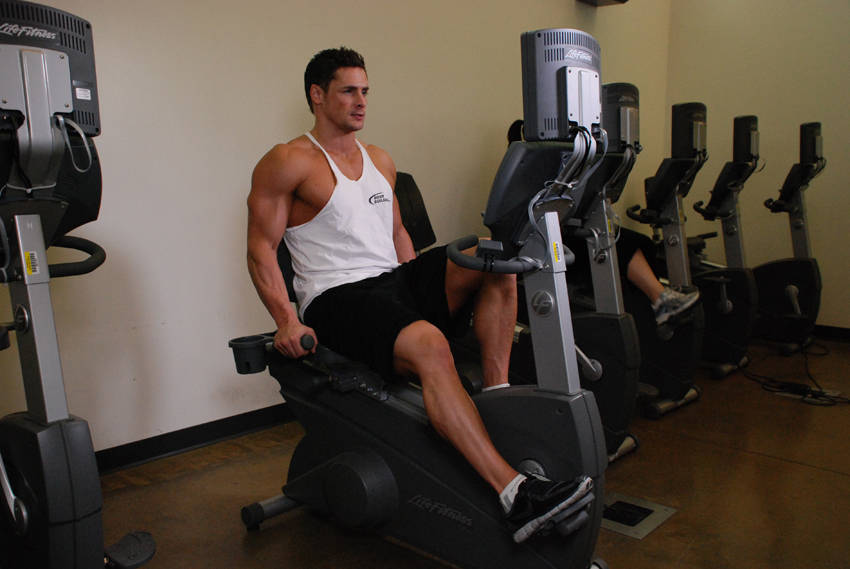
Stationary bikes let you target time under tension and exact resistance (set watts or high gear) to drive quad hypertrophy with 20–40 minute interval sessions or longer steady-state work at moderate intensity. Consistent load and the ability to progressively increase resistance make it better for planned muscle growth.
When you need measurable overload, a stationary bike with heavy resistance or "low-cadence high-resistance" intervals (40–60 rpm with high torque) gives repeatable loading to improve force production. Outdoor sprints help power but are less controllable for systematic strength progression.
Beginners benefit from the stable platform, adjustable resistance, and feedback a stationary bike provides, which reduces cognitive load so you can focus on cadence (70–90 rpm), pedal stroke, and breathing without worrying about traffic or balance.
A stationary bike is the clear pick at home because it’s compact, safe, and usable regardless of weather. Smart bikes also let you follow structured workouts and hit precise power targets from your living room.
Frequently Asked Questions
Can I do both Bicycling and Bicycling, Stationary in the same workout?
Yes. Start with stationary intervals to target controlled threshold or strength work, then finish with a short outdoor ride or easy spin to practice cadence and handling. Alternating modalities in a session can balance precise overload with real-world torque exposure without excessive fatigue.
Which exercise is better for beginners?
Bicycling, Stationary is better for beginners because it removes balance and traffic variables and lets you focus on cadence (70–90 rpm), pedal technique, and gradual resistance increases. It also provides clear metrics to monitor progress.
How do the muscle activation patterns differ?
Both use the quad-dominant push phase (12–4 o'clock) and hamstring recovery phase (6–9 o'clock), but outdoor riding—especially standing climbs and sprints—creates larger hip extension moments that increase glute and hamstring activation. Stationary cycling produces more consistent, repeatable EMG patterns when cadence and resistance are constant.
Can Bicycling, Stationary replace Bicycling?
For structured training, yes: stationary cycling can replace outdoor riding for most strength and hypertrophy goals because it offers precise load control. If you need bike-handling skills, terrain-specific conditioning, or varied torque from real roads, keep some outdoor rides in your plan.
Expert Verdict
Choose stationary bicycling when you need precision: progressive overload, controlled intervals, and safety make it the best option for planned muscle growth, strength-oriented protocols, and consistent home training. Pick outdoor bicycling when you want varied torque, greater glute and hamstring recruitment during climbs and sprints, and the added skill and aerobic stimulus that comes from real-world riding. If your goal is measurable quad hypertrophy or repeatable threshold work, use stationary sessions 2–4 times per week with progressive resistance; add outdoor rides for variety, technical skill, and high-intensity power bursts.
Also Compare
More comparisons with Bicycling

Compare More Exercises
Use our free comparison tool to analyze any two exercises head-to-head.
Compare Exercises