

Bicycling vs Jogging, Treadmill: Complete Comparison Guide
Bicycling vs Jogging, Treadmill — which one should you pick for quad development, conditioning, and long-term progress? You’ll get a clear, practical breakdown comparing muscle activation, equipment needs, learning curve, injury risk, and progression options. I’ll show how each movement loads the quadriceps differently using biomechanics (knee angles, force vectors, impact forces), give technique cues you can use today, and recommend which to use for hypertrophy, strength work, beginners, and home training. Read on to decide which fits your goals and schedule.
Exercise Comparison
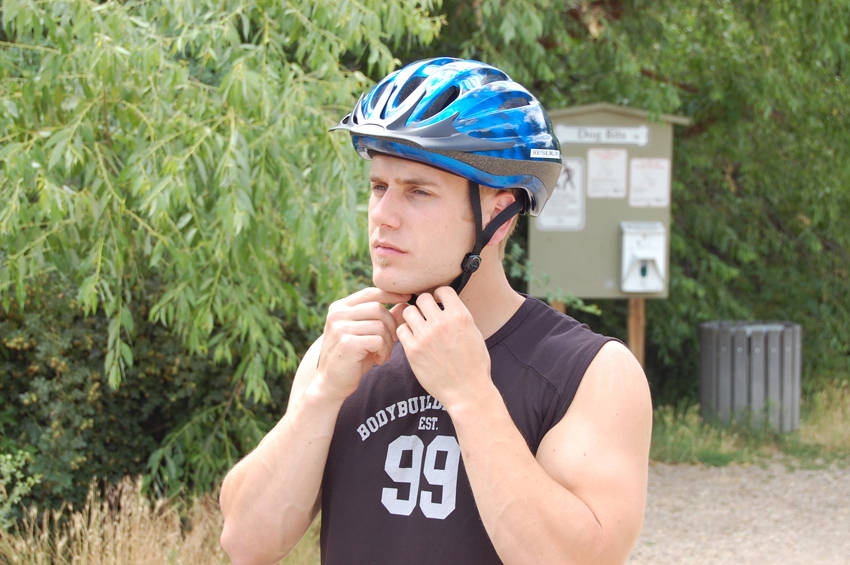
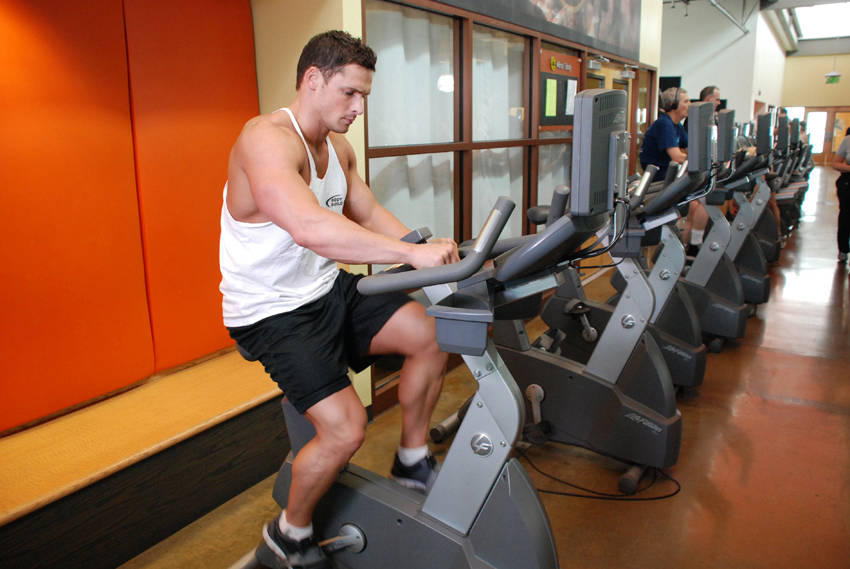
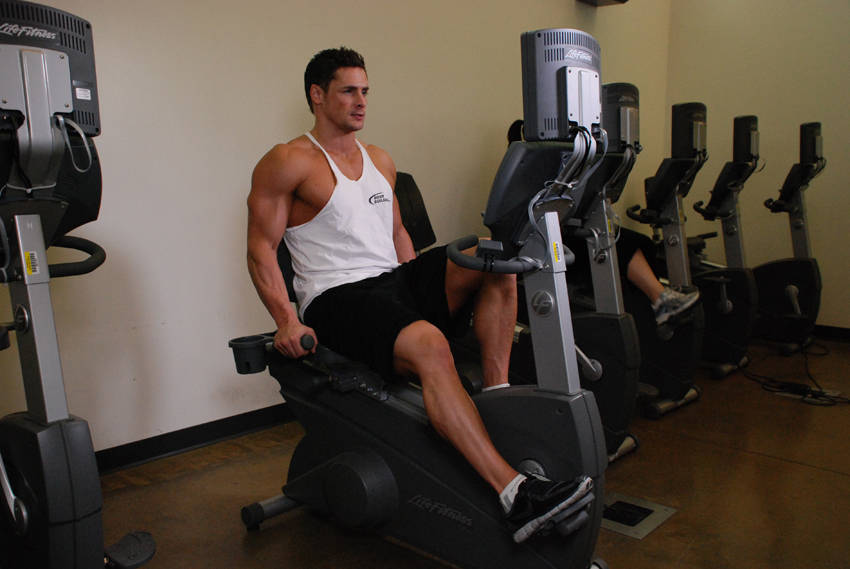
Bicycling
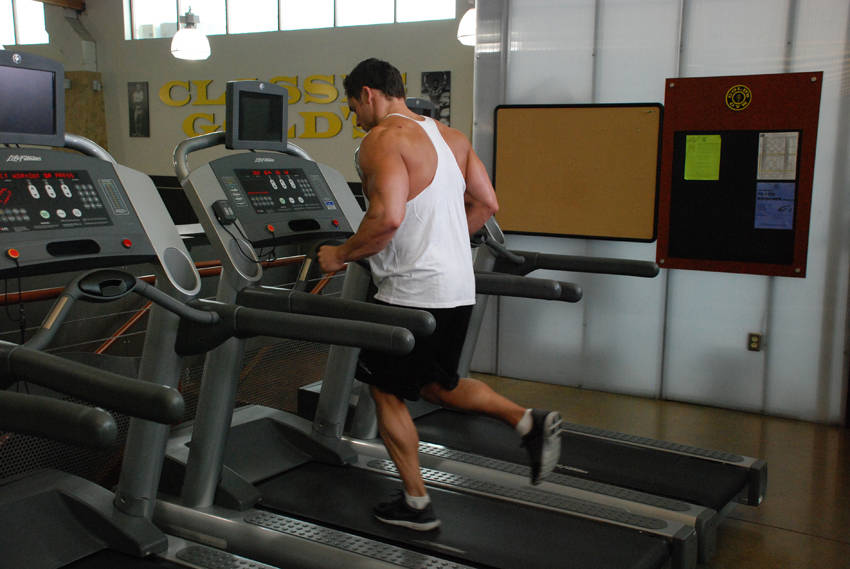
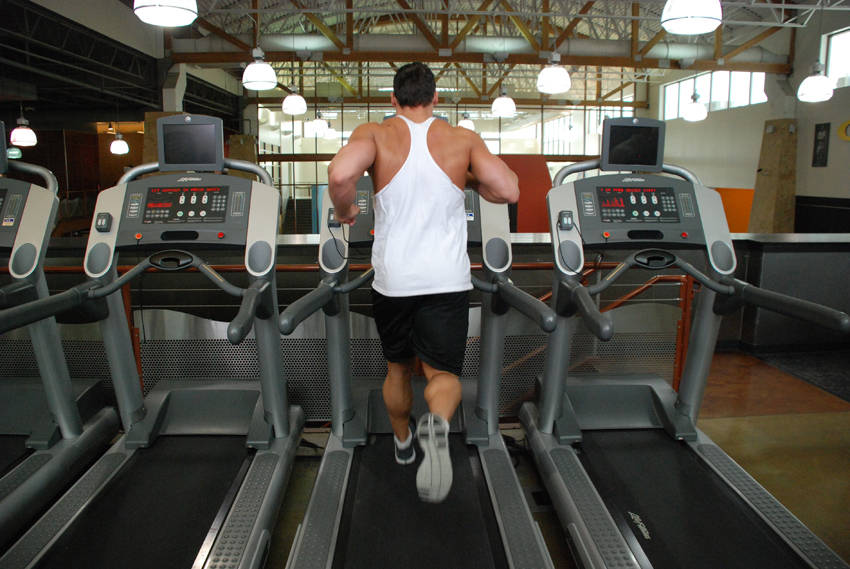
Jogging, Treadmill
Head-to-Head Comparison
| Attribute | Bicycling | Jogging, Treadmill |
|---|---|---|
| Target Muscle |
Quads
|
Quads
|
| Body Part |
Cardio
|
Cardio
|
| Equipment |
Other
|
Machine
|
| Difficulty |
Intermediate
|
Beginner
|
| Movement Type |
Compound
|
Compound
|
| Secondary Muscles |
3
|
2
|
Secondary Muscles Activated
Bicycling
Jogging, Treadmill
Visual Comparison
Overview
Bicycling vs Jogging, Treadmill — which one should you pick for quad development, conditioning, and long-term progress? You’ll get a clear, practical breakdown comparing muscle activation, equipment needs, learning curve, injury risk, and progression options. I’ll show how each movement loads the quadriceps differently using biomechanics (knee angles, force vectors, impact forces), give technique cues you can use today, and recommend which to use for hypertrophy, strength work, beginners, and home training. Read on to decide which fits your goals and schedule.
Key Differences
- Equipment differs: Bicycling uses Other, while Jogging, Treadmill requires Machine.
- Difficulty levels differ: Bicycling is intermediate, while Jogging, Treadmill is beginner.
Pros & Cons
Bicycling
+ Pros
- High control over resistance and cadence for progressive overload
- Lower impact on joints — suitable for high-volume training
- Efficient, sustained quad concentric work that favors hypertrophy with resistance
- Indoor and outdoor options plus power/cadence metrics for tracking
− Cons
- Requires a correctly sized bike or trainer setup and occasional maintenance
- Less eccentric loading compared to running, limiting some strength adaptations
- Technical skill needed for outdoor riding (balance, traffic awareness)
Jogging, Treadmill
+ Pros
- Very simple to start; minimal technical instruction required
- Strong eccentric and impact stimulus that can improve tendon resilience
- Widely available in gyms and easy to replicate workouts
- Effective for calorie burn and bone-loading stimulus
− Cons
- Higher repetitive impact increases risk of overuse injuries
- Harder to quantify workload precisely without additional devices
- Overstriding or poor form increases joint stress and reduces efficiency
When Each Exercise Wins
Bicycling lets you dial in resistance (gears or watts) and sustain high time-under-tension for the quadriceps. Heavy hill repeats or high-resistance intervals produce targeted concentric loading and metabolic stress that supports quad muscle growth when paired with adequate nutrition.
While neither replaces weighted strength training, cycling enables precise progressive overload through resistance and power output. Short, high-resistance intervals (6–20 hard reps equivalent, or 30s–2min sprints at high torque) translate better to measurable force development in the quads.
Treadmill jogging requires minimal setup and balance; you can start with walking and gradually increase speed or incline. The machine’s simple controls and predictable surface lower the learning curve and make consistent sessions easier to stick to.
A compact stationary bike or smart trainer is often easier to fit in a small space and offers low-impact, high-volume options. You can also simulate resistance and track power without the footprint and power needs of a full treadmill.
Frequently Asked Questions
Can I do both Bicycling and Jogging, Treadmill in the same workout?
Yes. Pairing a 20–40 minute bike warm-up at moderate resistance with 10–20 minutes of treadmill intervals lets you get concentric quad work plus eccentric loading. Keep total volume in check and sequence lower-impact bike work before running if you have joint concerns.
Which exercise is better for beginners?
Jogging on a treadmill is generally better for beginners because it's intuitive and requires no bike fit or balance skills. Start with walking and progress speed or incline over weeks to build capacity safely.
How do the muscle activation patterns differ?
Bicycling produces repeated concentric-dominant quad contractions driven by crank torque with minimal eccentric stress, whereas treadmill jogging alternates eccentric loading at footstrike with concentric push-off, producing larger length changes, tendon loading, and transient ground reaction forces (~2–3× bodyweight).
Can Jogging, Treadmill replace Bicycling?
Jogging can replace bicycling for general conditioning but not perfectly for targeted quad hypertrophy or controlled power development. If your goal is progressive quad overload with low impact, bicycling is the better standalone choice.
Expert Verdict
Use bicycling when your priority is controlled quad overload, low-impact volume, and measurable progression—set saddle height so knee angle at the bottom pedal stroke is about 25°–35° and program high-resistance intervals (30s–2min) for strength-style work. Choose treadmill jogging if you want simple, time-efficient conditioning with an eccentric stimulus that builds durability and bone loading; aim for a cadence of 150–170 steps per minute and avoid overstriding by landing under your hips. For pure quad hypertrophy and repeatable progressive overload, bicycling wins. For easy access and beginner friendliness, pick the treadmill.
Also Compare
More comparisons with Bicycling
Compare More Exercises
Use our free comparison tool to analyze any two exercises head-to-head.
Compare Exercises