

Bicycling vs Recumbent Bike: Complete Comparison Guide
Bicycling vs Recumbent Bike is a common choice for anyone wanting to build quad strength, improve cardiovascular fitness, or rehab a joint. I’ll walk you through muscle activation, biomechanics, equipment needs, ease of learning, injury risk, and which context each option wins. You’ll get clear, actionable cues—like cadence and knee angle targets—programming ideas (intervals and steady-state), and quick decisions so you can pick the option that fits your goals and limitations.
Exercise Comparison

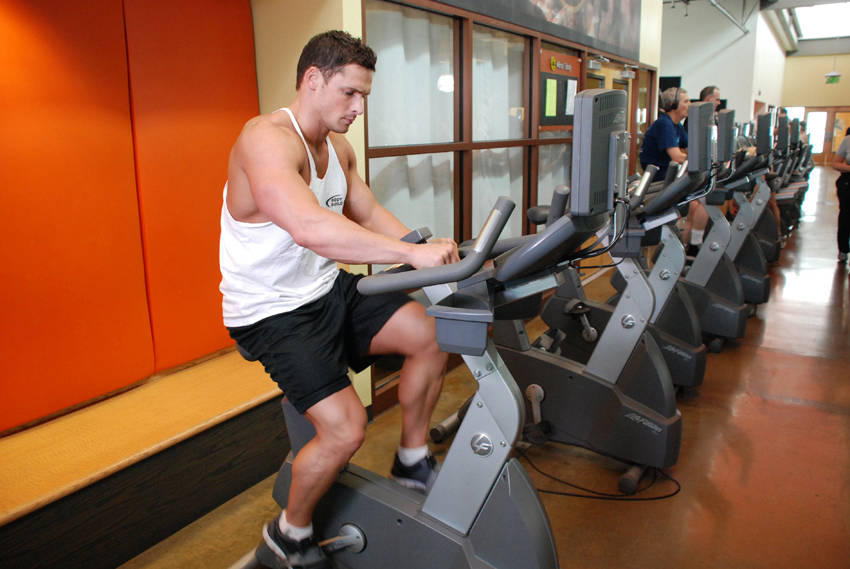
Bicycling
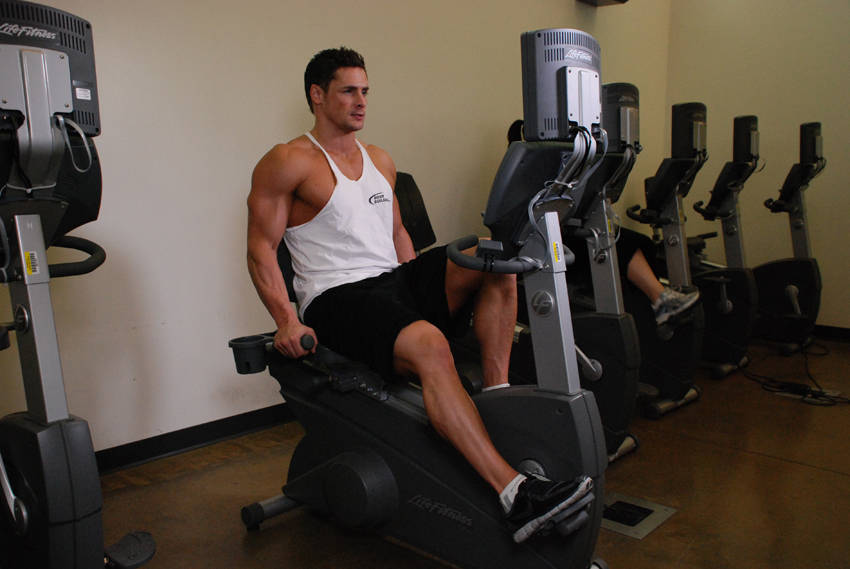
Recumbent Bike
Head-to-Head Comparison
| Attribute | Bicycling | Recumbent Bike |
|---|---|---|
| Target Muscle |
Quads
|
Quads
|
| Body Part |
Cardio
|
Cardio
|
| Equipment |
Other
|
Machine
|
| Difficulty |
Intermediate
|
Beginner
|
| Movement Type |
Compound
|
Compound
|
| Secondary Muscles |
3
|
3
|
Secondary Muscles Activated
Bicycling
Recumbent Bike
Visual Comparison
Overview
Bicycling vs Recumbent Bike is a common choice for anyone wanting to build quad strength, improve cardiovascular fitness, or rehab a joint. I’ll walk you through muscle activation, biomechanics, equipment needs, ease of learning, injury risk, and which context each option wins. You’ll get clear, actionable cues—like cadence and knee angle targets—programming ideas (intervals and steady-state), and quick decisions so you can pick the option that fits your goals and limitations.
Key Differences
- Equipment differs: Bicycling uses Other, while Recumbent Bike requires Machine.
- Difficulty levels differ: Bicycling is intermediate, while Recumbent Bike is beginner.
Pros & Cons
Bicycling
+ Pros
- Higher posterior chain engagement during hard efforts (glutes and hamstrings)
- Greater variety for progression: sprints, climbs, technical skills, outdoor endurance
- Real-world specificity for outdoor cycling and group rides
- Easier to increase power output via standing efforts
− Cons
- Higher skill and balance requirement, plus safety risks outdoors
- More upper-body and lumbar strain if bike fit is poor
- Needs more equipment and maintenance (bike, helmet, tools)
Recumbent Bike
+ Pros
- Lower back support reduces spinal load and discomfort
- Very beginner-friendly with minimal balance demands
- Consistent resistance and often built-in watt/cadence feedback
- Safer for rehab and people with balance or mobility limits
− Cons
- Less posterior chain (glute/hamstring) recruitment in many protocols
- Limited ability to replicate standing sprints or realistic hill mechanics
- Bulkier machine takes space and can be expensive for home use
When Each Exercise Wins
Bicycling can load quads and posterior chain simultaneously through varied cadences and resistance, creating stronger mechanical tension and eccentric control—key drivers of muscle growth. Standing climbs and heavy cadence work increase glute and hamstring recruitment in addition to quad overload.
Upright cycling lets you apply greater peak torques (standing sprints, hill repeats) and higher wattage spikes, producing higher concentric and eccentric loading on the lower limbs. That increased mechanical demand better translates to lower-body strength adaptations.
Recumbent bikes remove balance and reduce spinal loading, so beginners can achieve steady-state or interval work while keeping knee angles and seat position controlled. That makes it easier to accumulate 20–45 minutes at target heart rates with low injury risk.
If you value safety, consistency, and a compact, weather-proof option, a recumbent ergometer is the smarter home choice. It provides measured resistance and stable posture, so you can reliably do 20–60 minute sessions and track watts without leaving home.
Frequently Asked Questions
Can I do both Bicycling and Recumbent Bike in the same workout?
Yes — pairing them is effective. Start with 20–30 minutes on the recumbent for steady-state warm-up, then finish with 15–30 minutes of upright rides or intervals to recruit more glutes and hamstrings and raise peak power.
Which exercise is better for beginners?
Recumbent Bike is better for most beginners because it removes balance demands and supports the lumbar spine, letting you learn cadence and pacing while minimizing fall and overuse risk. Gradually add upright cycling as handling and fitness improve.
How do the muscle activation patterns differ?
Upright cycling creates a longer hip moment arm and greater posterior chain involvement, shifting some force from knee extensors to hip extensors during high-torque efforts. Recumbent cycling shortens the hip extension range, increasing relative knee-extension (quadriceps) emphasis and reducing glute/hamstring torque.
Can Recumbent Bike replace Bicycling?
Recumbent can replace bicycling for general cardio, fat loss, or rehab goals, but it won’t fully replicate standing sprints, bike-handling skills, or outdoor load patterns. If your aim is lower-body strength, muscle growth in the posterior chain, or outdoor cycling performance, keep upright rides in your plan.
Expert Verdict
Choose Bicycling when you want broad progression, posterior chain involvement, and sport specificity—outdoor riding or heavy, standing efforts will give you higher torque, varied force vectors, and better carryover to strength and muscle growth. Pick the Recumbent Bike when you need a low-impact, accessible option for steady-state cardio, rehab, or if balance and back pain limit upright riding. Program both: use recumbent sessions for recovery or controlled intervals (20–45 minutes at moderate intensity) and bicycling for high-intensity intervals, climbs, and longer endurance work to maximize overall progress.
Also Compare
More comparisons with Bicycling
Compare More Exercises
Use our free comparison tool to analyze any two exercises head-to-head.
Compare Exercises