

Bicycling vs Semi Squat Jump (male): Complete Comparison Guide
Bicycling vs Semi Squat Jump (male) — you’re choosing between continuous, low-impact pedaling and an explosive plyo that targets the quads. This guide breaks down how each exercise loads the quadriceps, which secondary muscles light up, equipment needs, injury risk, and which fits specific goals like hypertrophy, power, or home workouts. You’ll get clear technique cues, biomechanical reasons (length-tension, force vectors, RFD), and practical rep/interval ranges so you can pick the better tool for the job or combine both effectively.
Exercise Comparison
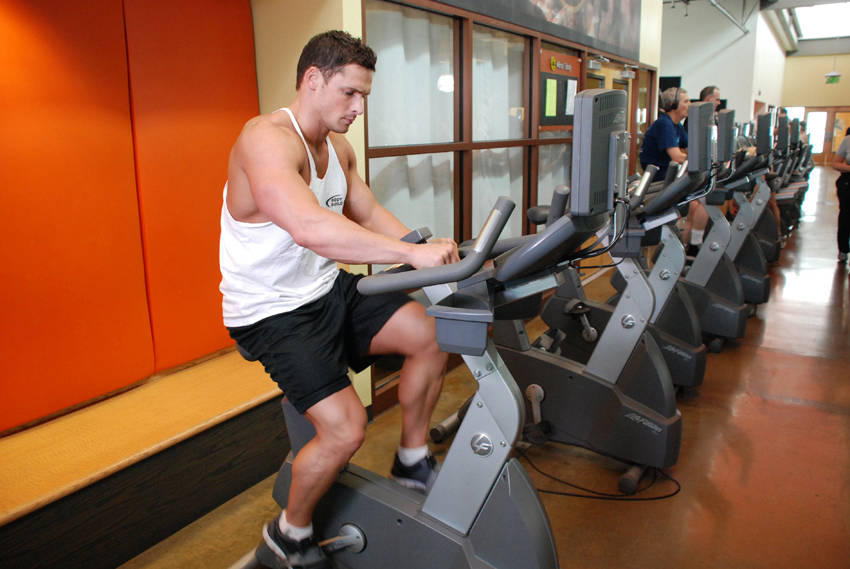
Bicycling
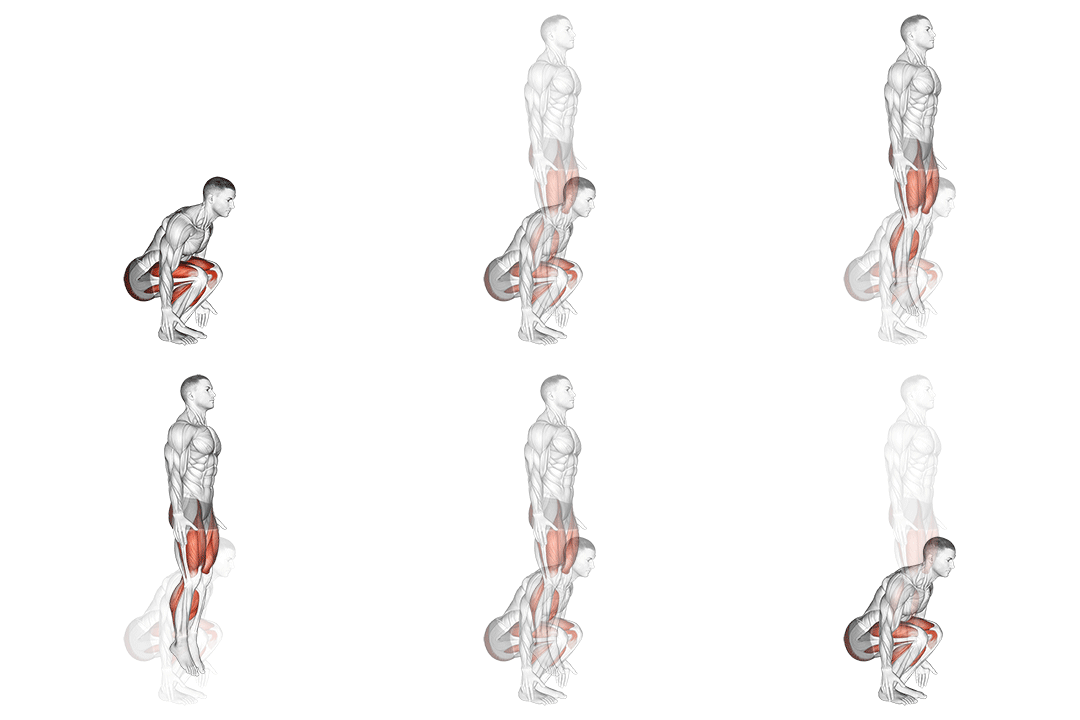
Semi Squat Jump (male)
Head-to-Head Comparison
| Attribute | Bicycling | Semi Squat Jump (male) |
|---|---|---|
| Target Muscle |
Quads
|
Quads
|
| Body Part |
Cardio
|
Cardio
|
| Equipment |
Other
|
Body-weight
|
| Difficulty |
Intermediate
|
Intermediate
|
| Movement Type |
Compound
|
Compound
|
| Secondary Muscles |
3
|
3
|
Secondary Muscles Activated
Bicycling
Semi Squat Jump (male)
Visual Comparison
Overview
Bicycling vs Semi Squat Jump (male) — you’re choosing between continuous, low-impact pedaling and an explosive plyo that targets the quads. This guide breaks down how each exercise loads the quadriceps, which secondary muscles light up, equipment needs, injury risk, and which fits specific goals like hypertrophy, power, or home workouts. You’ll get clear technique cues, biomechanical reasons (length-tension, force vectors, RFD), and practical rep/interval ranges so you can pick the better tool for the job or combine both effectively.
Key Differences
- Equipment differs: Bicycling uses Other, while Semi Squat Jump (male) requires Body-weight.
Pros & Cons
Bicycling
+ Pros
- Low-impact continuous loading that's joint-friendly for steady-state work
- Highly scalable resistance and measurable power output (watts)
- Excellent for quad endurance and time-under-tension hypertrophy (30–90 min or 3–6 x 8–20 min intervals)
- Safer for beginners and people with limited landing tolerance
− Cons
- Less eccentric loading and lower peak power than plyometrics
- Requires a bike or stationary machine and proper fit
- Can produce overuse knee issues if volume or position is poor
Semi Squat Jump (male)
+ Pros
- High rate-of-force-development builds explosive strength and power
- Strong eccentric and concentric quadriceps stimulus via stretch-shortening cycle
- No equipment required — ideal for quick plyo sessions
- Easy to progress for power (increase height, add single-leg drills, or vest)
− Cons
- Higher impact — greater injury risk with poor technique
- Less volume-friendly for hypertrophy compared to cycling
- Progression increments can be abrupt unless carefully programmed
When Each Exercise Wins
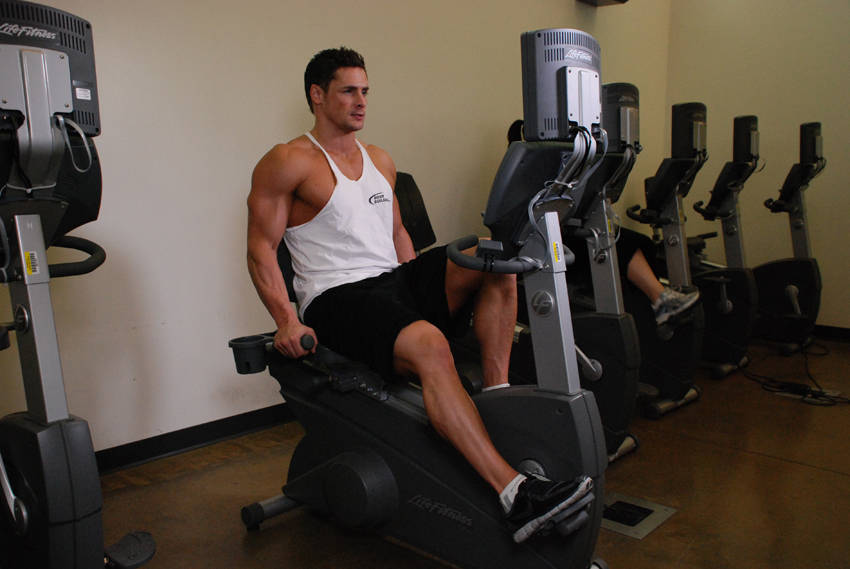
Bicycling lets you accumulate time under tension and controlled resistance (e.g., 3–6 sets of 8–20 min intervals or 30–60 min steady rides), which creates metabolic stress and mechanical work that favor quad hypertrophy more reliably than short explosive sets of jumps.
If your goal is explosive strength and rate of force development, semi squat jumps produce higher peak forces and RFD through the stretch-shortening cycle. For maximal strength (1–5RM), you'll still need loaded squats, but jumps best transfer to power.
Bicycling (especially on a stationary bike) offers a guided, lower-impact environment where you can control intensity and learn pacing, making it safer and more approachable for newcomers.
Semi squat jumps require no equipment and minimal space, so you can target quad power and conditioning at home. Use focused sets (6–10 reps x 3–6 sets) and emphasize soft, knee-aligned landings.
Frequently Asked Questions
Can I do both Bicycling and Semi Squat Jump (male) in the same workout?
Yes. Do cycling as your base work (steady-state or intervals) and place jumps later in the session when legs are fresh if you prioritize power, or put jumps first if maximal power is the goal. Keep jumps limited (3–6 sets of 6–10 reps) to avoid compromising landing quality.
Which exercise is better for beginners?
Bicycling is better for most beginners because it’s lower impact and easy to scale intensity. Start with 20–40 minute sessions at moderate resistance and focus on cadence before introducing plyometrics.
How do the muscle activation patterns differ?
Bicycling produces repetitive, concentric-dominant activation with steady quad recruitment across the pedal arc and minimal eccentric stress. Semi Squat Jumps use an eccentric-preload, short amortization, then explosive concentric—this yields higher peak quad and calf activation and much greater RFD.
Can Semi Squat Jump (male) replace Bicycling?
Only partially. If you need power and short, intense conditioning, jumps can substitute some cycling. But for high-volume hypertrophy, endurance, or low-impact conditioning, bicycling remains the superior choice due to controllable resistance and volume.
Expert Verdict
Choose Bicycling when you want scalable, lower-impact quad work, precise progression (watts, resistance, intervals), and higher-volume hypertrophy or endurance sessions. It’s easier to learn and kinder on joints for long sessions. Choose Semi Squat Jump (male) when you need explosive power, improved RFD, and posterior-chain engagement in short, intense sets — aim for half-squat depth (~40–60° knee flexion), quick amortization (<0.2 s), and controlled landings. If you want both, pair them: use cycling for base volume and hypertrophy (30–60 min or structured intervals) and add 2–3 plyometric sessions weekly (3–6 sets of 6–8 jumps) to improve power without excessive fatigue.
Also Compare
More comparisons with Bicycling
Compare More Exercises
Use our free comparison tool to analyze any two exercises head-to-head.
Compare Exercises