

Bodyweight Squatting Row vs Pullups: Complete Comparison Guide
Bodyweight Squatting Row vs Pullups — two staple body-weight back moves with different force vectors and learning curves. If you want clearer direction on which to use for muscle growth, strength, or home training, this guide has your back. You’ll get a muscle-by-muscle comparison, step-by-step technique cues (including torso angles and rep ranges), equipment needs, and decisive recommendations for beginners, lifters chasing hypertrophy, and people training at home. Read on and pick the movement that fits your goals and current capacity.
Exercise Comparison
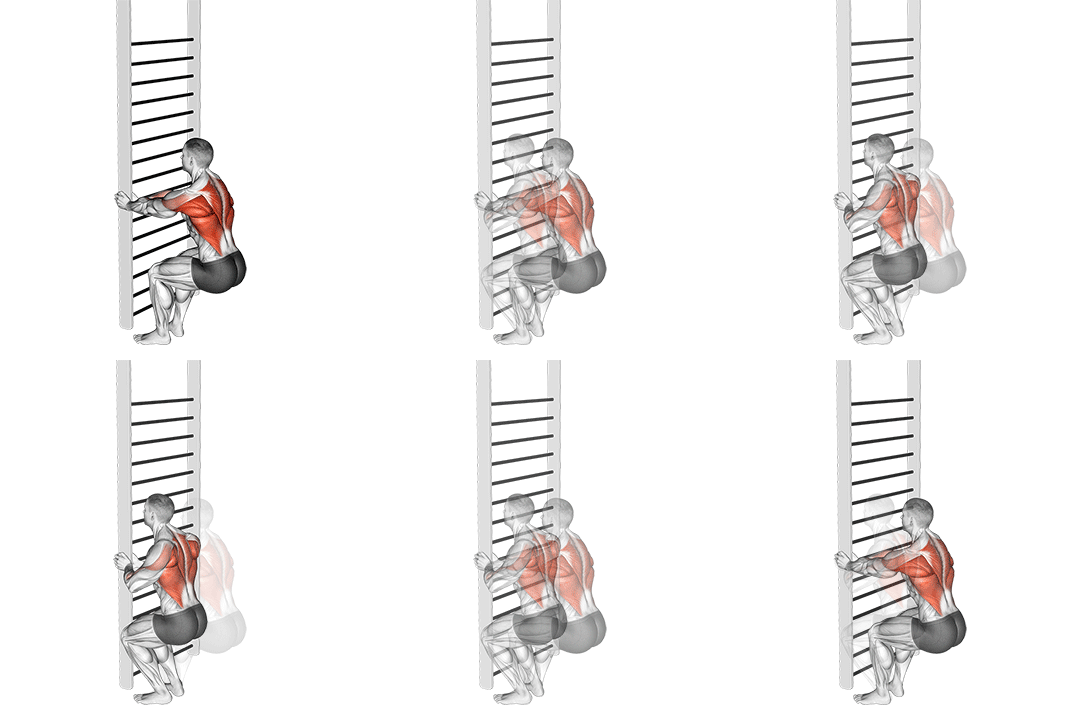
Bodyweight Squatting Row
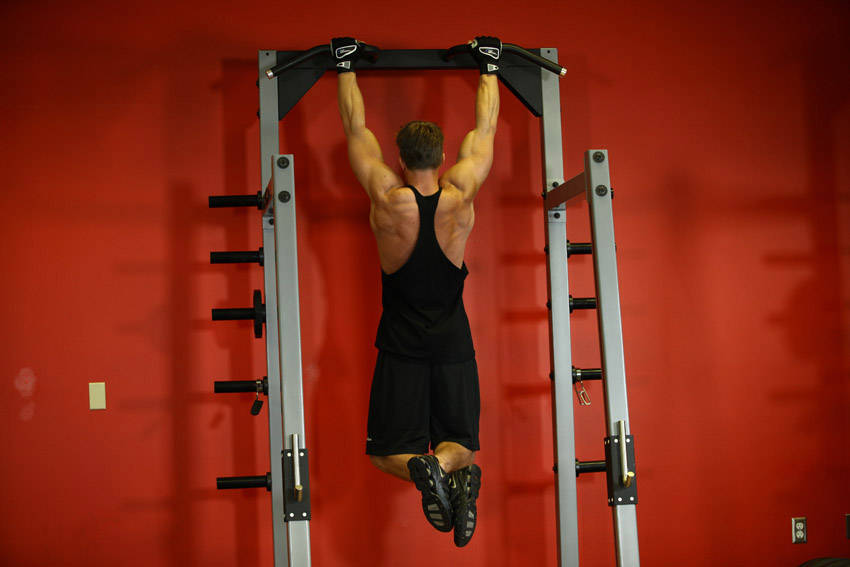
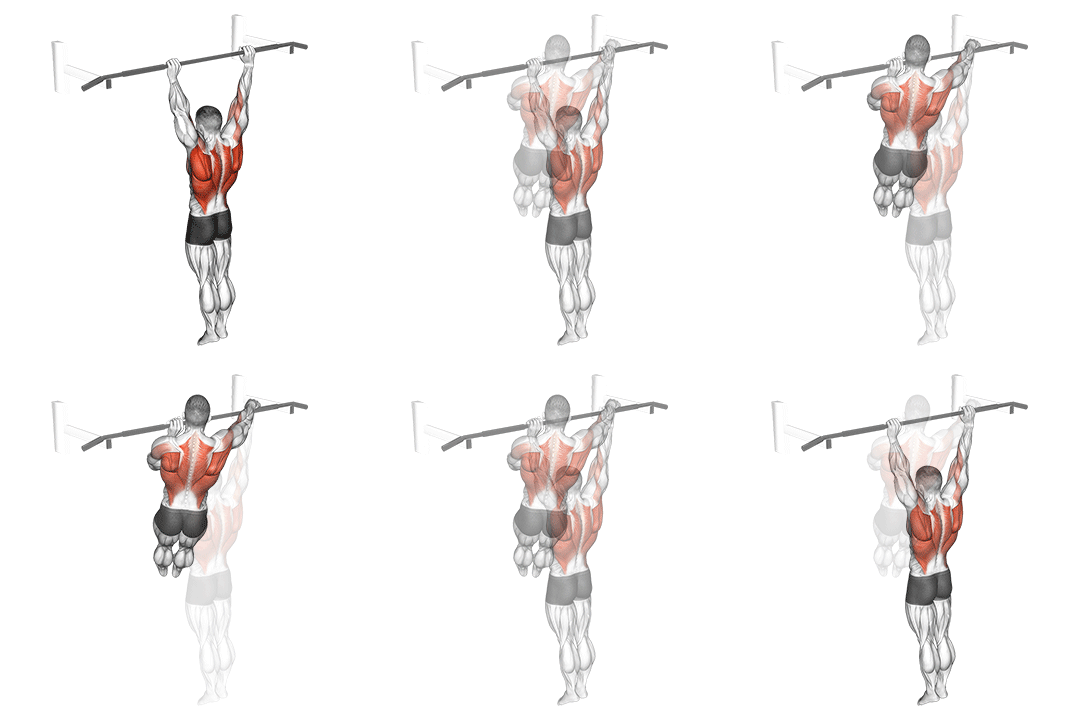
Pullups
Head-to-Head Comparison
| Attribute | Bodyweight Squatting Row | Pullups |
|---|---|---|
| Target Muscle |
Lats
|
Lats
|
| Body Part |
Back
|
Back
|
| Equipment |
Body-weight
|
Body-weight
|
| Difficulty |
Beginner
|
Intermediate
|
| Movement Type |
Compound
|
Compound
|
| Secondary Muscles |
2
|
2
|
Secondary Muscles Activated
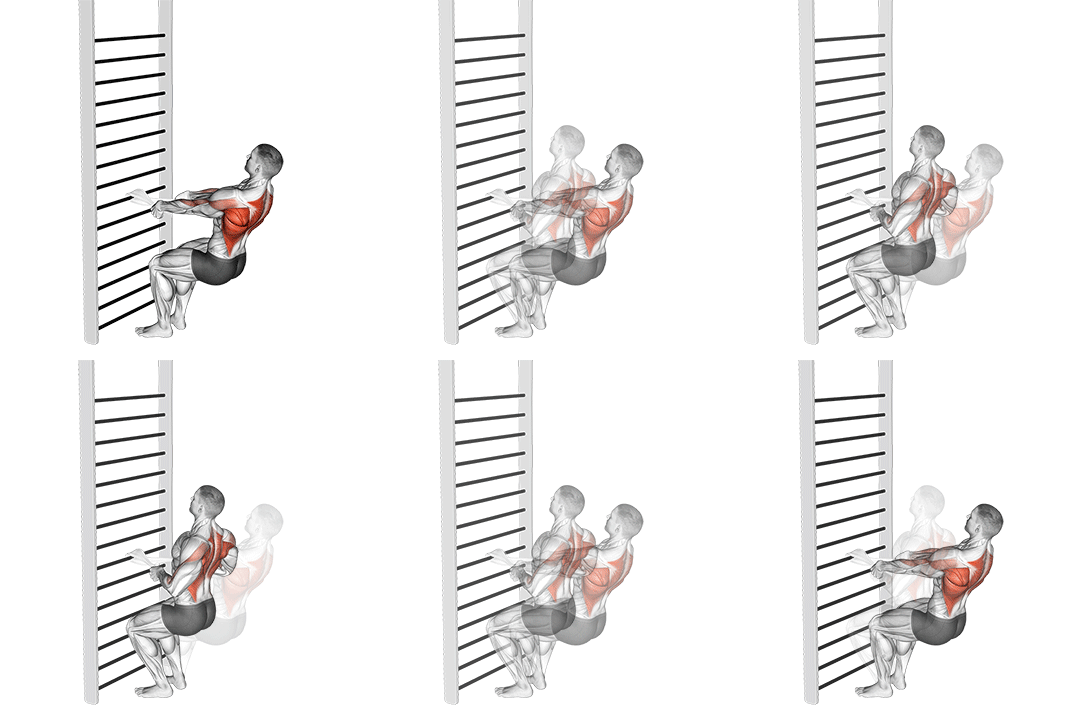
Bodyweight Squatting Row
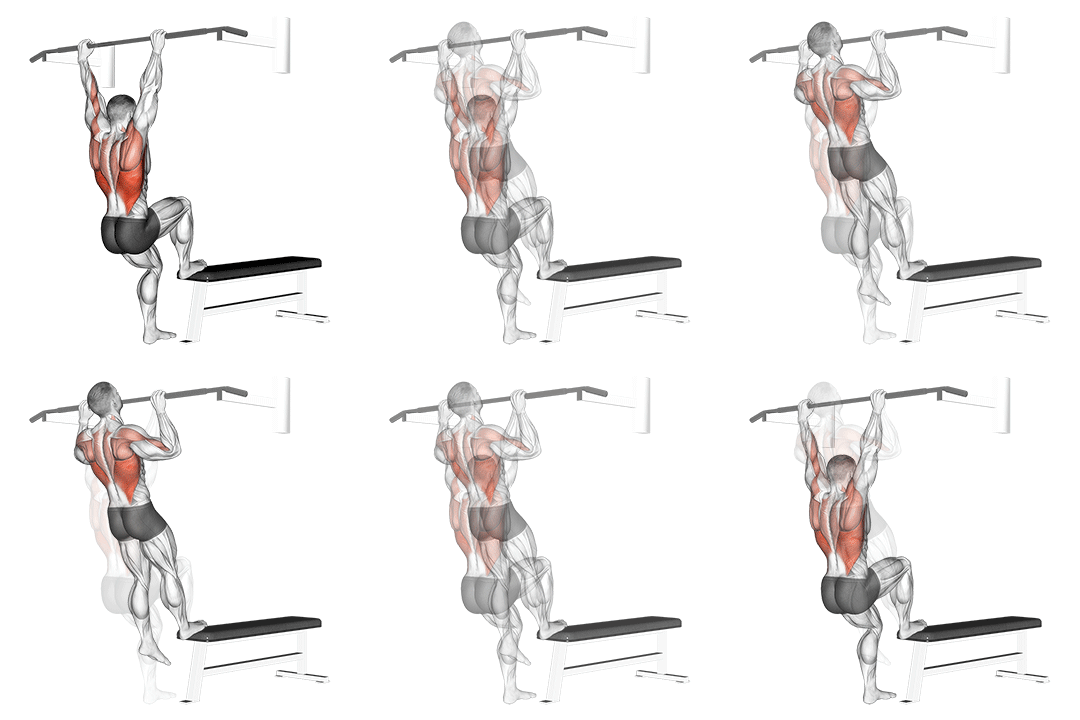
Pullups
Visual Comparison
Overview
Bodyweight Squatting Row vs Pullups — two staple body-weight back moves with different force vectors and learning curves. If you want clearer direction on which to use for muscle growth, strength, or home training, this guide has your back. You’ll get a muscle-by-muscle comparison, step-by-step technique cues (including torso angles and rep ranges), equipment needs, and decisive recommendations for beginners, lifters chasing hypertrophy, and people training at home. Read on and pick the movement that fits your goals and current capacity.
Key Differences
- Difficulty levels differ: Bodyweight Squatting Row is beginner, while Pullups is intermediate.
- Both exercises target the Lats using Body-weight. The main differences are in their movement patterns and muscle activation angles.
Pros & Cons
Bodyweight Squatting Row
+ Pros
- Highly accessible with minimal equipment — can use a table or low bar
- Easier to scale for beginners by changing torso angle
- Maintains constant tension on lats through mid-range
- Lower shoulder impingement risk when performed with proper scapular retraction
− Cons
- Harder to progressively overload with pure body-weight alone
- Less vertical pulling stimulus — may under-develop upper lats compared to pullups
- Requires careful torso/bracing to avoid lower-back rounding
Pullups
+ Pros
- Excellent vertical pull that stretches and loads the lats through full range
- Straightforward progression path (weighted pullups, deficit, varied grips)
- High carryover to many sport-specific pulling tasks
- Strong stimulus for both lats and middle traps when performed with full scapular control
− Cons
- Requires a secure overhead bar or rig, limiting accessibility
- Steeper learning curve for beginners due to scapular and shoulder demands
- Higher risk of shoulder strain if form or mobility is lacking
When Each Exercise Wins
Pullups provide a larger stretch on the long head of the lats and allow easy progressive overload via added weight, making them slightly superior for hypertrophy when you can do 6–12 quality reps and add load. Use slow eccentrics (3–4 seconds) and full range to maximize muscle damage and time under tension.
Pullups allow low-rep heavy loading (3–6 reps) and direct vertical force application, which transfers better to maximal pulling strength. Weighted pullups and paused isometric holds at the top build strength more effectively than horizontal rows with body weight alone.
Squatting rows are easier to teach and scale — you can start nearly upright and progress to a 45–60° torso angle. They build scapular retraction and biceps strength without the overhead mobility and shoulder control pullups demand.
You can set up a safe squatting row using common household items or a low bar, requiring no permanent rig. That makes it the better pick for consistent home training and higher-volume sessions (8–20 reps).
Frequently Asked Questions
Can I do both Bodyweight Squatting Row and Pullups in the same workout?
Yes — pairing them is effective: perform squatting rows earlier for volume (8–15 reps, 2–4 sets) to pre-exhaust the lats, then follow with heavier pullup sets (3–6 reps or weighted sets). Alternate grips and control tempo to manage fatigue and maintain technique.
Which exercise is better for beginners?
Bodyweight squatting row is better for most beginners because you can adjust the torso angle to reduce load and practice scapular retraction. Once you consistently perform 8–12 controlled rows with proper posture, start introducing assisted pullups or negatives.
How do the muscle activation patterns differ?
Pullups produce greater activation at long muscle lengths due to overhead starting position, emphasizing the long head of the lats and middle traps during the top. Squatting rows increase mid-range tension and scapular retraction, favoring mid-back musculature and posterior delts while keeping the lats under steady load.
Can Pullups replace Bodyweight Squatting Row?
Pullups can replace rows for many goals if you have the equipment and shoulder mobility, but they don’t fully replicate the horizontal pull’s mid-back emphasis. For balanced development, keep at least one horizontal pulling variation in your program.
Expert Verdict
If you want a decisive single pick: choose pullups when your goal is long-term strength and maximal lat development, because the vertical pull and easy add-on weight let you train heavy (3–6 reps) and overload progressively. Pick the Bodyweight Squatting Row if you’re a beginner, rehabbing shoulders, or training at home since it’s easier to scale, safer for the shoulder joint, and ideal for higher-volume hypertrophy work (8–15+ reps). For balanced development, combine both: use rows for volume and technique work, and pullups for heavy sets and overload once you have solid scapular control.
Also Compare
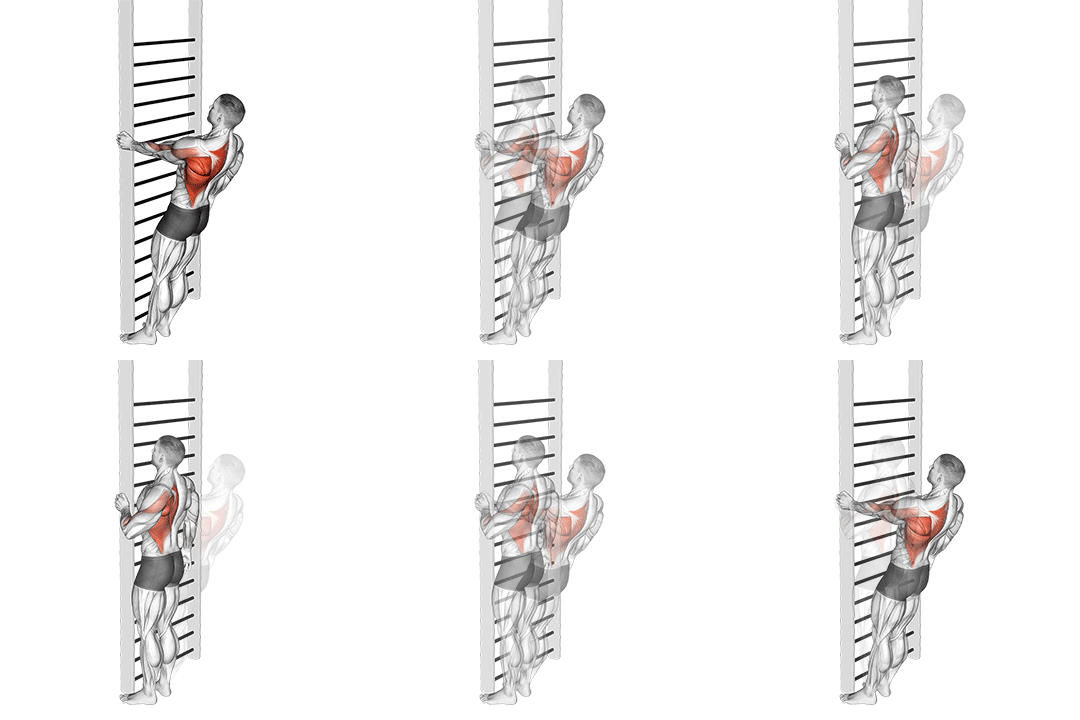
More comparisons with Bodyweight Squatting Row
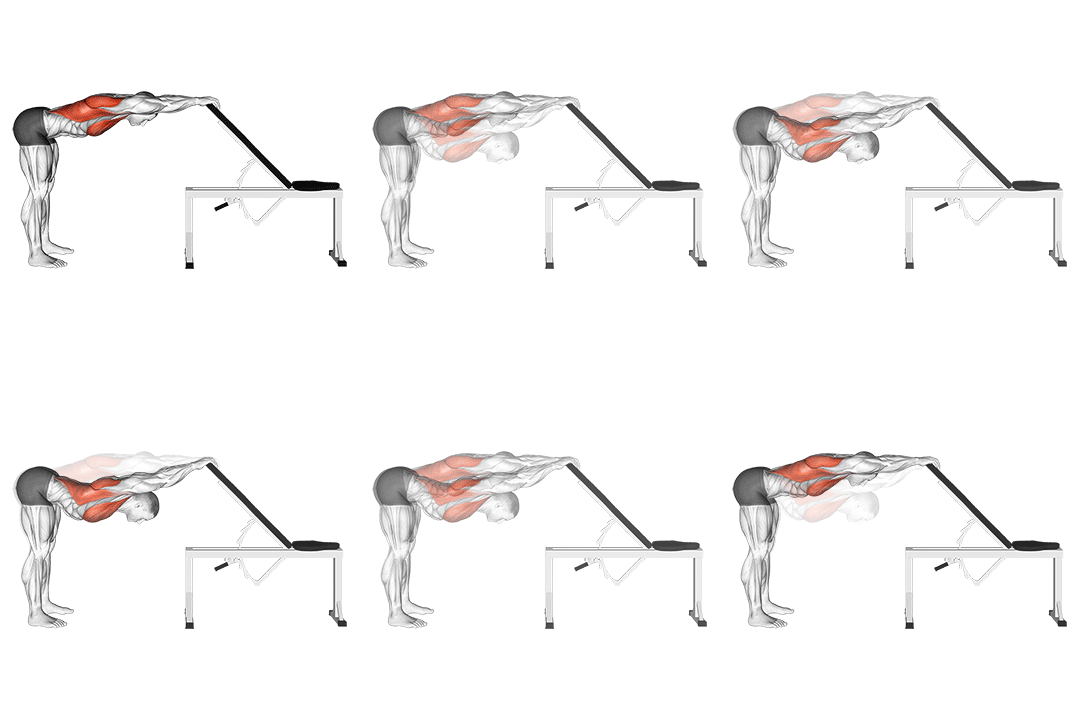
Compare More Exercises
Use our free comparison tool to analyze any two exercises head-to-head.
Compare Exercises