

Bodyweight Standing Close-grip One Arm Row vs Pull-up: Complete Comparison Guide
Bodyweight Standing Close-grip One Arm Row vs Pull-up — two bodyweight back moves that both target the lats but load the shoulder and elbow differently. If you want clear guidance on which to use, this comparison walks you through primary and secondary muscle activation, equipment needs, learning curves, progression options, and injury risk. You’ll get specific technique cues, rep ranges (for strength and hypertrophy), and biomechanical reasons to choose one over the other so you can pick the right exercise for your goals and training environment.
Exercise Comparison
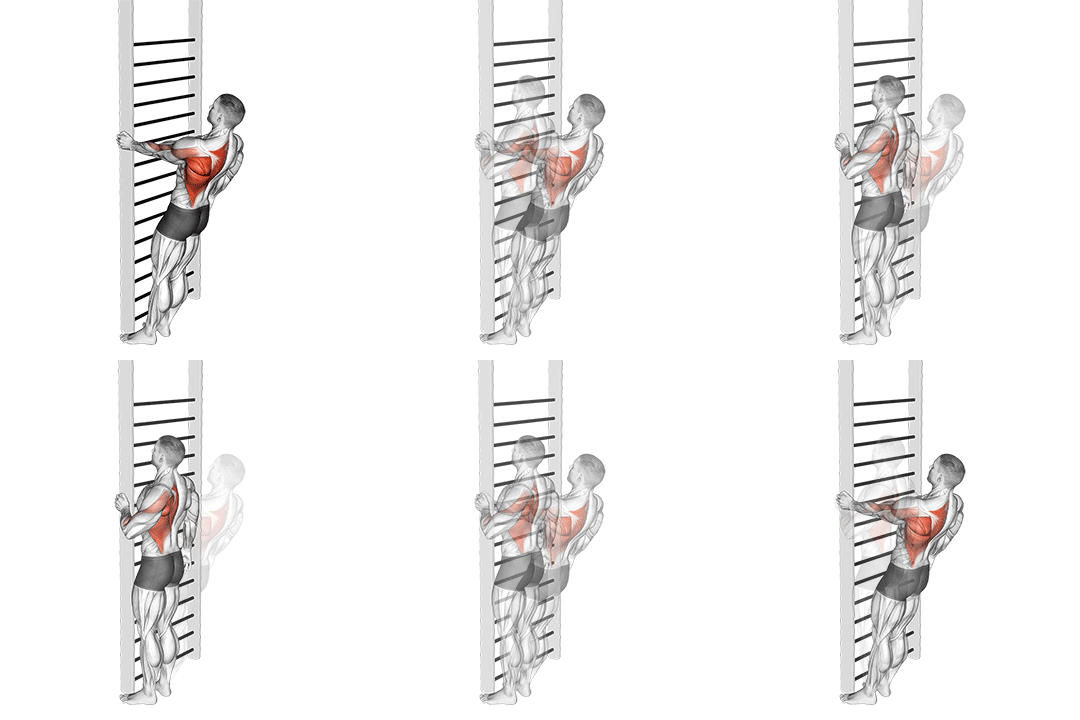
Bodyweight Standing Close-grip One Arm Row
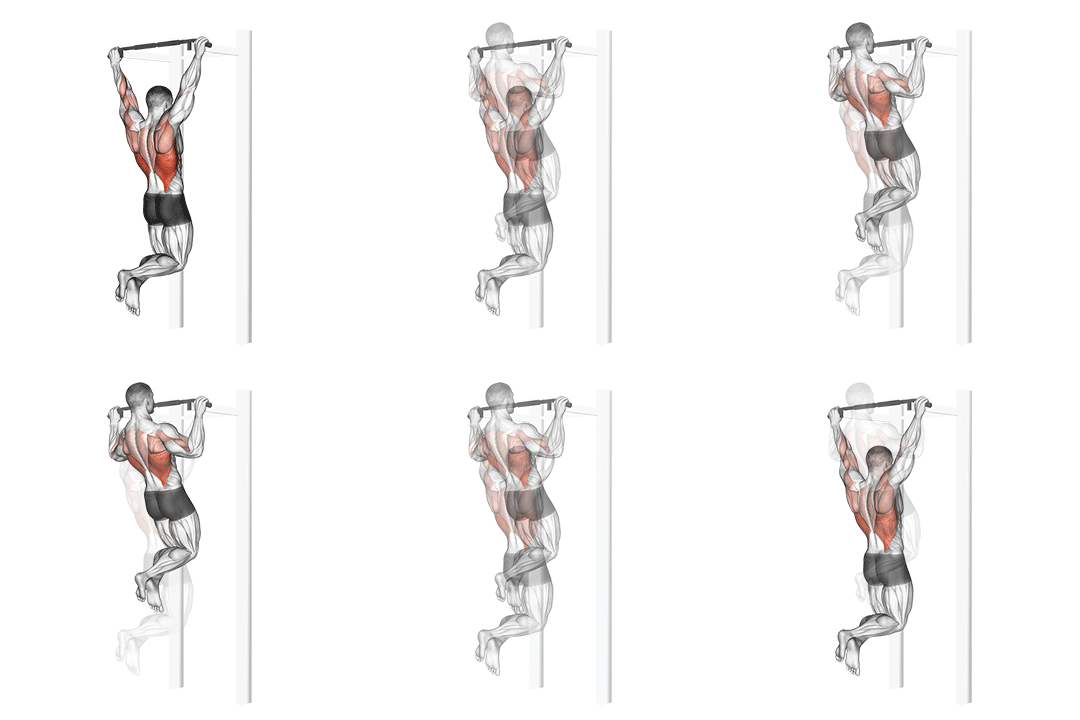
Pull-up
Head-to-Head Comparison
| Attribute | Bodyweight Standing Close-grip One Arm Row | Pull-up |
|---|---|---|
| Target Muscle |
Lats
|
Lats
|
| Body Part |
Back
|
Back
|
| Equipment |
Body-weight
|
Body-weight
|
| Difficulty |
Intermediate
|
Advanced
|
| Movement Type |
Compound
|
Compound
|
| Secondary Muscles |
2
|
2
|
Secondary Muscles Activated
Bodyweight Standing Close-grip One Arm Row
Pull-up
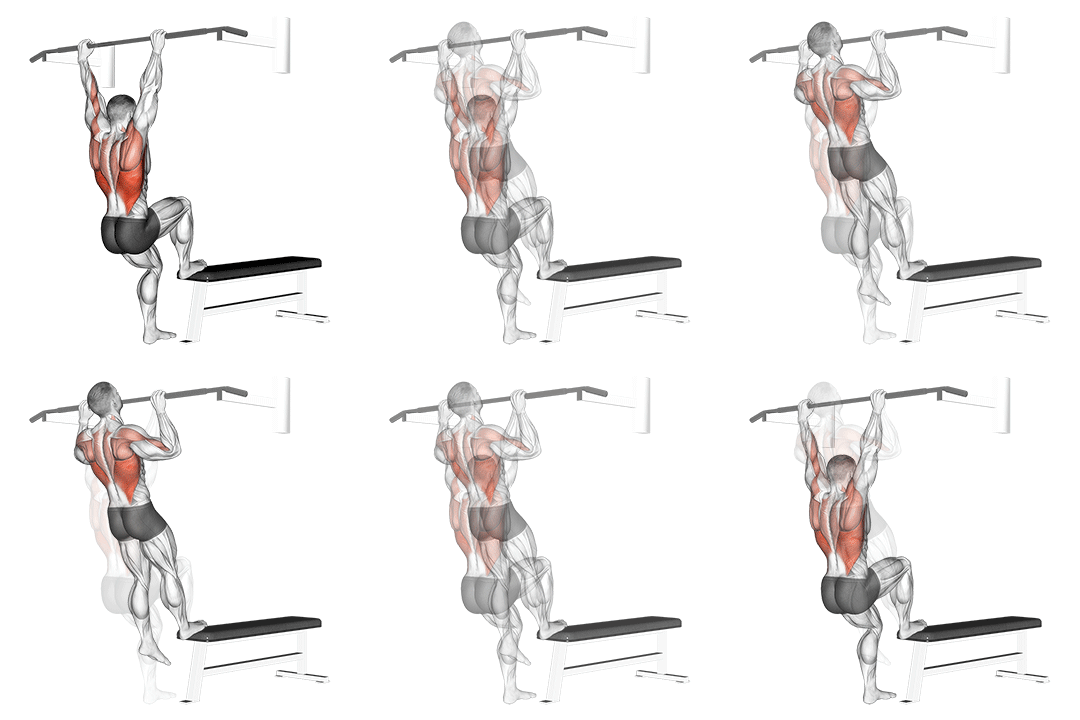
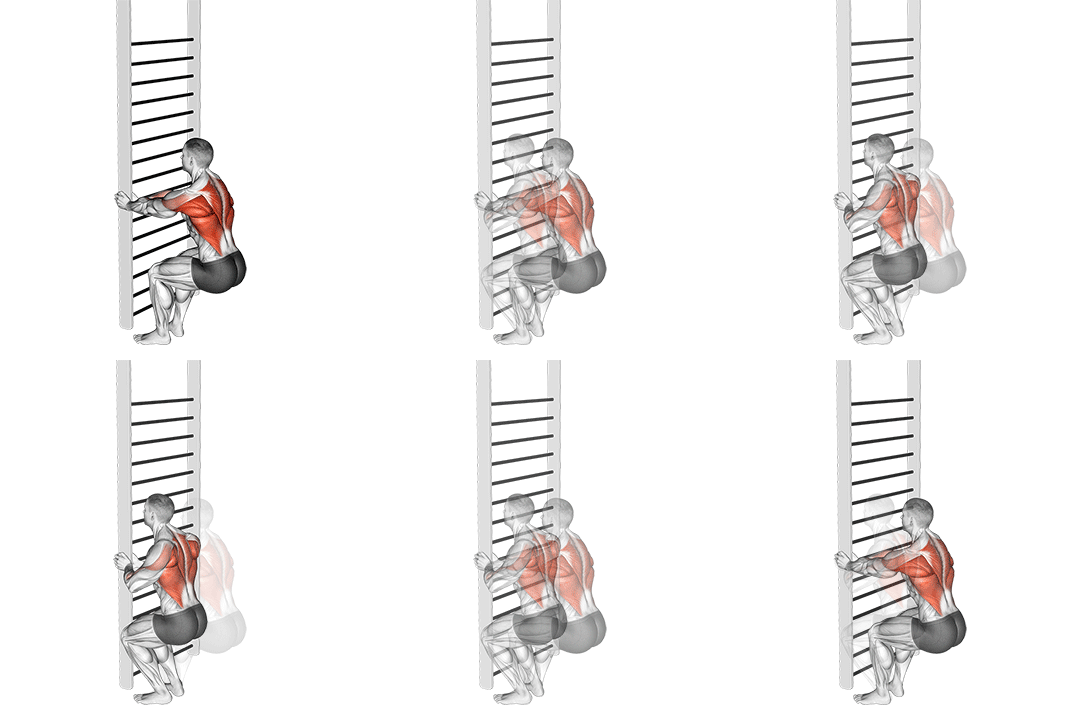
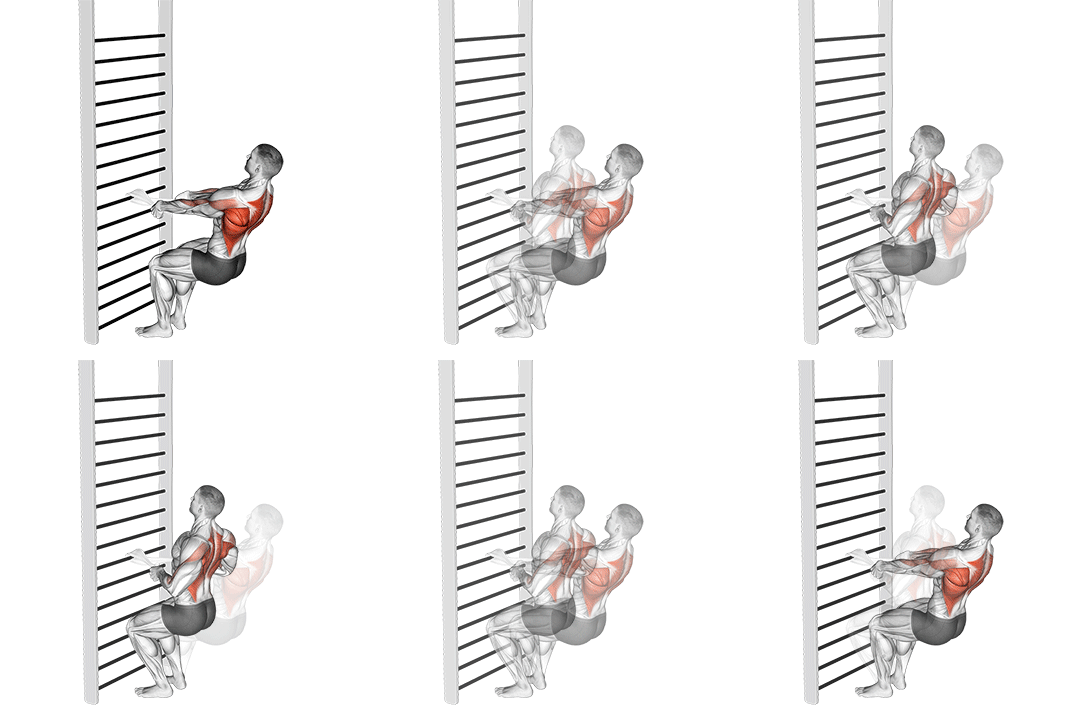
Visual Comparison
Overview
Bodyweight Standing Close-grip One Arm Row vs Pull-up — two bodyweight back moves that both target the lats but load the shoulder and elbow differently. If you want clear guidance on which to use, this comparison walks you through primary and secondary muscle activation, equipment needs, learning curves, progression options, and injury risk. You’ll get specific technique cues, rep ranges (for strength and hypertrophy), and biomechanical reasons to choose one over the other so you can pick the right exercise for your goals and training environment.
Key Differences
- Difficulty levels differ: Bodyweight Standing Close-grip One Arm Row is intermediate, while Pull-up is advanced.
- Both exercises target the Lats using Body-weight. The main differences are in their movement patterns and muscle activation angles.
Pros & Cons
Bodyweight Standing Close-grip One Arm Row
+ Pros
- Easier to scale by changing torso angle and foot position
- Strong unilateral work corrects left-right imbalances
- Lower overhead shoulder stress compared to pull-ups
- Good for controlled eccentrics and tempo-based hypertrophy (3–4s eccentrics)
− Cons
- Harder to apply heavy absolute load compared to weighted pull-ups
- Requires good bracing to protect the lumbar spine
- Less total posterior chain demand than vertical pulling
Pull-up
+ Pros
- Higher maximal loading potential with added weight
- Greater overall lat and upper-back activation when performed with full ROM
- Efficient compound movement for strength and carryover to vertical pulling tasks
- Builds full-body tension and core stability under load
− Cons
- Higher technical demand and longer learning curve
- Increased shoulder/rotator cuff stress if performed poorly
- Requires an overhead anchor, limiting accessibility at home
When Each Exercise Wins
Pull-ups let you progressively overload the lats with added weight and hit the muscle through a long ROM; for hypertrophy aim for 6–12 reps or weighted sets of 3–8 reps with controlled 2–4s eccentrics.
Pull-ups provide the best path to maximal strength because you can add external load and train low-rep heavy sets, increasing maximal force production in the vertical pull vector.
The one-arm row is easier to scale by changing body angle, lets beginners learn scapular retraction and concentric control, and reduces overhead shoulder stress while building pulling mechanics.
It requires only a low bar, rings, or a stable table and can be adjusted to fit limited space, making it a more practical home option than a full-height pull-up bar.
Frequently Asked Questions
Can I do both Bodyweight Standing Close-grip One Arm Row and Pull-up in the same workout?
Yes. Pair them intelligently: use pull-ups as your primary vertical-pull strength exercise (heavy sets) and add the one-arm row as an accessory for unilateral volume and extra eccentric control. Alternate intensity—e.g., heavy pull-ups followed by 3–4 sets of angled rows for 8–12 reps.
Which exercise is better for beginners?
The Bodyweight Standing Close-grip One Arm Row is better for beginners because you can reduce load by standing more upright and focus on scapular retraction and tempo. It builds the foundational pulling pattern before attempting full bodyweight pull-ups.
How do the muscle activation patterns differ?
Pull-ups produce higher peak lat activation through a longer vertical range of motion and require strong scapular depression and shoulder extension. The one-arm row provides steadier mid-range tension with greater unilateral lat and rhomboid emphasis, and more forearm/grip engagement per side.
Can Pull-up replace Bodyweight Standing Close-grip One Arm Row?
Not completely. Pull-ups can replace the vertical overload and build overall lat strength, but they don’t address unilateral imbalances or provide the same horizontal force vector and scapular retraction focus. Use both for balanced development based on your goals.
Expert Verdict
Use pull-ups when your goal is maximal lat overload and long-term strength: add weight, train low reps (3–6) and heavy sets, or use 6–12 rep ranges for hypertrophy. Choose the Bodyweight Standing Close-grip One Arm Row if you need an accessible, unilateral option to fix imbalances, emphasize controlled eccentrics, or reduce overhead shoulder stress. For most trainees, programming both is ideal: prioritize pull-ups for strength-focused cycles and use one-arm rows for accessory work, volume blocks, or as an easier progression for beginners and home setups.
Also Compare
More comparisons with Bodyweight Standing Close-grip One Arm Row
Compare More Exercises
Use our free comparison tool to analyze any two exercises head-to-head.
Compare Exercises