

Bodyweight Standing Close-grip One Arm Row vs Pullups: Complete Comparison Guide
Bodyweight Standing Close-grip One Arm Row vs Pullups — these two bodyweight back moves both target the lats but deliver different loading angles, stability demands, and carryover. If you want clear guidance on which to use for muscle growth, strength, or home training, you’re in the right place. I’ll compare primary and secondary muscle recruitment, biomechanics (force vectors, joint angles, and length-tension), equipment needs, scaling options, and practical technique cues so you can pick the best exercise for your goals and program.
Exercise Comparison
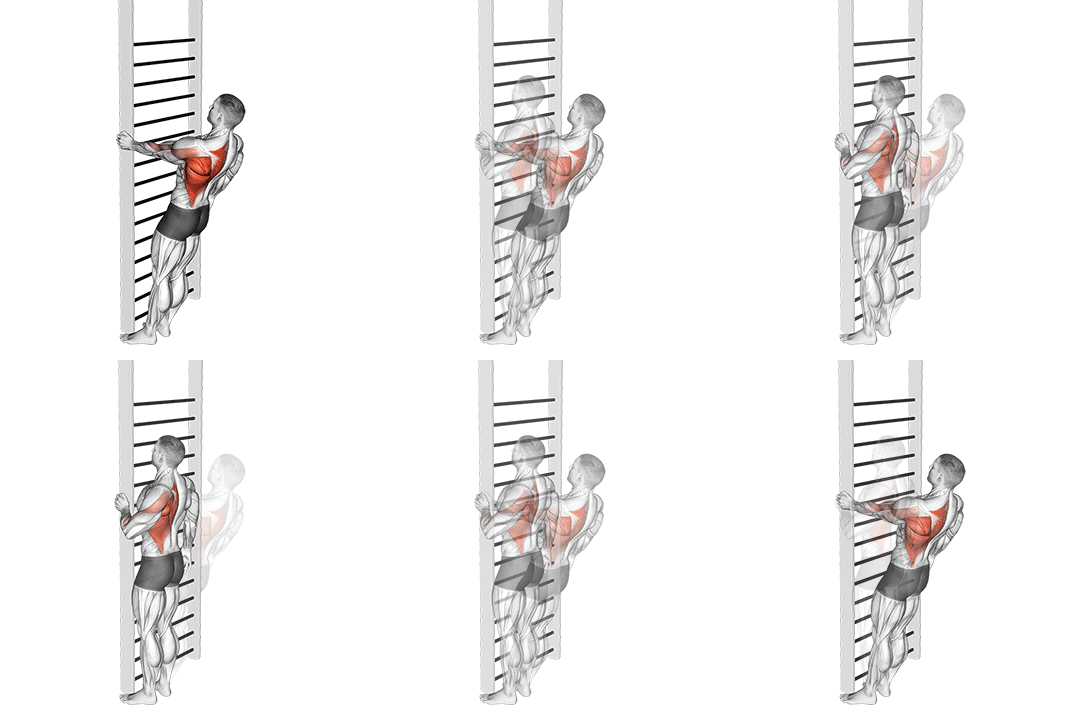
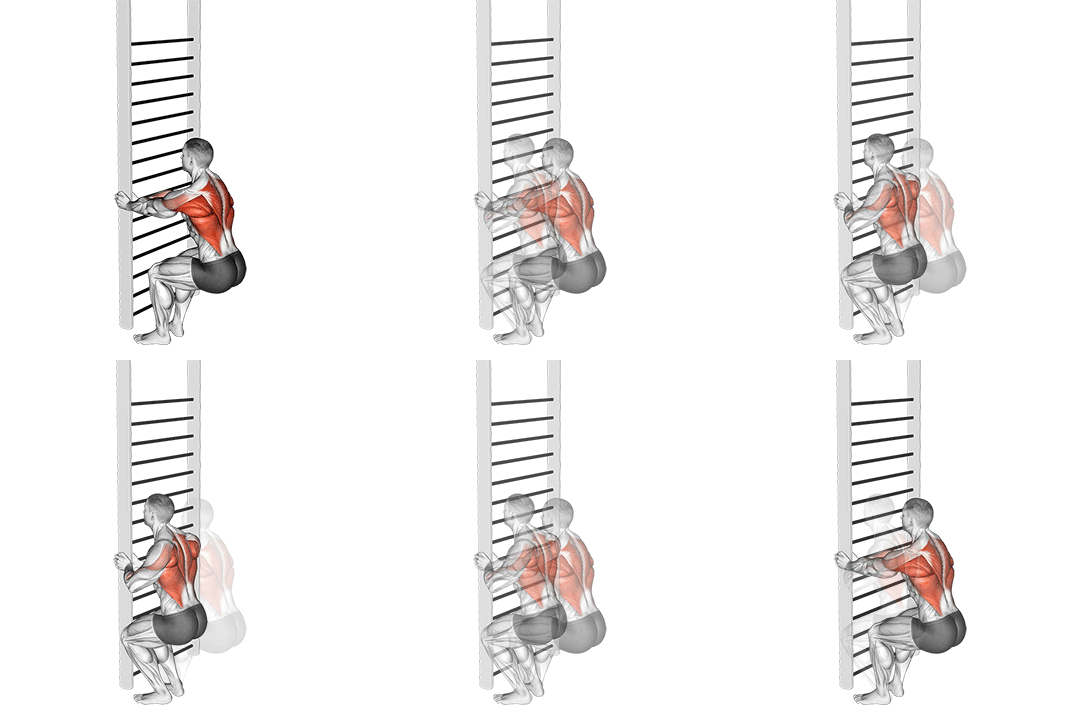
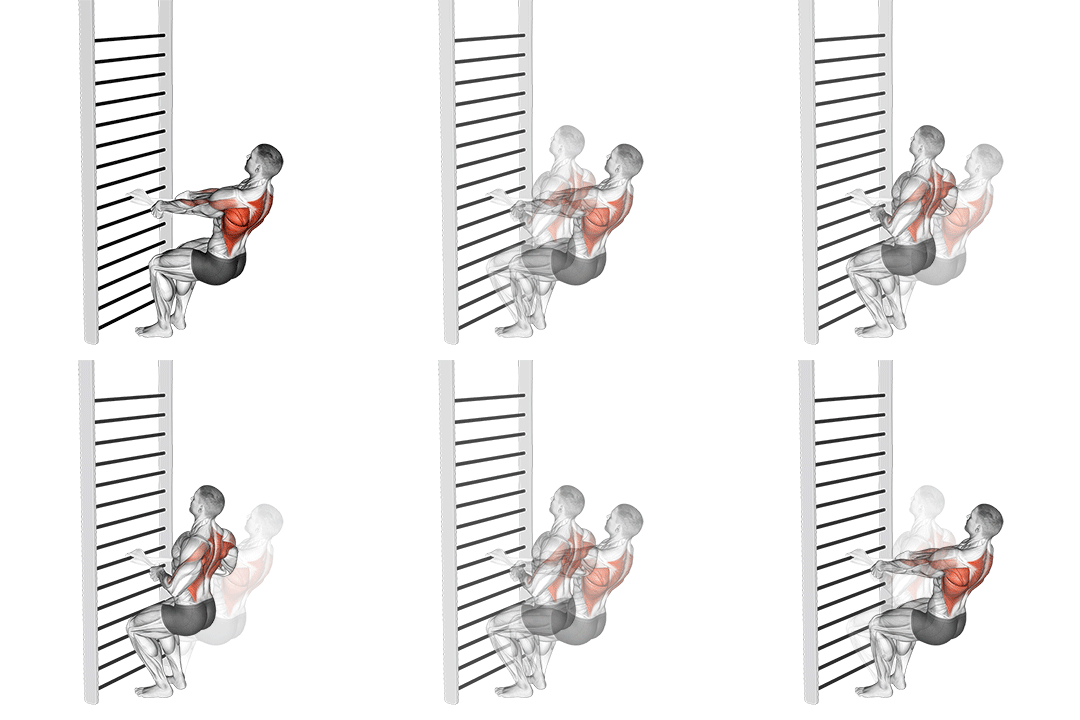
Bodyweight Standing Close-grip One Arm Row
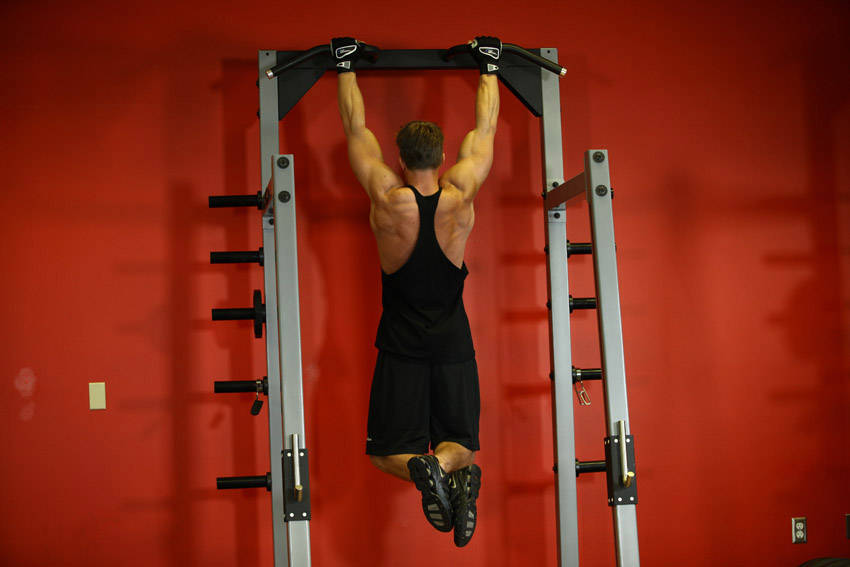
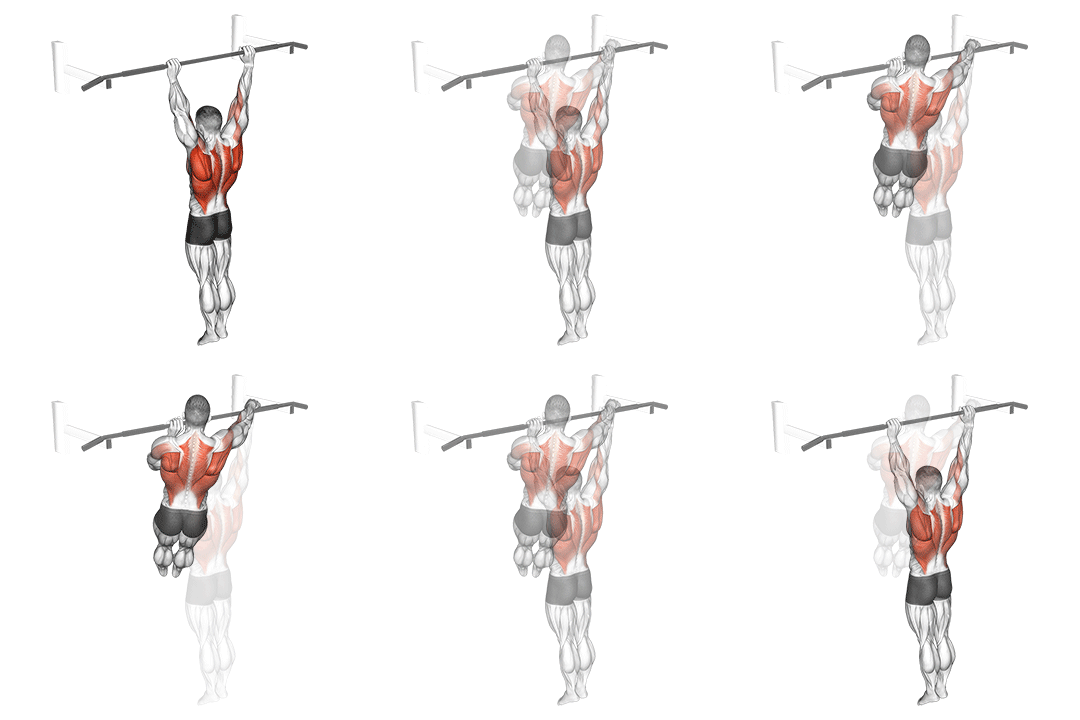
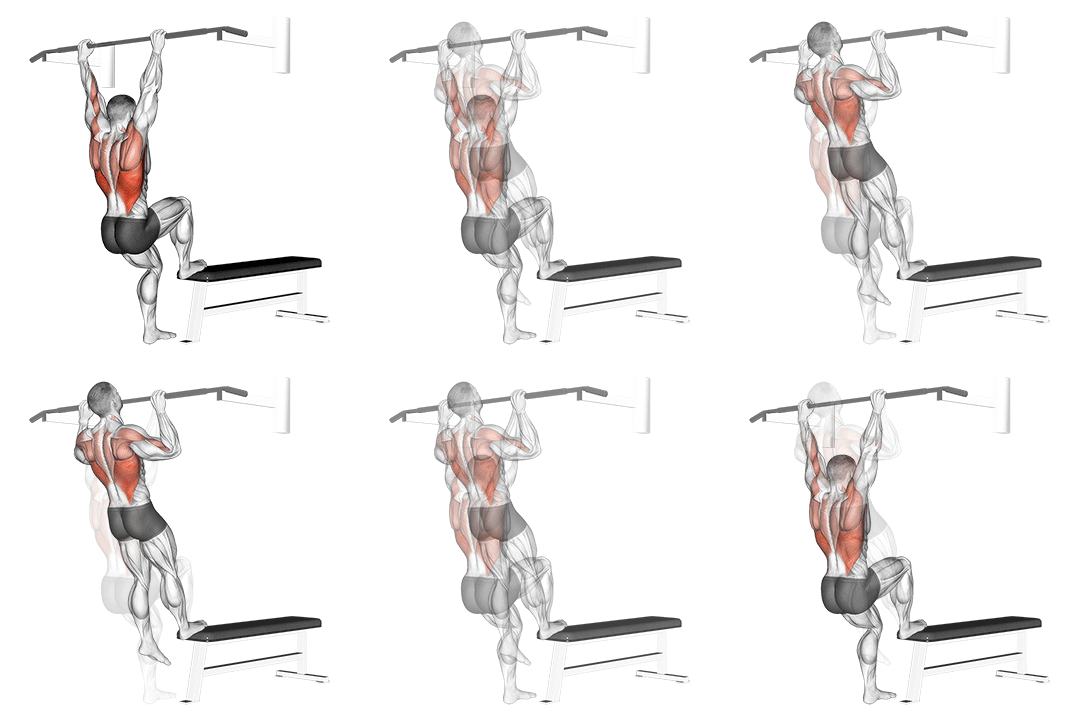
Pullups
Head-to-Head Comparison
| Attribute | Bodyweight Standing Close-grip One Arm Row | Pullups |
|---|---|---|
| Target Muscle |
Lats
|
Lats
|
| Body Part |
Back
|
Back
|
| Equipment |
Body-weight
|
Body-weight
|
| Difficulty |
Intermediate
|
Intermediate
|
| Movement Type |
Compound
|
Compound
|
| Secondary Muscles |
2
|
2
|
Secondary Muscles Activated
Bodyweight Standing Close-grip One Arm Row
Pullups
Visual Comparison
Overview
Bodyweight Standing Close-grip One Arm Row vs Pullups — these two bodyweight back moves both target the lats but deliver different loading angles, stability demands, and carryover. If you want clear guidance on which to use for muscle growth, strength, or home training, you’re in the right place. I’ll compare primary and secondary muscle recruitment, biomechanics (force vectors, joint angles, and length-tension), equipment needs, scaling options, and practical technique cues so you can pick the best exercise for your goals and program.
Key Differences
- Both exercises target the Lats using Body-weight. The main differences are in their movement patterns and muscle activation angles.
Pros & Cons
Bodyweight Standing Close-grip One Arm Row
+ Pros
- Easy to scale by changing body angle and foot position
- Unilateral work corrects side-to-side imbalances and improves anti-rotation core strength
- High biceps and forearm recruitment for stronger grips
- Requires minimal overhead equipment — good for home setups
− Cons
- Limited maximal overload without added external resistance
- Less direct middle-back and scapular depression stimulus than pullups
- Can stress the low back and hips if you lose neutral spine under load
Pullups
+ Pros
- High peak lat activation across a long ROM — excellent for muscle growth
- Easy to progressively overload with added weight or reps
- Stronger carryover to vertical pulling strength and real-world pulling tasks
- Improves scapular depression and thoracic extension when done with good form
− Cons
- Requires a sturdy overhead anchor not always available at home
- Harder to learn and scale for beginners without regressions
- Higher shoulder stress if technique or mobility is poor (especially behind-the-neck variants)
When Each Exercise Wins
Pullups generate higher peak lat loading and allow clear progressive overload (weighted belts, vests) and longer ROM stimulus. Aim for 6–12 reps per set with controlled 2–3s eccentric tempo to maximize time under tension.
Pullups permit heavy loading and low-rep strength sets (3–6 reps) and transfer directly to vertical pulling capacity. You can increase external load while preserving core and scapular mechanics for strength progression.
The close-grip row lets you reduce resistance via body angle and focuses on unilateral control, making it easier to learn scapular retraction and elbow path before attempting a full pullup.
It requires minimal, low-height anchors and is simple to scale by changing foot placement, so you can get high-quality lat work without investing in an overhead pull-up bar.
Frequently Asked Questions
Can I do both Bodyweight Standing Close-grip One Arm Row and Pullups in the same workout?
Yes. Pair them strategically: start with heavy pullups for low-rep strength (3–6 reps) and finish with unilateral rows for volume and unilateral control (8–15 reps). That order preserves maximal pull strength while adding targeted time under tension.
Which exercise is better for beginners?
The close-grip one-arm row is better for most beginners because you can reduce load by standing more upright and practice scapular retraction and elbow path. Progress to assisted pullups and then full pullups as your strength and scapular control improve.
How do the muscle activation patterns differ?
Pullups emphasize a vertical force vector with strong concentric lat peaks near the top and more middle-back and scapular depression activation. The close-grip one-arm row applies a horizontal/diagonal vector with longer continuous tension, increased biceps/forearm engagement, and higher unilateral scapular-stabilizer demand.
Can Pullups replace Bodyweight Standing Close-grip One Arm Row?
Pullups can replace rows for overall lat development if you can vary grip, tempo, and load, but you’ll lose some unilateral control and anti-rotation training. If correcting imbalances or training at home without an overhead bar, keep rows in your program.
Expert Verdict
Choose pullups when you want maximal lat stimulus and straightforward progressive overload for muscle growth or raw pulling strength — they produce larger peak activation across a big range of motion and scale well with added weight. Choose the bodyweight standing close-grip one-arm row when you need accessibility, unilateral correction, or an easier-to-scale option for beginners and home training. For a balanced program, include both: use rows for reps, unilateral control, and hypertrophy-focused tempo (8–15 reps, 2–3s eccentrics), and use pullups for heavy sets (3–6 reps) or higher-intensity hypertrophy work (6–12 reps) once you have the base strength and scapular control.
Also Compare
More comparisons with Bodyweight Standing Close-grip One Arm Row
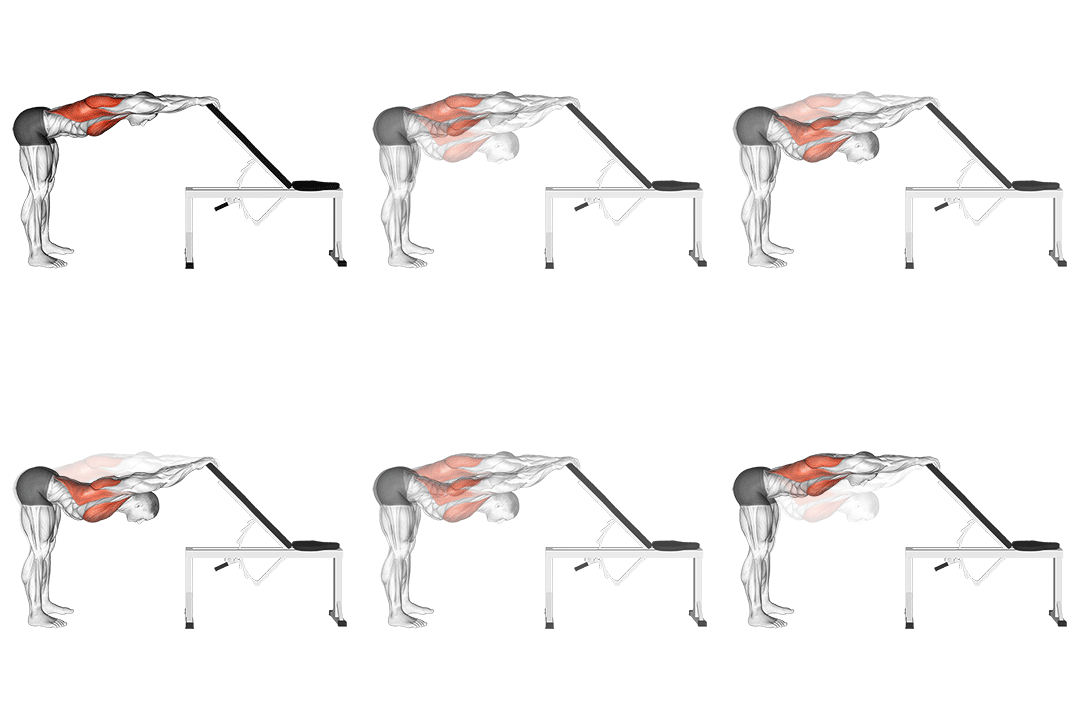
Compare More Exercises
Use our free comparison tool to analyze any two exercises head-to-head.
Compare Exercises