

Box Jump Down With One Leg Stabilization vs Calf Stretch With Hands Against Wall: Complete Compariso
Box Jump Down With One Leg Stabilization vs Calf Stretch With Hands Against Wall — you’re comparing a dynamic, plyometric drill to a controlled flexibility hold. Here you’ll get clear, practical guidance on how each movement loads the calf complex, what equipment and progressions they need, safety cues for your ankles and knees, and which to pick for muscle growth, strength, balance, or mobility. Read on for technique cues, biomechanics (length–tension and force vectors), rep ranges, and easy protocols you can use in your next session.
Exercise Comparison
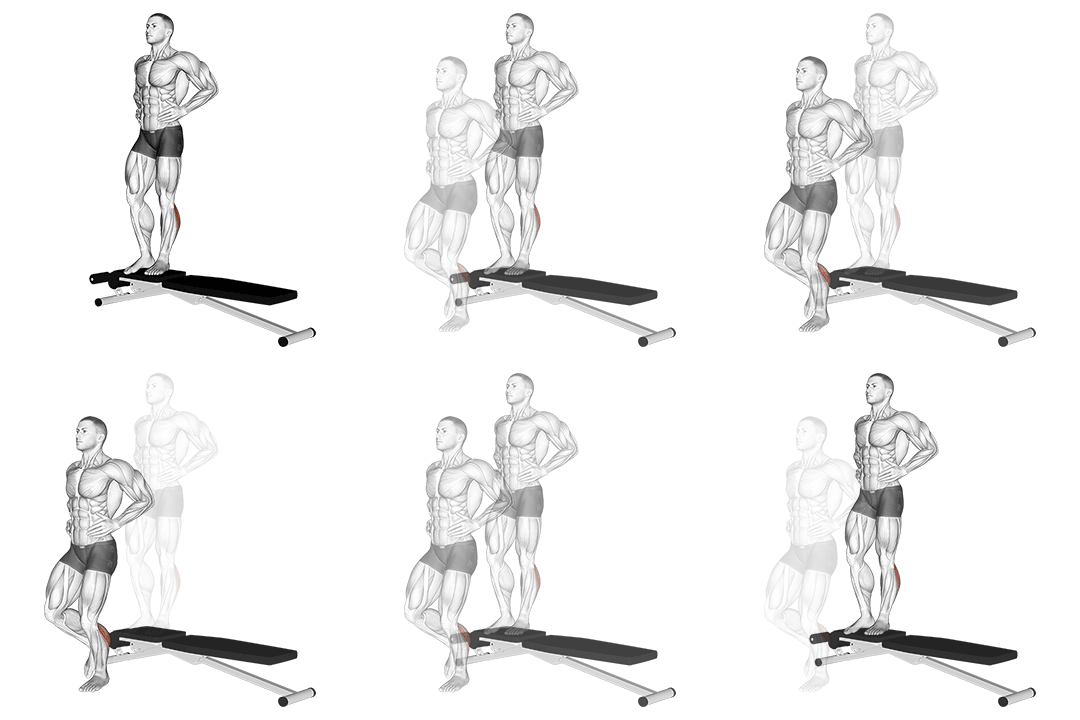
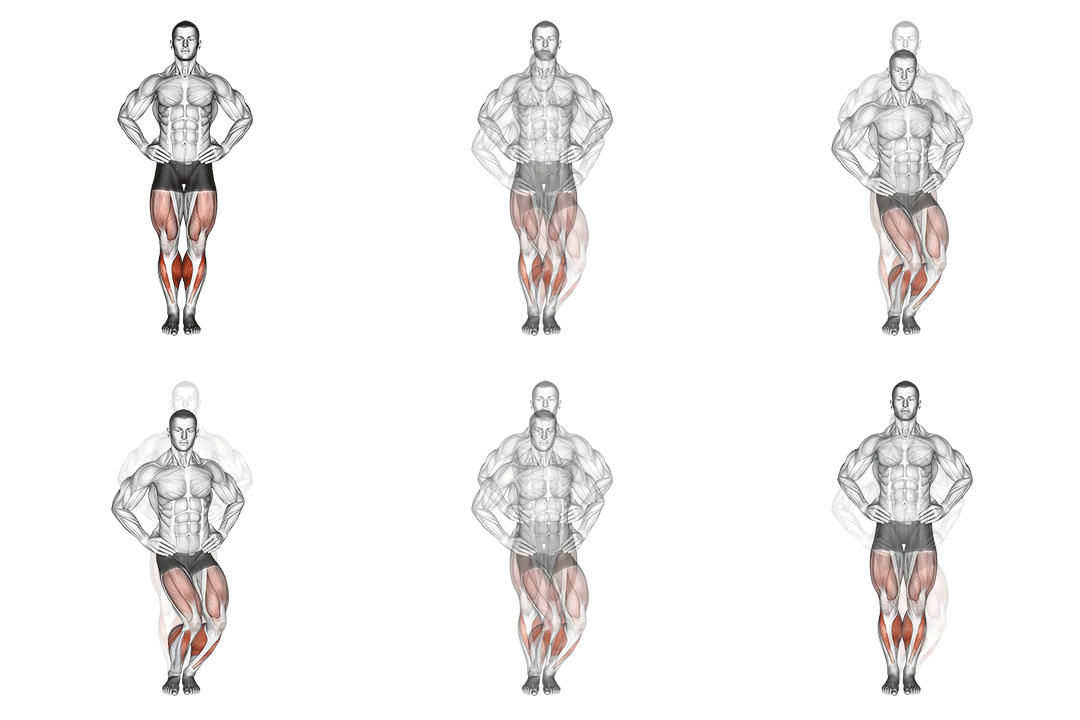
Box Jump Down With One Leg Stabilization
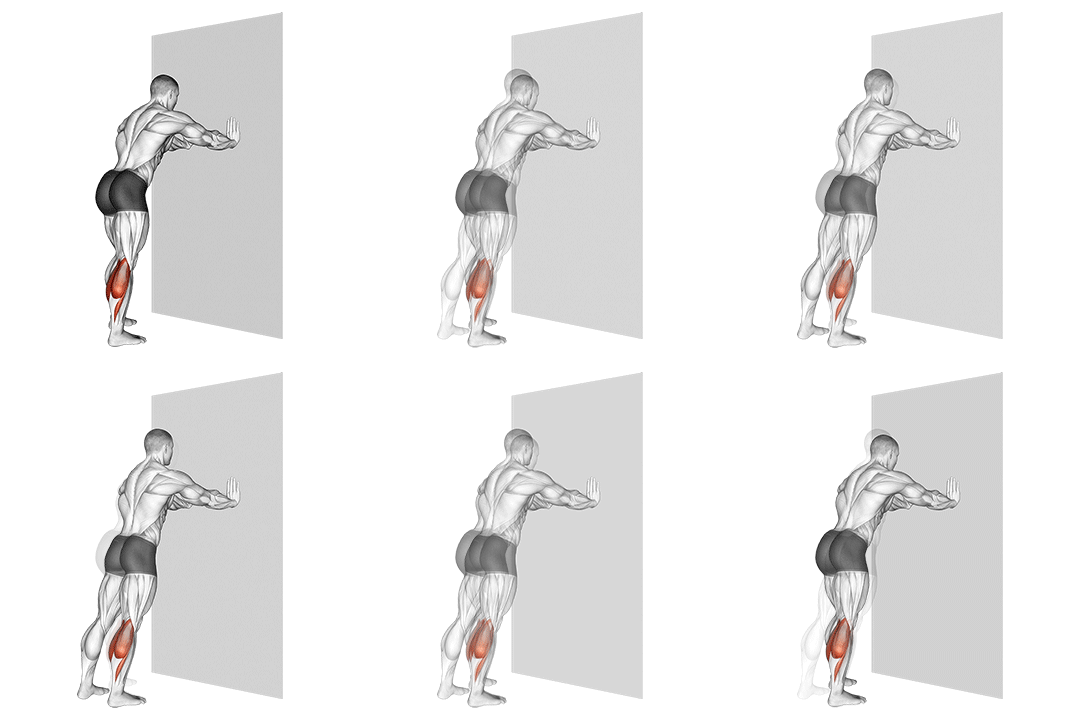
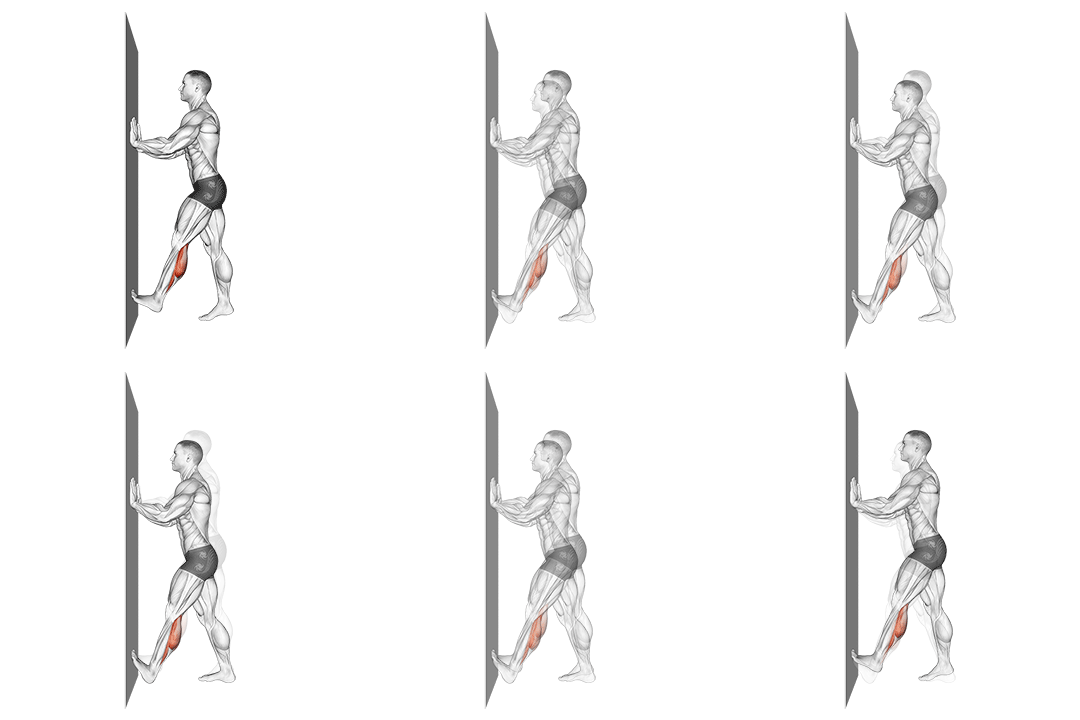
Calf Stretch With Hands Against Wall
Head-to-Head Comparison
| Attribute | Box Jump Down With One Leg Stabilization | Calf Stretch With Hands Against Wall |
|---|---|---|
| Target Muscle |
Calves
|
Calves
|
| Body Part |
Lower-legs
|
Lower-legs
|
| Equipment |
Body-weight
|
Body-weight
|
| Difficulty |
Intermediate
|
Beginner
|
| Movement Type |
Compound
|
Isolation
|
| Secondary Muscles |
3
|
1
|
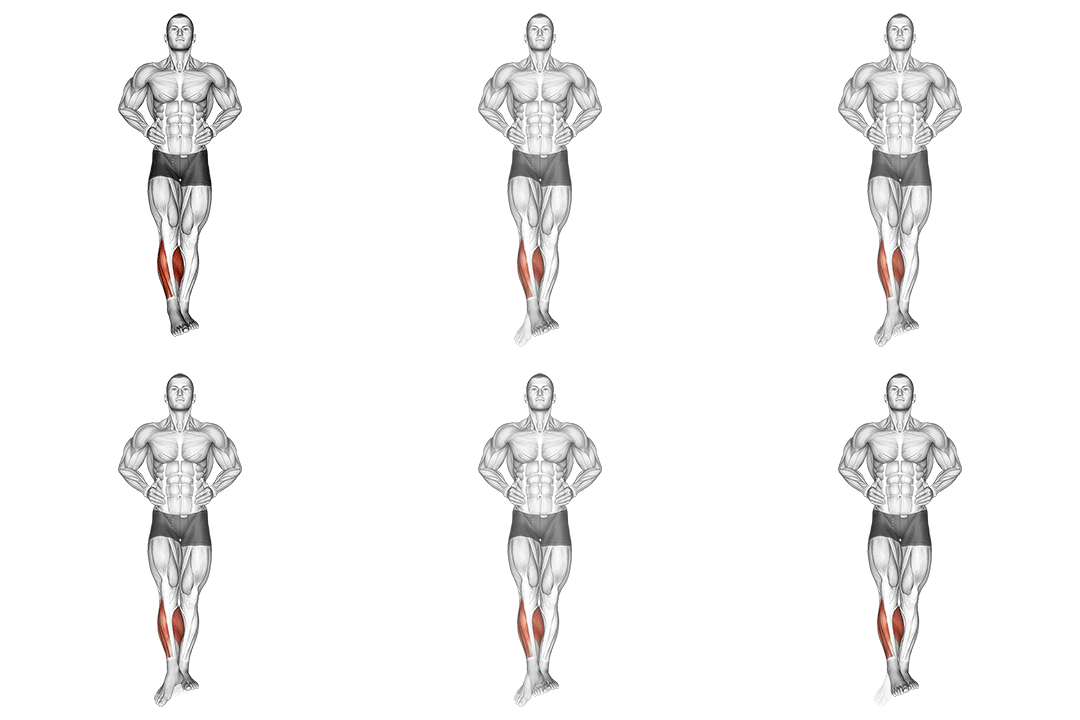
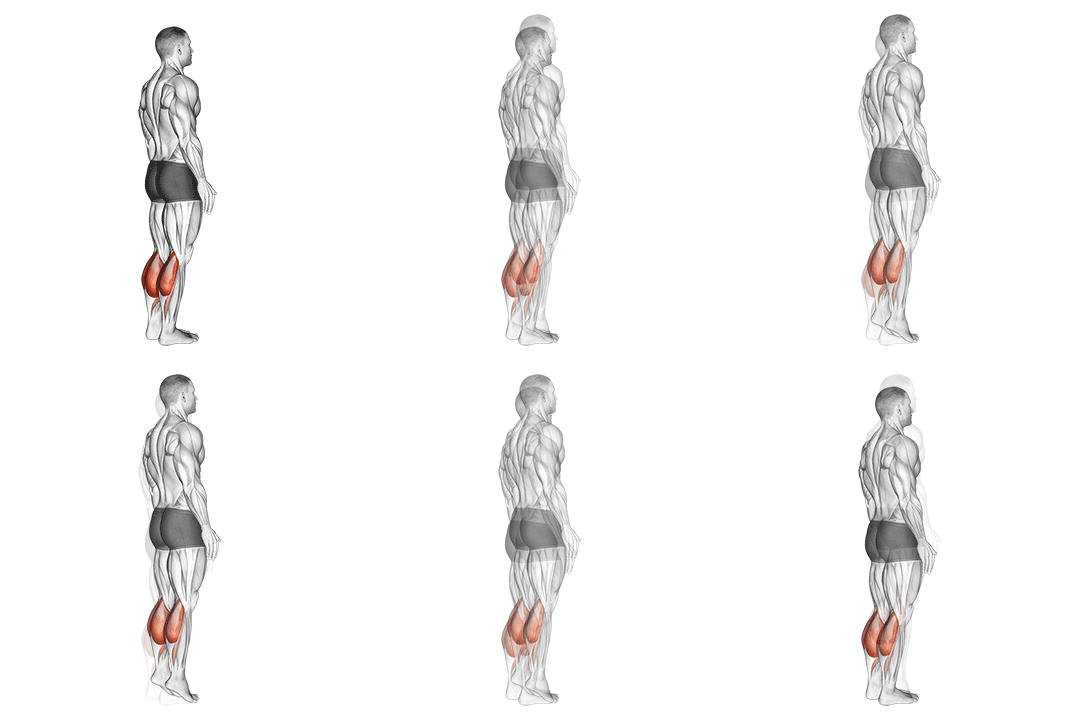
Secondary Muscles Activated
Box Jump Down With One Leg Stabilization
Calf Stretch With Hands Against Wall
Visual Comparison
Overview
Box Jump Down With One Leg Stabilization vs Calf Stretch With Hands Against Wall — you’re comparing a dynamic, plyometric drill to a controlled flexibility hold. Here you’ll get clear, practical guidance on how each movement loads the calf complex, what equipment and progressions they need, safety cues for your ankles and knees, and which to pick for muscle growth, strength, balance, or mobility. Read on for technique cues, biomechanics (length–tension and force vectors), rep ranges, and easy protocols you can use in your next session.
Key Differences
- Box Jump Down With One Leg Stabilization is a compound movement, while Calf Stretch With Hands Against Wall is an isolation exercise.
- Difficulty levels differ: Box Jump Down With One Leg Stabilization is intermediate, while Calf Stretch With Hands Against Wall is beginner.
- Both exercises target the Calves using Body-weight. The main differences are in their movement patterns and muscle activation angles.
Pros & Cons
Box Jump Down With One Leg Stabilization
+ Pros
- Builds explosive plantarflexion power and single-leg stability
- Loads calves eccentrically and concentrically for stronger contractions
- Recruits quads, hamstrings, and glutes for functional carryover
- High progression ceiling (height, load, volume, complexity)
− Cons
- Higher impact and greater injury risk if technique is poor
- Requires a stable box and safe landing area
- Harder to control volume for pure hypertrophy (best for power/strength)
Calf Stretch With Hands Against Wall
+ Pros
- Extremely accessible and low-risk for most lifters
- Improves dorsiflexion and muscle length-tension relationships
- Easy to program in warm-ups and rehab settings
- No equipment or special surface required
− Cons
- Minimal stimulus for strength or muscle growth on its own
- Limited progression options for overload
- Can be ineffective if used as the sole calf training modality
When Each Exercise Wins
Although not the ideal hypertrophy exercise, the box jump produces higher peak and eccentric loads than a static stretch, stimulating muscle remodeling. For hypertrophy prioritize controlled eccentric and concentric loading (6–12 reps with added weight or slow eccentric calf work) alongside plyometrics.
Box jumps train rapid force production and single-leg stability, improving rate of force development and functional strength. Progress by increasing box height, adding resisted plyometrics, or heavy unilateral strength work to transfer power to loaded strength.
The wall stretch is simple, safe, and teaches dorsiflexion range without impact stress. It builds mobility foundations and can be used while you develop landing mechanics and ankle control for later plyometric work.
It requires only a wall and a few minutes, making it ideal for limited-space routines. Box jumps need a sturdy platform and clear landing zone, which many home setups lack.
Frequently Asked Questions
Can I do both Box Jump Down With One Leg Stabilization and Calf Stretch With Hands Against Wall in the same workout?
Yes — pair the wall calf stretch early in the session as a mobility prep (2×30–60s), then use box jumps later when you’re fresh for maximal power sets (3–6 reps). The stretch improves dorsiflexion and can reduce compensatory movement during landing.
Which exercise is better for beginners?
Calf Stretch With Hands Against Wall is better for beginners because it requires minimal skill and zero impact. Start with mobility and basic bilateral strength, then progress to single-leg landings once joint control and ankle stability are adequate.
How do the muscle activation patterns differ?
Box Jump Down uses a rapid stretch–shortening cycle with high peak activation of gastrocnemius during eccentric absorption and concentric stabilization; activation spikes for short durations. The wall stretch places the muscle at greater length and creates low-level sustained tension, improving passive and active range but not producing high force peaks.
Can Calf Stretch With Hands Against Wall replace Box Jump Down With One Leg Stabilization?
No — the wall stretch cannot replace the force and power stimulus of box jumps. Use the stretch to improve range and recovery, but include plyometric or loaded unilateral work if your goal is strength, power, or functional single-leg performance.
Expert Verdict
Use Box Jump Down With One Leg Stabilization when your goal is to develop explosive plantarflexion, unilateral stability, and sport-specific power. Program it conservatively: 3–6 reps, 3–5 sets, focus on controlled single-leg landings and 1–3 second stabilization holds. Choose Calf Stretch With Hands Against Wall when you need increased ankle dorsiflexion, tendon mobility, or a low-risk warm-up/rehab tool—hold 30–60 seconds and progress to active end-range contractions. For balanced progress combine both: use the stretch for mobility and recovery, and the box jump for force development, keeping total plyometric volume low early on to protect the Achilles and knees.
Also Compare
More comparisons with Box Jump Down With One Leg Stabilization
More comparisons with Calf Stretch With Hands Against Wall
Compare More Exercises
Use our free comparison tool to analyze any two exercises head-to-head.
Compare Exercises