

Box Skip vs Tire Flip: Complete Comparison Guide
Box Skip vs Tire Flip — two compound, glute-focused movements that push your upper-legs in very different ways. If you want clear guidance on which to use, you’re in the right place. I’ll walk you through muscle activation, equipment needs, learning curve, risk profile, programming examples (sets/reps), and which movement suits specific goals like hypertrophy, strength, or conditioning. You’ll get technique cues, biomechanical reasoning about hip extension and force vectors, and practical progressions so you can pick the exercise that fits your space, experience, and training plan.
Exercise Comparison
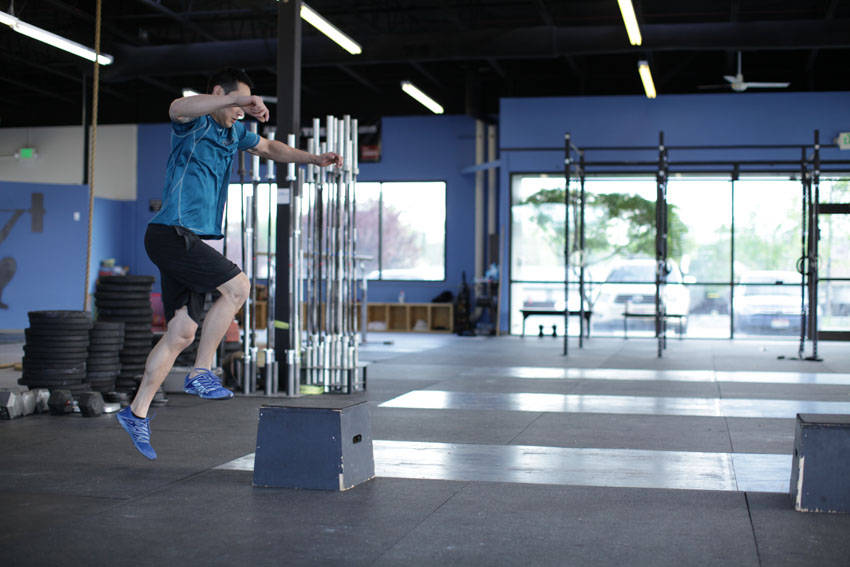
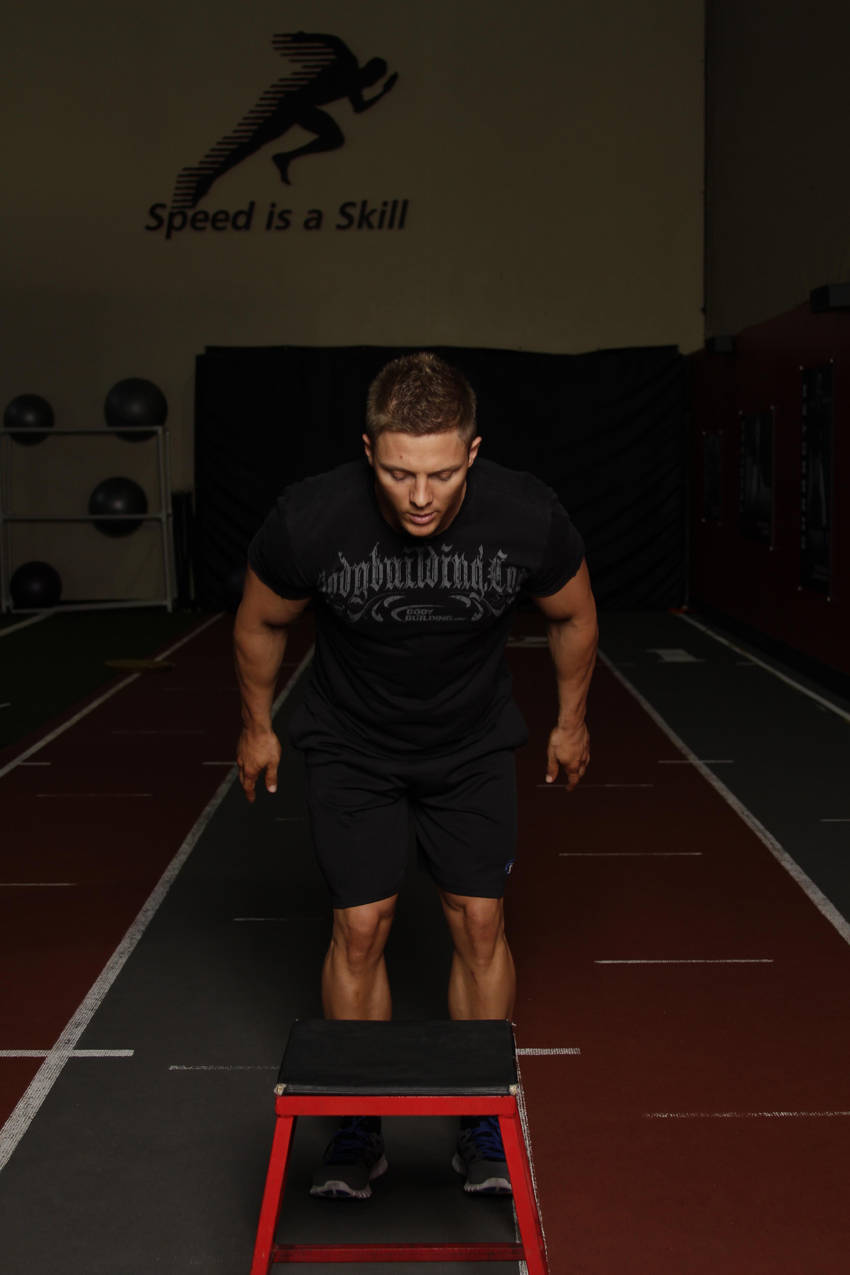
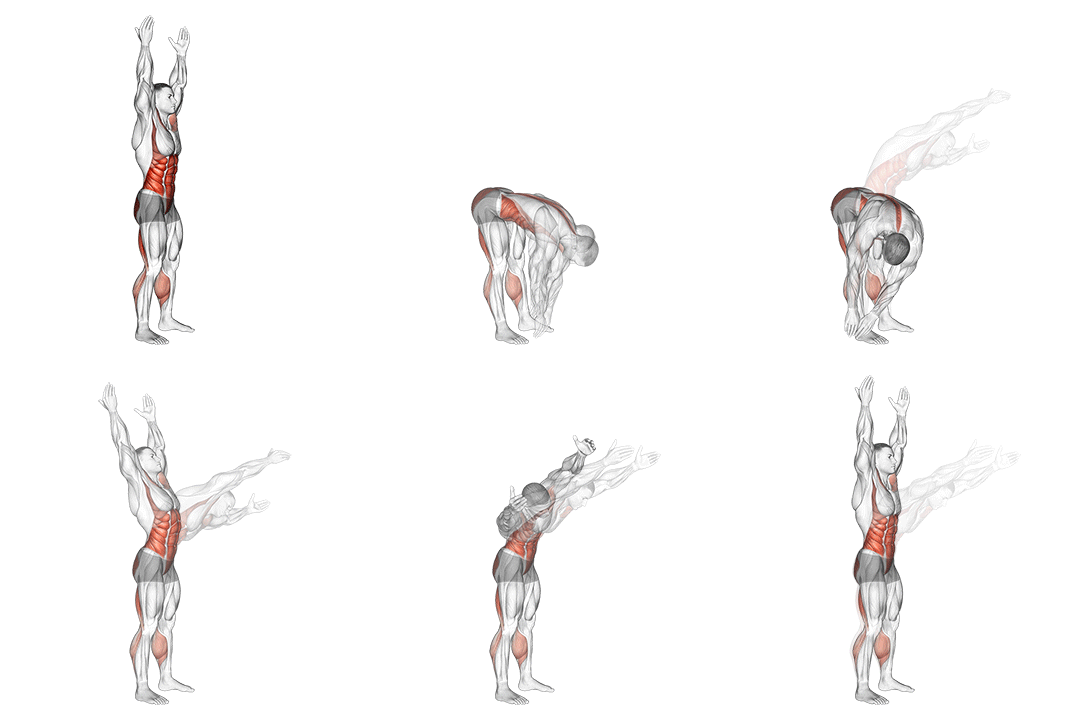
Box Skip
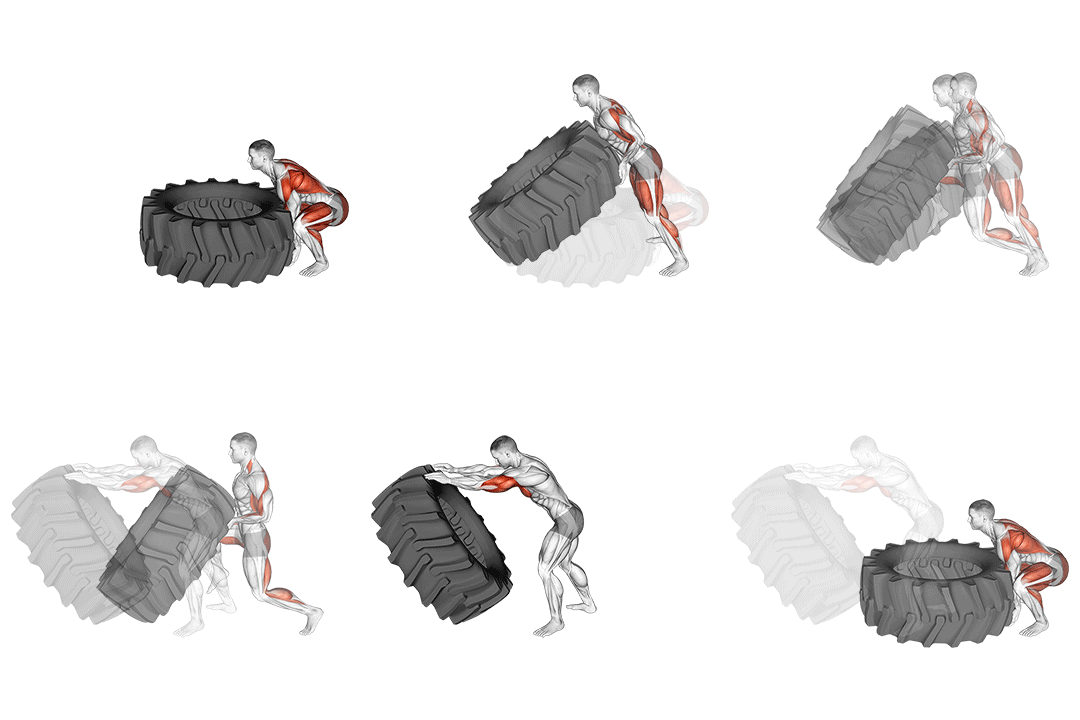
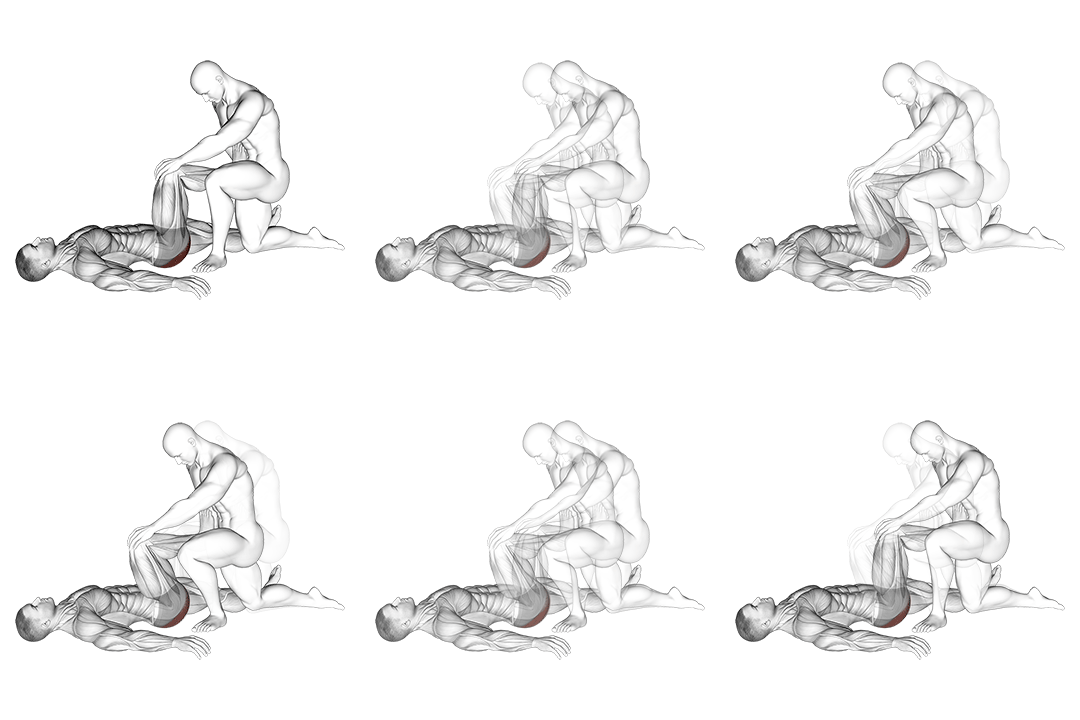
Tire Flip
Head-to-Head Comparison
| Attribute | Box Skip | Tire Flip |
|---|---|---|
| Target Muscle |
Glutes
|
Glutes
|
| Body Part |
Upper-legs
|
Upper-legs
|
| Equipment |
Other
|
Other
|
| Difficulty |
Intermediate
|
Advanced
|
| Movement Type |
Compound
|
Compound
|
| Secondary Muscles |
5
|
3
|
Secondary Muscles Activated
Box Skip
Tire Flip
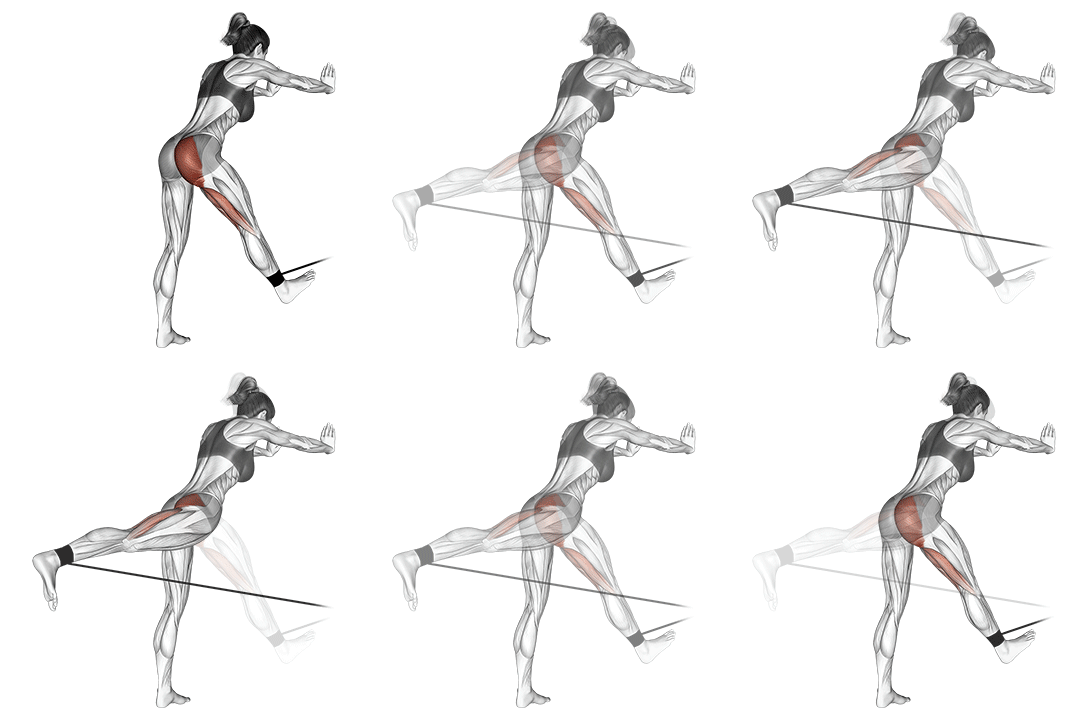
Visual Comparison
Overview
Box Skip vs Tire Flip — two compound, glute-focused movements that push your upper-legs in very different ways. If you want clear guidance on which to use, you’re in the right place. I’ll walk you through muscle activation, equipment needs, learning curve, risk profile, programming examples (sets/reps), and which movement suits specific goals like hypertrophy, strength, or conditioning. You’ll get technique cues, biomechanical reasoning about hip extension and force vectors, and practical progressions so you can pick the exercise that fits your space, experience, and training plan.
Key Differences
- Difficulty levels differ: Box Skip is intermediate, while Tire Flip is advanced.
- Both exercises target the Glutes using Other. The main differences are in their movement patterns and muscle activation angles.
Pros & Cons
Box Skip
+ Pros
- Effective plyometric stimulus for explosive hip extension and calf drive
- Low equipment needs — fits most gyms and home setups
- Easier to scale via box height, unilateral progressions, or weighted vest
- Lower acute injury risk with good landing mechanics
− Cons
- Limited absolute loading for maximal strength
- Repetitive impact can stress knees if technique is poor
- Less core and hamstring loading compared to heavyweight flips
Tire Flip
+ Pros
- High absolute load for maximal hip extension and strength
- Strong posterior chain and core recruitment under heavy, awkward load
- Great for building work capacity and functional strength
- Simple to progress by using heavier tires or more flips
− Cons
- Requires specialized, heavy equipment and space
- Higher technical demand and injury risk with poor hinge or setup
- Harder to precisely control load and intensity for hypertrophy sets
When Each Exercise Wins
Box Skip allows higher-rep plyometric and controlled eccentric work with easier volume control (3–5 sets of 8–20 reps or single-leg variations). You can manipulate time under tension and surface height to increase eccentric load for glute and quad hypertrophy.
Tire Flip permits greater absolute external load and sustained concentric effort, which taxes maximal hip extension and posterior chain strength—ideal for 3–6 sets of 3–8 heavy flips to build raw pushing strength.
Box Skip has a shallower learning curve, lower external load, and clearer cues (soft landing, hip hinge, drive). Start with a 12–16 in box and progress height and unilateral work before attempting heavy flips.
Box Skip needs only a box and small footprint, making it suitable for most homes. Tire Flips require heavy, bulky equipment and outdoor or specialized gym space.
Frequently Asked Questions
Can I do both Box Skip and Tire Flip in the same workout?
Yes — pair them strategically: use Tire Flips early as a heavy strength stimulus (3–6 sets of 3–6) and Box Skips later for power and plyometric carryover (2–4 sets of 8–12). Monitor fatigue so technique stays solid, and avoid maximal loading on both in one session to reduce injury risk.
Which exercise is better for beginners?
Box Skip is better for beginners because it requires less load, is easier to scale, and teaches triple extension and landing mechanics. Start with a low box, emphasize soft landings and knee alignment, and progress height or unilateral variations before attempting flips.
How do the muscle activation patterns differ?
Box Skip relies on quick stretch-shortening cycles with peak activation during the explosive concentric phase and strong calf involvement during plantarflexion. Tire Flip produces longer-duration contractions with greater sustained glute and hamstring EMG as you hinge, lift, and roll the tire, shifting force vectors more horizontally and increasing trunk extension demand.
Can Tire Flip replace Box Skip?
Tire Flip can replace Box Skip for strength-focused sessions because it provides heavy posterior chain loading, but it won’t fully replicate the rapid stretch-shortening and landing mechanics of skips. If your goal is plyometric power or limited equipment, keep Box Skips in the program.
Expert Verdict
Choose Box Skip when your goal is explosive power, hypertrophy-friendly plyometrics, or when you need a scalable, low-equipment option. Use controlled box heights (start 12–16 in), cue triple extension (hip, knee, ankle), land with ~30–40° knee flexion, and progress via unilateral or weighted variations for 3–5 sets of 8–20 reps. Choose Tire Flip when you want absolute posterior chain strength and heavy, functional loading—perform 3–6 sets of 3–8 flips with a focus on a strong hip hinge (45–60° hip flexion at setup), flat back, and firm core brace. Both movements have value; pick the one that matches your space, skill, and training priority.
Also Compare
More comparisons with Box Skip
Compare More Exercises
Use our free comparison tool to analyze any two exercises head-to-head.
Compare Exercises