

Burpee vs Half Knee Bends (male): Complete Comparison Guide
Burpee vs Half Knee Bends (male) {Exercise1} vs {Exercise2} — you’re choosing between a multi-phase, intermediate cardio move and a simpler, beginner-friendly cardio squat. I’ll break down how each exercise loads your cardiovascular system, which secondary muscles they recruit, the equipment and space you need, specific technique cues, and how to progress safely. Read on and you’ll get clear recommendations for when to pick burpees for full-body conditioning or half knee bends for repeatable, low-complexity work that builds quad and glute endurance.
Exercise Comparison
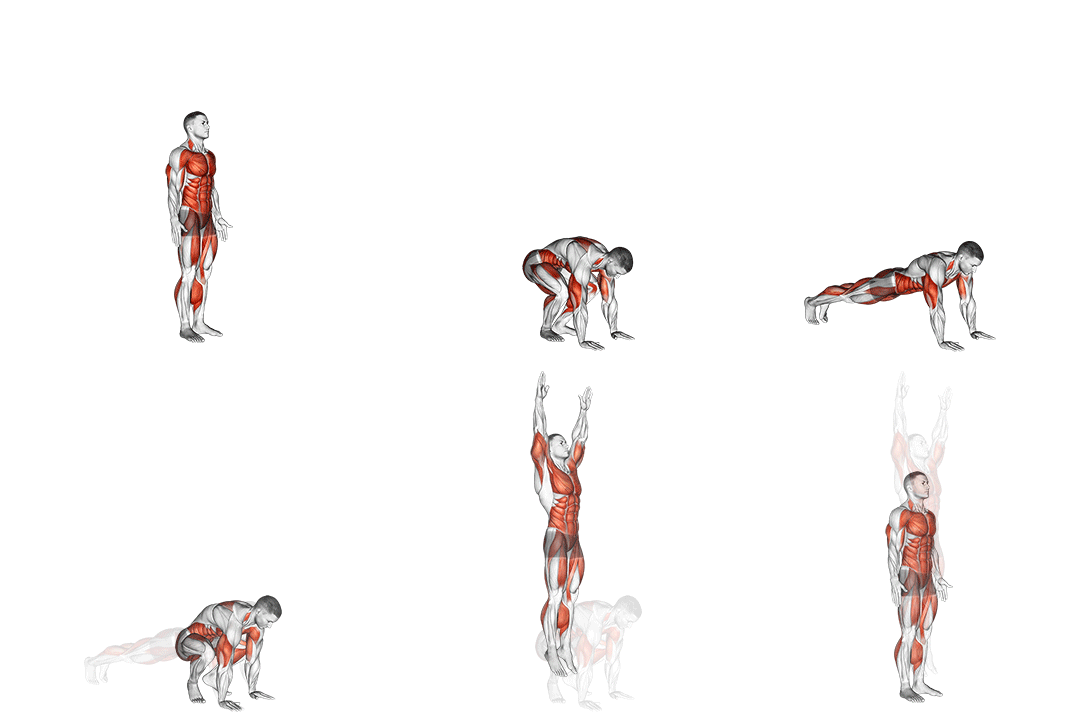
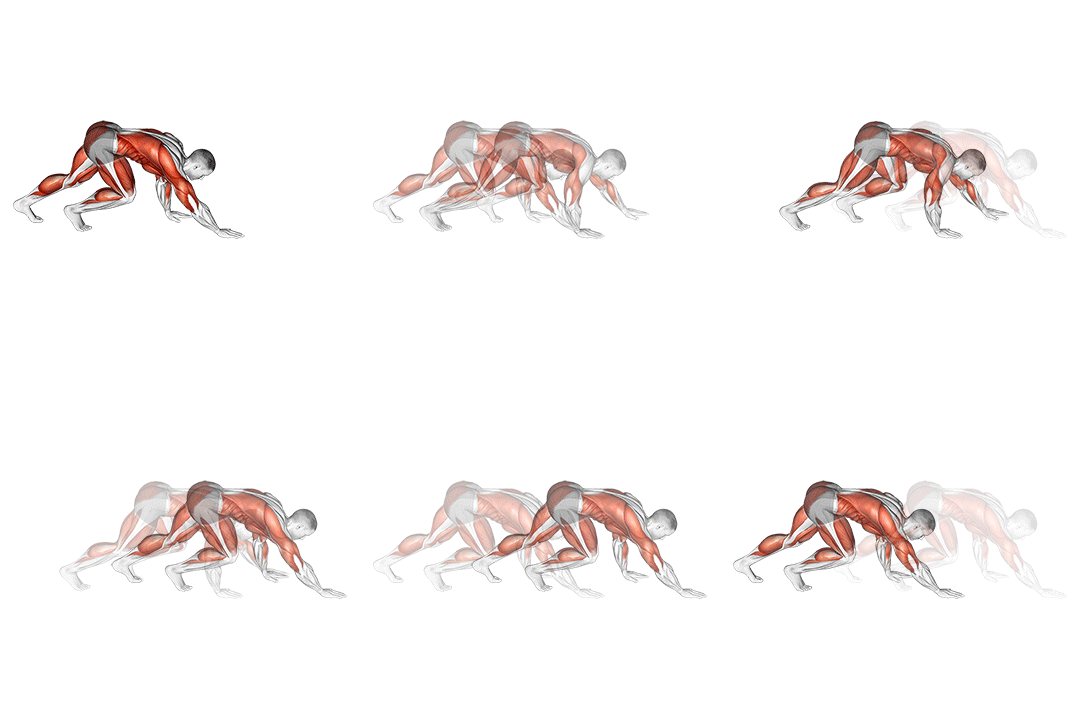
Burpee
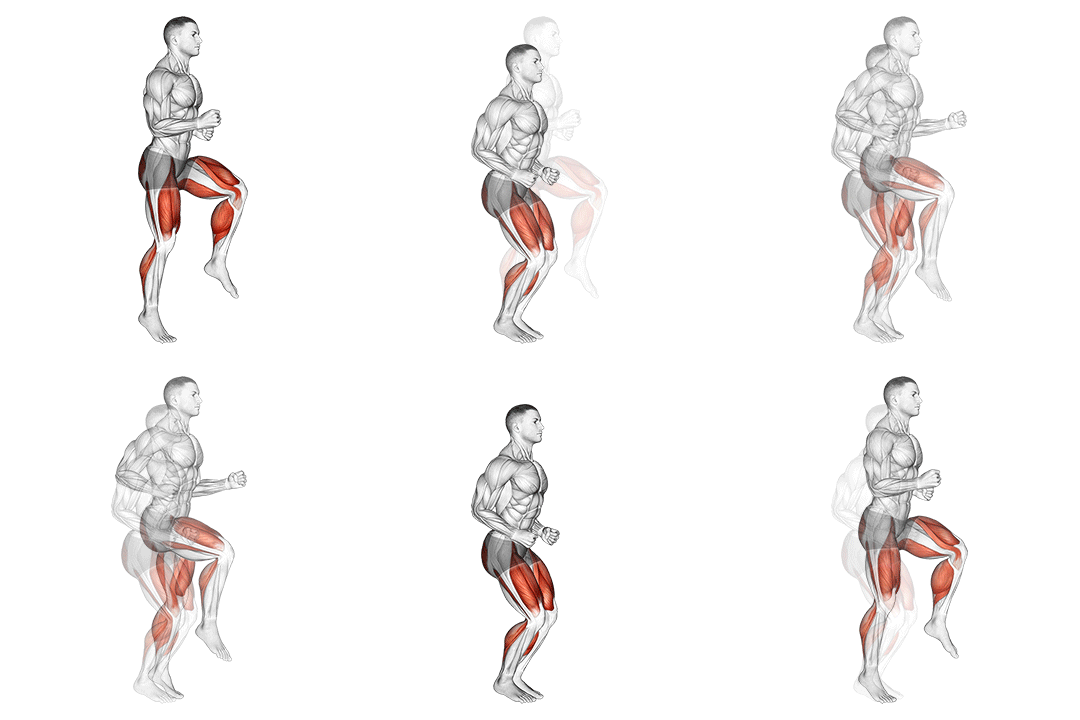
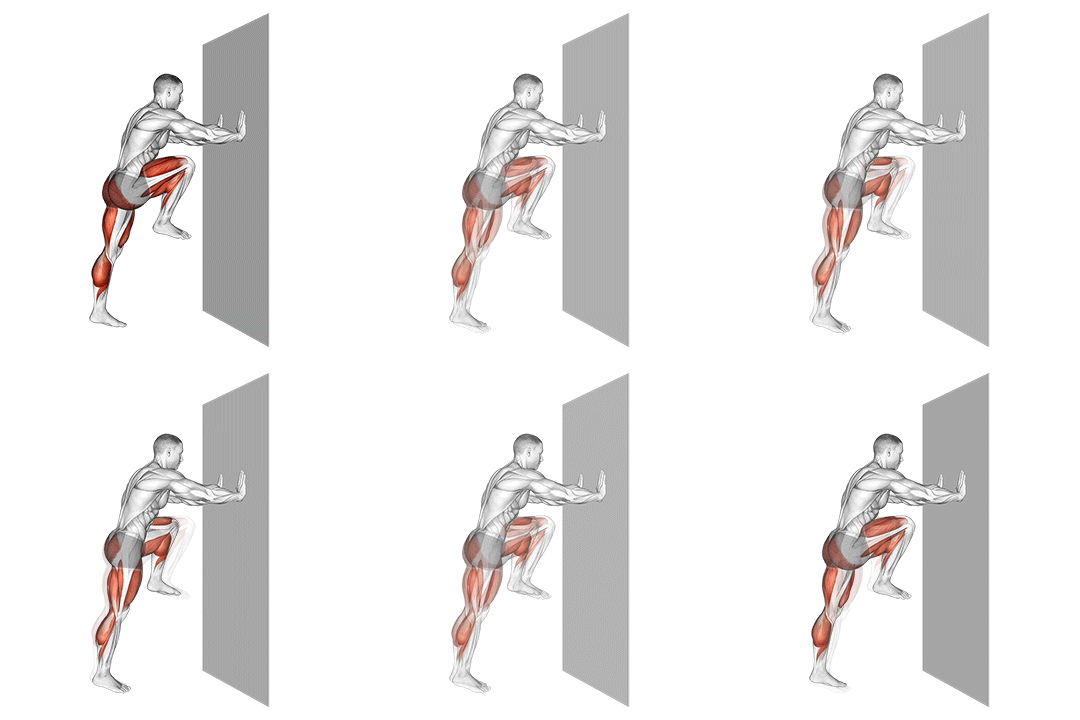
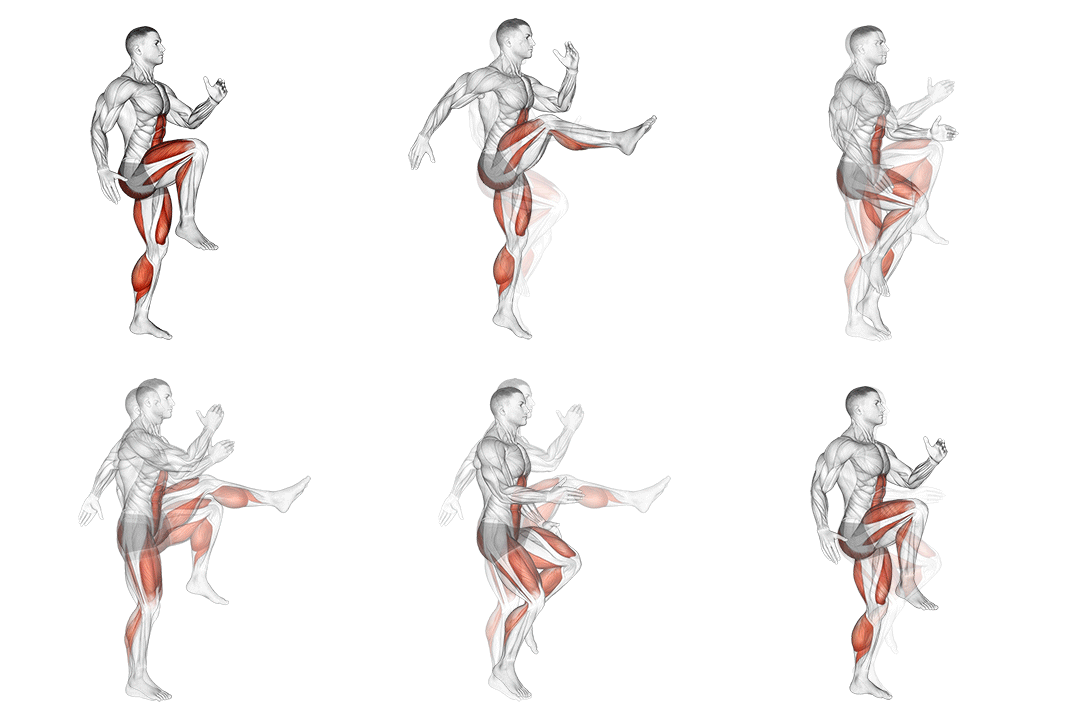
Half Knee Bends (male)
Head-to-Head Comparison
| Attribute | Burpee | Half Knee Bends (male) |
|---|---|---|
| Target Muscle |
Cardiovascular-system
|
Cardiovascular-system
|
| Body Part |
Cardio
|
Cardio
|
| Equipment |
Body-weight
|
Body-weight
|
| Difficulty |
Intermediate
|
Beginner
|
| Movement Type |
Compound
|
Compound
|
| Secondary Muscles |
5
|
3
|
Secondary Muscles Activated
Burpee
Half Knee Bends (male)
Visual Comparison
Overview
Burpee vs Half Knee Bends (male) {Exercise1} vs {Exercise2} — you’re choosing between a multi-phase, intermediate cardio move and a simpler, beginner-friendly cardio squat. I’ll break down how each exercise loads your cardiovascular system, which secondary muscles they recruit, the equipment and space you need, specific technique cues, and how to progress safely. Read on and you’ll get clear recommendations for when to pick burpees for full-body conditioning or half knee bends for repeatable, low-complexity work that builds quad and glute endurance.
Key Differences
- Difficulty levels differ: Burpee is intermediate, while Half Knee Bends (male) is beginner.
- Both exercises target the Cardiovascular-system using Body-weight. The main differences are in their movement patterns and muscle activation angles.
Pros & Cons
Burpee
+ Pros
- Full-body conditioning: combines upper- and lower-body work with plyometrics and push-ups
- High metabolic cost: efficient for short, intense conditioning intervals (6–15 reps per set)
- Progression variety: easy to add plyo, weighted vests, or tempo changes
- Develops explosive hip/knee extension and cardiovascular power
− Cons
- Higher technical demand: multiple phases increase coordination needs
- Greater impact: plyometric jump and rapid transitions raise injury risk
- Requires good shoulder and core control for safe push-up/plank execution
Half Knee Bends (male)
+ Pros
- Beginner friendly: simple motor pattern with low coordination requirements
- Low impact: shorter ROM and no plyometrics reduce peak forces
- High repeatability: excellent for high-volume sets (15–30+ reps) targeting quads/glutes
- Minimal space and time demand makes it ideal for steady-state conditioning
− Cons
- Lower systemic overload per rep: less upper-body and plyometric stimulus
- Limited explosive power development without added load
- Can be monotonous for conditioning if not progressed with tempo or resistance
When Each Exercise Wins
Half Knee Bends allow higher time under tension and higher rep ranges (15–30+ reps) focused on the quads and glutes, which is more conducive to hypertrophy when you progressively overload with added weight or tempo manipulations.
Burpees build relative full-body strength and explosive force by combining push-up strength and rapid hip/knee extension; they also accept progressive overload via weighted vests or added plyometric difficulty, improving intermuscular coordination under load.
Half Knee Bends use a simple knee-extension pattern, lower impact, and easier technique cues, making them safer and quicker to learn for clients new to structured exercise.
Half Knee Bends need the least space and skill, and they scale well with household items or bodyweight for repeated sets, making them the most practical at-home option for most users.
Frequently Asked Questions
Can I do both Burpee and Half Knee Bends (male) in the same workout?
Yes. Pairing them works well: use half knee bends for higher-volume leg endurance sets and burpees as a metabolic finisher or interval set. Structure example: 3 rounds of 20 half knee bends followed by 6–10 burpees for conditioning.
Which exercise is better for beginners?
Half Knee Bends (male) are better for beginners because they have a simpler pattern, lower impact, and fewer technical demands. Start with 2–4 sets of 12–20 reps and emphasize knee tracking and a neutral spine.
How do the muscle activation patterns differ?
Burpees sequence eccentric squat to plank, push-up, and explosive extension, recruiting quads, glutes, chest, shoulders, and calves in a multi-joint chain and using the stretch-shortening cycle. Half Knee Bends use a shorter knee-flexion range and focus primarily on knee extension and glute co-contraction with lower upper-body activation.
Can Half Knee Bends (male) replace Burpee?
They can replace burpees if your goal is leg hypertrophy, lower-impact conditioning, or learning knee-extension mechanics. If you need full-body conditioning, upper-body endurance, or explosive power, keep burpees in the program instead of fully substituting them.
Expert Verdict
Use burpees when you need a compact, high-intensity full-body option that develops cardiovascular capacity, explosive hip/knee extension, and upper-body endurance simultaneously. Aim for sets of 6–15 reps, focus on a controlled plank and full hip extension on the jump, and add a weighted vest for progression. Choose Half Knee Bends (male) when you want high-volume quad and glute work with lower impact, easier technique, and steady-state cardio. Build reps to 15–30 per set or add external load for hypertrophy. Pick burpees for mixed conditioning and power; pick half knee bends for repeatable, lower-risk leg conditioning and muscle growth.
Also Compare
More comparisons with Burpee
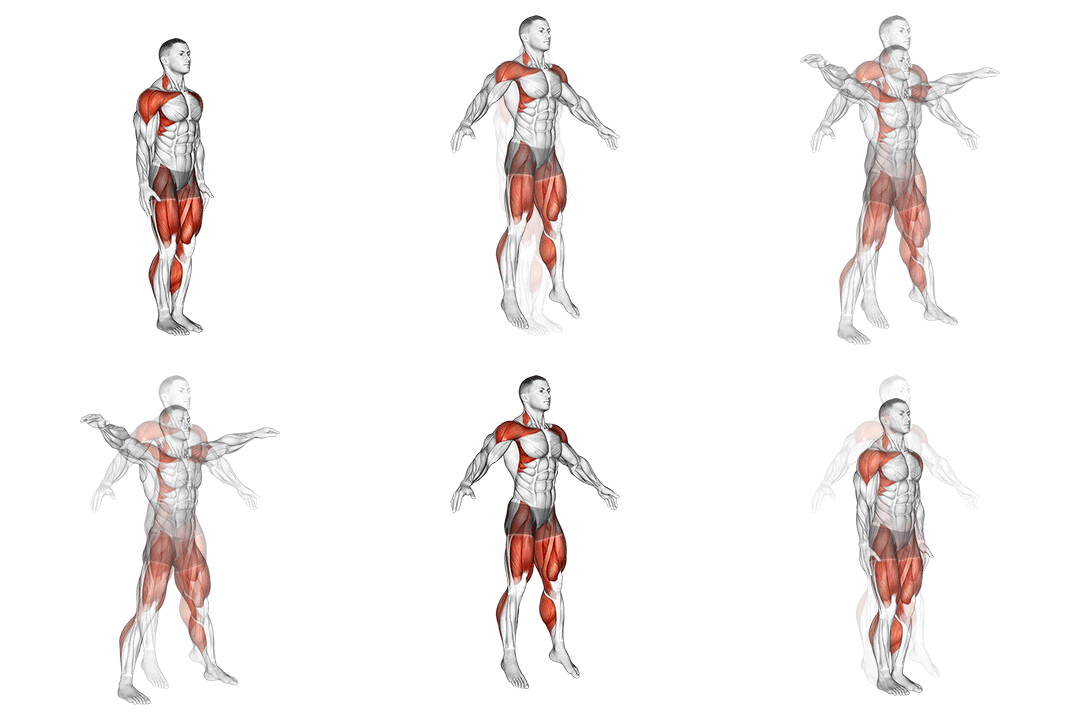
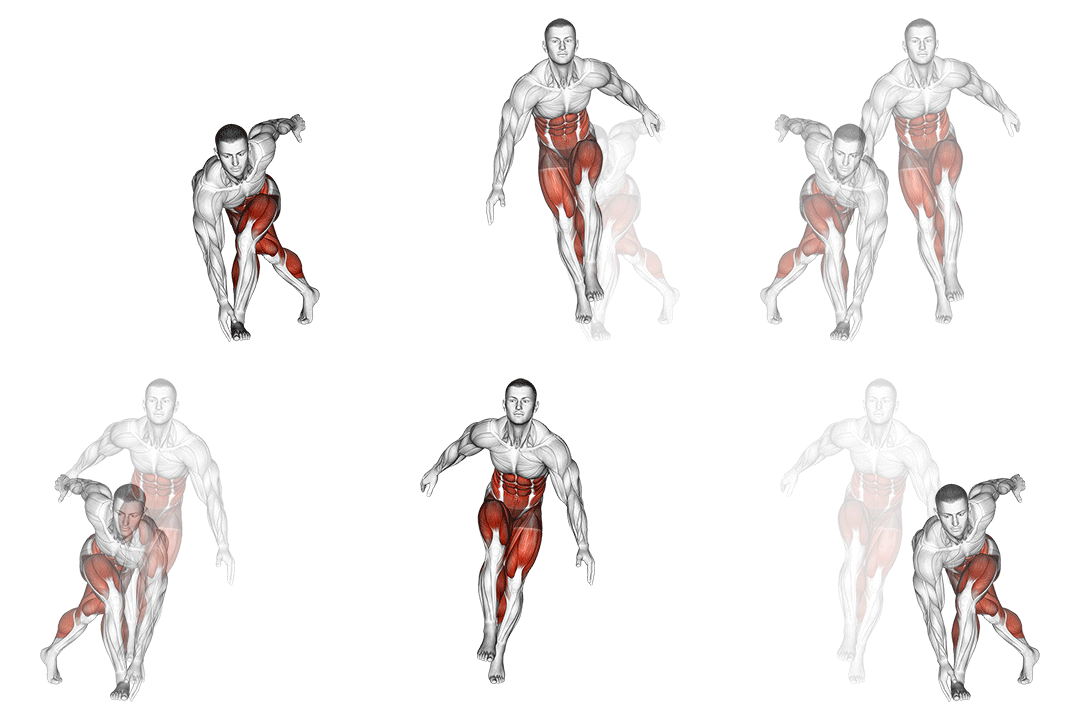
Compare More Exercises
Use our free comparison tool to analyze any two exercises head-to-head.
Compare Exercises