

Cable Alternate Shoulder Press vs Face Pull: Complete Comparison Guide
Cable Alternate Shoulder Press vs Face Pull — two cable-based shoulder moves that look similar on paper but load your delts very differently. You’ll get a side-by-side look at which muscles each targets, how the force vector and joint angles change activation, and practical cues so you can perform each movement safely and effectively. I’ll cover technique, rep ranges, progression options, injury risk, and which exercise to prioritize based on your goals: muscle growth, strength, rehab, or balanced shoulder development.
Exercise Comparison
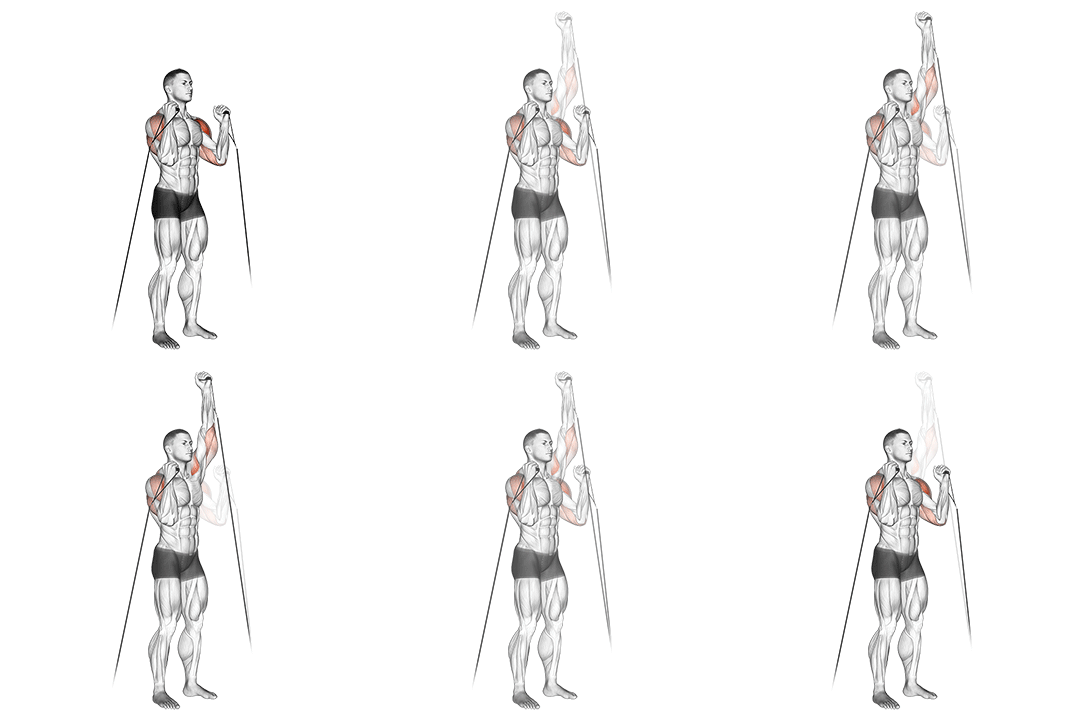
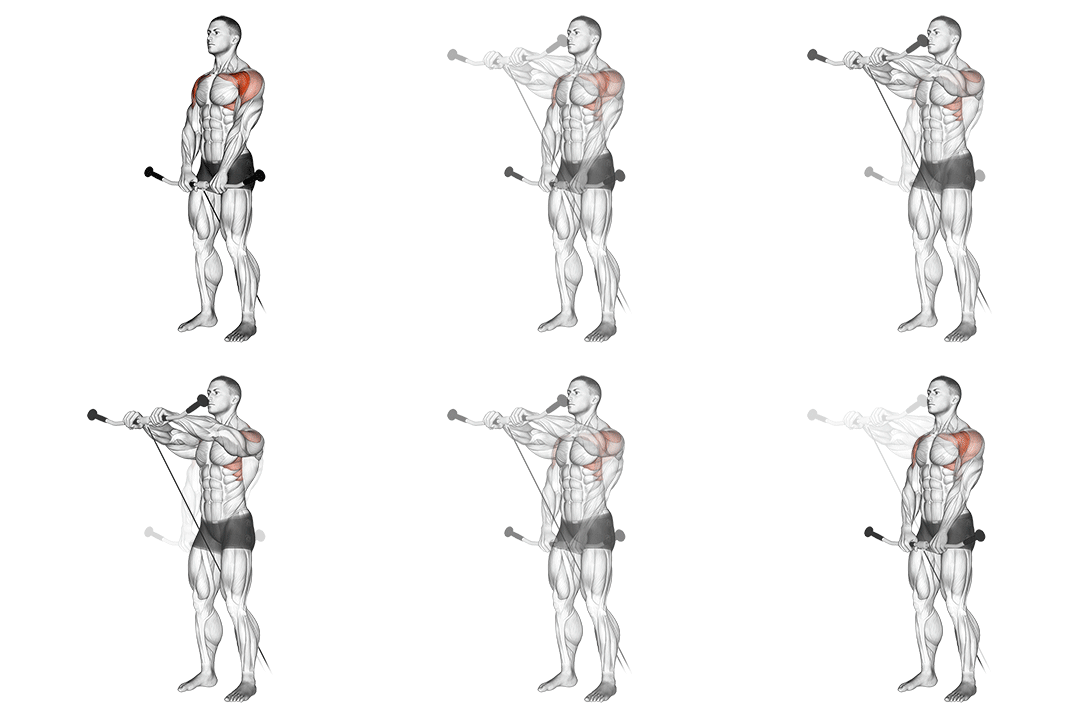
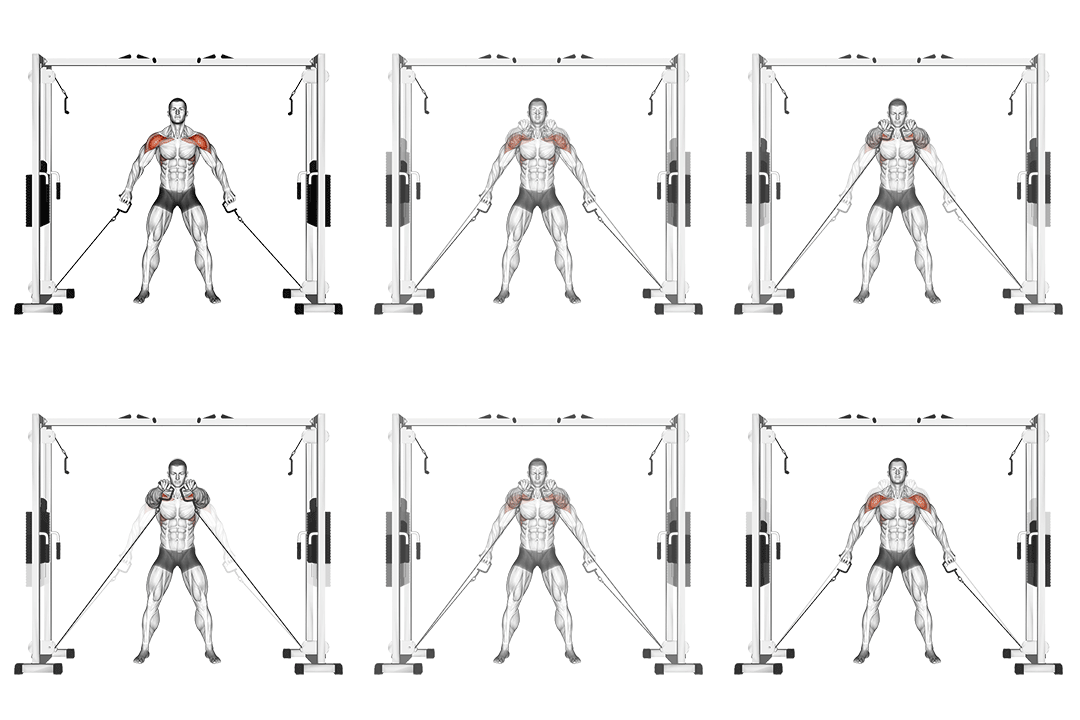
Cable Alternate Shoulder Press
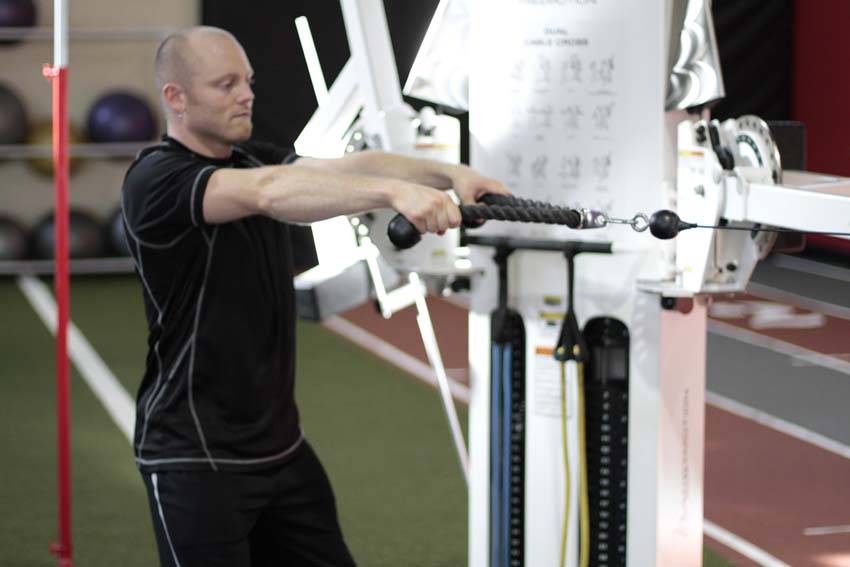
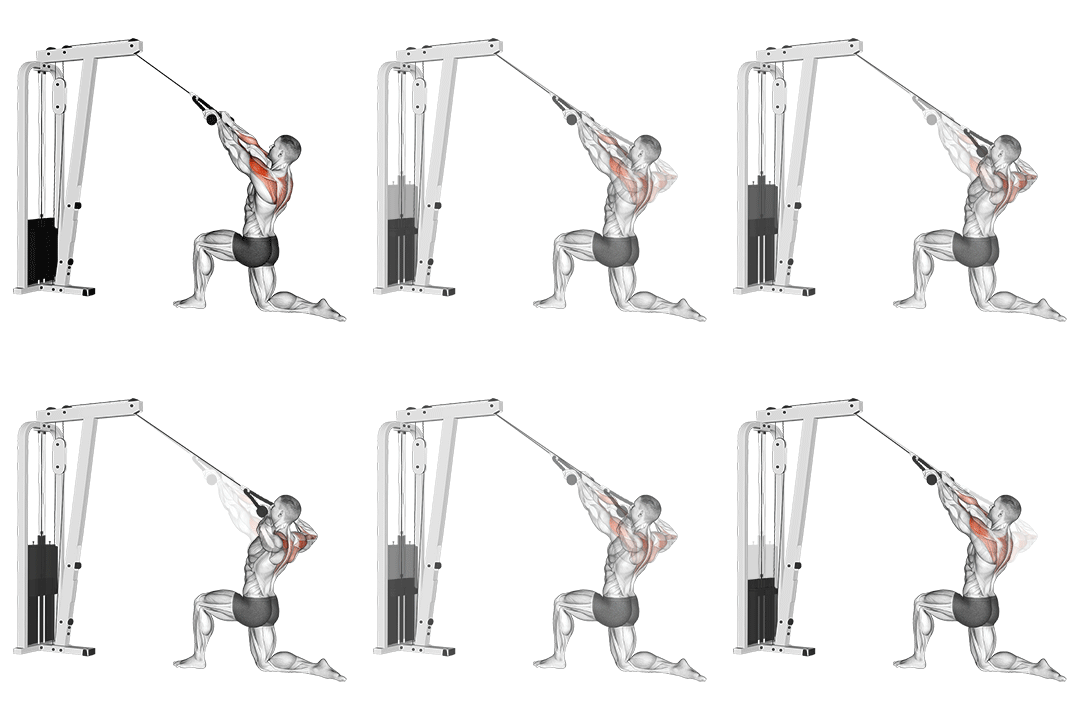
Face Pull
Head-to-Head Comparison
| Attribute | Cable Alternate Shoulder Press | Face Pull |
|---|---|---|
| Target Muscle |
Delts
|
Delts
|
| Body Part |
Shoulders
|
Shoulders
|
| Equipment |
Cable
|
Cable
|
| Difficulty |
Intermediate
|
Intermediate
|
| Movement Type |
Compound
|
Compound
|
| Secondary Muscles |
2
|
1
|
Secondary Muscles Activated
Cable Alternate Shoulder Press
Face Pull
Visual Comparison
Overview
Cable Alternate Shoulder Press vs Face Pull — two cable-based shoulder moves that look similar on paper but load your delts very differently. You’ll get a side-by-side look at which muscles each targets, how the force vector and joint angles change activation, and practical cues so you can perform each movement safely and effectively. I’ll cover technique, rep ranges, progression options, injury risk, and which exercise to prioritize based on your goals: muscle growth, strength, rehab, or balanced shoulder development.
Key Differences
- Both exercises target the Delts using Cable. The main differences are in their movement patterns and muscle activation angles.
Pros & Cons
Cable Alternate Shoulder Press
+ Pros
- Powerful vertical pressing that builds anterior and lateral deltoid thickness
- Unilateral pattern corrects side-to-side imbalances and core anti-rotation
- Clear progression with load increases (6–12 rep ranges ideal for hypertrophy)
- Cable maintains constant tension throughout the range, improving time under tension
− Cons
- Higher shoulder joint compression and impingement risk with poor technique
- Requires more setup and space than band-based face pulls
- Less effective at targeting the posterior deltoid and scapular stabilizers
Face Pull
+ Pros
- Excellent posterior deltoid and scapular retractor activation for shoulder health
- Low joint compression when performed with external rotation and controlled tempo
- Easily scaled with bands or cables and ideal for higher-rep work (12–20+)
- Improves posture by strengthening middle/lower trapezius and rhomboids
− Cons
- Limited overload potential for maximum pressing strength
- Less stimulus for anterior/lateral deltoid hypertrophy compared with pressing
- Requires strict technique (external rotation) to avoid turning into a generic rear-delt row
When Each Exercise Wins
The press puts a larger vertical load on the anterior and lateral delts and allows heavier progressive overload in the 6–12 rep range, producing greater mechanical tension for deltoid muscle growth.
Unilateral pressing builds pressing strength and stability under load; you can systematically increase load by 2.5–5% and work near 4–8 reps to build force production.
Face pulls use a shorter, safer range with clear cues (elbows high, external rotation) and teach scapular control, making them easier to learn and helpful for shoulder resilience early on.
Face pulls can be replicated with resistance bands anchored at chest height, require minimal setup, and still deliver strong posterior delt and scapular activation without specialized cable equipment.
Frequently Asked Questions
Can I do both Cable Alternate Shoulder Press and Face Pull in the same workout?
Yes — pair them in the same session: do primary presses first (3–5 sets of 6–12 reps) when you’re fresh, then finish with face pulls as an accessory (2–4 sets of 12–20 reps) to target posterior delts and scapular stabilizers.
Which exercise is better for beginners?
Face Pulls are better for beginners because they teach scapular control and external rotation with lower joint loads. Start with lighter resistance and focus on perfecting the 'elbows high and wide' cue.
How do the muscle activation patterns differ?
The press produces concentric deltoid activation through shoulder elevation with high triceps involvement and vertical force vectors; the face pull stresses posterior deltoid and scapular retractors through horizontal abduction and external rotation, emphasizing scapular motion and rotator cuff stabilization.
Can Face Pull replace Cable Alternate Shoulder Press?
No — face pulls complement rather than replace presses. If your goal is anterior/lateral deltoid size or pressing strength, the Cable Alternate Shoulder Press is superior; use face pulls to balance posterior development and improve shoulder health.
Expert Verdict
Use the Cable Alternate Shoulder Press when your goal is deltoid hypertrophy or unilateral pressing strength—program it in 3–5 sets of 6–12 reps, focus on a vertical elbow path, and brace your core to prevent rotation. Use Face Pulls as a shoulder-health and posture staple—12–20 reps with a 2–3 second eccentric, emphasize external rotation and scapular retraction. For balanced shoulder development, prioritize the press for forward and side deltoid size and pair it with face pulls 2–3 times weekly to strengthen the posterior deltoid and scapular stabilizers. That combination minimizes imbalance and reduces injury risk while maximizing muscle growth across all heads of the deltoid.
Also Compare
More comparisons with Cable Alternate Shoulder Press
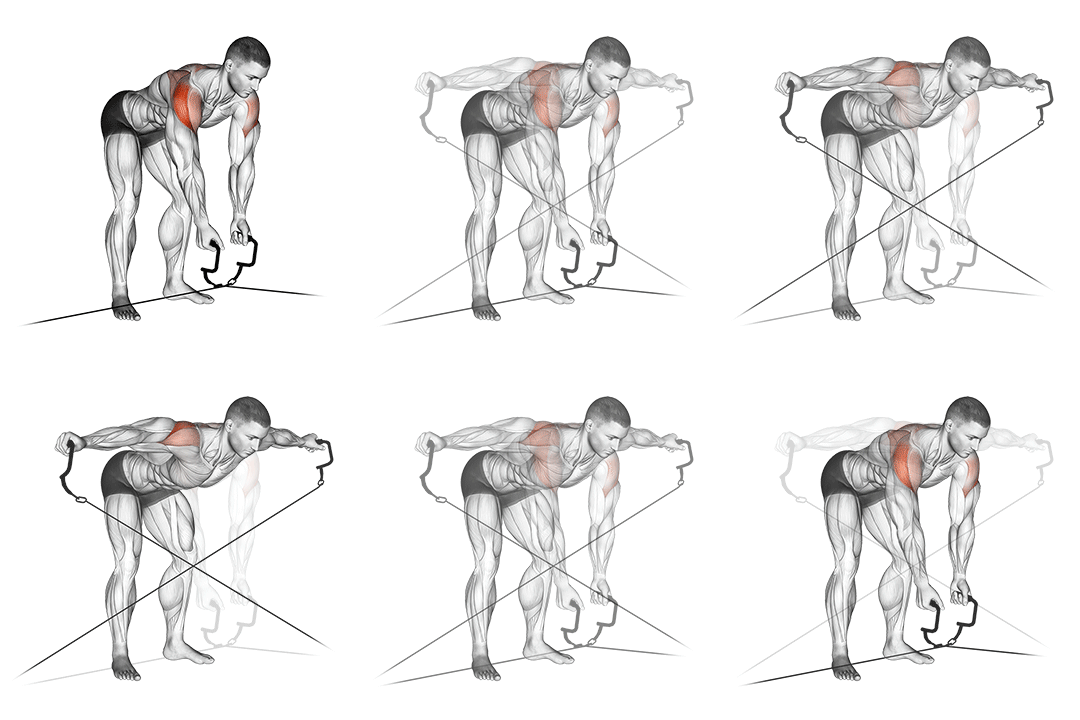
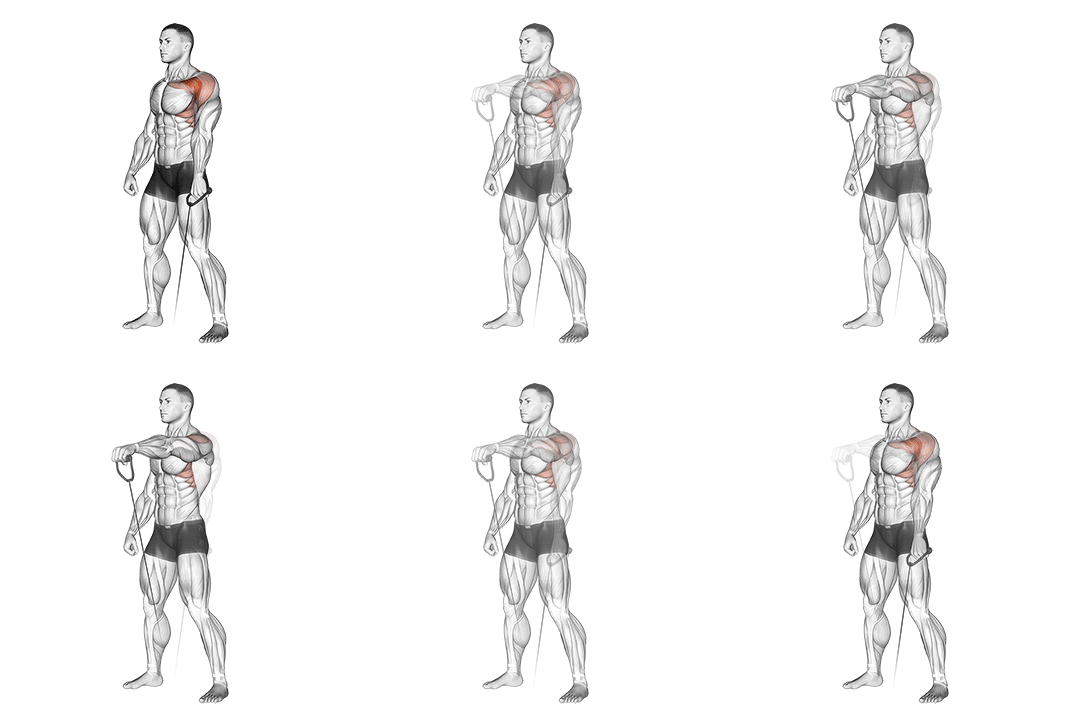
Compare More Exercises
Use our free comparison tool to analyze any two exercises head-to-head.
Compare Exercises