

Cable Bar Lateral Pulldown vs Close-Grip Front Lat Pulldown: Complete Comparison Guide
Cable Bar Lateral Pulldown vs Close-Grip Front Lat Pulldown — if you want a thicker, wider back you need to pick the right pulldown. I’ll walk you through how each movement loads the lats, which secondary muscles kick in, the best technique cues, and clear scenarios for when to use each. You’ll get specific rep ranges (6–12 for hypertrophy, 3–6 for strength work), posture and torso-angle tips (0–30° lean ranges), and practical progressions so you can choose the exercise that matches your goals and equipment.
Exercise Comparison
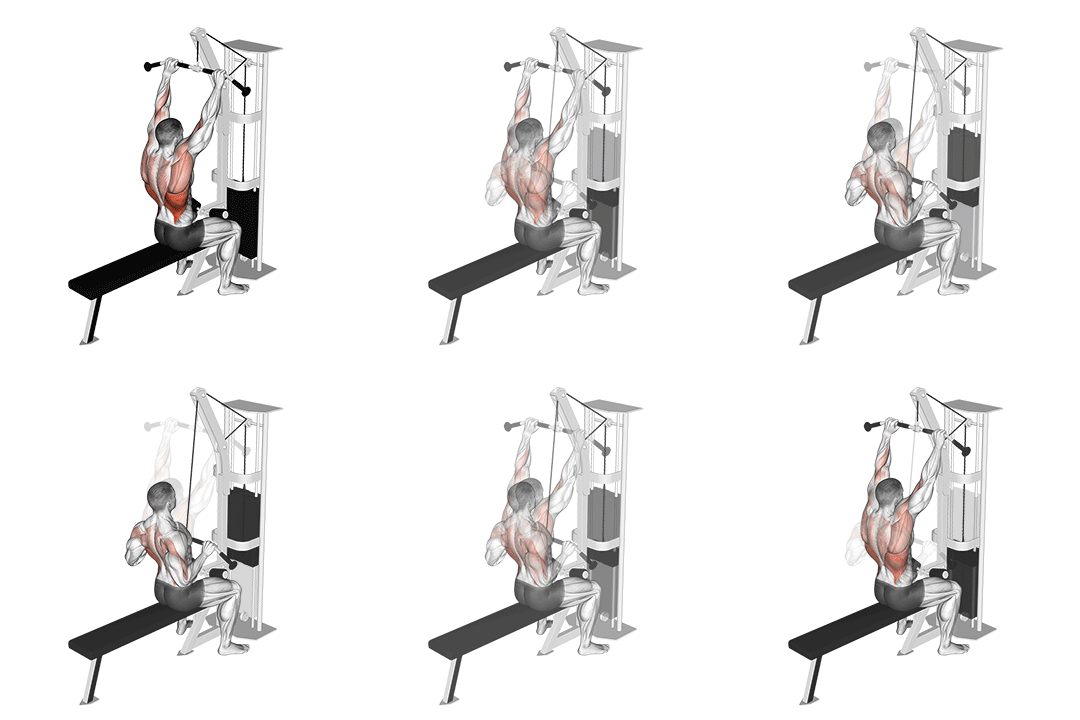
Cable Bar Lateral Pulldown
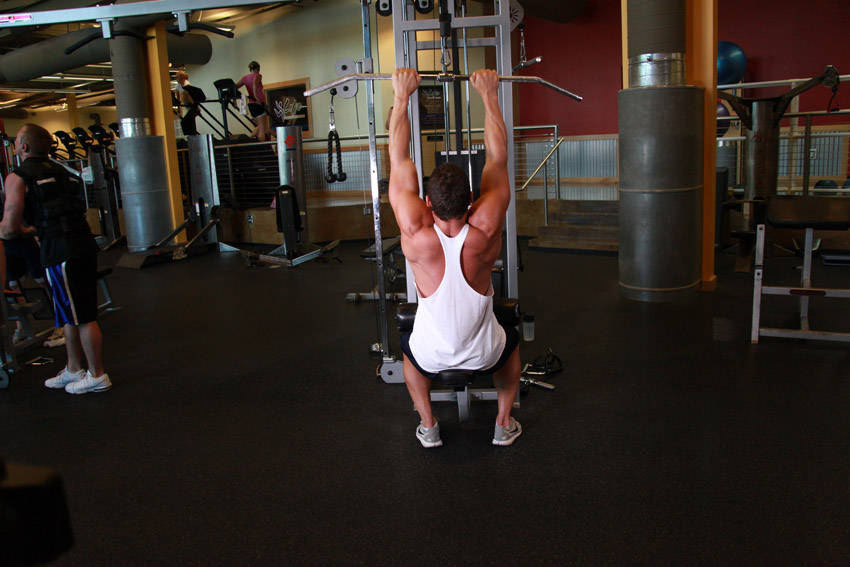
Close-grip Front Lat Pulldown
Head-to-Head Comparison
| Attribute | Cable Bar Lateral Pulldown | Close-grip Front Lat Pulldown |
|---|---|---|
| Target Muscle |
Lats
|
Lats
|
| Body Part |
Back
|
Back
|
| Equipment |
Cable
|
Cable
|
| Difficulty |
Intermediate
|
Intermediate
|
| Movement Type |
Compound
|
Compound
|
| Secondary Muscles |
3
|
3
|
Secondary Muscles Activated
Cable Bar Lateral Pulldown
Close-grip Front Lat Pulldown
Visual Comparison
Overview
Cable Bar Lateral Pulldown vs Close-Grip Front Lat Pulldown — if you want a thicker, wider back you need to pick the right pulldown. I’ll walk you through how each movement loads the lats, which secondary muscles kick in, the best technique cues, and clear scenarios for when to use each. You’ll get specific rep ranges (6–12 for hypertrophy, 3–6 for strength work), posture and torso-angle tips (0–30° lean ranges), and practical progressions so you can choose the exercise that matches your goals and equipment.
Key Differences
- Both exercises target the Lats using Cable. The main differences are in their movement patterns and muscle activation angles.
Pros & Cons
Cable Bar Lateral Pulldown
+ Pros
- Promotes wider lat development through a broader horizontal force vector
- Stronger recruitment of rear deltoids and rhomboids for posture
- Easy to manipulate grip width and bar type for variation
- Good for hypertrophy with 8–12 rep sets and controlled tempo
− Cons
- Wider grips can increase shoulder strain if mobility or scapular control is limited
- Requires more cable bar length and space
- Harder to overload safely for maximal strength without technique breakdown
Close-grip Front Lat Pulldown
+ Pros
- Simpler motor pattern; easier to learn and cue
- Better carryover to vertical-pull strength and weighted pull-ups
- Common equipment (V-bar) available in most gyms
- Allows heavier loading for low-rep strength work (3–6 reps)
− Cons
- Narrower width can under-emphasize lateral outer lat fibers
- Can overtax biceps if you let them dominate the pull
- Less emphasis on rear-delts and mid-scapular thickness
When Each Exercise Wins
Its wider force vector and greater horizontal component stress lateral lat fibers and posterior shoulder muscles more, making it ideal for 8–12 rep hypertrophy work and targeted width development.
The vertical pull path allows heavier loading and better transfer to weighted pull-ups and dead-hang strength; use 3–6 rep sets with slow eccentrics to build pure pulling strength.
Simpler elbow tracking and reduced shoulder stress make it easier to learn scapular control and proper humeral adduction before progressing to wider variations.
Most home cable stations include a narrow V-bar; it requires less horizontal space and fewer accessory bars than a wide cable bar setup.
Frequently Asked Questions
Can I do both Cable Bar Lateral Pulldown and Close-Grip Front Lat Pulldown in the same workout?
Yes. Pair them smartly: start with the exercise that matches your primary goal for the session (strength first, then hypertrophy). For example, do 3–5 heavy sets of Close-Grip for strength, then 2–3 moderate-tempo sets of Cable Bar Lateral for width and finishing volume.
Which exercise is better for beginners?
Close-Grip Front Lat Pulldown is better for beginners because the vertical line of pull and closer elbow tracking reduce shoulder strain and simplify scapular control, letting you learn proper motor patterns before progressing to wider grips.
How do the muscle activation patterns differ?
The Cable Bar lateral pull increases lateral and posterior shoulder activation via a wider horizontal force vector and greater scapular retraction demand, while the Close-Grip focuses activation on the medial and lower lat fibers with a more vertical humeral extension pattern and stronger biceps involvement.
Can Close-Grip Front Lat Pulldown replace Cable Bar Lateral Pulldown?
It can replace it if your goal is overall lat strength or you lack equipment, but it won’t emphasize outer-lat width or rear-delt recruitment as effectively. If width and posture are priorities, keep the Cable Bar variation in your rotation.
Expert Verdict
Choose the Cable Bar Lateral Pulldown when your priority is outer-lat width and posterior shoulder development: use moderate loads, a wider grip (up to shoulder width × 1.0–1.25), 8–12 reps, and a 10–20° torso lean to favor length–tension for hypertrophy. Opt for the Close-Grip Front Lat Pulldown when you want straightforward strength transfer to pull-ups, simpler technique for beginners, or a space-efficient option: load heavier, keep the torso more upright, and work 3–6 reps for strength or 6–10 for size. Both belong in a balanced back program; rotate them weekly to hit regional lat fibers and movement patterns.
Also Compare
More comparisons with Cable Bar Lateral Pulldown
More comparisons with Close-grip Front Lat Pulldown
Compare More Exercises
Use our free comparison tool to analyze any two exercises head-to-head.
Compare Exercises